Description
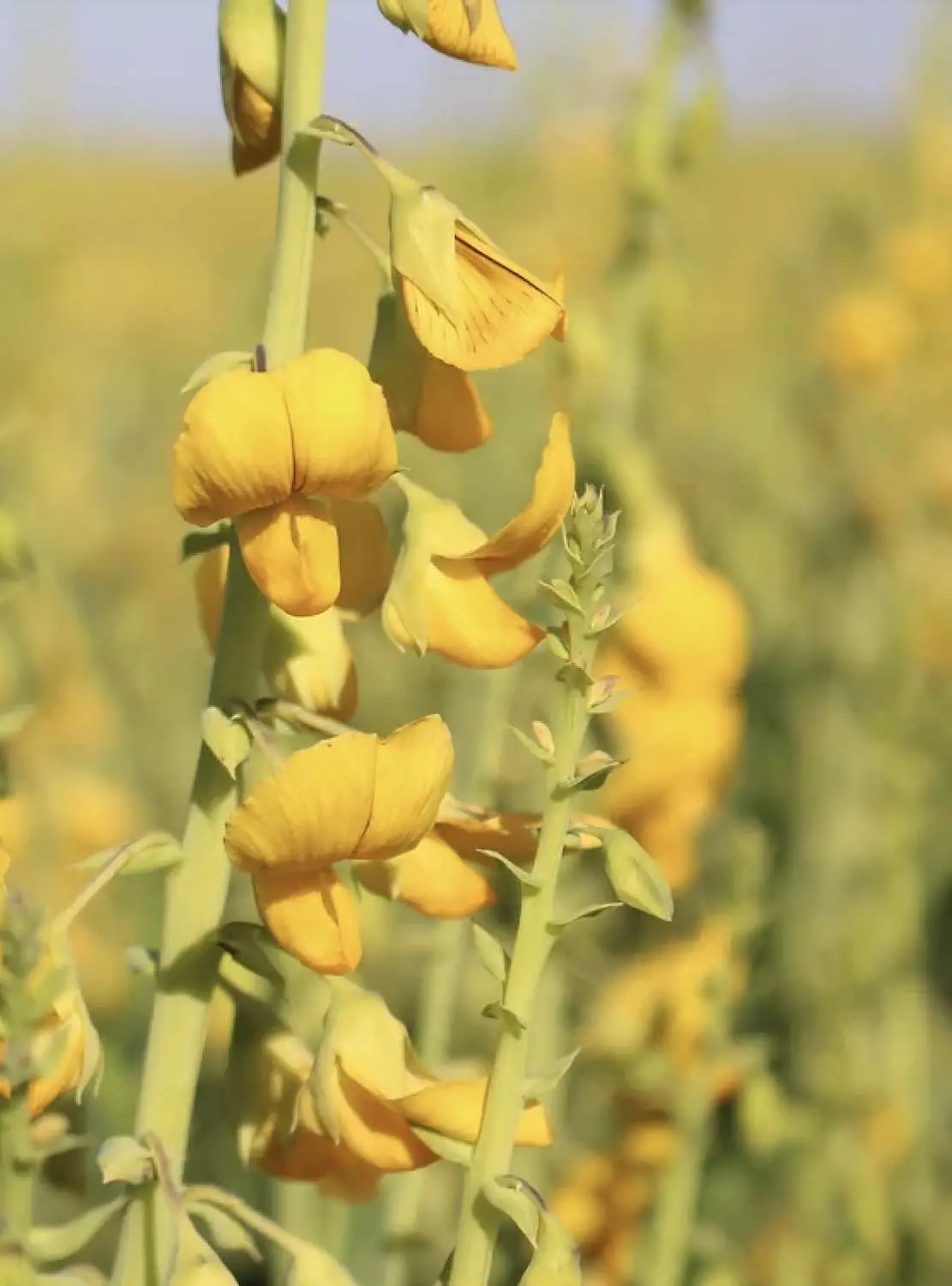
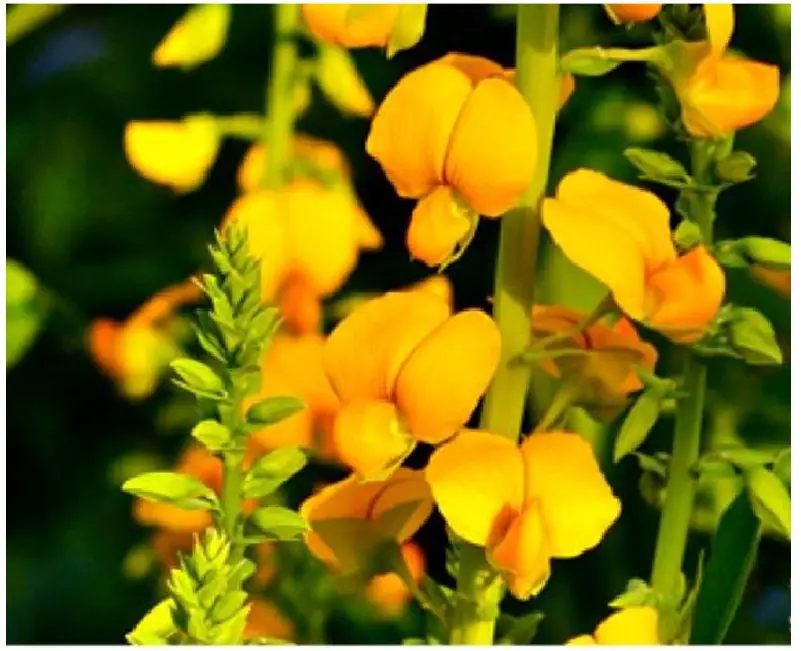
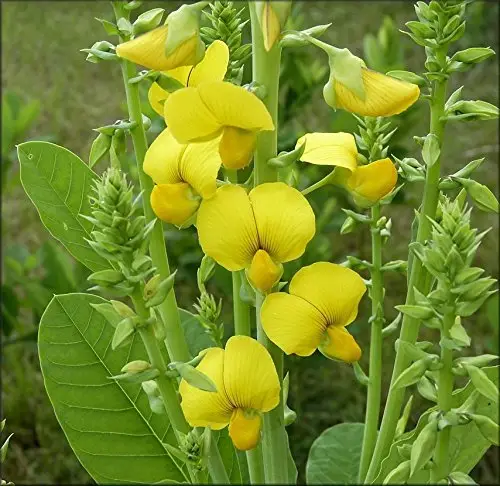
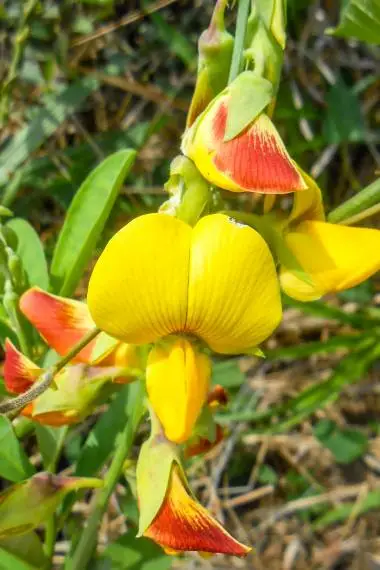
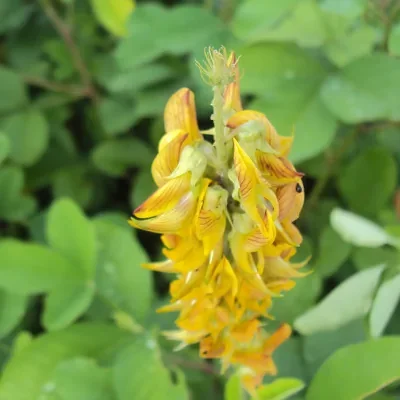
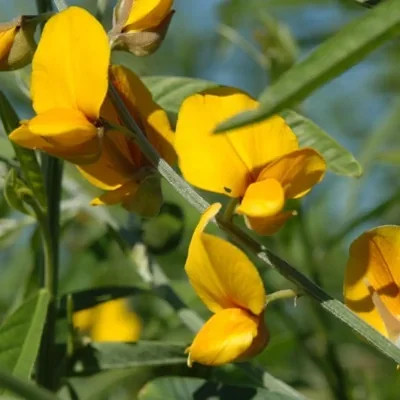
An annual or short-lived perennial shrub with a stiffly upright habit, small leaves and terminal, erect racemes with masses of yellow flowers. Crotalaria spectabilis is originally native to southern and eastern Asia. It is widely planted in the tropics as a cover crop and green manure as it has the ability to fix nitrogen into the soil from the air. It is also effective against root nematodes but is toxic to livestock. The flowers are eaten as a vegetable after cooking.
Germination Guide
🌍 Indian Subcontinent, southern China, Southeast Asia (Pakistan, India, Nepal, Bangladesh, Myanmar, Thailand, Malaysia)
Moderate
Crotalaria spectabilis is a tropical annual legume native to Asia, commonly known as Showy Rattlebox. Named for the rattling sound seeds make in mature pods. Contains monocrotaline alkaloid toxic to livestock. Used historically as nitrogen-fixing green manure crop.
Germination
Germination time
Expect germination in
3 – 7 days
Temperature
Min 9°C
Ideal 25°C
Max 32°C
Substrate moisture
💧 Medium
Seed Pre-treatment
-
💧
Soaking — 12 hours
Pre-soaking seed for 12 hours in warm water reduces germination time; heat treatment (80°C water) plus hydration-dehydration cycle effective
-
🔨
Chemical scarification
Seeds have hard seed coat (physical dormancy); chemical scarification with 80°C hot water for 2 minutes is effective; mechanical scarification also recommended due to high percentage of hard seed
-
📋
Additional notes
Seed coat impermeability requires treatment; scarification is critical due to seed dormancy; combination of heat and hydration-dehydration most effective
Substrate & Container
Recommended substrate
sandy soil, well-drained soil, loam
Growing Tips
Grows best in full sun and warm temperatures. Summer annual in continental US. Scarification essential for germination. Dormant seeds may germinate after dry storage at 23°C. Sow 3/4 inch depth. Seedlings emerge quickly and form dense cover. Can reach 50-150 cm height.
Only logged in customers who have purchased this product may leave a review.



Reviews
There are no reviews yet.