Description
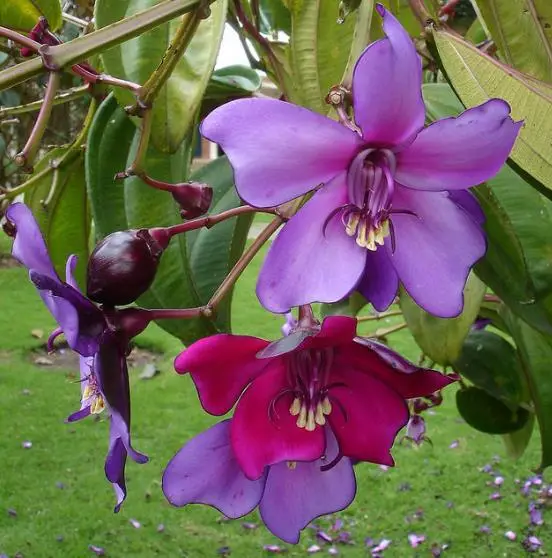
Meriania nobilis is the kind of plant that rewires how you see gardening—a living magnet for beauty, pollination, and wonder.
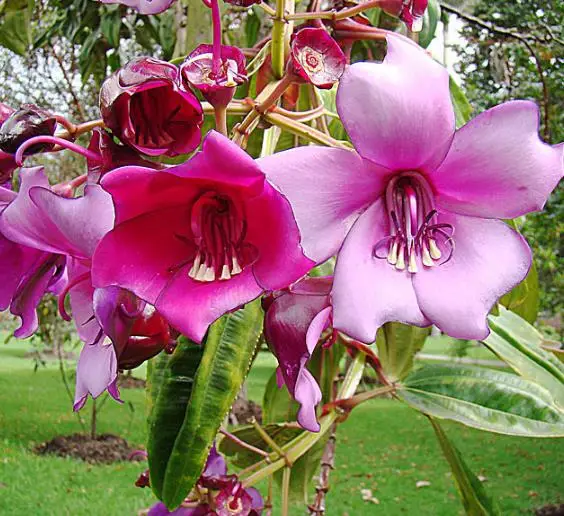
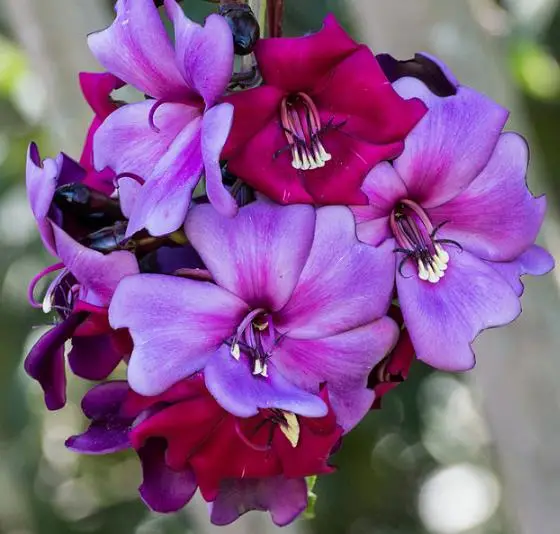
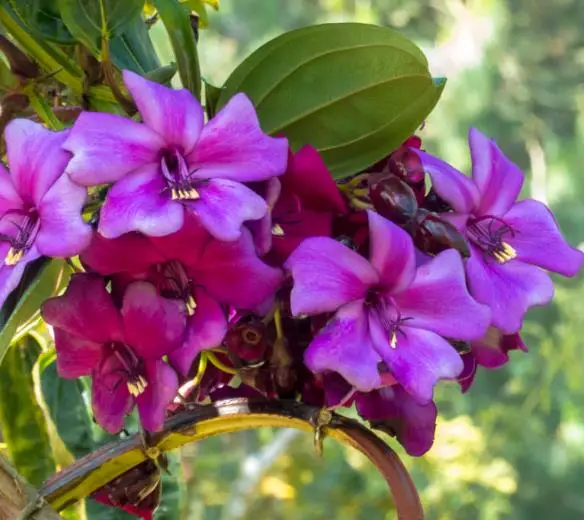
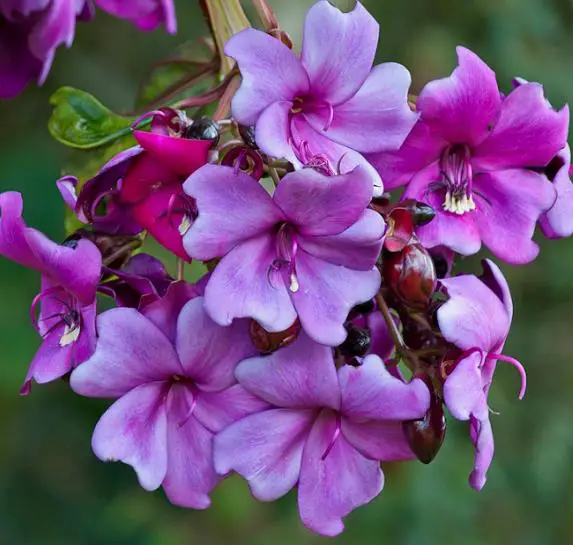
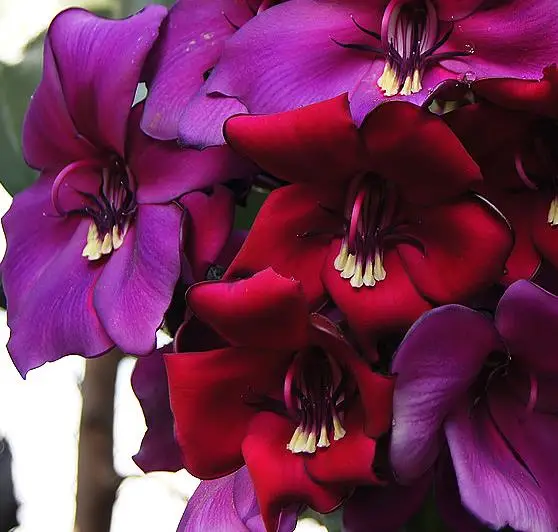
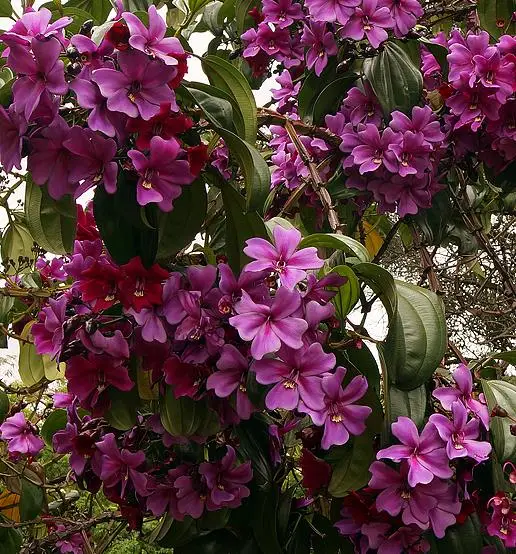
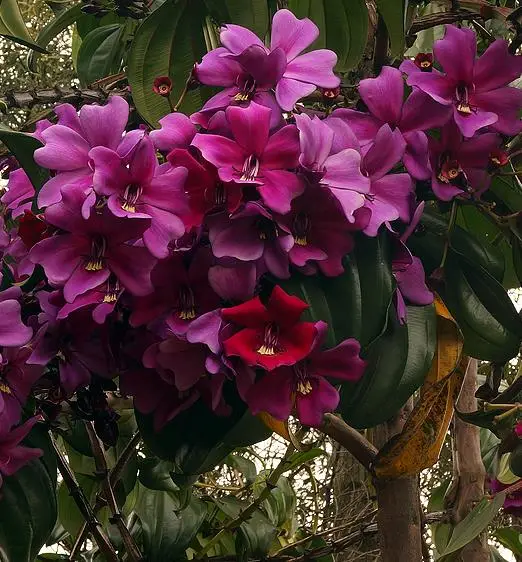
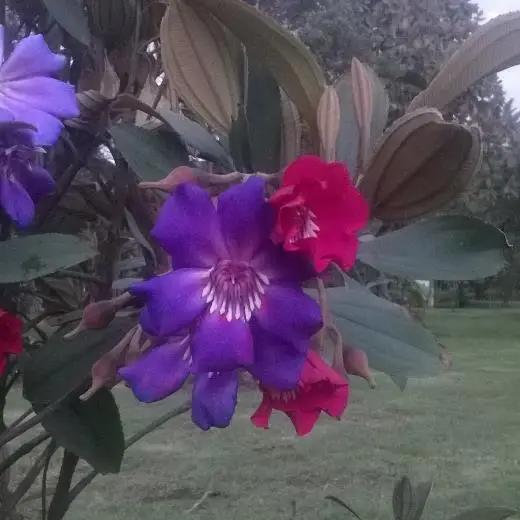
Native to the foggy cloud forests of the Colombian Andes, where it grows between 1,900 and 2,900 meters elevation, this endemic tree is called Amarrabollo or Wax Flower for good reason. Its flowers are melliferous—they produce abundant nectar that draws hummingbirds and butterflies from across the garden. The blooms emerge in startling violet and red tones, their tubular petals adorned with golden anthers, and the plant rewards you with flush after flush throughout the year. The foliage alone justifies growing it: elliptical leaves with deep green color, prominent veins, and a glossy, acetinated texture that catches light even on cloudy days.
Here is where Meriania nobilis becomes essential: it is a true pollinator powerhouse and nectar-producing tree. If you keep bees, grow native pollinators, or simply want to support hummingbirds and butterflies, this species belongs in your collection. The melliferous nature of its flowers means abundant nectar production, making it invaluable for beekeeping, hummingbird gardens, or any landscape designed to support wildlife. Beyond pollination, the plant bears edible fruit consumed by both wildlife and humans—a secondary bounty. The Melastomataceae family, to which M. nobilis belongs, is rich in tannins, flavonoids, and phenolic compounds with proven antioxidant, anti-inflammatory, and antimicrobial properties, making this tree botanically interesting for those exploring medicinal plant applications.
Cultivation is straightforward once you understand its needs. Meriania nobilis is an understory tree that thrives in partial shade to dappled light—perfect for shaded gardens, forest gardens, or as an interior ornamental where it receives bright, indirect light. It prefers consistent moisture and well-draining, fertile soil rich in organic matter. In its native habitat, it grows in humid, foggy forests, so mimicking that moisture without waterlogging is key. The plant can reach 5–15 meters in height but grows well in containers and can be pruned to shrub form. Germinating from seed requires patience: scarify the seed coat gently, soak for 24–48 hours, and plant in a warm, humid location. Germination is slow and erratic—sometimes taking months—but once established, the plant rewards patience with years of luminous, nectar-laden blooms.
Grow Meriania nobilis and you are planting a piece of Colombia’s Andes cloud forest—a tree that feeds pollinators, produces edible fruit, and fills gardens with the kind of botanical beauty that makes people stop and stare. This is ornament with purpose. This is a plant that works.
Germination Guide
🌍 Cloud forests of the Colombian Andes, 2000-2900 meters elevation, Colombia
Moderate
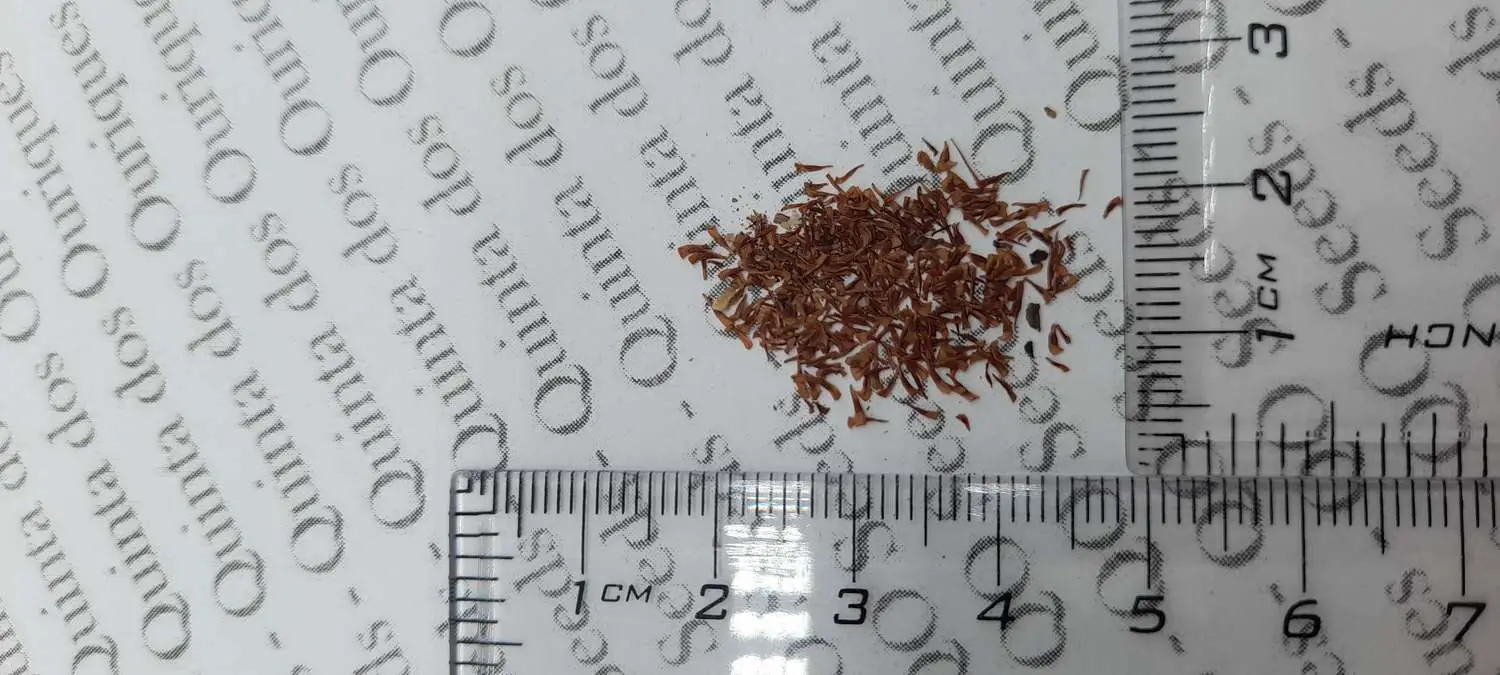
Meriania nobilis is endemic to cloud forests of the Andes in western Colombia and is hailed as one of the world's most beautiful flowering trees, featuring year-round deep pink to purple-red flowers with yellow anthers. Seeds are minute and require light to germinate.
Germination
Germination time
Expect germination in
42 – 84 days
Temperature
Min 18°C
Ideal 21°C
Max 24°C
Substrate moisture
💧💧 High
Seed Pre-treatment
-
💧
Soaking — 36 hours
Soak scarified seeds in warm water for 24-48 hours to soften seed coat
-
🔨
Mechanical scarification
Gently rub with sandpaper or nick with a knife
-
📋
Additional notes
Seeds have hard seed coat requiring mechanical scarification followed by soaking
Substrate & Container
Recommended substrate
Peat moss or coir fiber, perlite, vermiculite, with slow-release fertilizer; well-draining and slightly acidic
Recommended container
Seed trays or small pots with drainage holes; may use plastic dome to maintain moisture
Growing Tips
Keep soil consistently moist but not waterlogged. Place in bright, indirect light. Maintain high humidity with plastic dome cover slightly open for air circulation. Seeds are slow to germinate; germination may take 6-12 weeks depending on temperature. Prefers warm temperate climates without extreme heat or cold.
Only logged in customers who have purchased this product may leave a review.

Reviews
There are no reviews yet.