
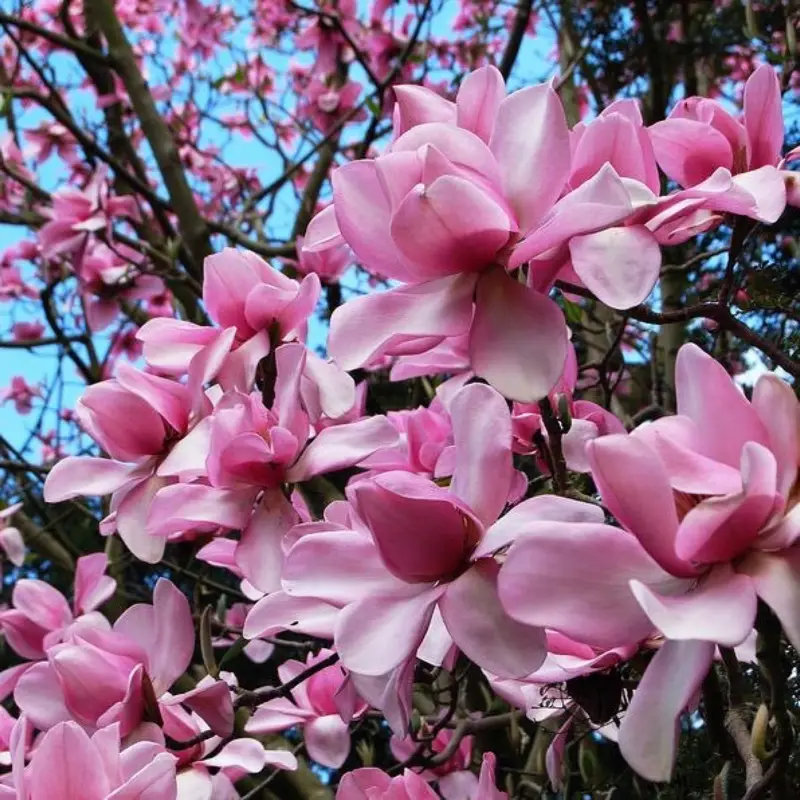
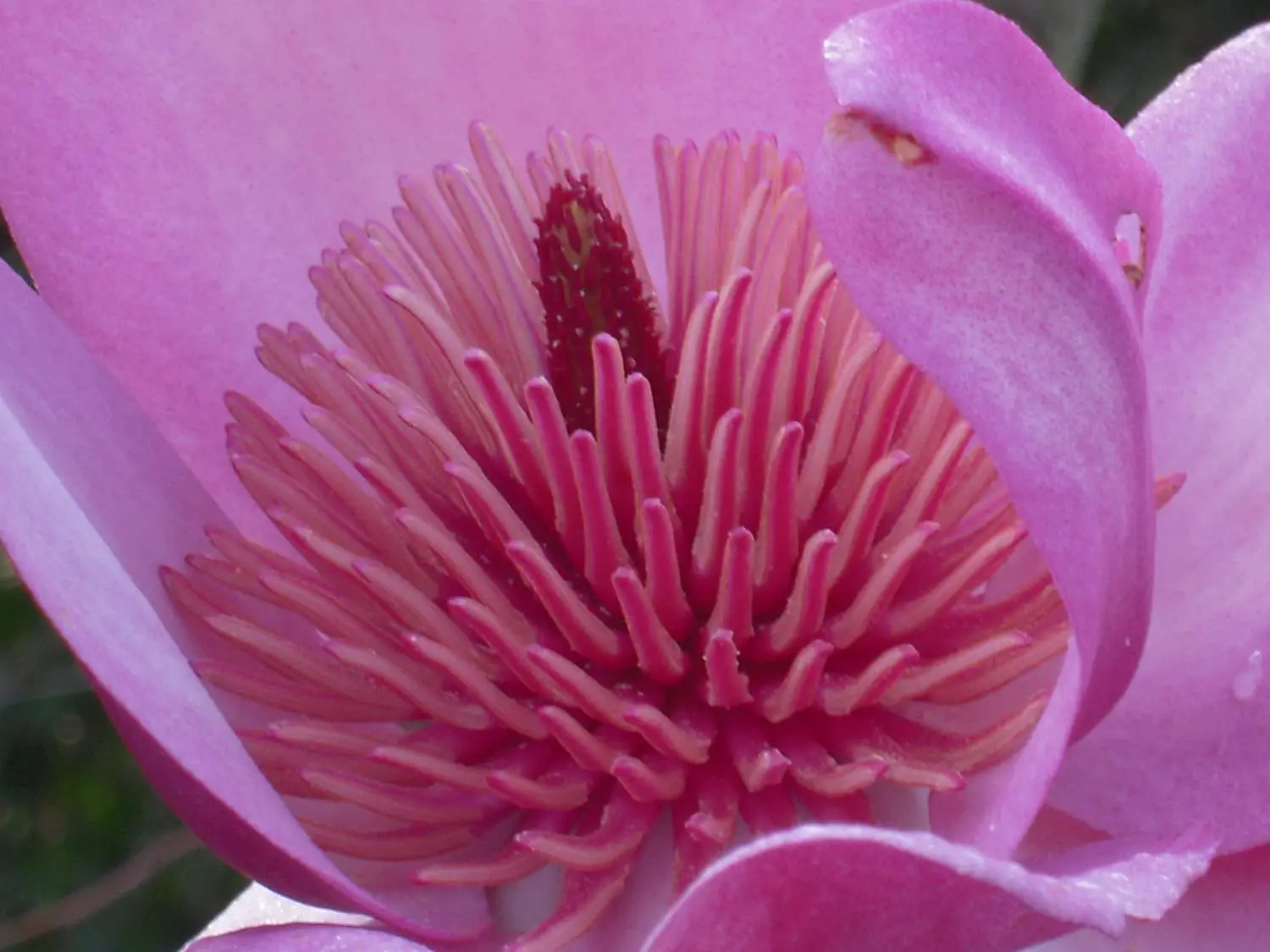
Gigantic goblet flowers of rose-pink and white bloom on bare branches before the leaves—pure theater. But here’s the secret: those spectacular buds and petals are edible, spicy-floral, and deeply medicinal. Pickle them. Brew them for sleep and calm. Use them in traditional remedies for anxiety and digestion. Grow this living heirloom from seed—a 20-year commitment to a tree that will become your family’s legend. Requires cool, moist, sheltered site; worth
€3.02
A tree that bloomed before honeybees existed is now calling you to grow it from seed—and to eat it.
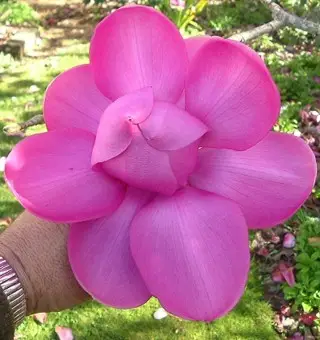
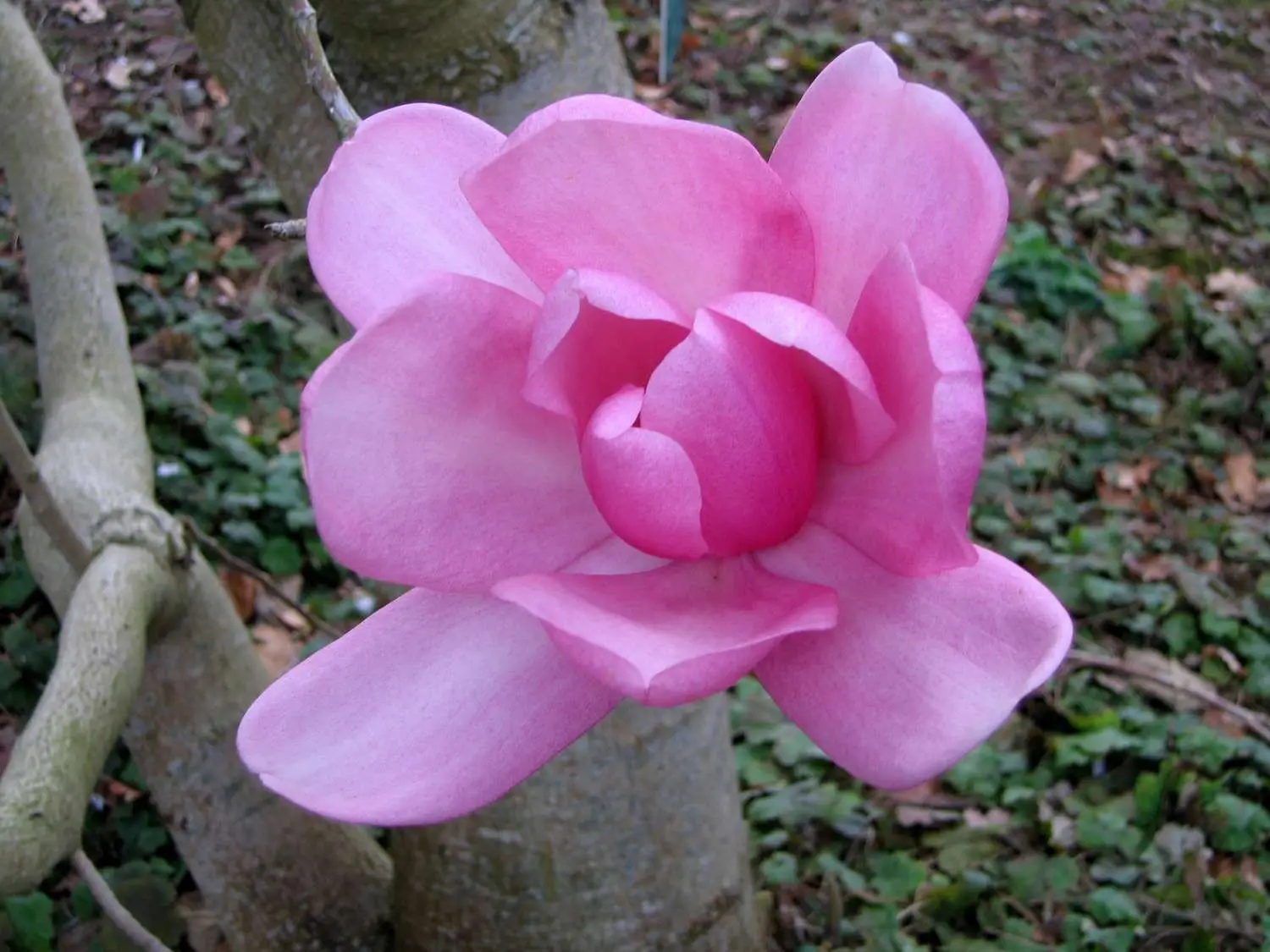
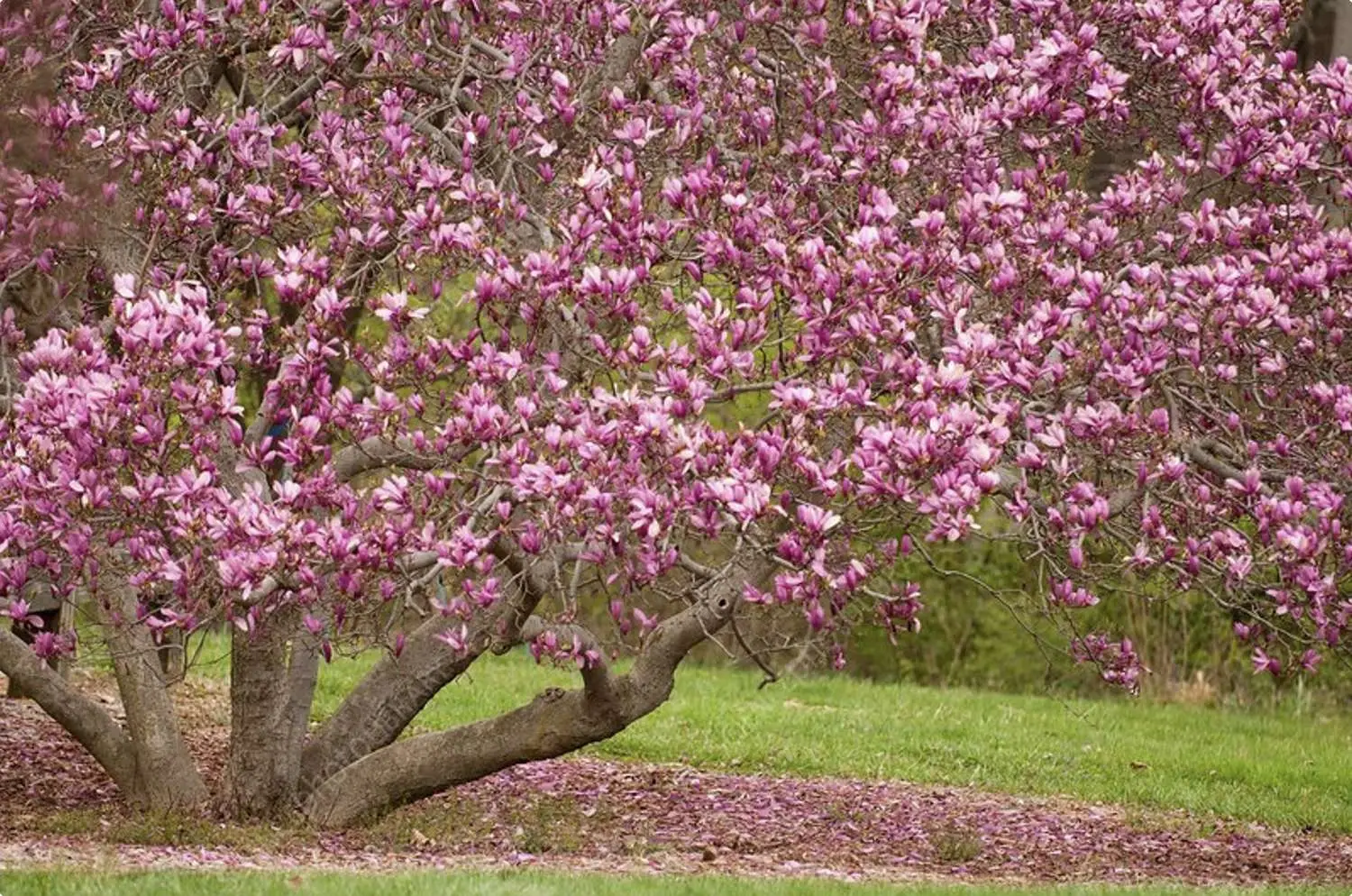
Magnolia campbellii stops traffic. From late winter through early spring, flowers large 15–25 cm wide appear in goblet form, later spreading like water lilies, with tepals white to pinkish inside and deep rose-pink outside, blooming before the leaves emerge. Many consider this the most beautiful of the magnolias. The leaves are around 25 cm in length and around 7 cm across, green on top, and silver-green with silky hairs on the underside. It’s a medium-sized to large deciduous tree growing to 30 m tall, with smooth grey bark. Every part of this tree is architecture—every branch tells a story.
Magnolia campbellii comes from the highest Himalayan valleys—sheltered valleys in the Himalaya from eastern Nepal, Sikkim and Assam, India, east to southwestern China and south to northern Myanmar. But the real magic? Magnolias are one of the most primordial plants in evolutionary history, with fossil evidence indicating they existed over 100 million years ago, having existed since the Cretaceous period, making it the very first blooming plant. They worked with flying beetles as pollinators, pre-dating bees. You are growing a plant older than flowers themselves.
Here is where this tree becomes truly irresistible: the buds and petals are edible and medicinal treasures. Magnolia flower buds are edible, and can be pickled or dissolved into syrup. The flavor? One bite of a petal reveals an intense, spicy, floral taste that’s a potent combination of cardamom and ginger. Pickle them whole. Steep them into tea. The buds in TCM are dried and used to relieve sinus congestion, runny nose and treat lack of smell. Beyond respiratory health, Magnolia is used to treat obesity, digestive disorders, constipation, inflammation, anxiety, stress, depression, fever, headache, stroke, and asthma. Studies of the bark found that it contains the chemicals honokiol and magnolol, which are believed to be the reason for its effectiveness. Honokiol appears to be a muscle relaxer that’s also five times more effective than some prescriptions at alleviating anxiety, with no apparent side effects. Every flower you harvest becomes a remedy, a delicacy, a direct line to ancient plant medicine.
Growing Magnolia campbellii requires commitment and patience, but the reward justifies every moment. Grow in moist but well-drained neutral to acid soil in full sun or part shade with shelter from cold winds. Plants dislike dry winds, so choose a protected microclimate—a walled garden, a valley, a spot shielded by taller trees. Late frosts may damage flower buds and flowers, so siting is everything. The seed usually germinates in the spring but it can take 18 months. Trees take at least 20 years from seed before they flower. This is a long game—the waiting is part of the poetry. Prick out the seedlings into individual pots when they are large enough to handle and grow them on in light shade in a cold frame or greenhouse for at least their first winter. They can be planted out into their permanent positions when they are more than 15 cm tall, though should be well mulched and given some protection from winter cold for their first winter or two outdoors. The tree will reward your patience with decades of stunning blooms, edible buds, and medicinal leaves and bark.
Grow Magnolia campbellii from seed and you are not simply planting a tree—you are planting a living bridge to the Cretaceous, a source of beau
Only logged in customers who have purchased this product may leave a review.

Reviews
There are no reviews yet.