Description
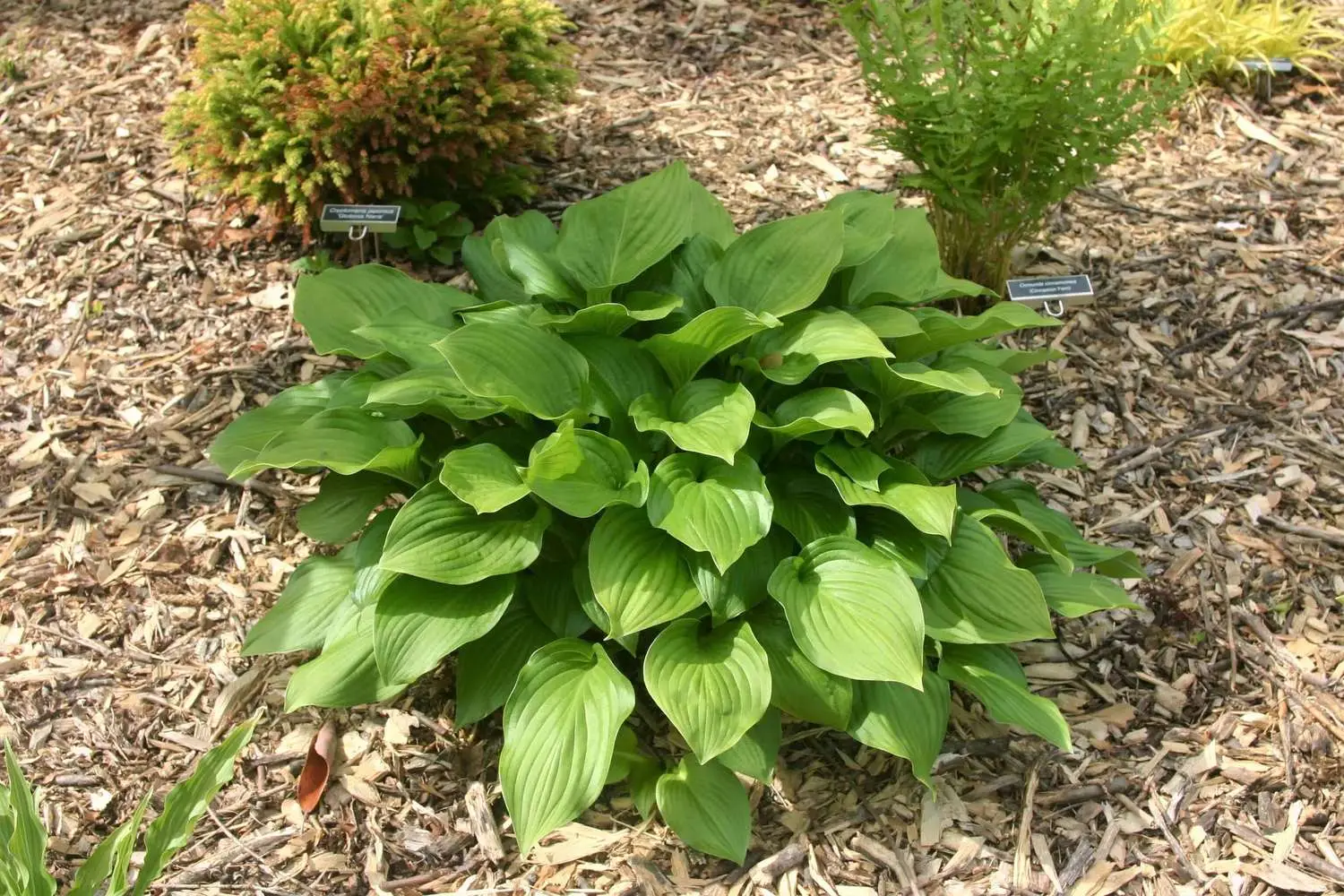
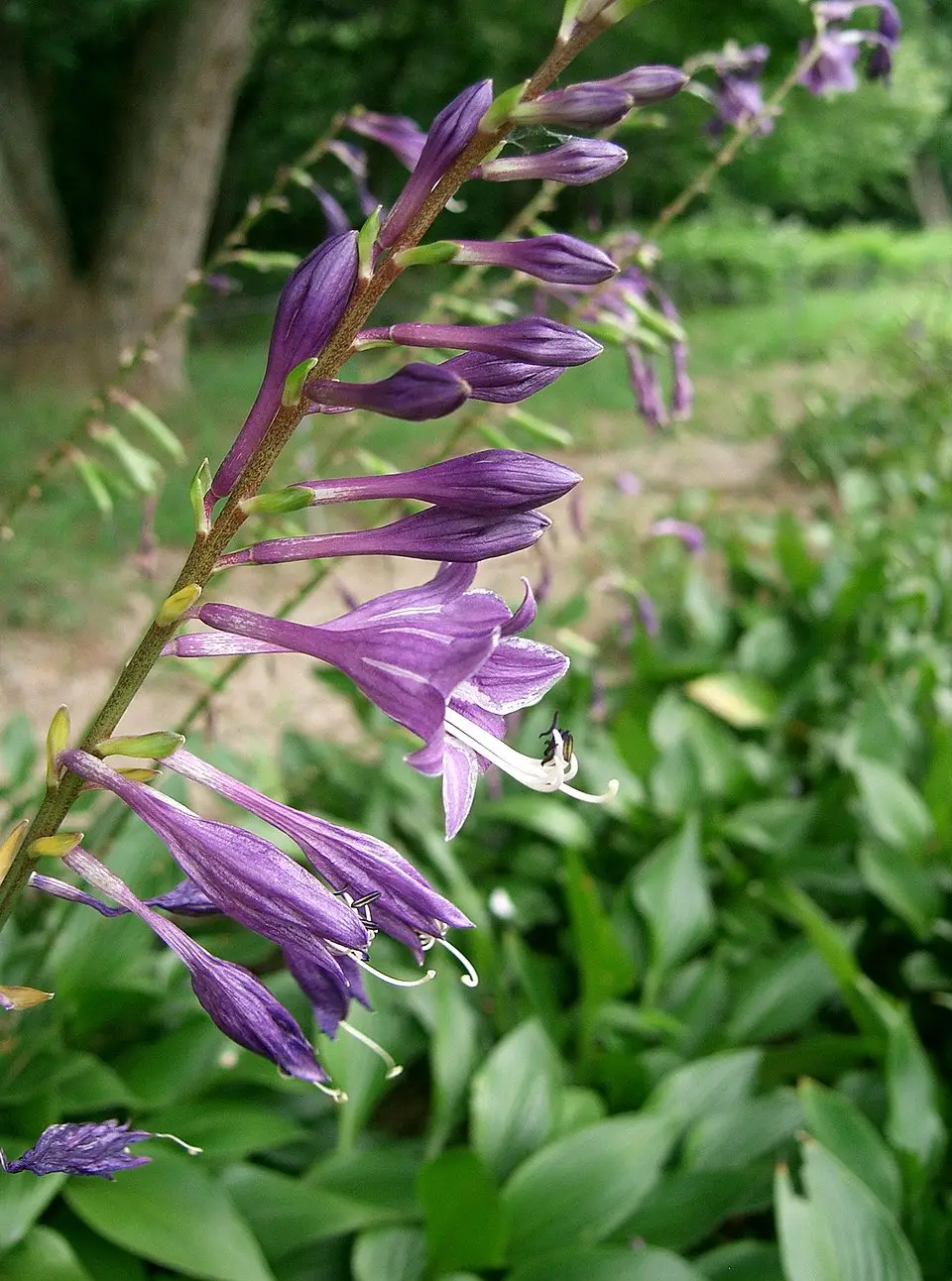
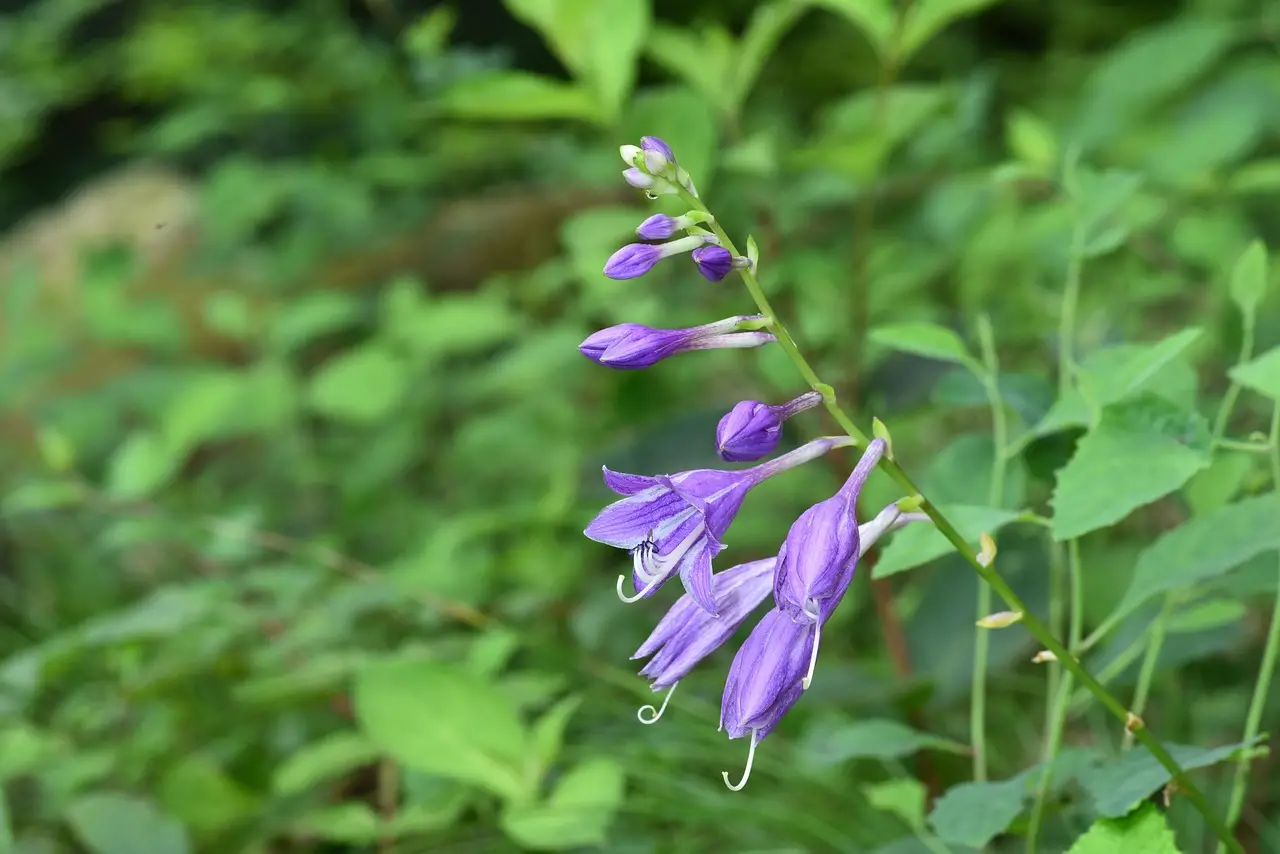
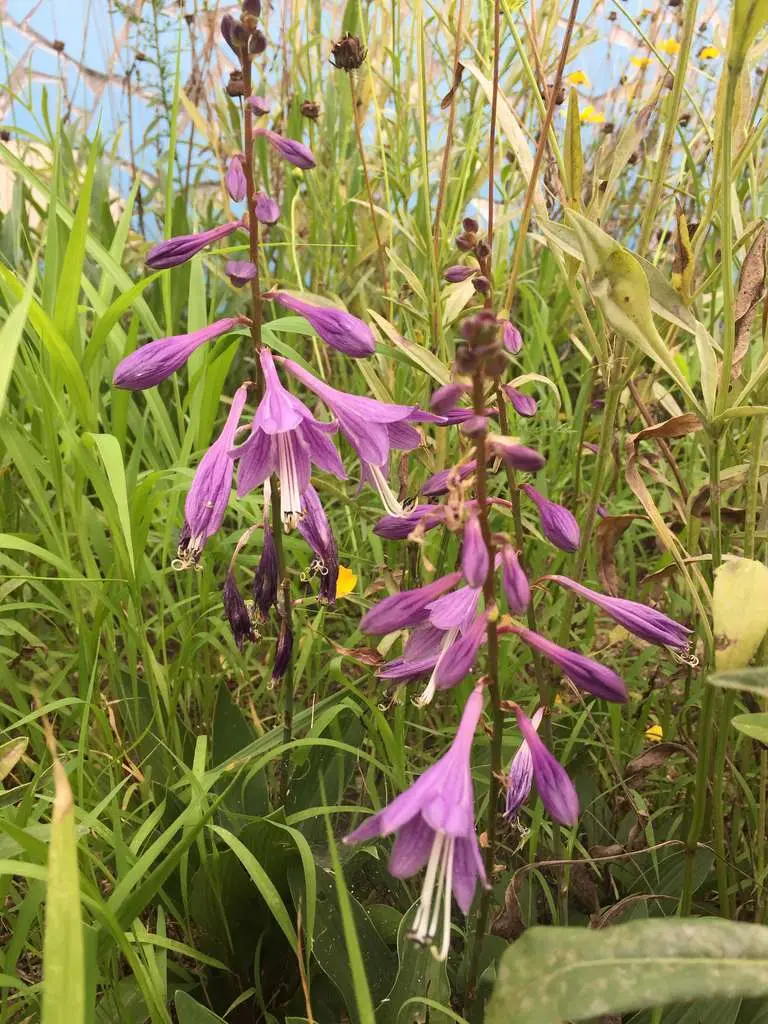
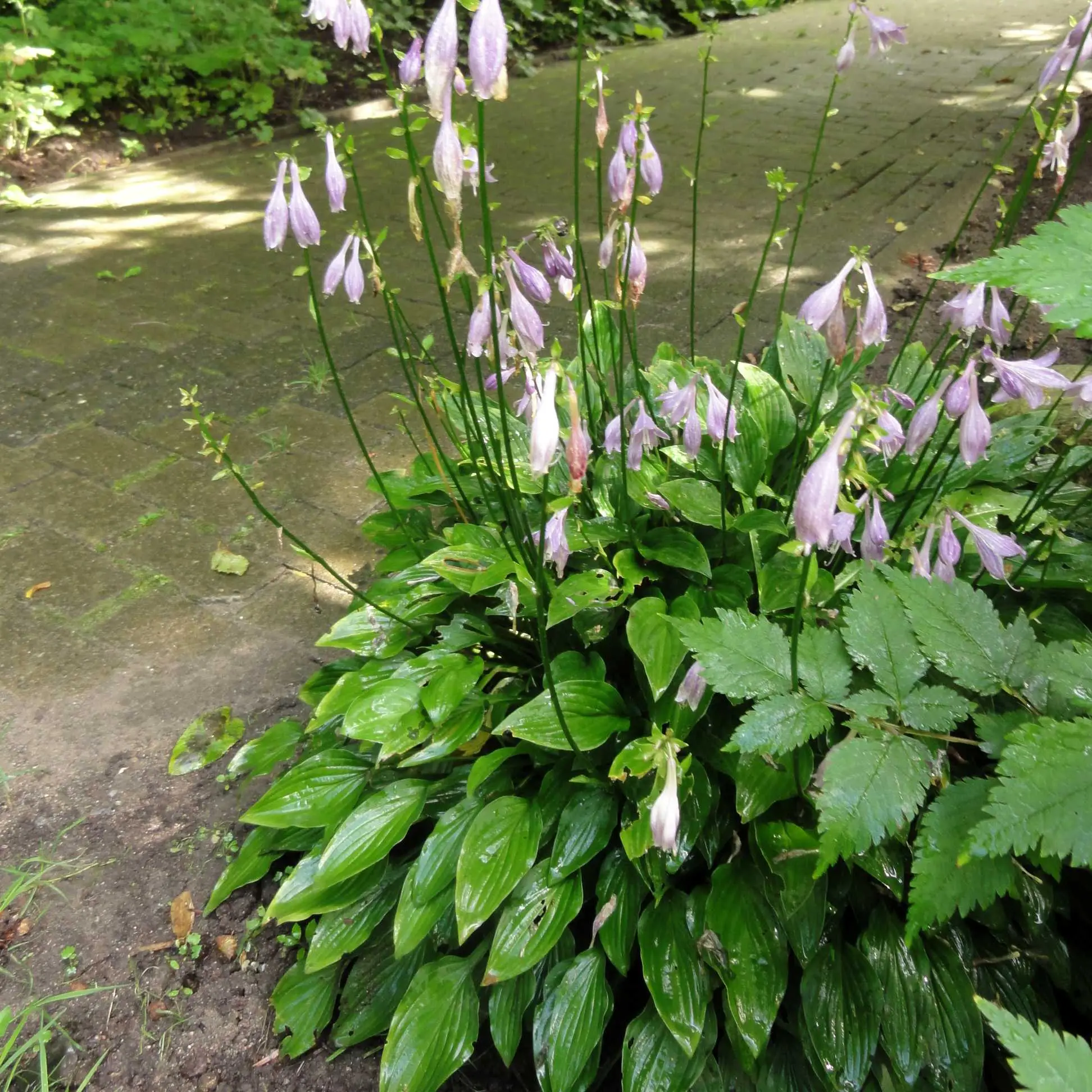
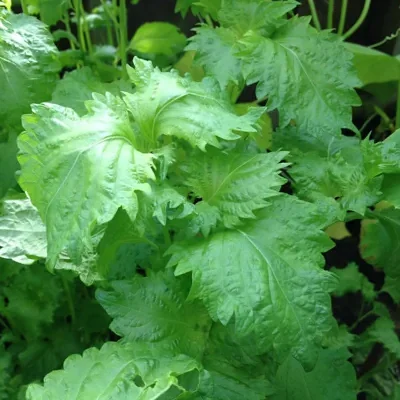
Hosta longipes var. longipes, also known as the “rock hosta,” is a small to medium-sized perennial native to Japan and Korea. It typically forms a rounded clump of glossy, dark green, leathery leaves with a heart-shaped base and wavy margins. The underside of the leaves can be either shiny or have a waxy, bluish coating. In late summer and early fall, it produces racemes of pale purple, funnel-shaped flowers on tall, purple-dotted scapes. The name “longipes” means “long feet,” which refers to its ability to send deep roots into rock crevices in its native habitat. This species is highly variable, with many different forms selected for variations in size, leaf color, shape, and flower characteristics. It is a popular shade garden plant, known for its low maintenance and tolerance for heavy shade.
Germination Guide
🌍 Japan
Difficult
Hosta longipes var. longipes, known as Amagi Rock Hosta, is a perennial plant native to Japan with dark green glossy foliage and lavender flowers in mid to late summer.
Germination
Germination time
Expect germination in
10 – 90 days
Temperature
Min 10°C
Ideal 10°C
Max 25°C
🌡️ Temperature alternation recommended
— Warm location (75°F/24°C) after cold stratification can speed germination to 10-20 days
Substrate moisture
💧💧 High
Sowing depth
Lightly covered
Seed Pre-treatment
-
❄️
Cold stratification — 30 days at 4°C
-
📋
Additional notes
Cold stratification (refrigeration in water or damp paper towel for 2-4 weeks) increases germination rates. Remove seeds from pods and allow to dry in cool place over winter.
Substrate & Container
Recommended substrate
sterile seed-starting mix, peaty starter mix, or well-draining potting mix
Recommended container
seed trays, plastic cups, or small pots with drainage holes
Growing Tips
Seeds require light once germinated. Do not bury seeds; press lightly into soil. Keep soil moist but not waterlogged. Use humidity dome to retain moisture. Germination can be erratic (2 weeks to 3 months). Paper towel method (between damp towels in sealed bag in warm location) is highly reliable. Hostas are notoriously low germinators with variable seed viability.
Only logged in customers who have purchased this product may leave a review.

Reviews
There are no reviews yet.