Description
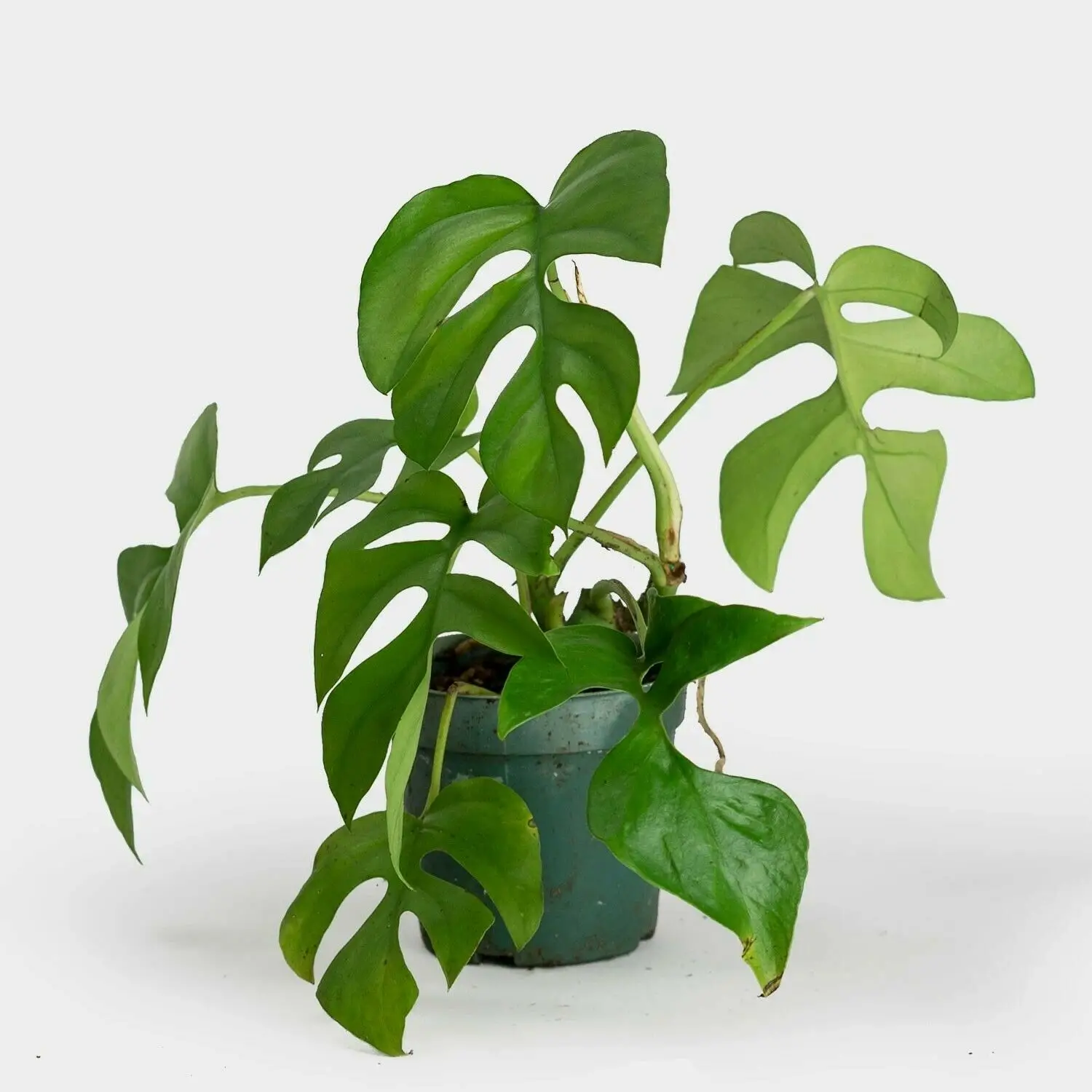
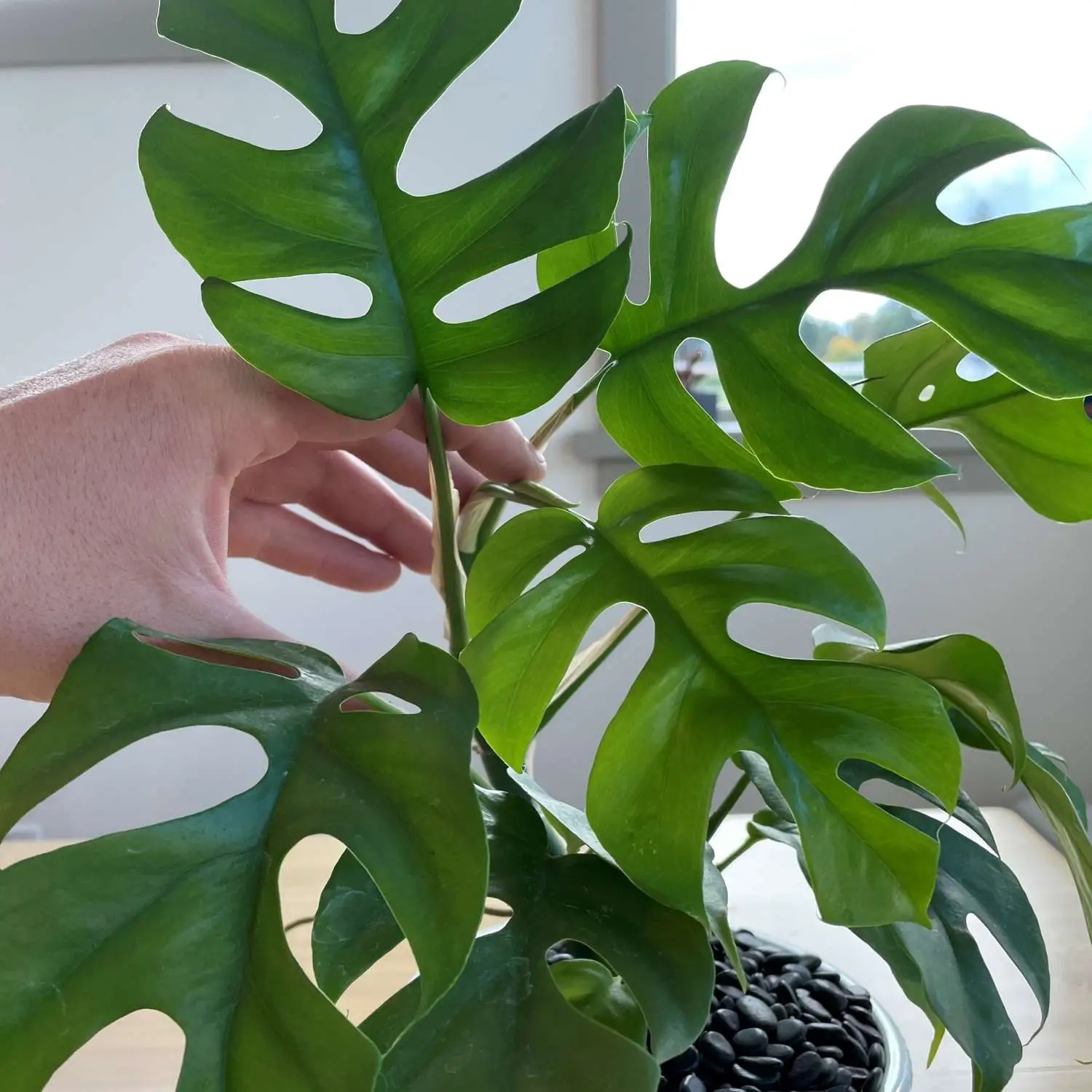
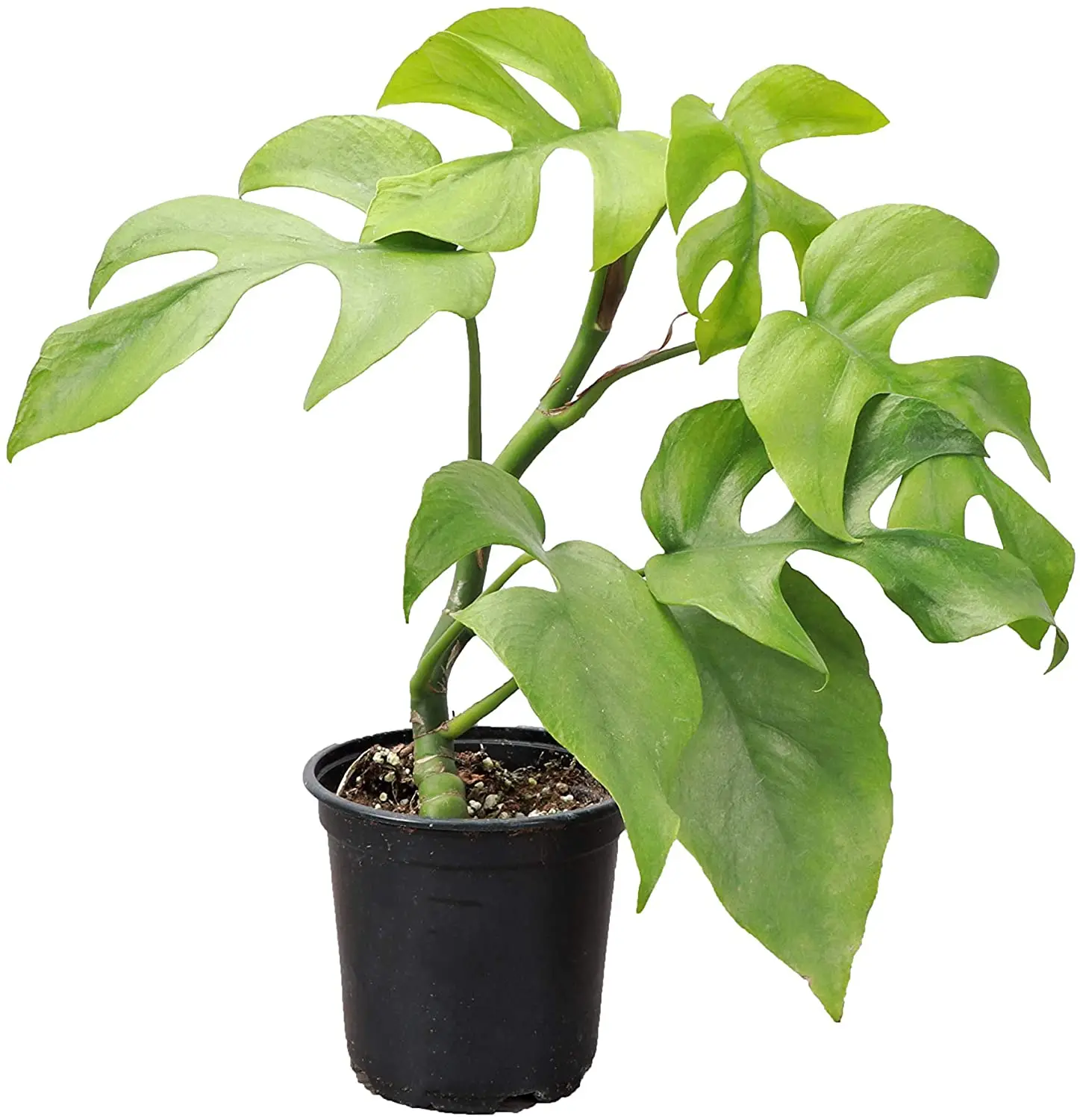
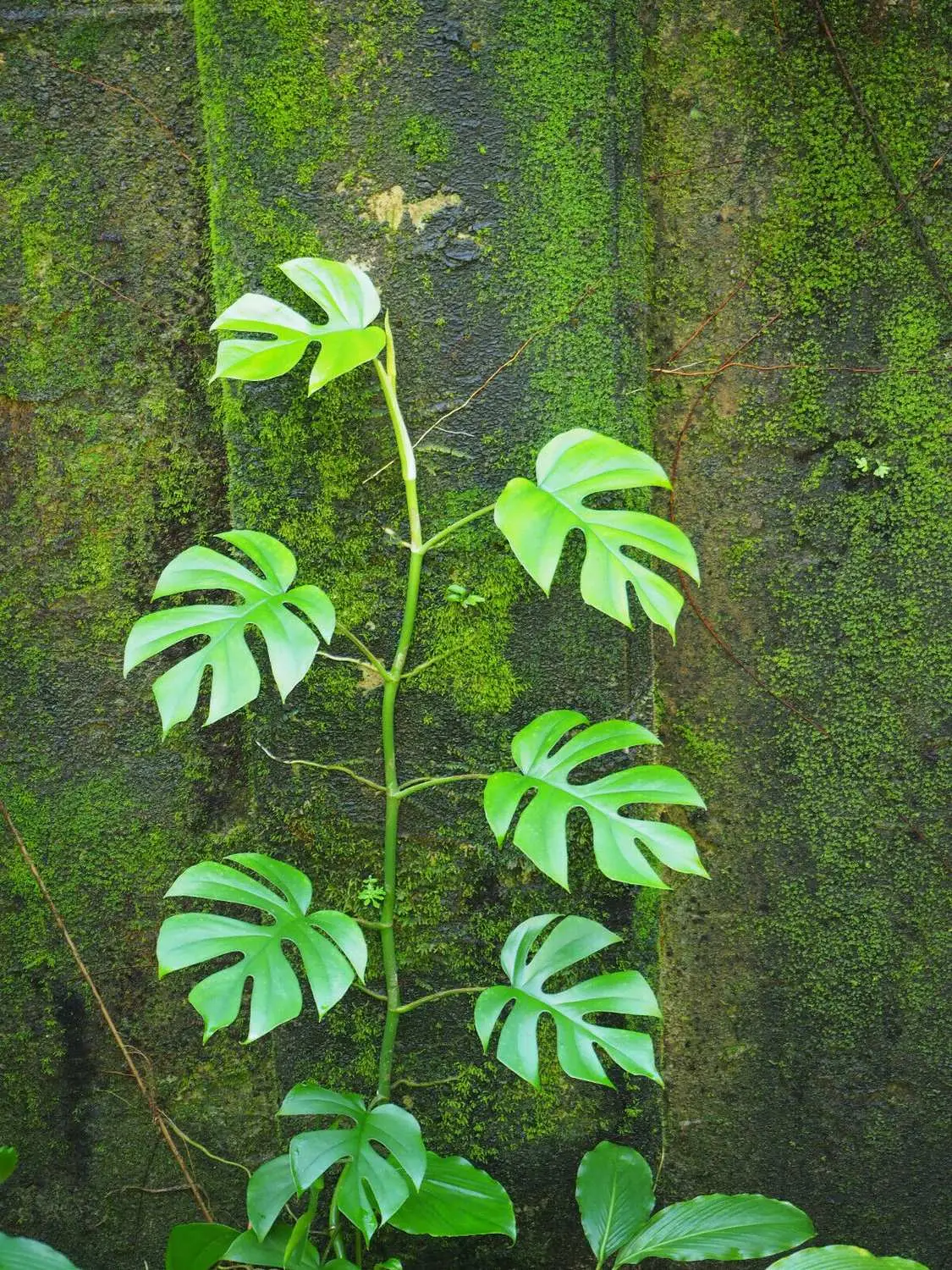
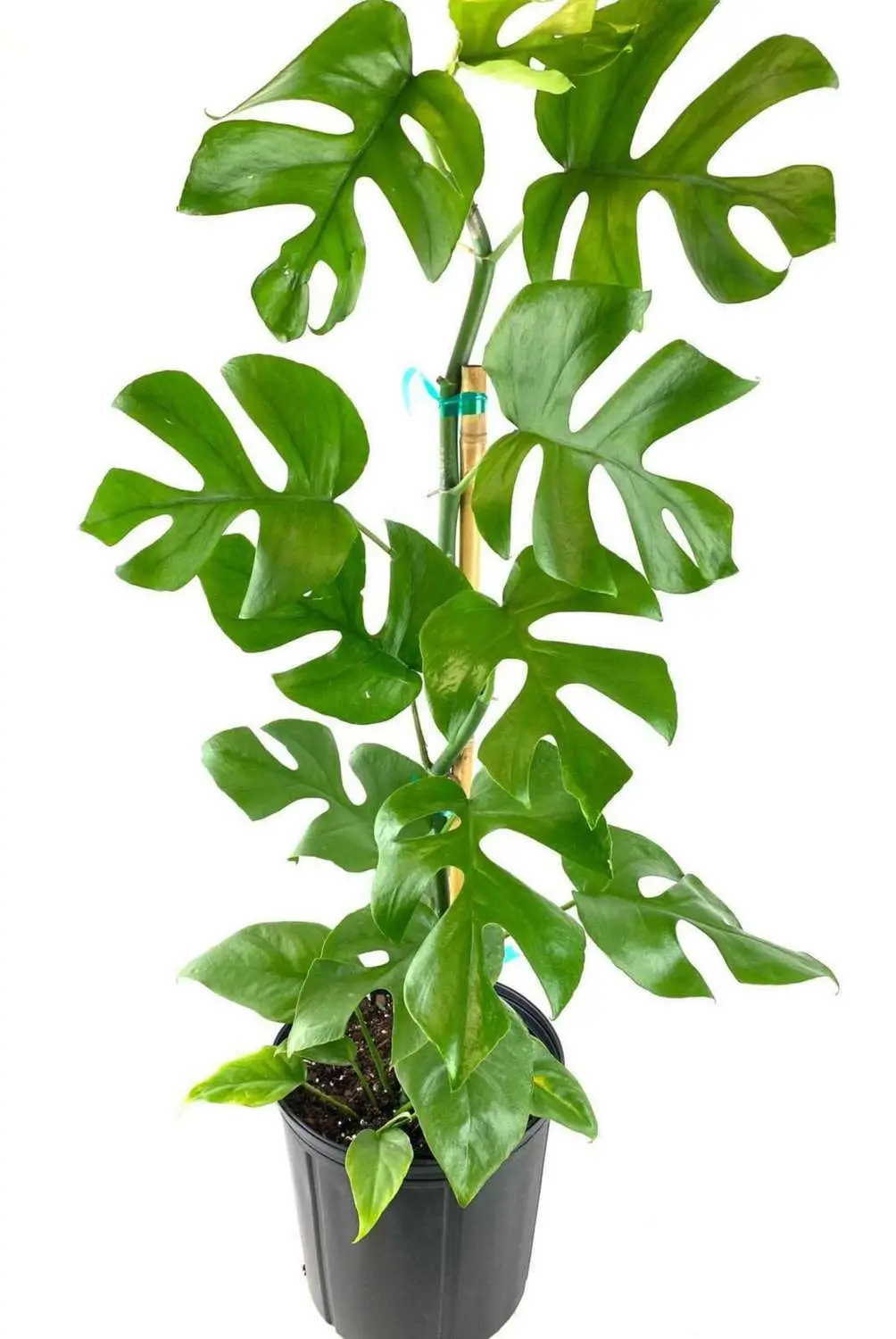
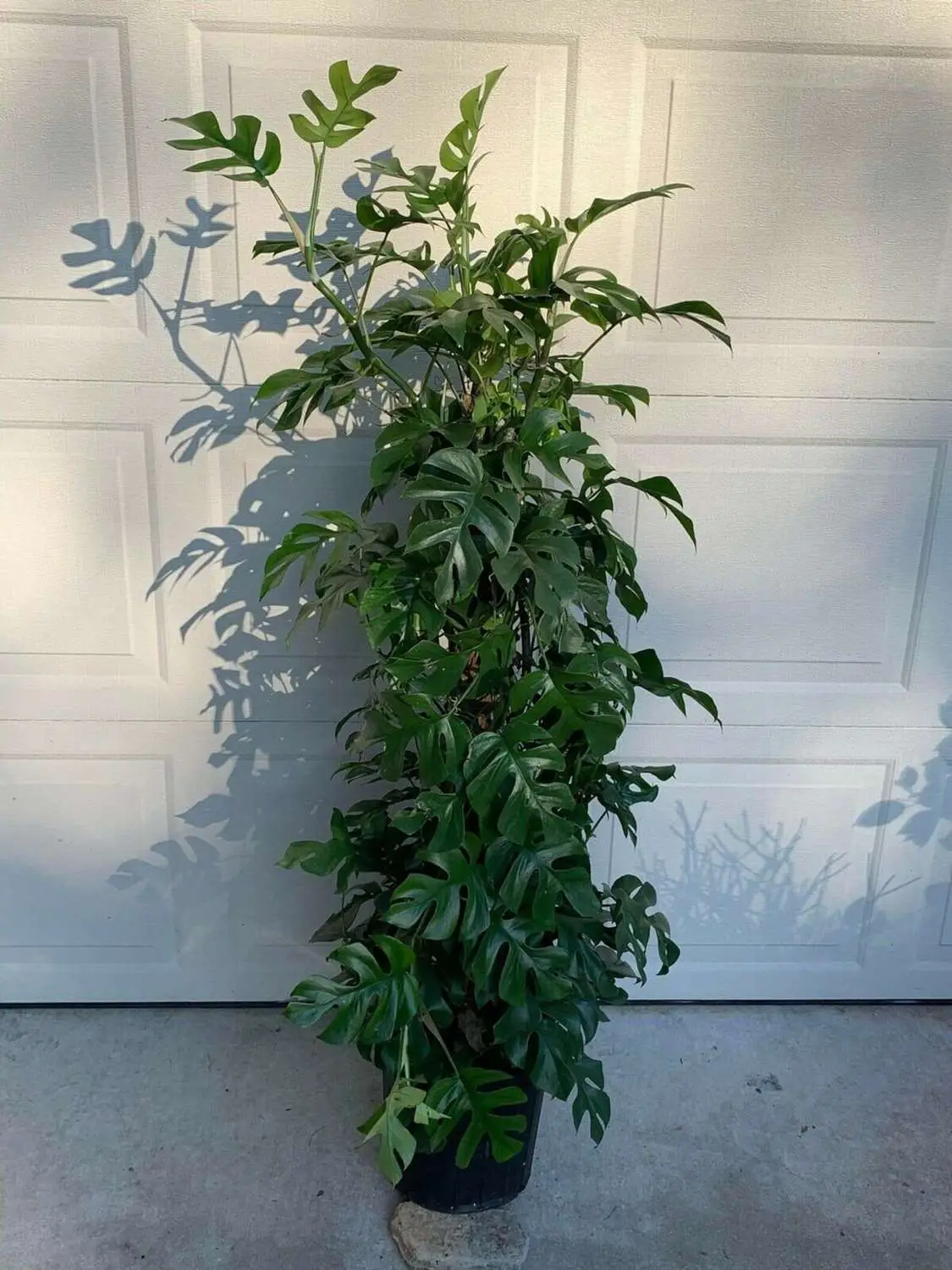
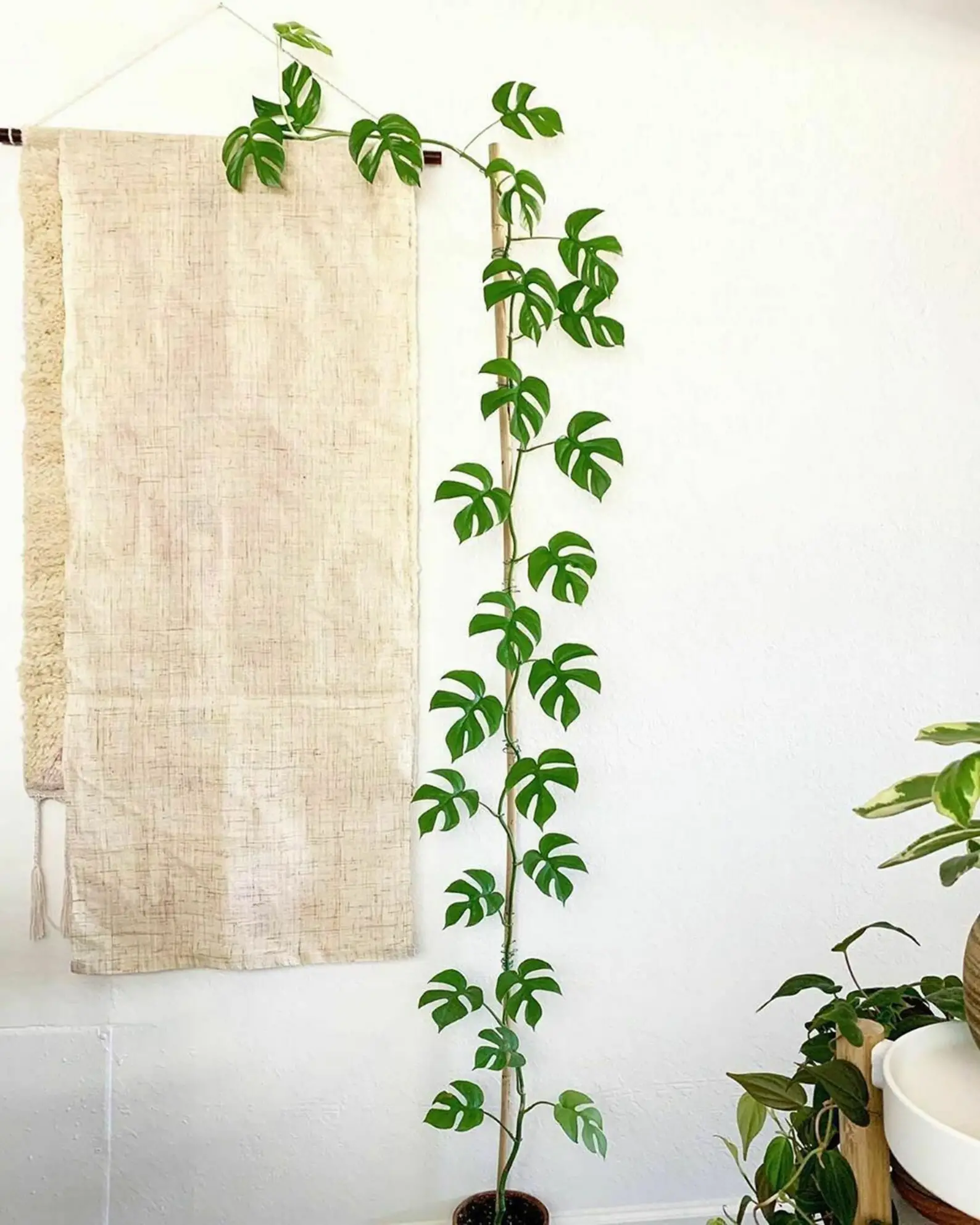
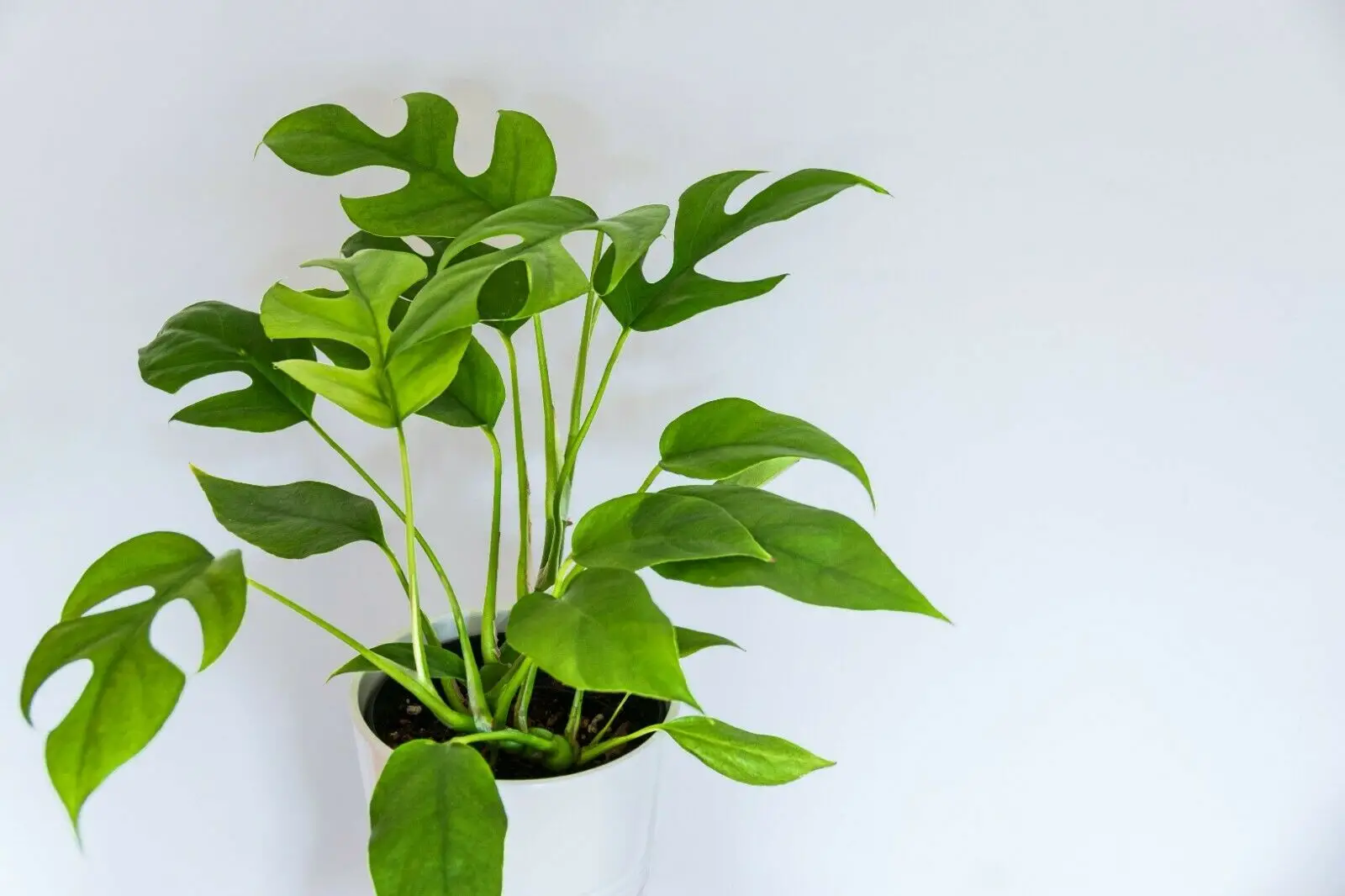
The mini Adam’s Rib is a rhizomatous vine with herbaceous texture and ornamental foliage, native to southern Thailand and Malaysia. It has stood out in the decoration of interiors, mainly for bringing the pattern of the Adam’s Rib (Monstera Delicious). It has leathery, dark green, shiny leaves with the characteristic indentations and holes. The young and small leaves often lack the characteristic indentations, making it look like a common philodendron, especially if the plant is receiving low light. The stem is voluble and little branched and behaves like a philodendron, climbing on supports, or with a pendant feature. It emits adventitious roots at the nodes that allow it to attach to the support. It blooms in spring and summer.
Its handling is considered even easier than the Adam’s Rib, but it is still difficult to find the mini-monster in flower shops, although the demand is increasing. It gives an “Urban Jungle” touch, very tropical and stripped down to the decor, which makes it a favorite of many decorators and architects today. Like other species of the genus Araceae, the mini-adam’s rib is a very rustic plant and resistant to pests and diseases. It has calcium oxalates in its leaves that make it toxic to humans and domestic animals but at the same time protect the plant from slugs, caterpillars and a multitude of pests common to other species.
Germination Guide
🌍 Malaysia and Southern Thailand
Easy
Rhaphidophora tetrasperma, commonly known as Mini Monstera, is a tropical climbing vine from Malaysia and Southern Thailand. Seeds are not considered hard to germinate but are difficult to obtain due to limited fruit production indoors and scammy seed sellers online.
Germination
Germination time
Expect germination in
14 – 30 days
Temperature
Min 24°C
Ideal 27°C
Max 30°C
Substrate moisture
💧💧 High
Sowing depth
Lightly covered
Substrate & Container
Recommended substrate
peat moss, perlite, and vermiculite in equal parts or peaty potting mix
Recommended container
Small containers with drainage holes, seed-starting tray, or nursery pots
Growing Tips
Keep humidity at 70% or above. Maintain consistent moisture in soil (damp but not soggy). Provide bright indirect light after germination. Cover container with plastic wrap or dome to maintain humidity during germination. Seeds prefer warm, humid environment. Typical germination takes 2-4 weeks. Seedlings develop unfenestrated leaves initially and are ready for transplanting after 4-6 months when 2-3 true leaves appear.
Only logged in customers who have purchased this product may leave a review.


Reviews
There are no reviews yet.