Description
Imagine harvesting your own bamboo culms for the loom, the weaver’s workbench, the artisan’s studio. Schizostachyum funghomii is the weaver’s bamboo, the maker’s plant, the living source of material for anyone serious about traditional fiber arts.
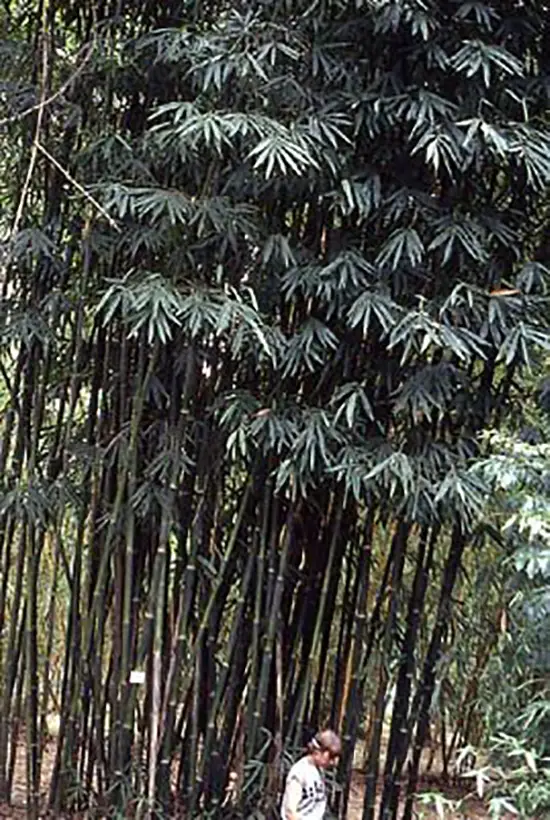
Native to the highlands of Southeast Asia—from Yunnan to Arunachal Pradesh—this striking clumping bamboo has been harvested for centuries by artisans who understand its value. Unlike invasive running bamboos, this species forms a controlled, dense clump of magnificent stems that rise like natural sculpture in your garden. It’s non-invasive, respectful of boundaries, and utterly captivating.
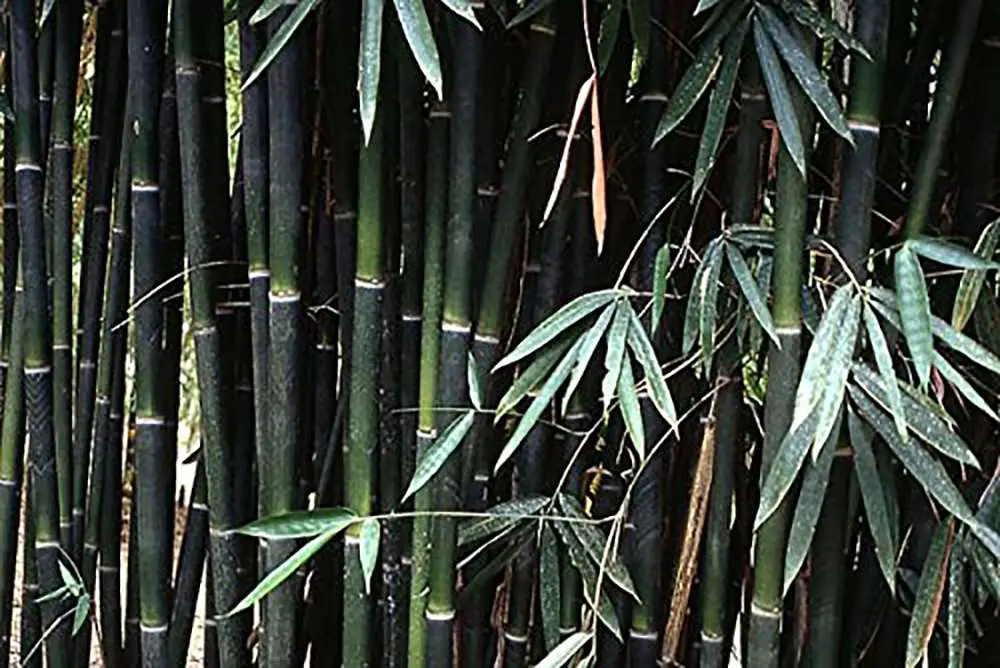
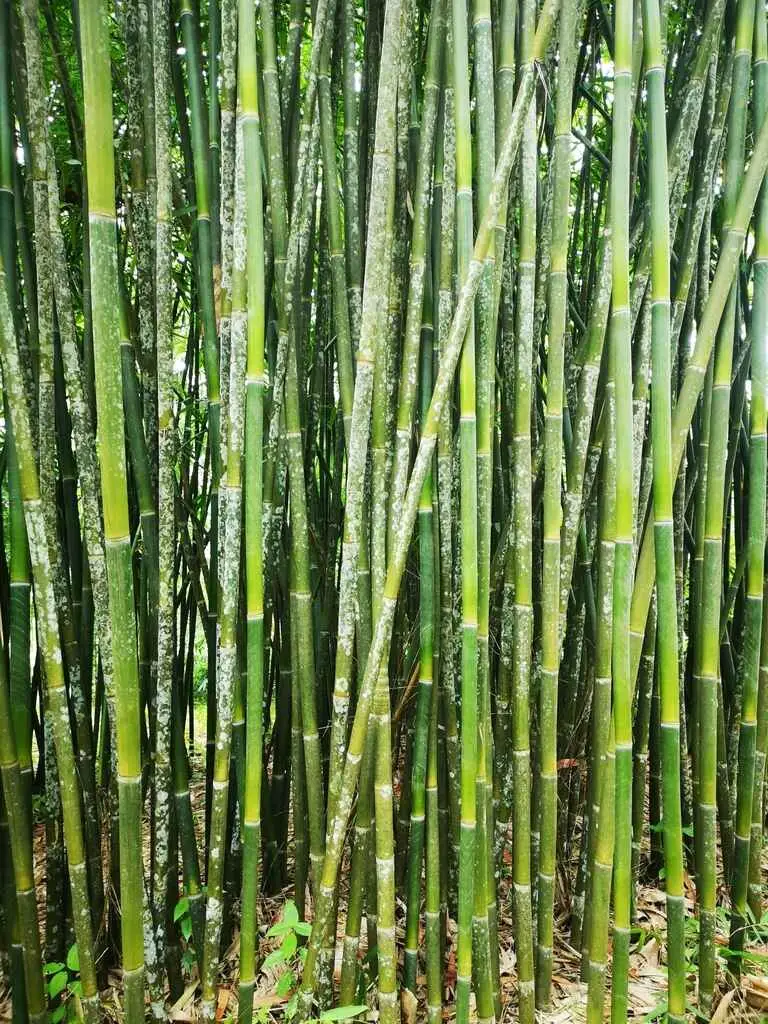
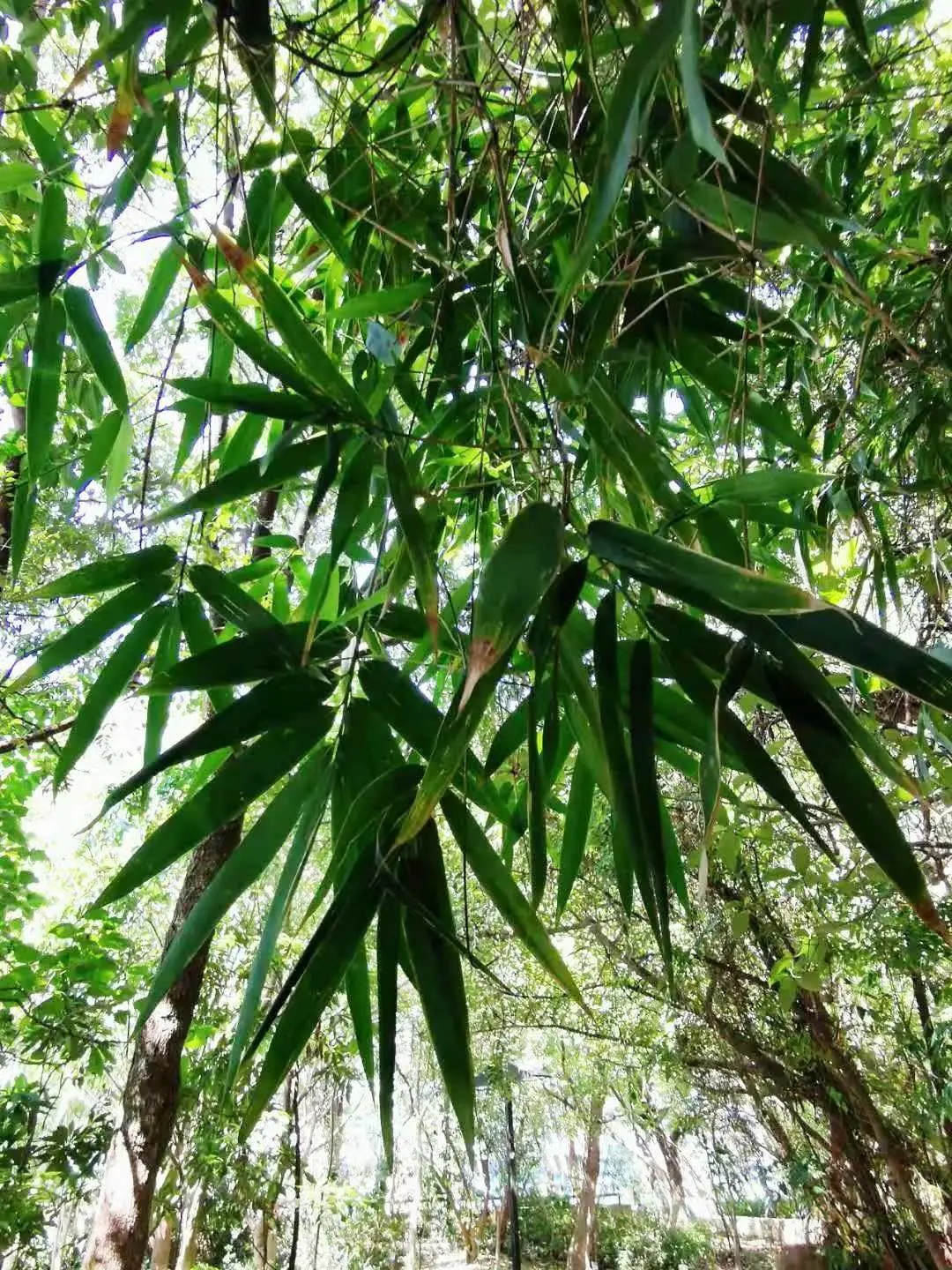
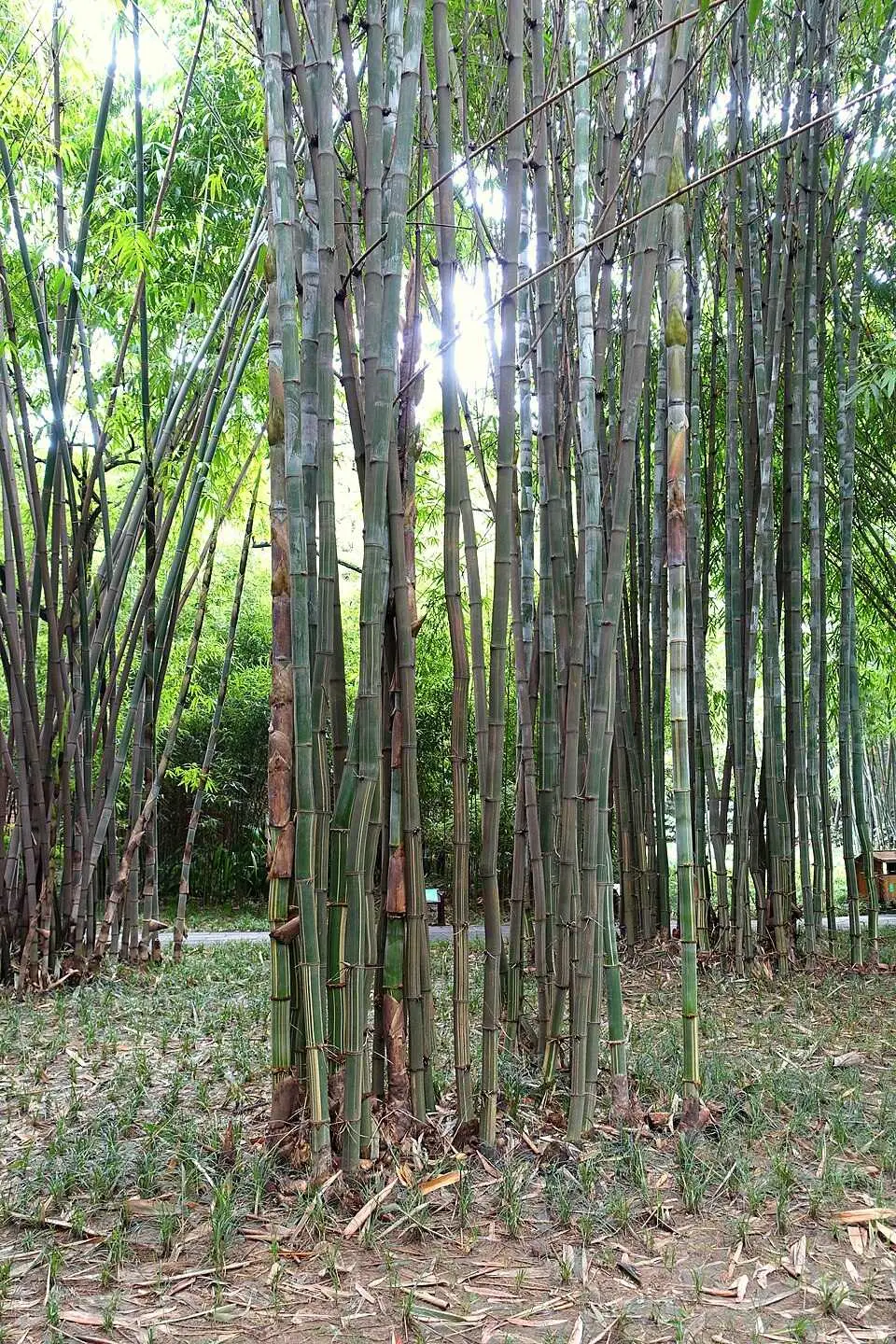
What makes Schizostachyum funghomii extraordinary is its dual nature: ornamental splendor married to functional craft material. The culms are slender (4–10 cm diameter), incredibly lightweight yet strong, with thin walls that make them ideal for splitting, weaving, and basketry. Local artisans across Southeast Asia prize these canes for weaving baskets, rugs, and traditional crafts—materials that command premium prices at markets and galleries. Papermakers also treasure them for their fiber quality. When you grow this bamboo, you’re not just planting a garden specimen; you’re cultivating a renewable source of authentic craft material. Harvest what you need, and the plant regenerates year after year. For fiber artists, weavers, and makers seeking to reconnect with material culture, this is the plant that gives back.
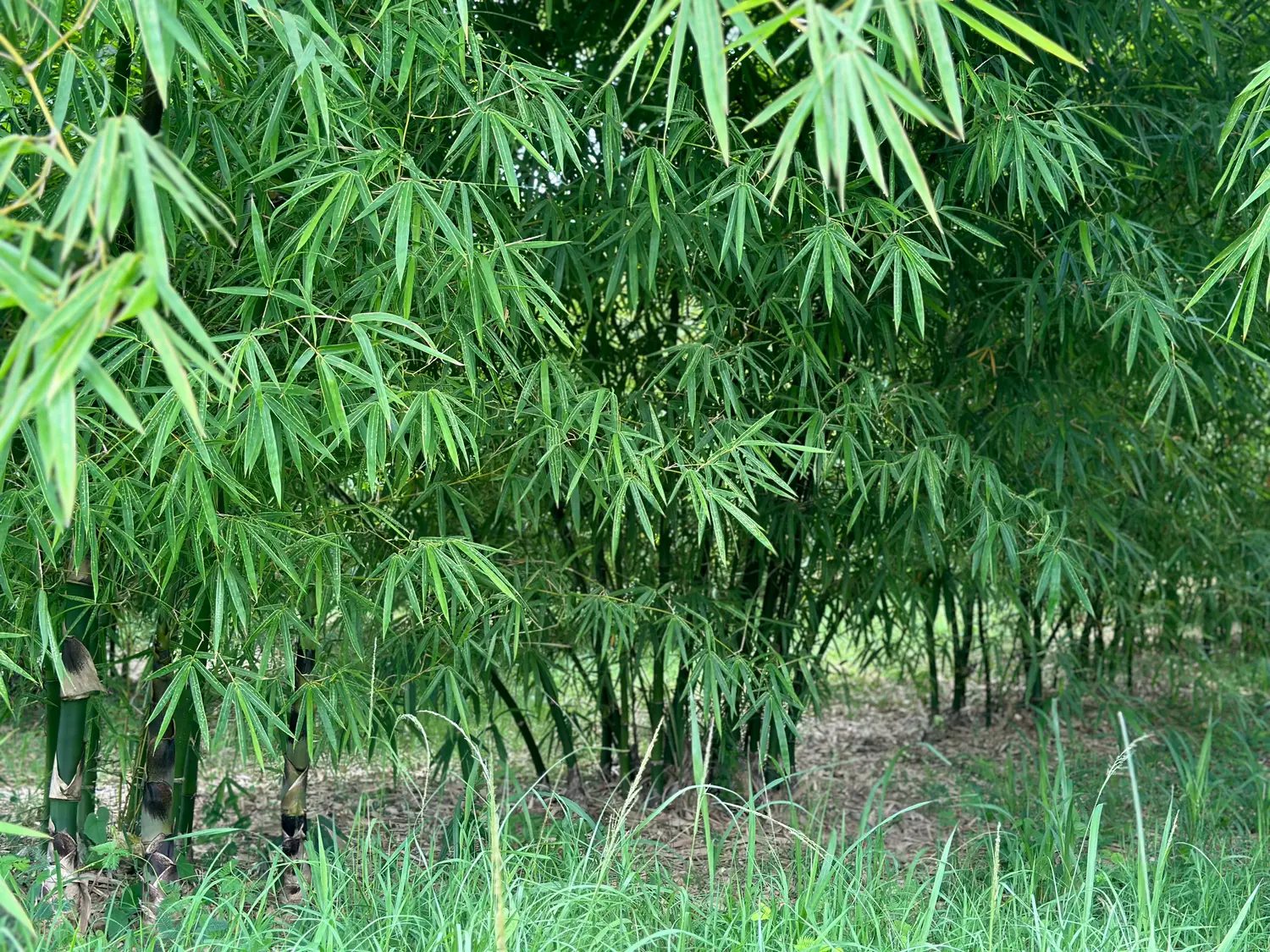
Growing Schizostachyum funghomii is straightforward and satisfying. It thrives in tropical and subtropical climates (or warm temperate zones if protected in winter) in moist, well-drained soil with either full sun or partial shade. The species shows impressive tolerance for various soil conditions—a forgiving nature that makes it perfect for gardeners new to bamboo. It prefers humidity and regular watering, particularly during the growing season; think of it as a tropical plant that rewards consistent moisture with vigorous, dense growth. In containers, it becomes a striking specimen plant for patios, studios, and studios—the powder-white culms glowing against the lance-shaped green foliage, drawing admiration from every visitor. This is a clumping bamboo, so no spreading worries; just gorgeous, controllable growth.
Grow Schizostachyum funghomii from seed and become part of a lineage of makers and artisans stretching back centuries. Watch your seedlings develop into mature culms, then harvest, weave, create, and grow again. This is more than horticulture; it’s a practice of self-sufficiency, beauty, and craft.
Germination Guide
🌍 Arunachal Pradesh, Yunnan, Guangdong, Guangxi, Vietnam, southern China
Moderate
Schizostachyum funghomii is a giant clumping bamboo species native to Southeast Asia (southern China), valued for its elegant appearance and versatile uses
Germination
Germination time
Expect germination in
7 – 21 days
Temperature
Min 20°C
Ideal 24°C
Max 28°C
Substrate moisture
💧💧 High
Sowing depth
Lightly covered
Substrate & Container
Recommended substrate
peat pellets or well-draining potting mix
Recommended container
plastic pot
Growing Tips
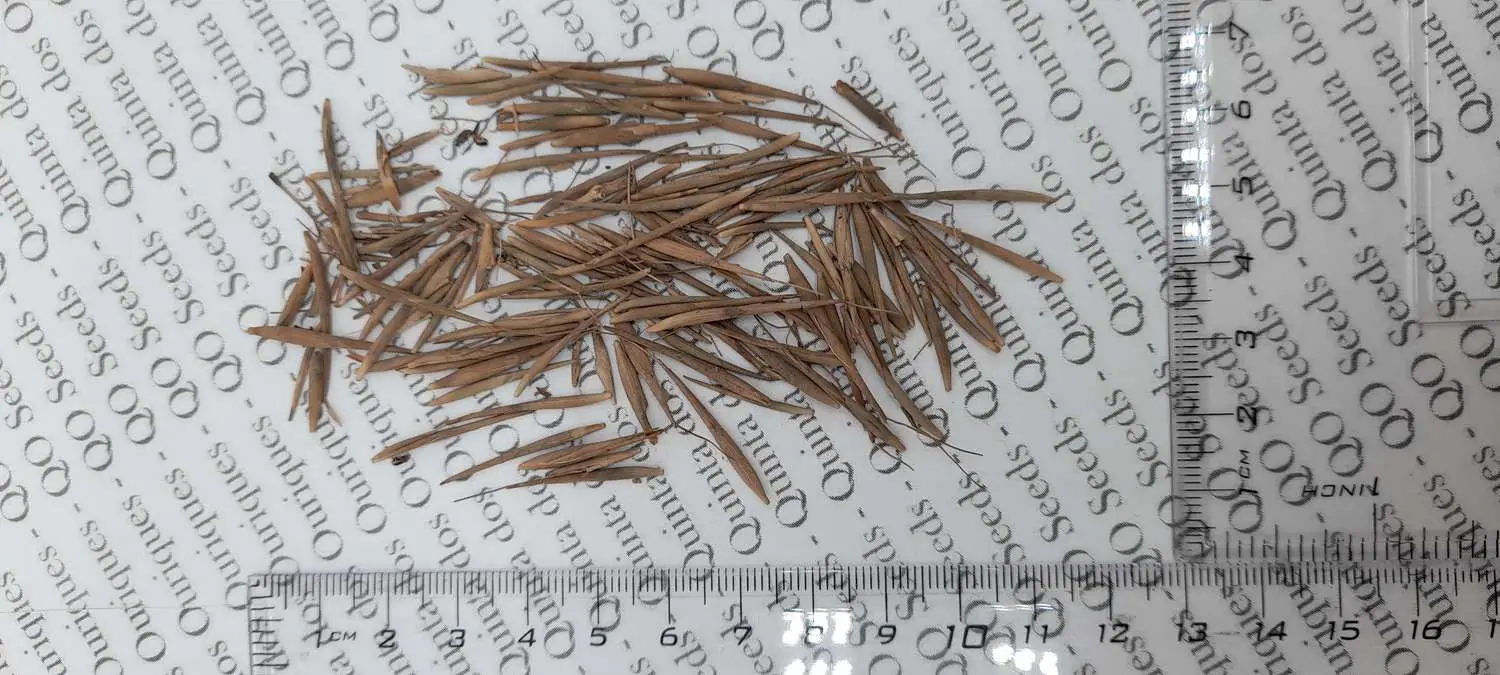
Use fresh seeds as bamboo seed viability drops rapidly, often within weeks. Maintain moist conditions throughout germination. Seeds should be covered with a thin layer of peat (approximately 2mm). Propagation is typically done by rhizome division which is more reliable than seed
Only logged in customers who have purchased this product may leave a review.


Reviews
There are no reviews yet.