
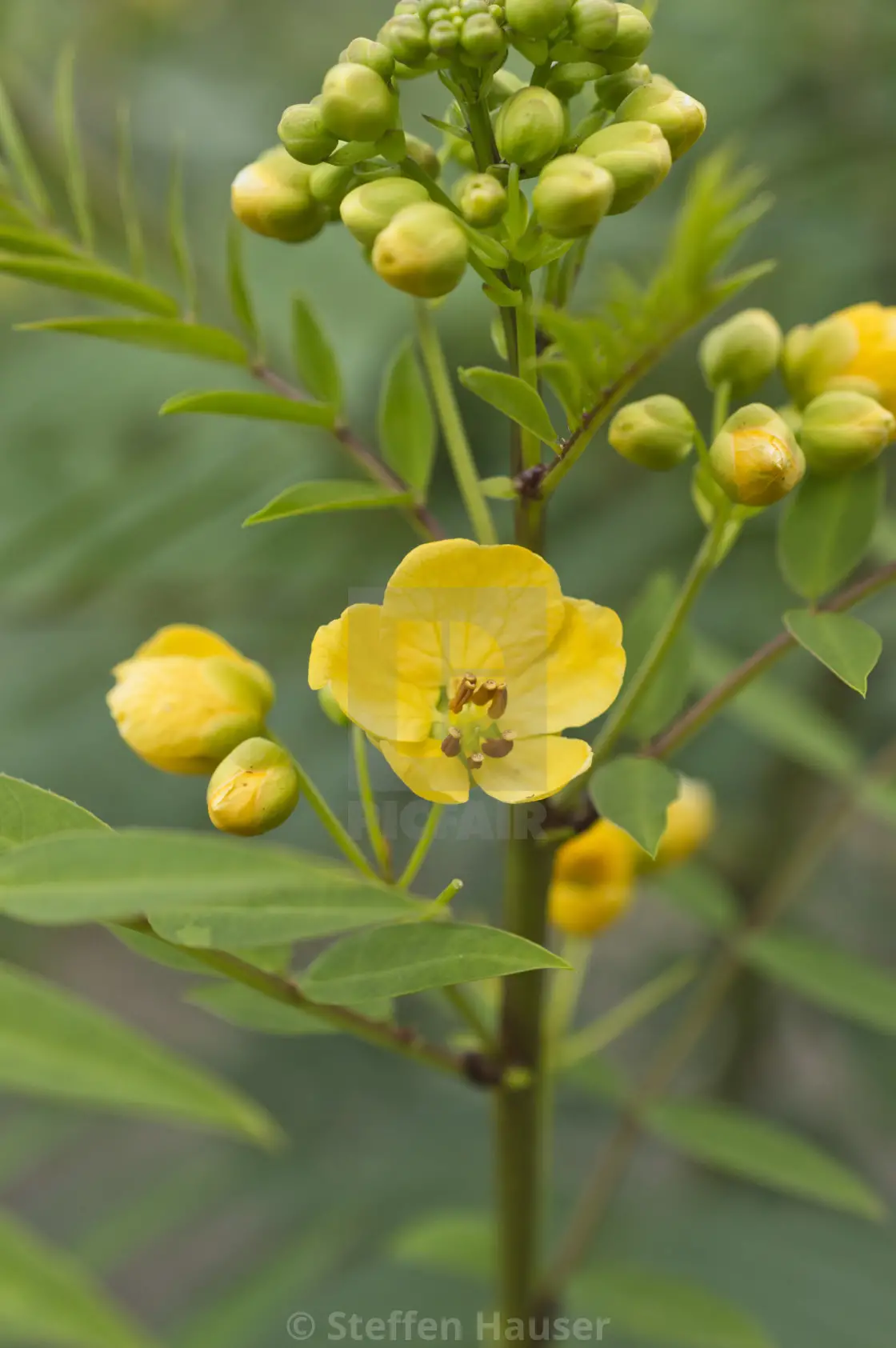
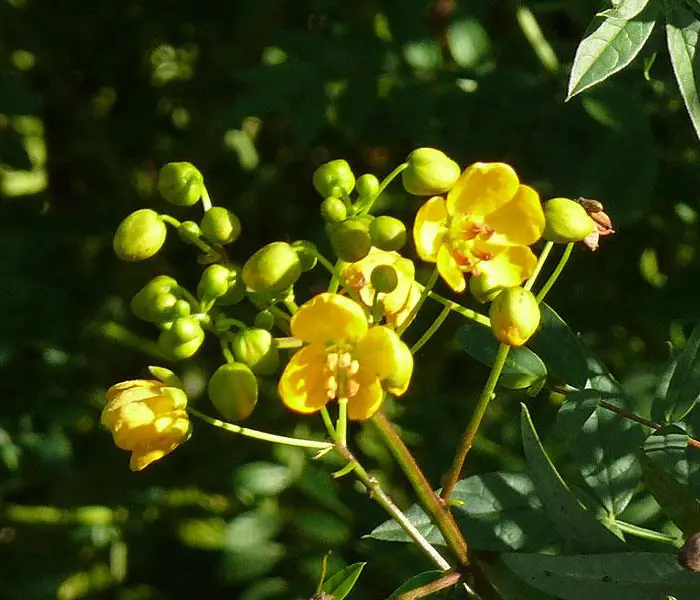
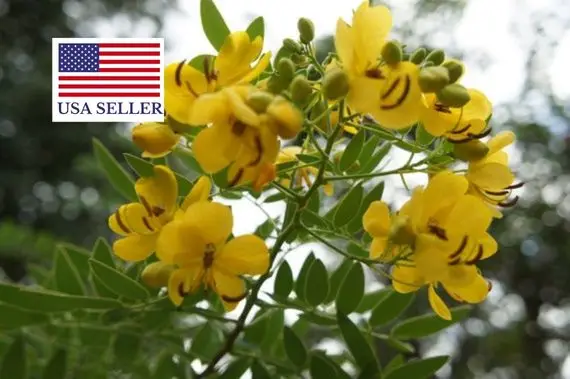
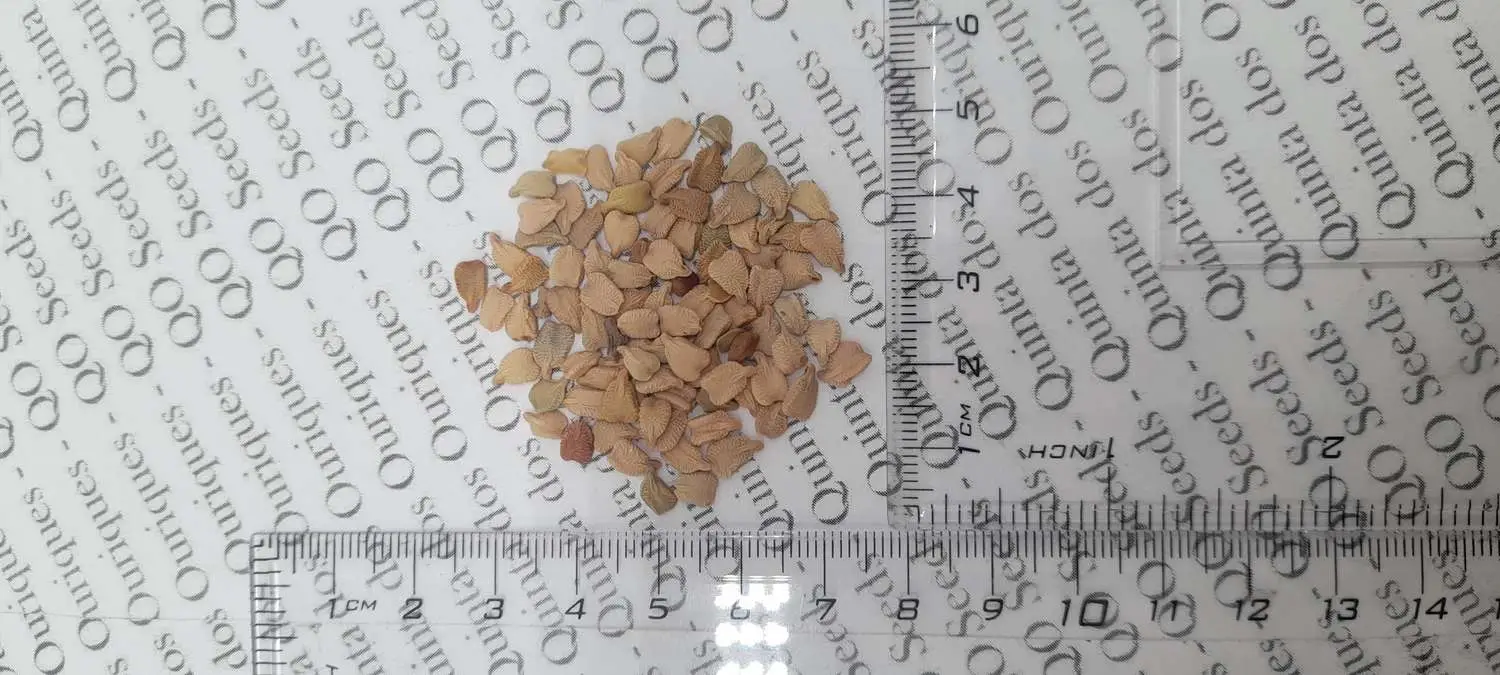
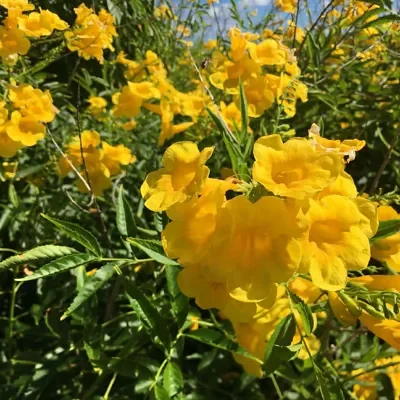
For 3,000+ years, healers have treasured this shrub for one gift: potent, reliable relief. Senna alexandrina grows easily in sun and well-drained soil, rewarding you with golden-yellow flowers while its legendary leaves and pods become your herbal treasury. Steep, dry, or steep—this is the plant apothecaries built empires on. Grow your own medicine. Start from seed today.
€1.92
There is a plant that pharaohs prescribed, Arabian physicians exported across continents, and modern herbalists still reach for when nothing else moves the needle—and it grows from a single seed in your pot.
Senna alexandrina is native to the arid regions of North Africa and the Arabian Peninsula, particularly the scorching deserts of Egypt and Sudan, where it thrives in some of the world’s harshest conditions. This resilience is encoded in its DNA. What makes it legendary, however, is not just survival—it’s medicine. For over three millennia, this shrub has been the gold standard in herbalism. The ancient Egyptians recorded its use in the Ebers Papyrus (circa 1550 BCE). By the 9th century, Arab physicians were exporting it along the Red Sea trade routes, and it became so synonymous with Alexandria’s spice markets that it earned the name “Alexandrian Senna.” Medieval European doctors studied Arab physicians to understand how to use it. Today, it remains an FDA-approved, over-the-counter laxative in pharmacies worldwide.
But here’s what makes growing Senna alexandrina from seed a revolution: you become the source. The plant’s power lies in its leaves and seed pods, which contain sennosides A and B—remarkable compounds that work gently but unmistakably. Unlike harsh synthetic alternatives, sennosides work with your body’s own systems, stimulating natural movement with a reliability that has stood the test of millennia. A single steep of dried leaf becomes an herbal infusion; a handful of pods creates a potent decoction. You harvest what apothecaries charge premium prices for. You own the recipe. Traditional herbalists pair senna leaves with ginger or licorice to balance its strength. Modern herbalists respect it as a climacteric tool for occasional constipation, digestive sluggishness, and bowel preparation before medical procedures. Ayurvedic practitioners know it as a cooling, downward-moving force. This is not a supplement—this is a working plant, and it works.
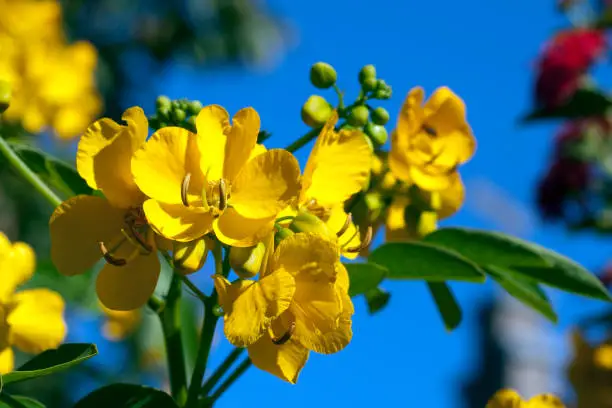
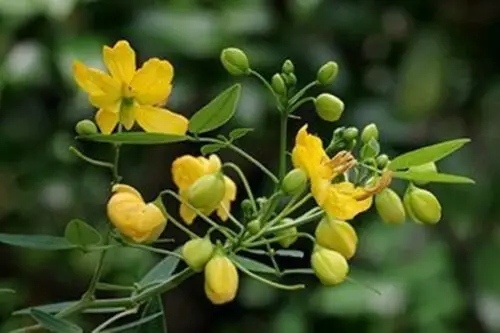
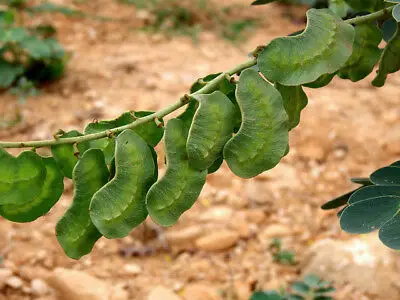
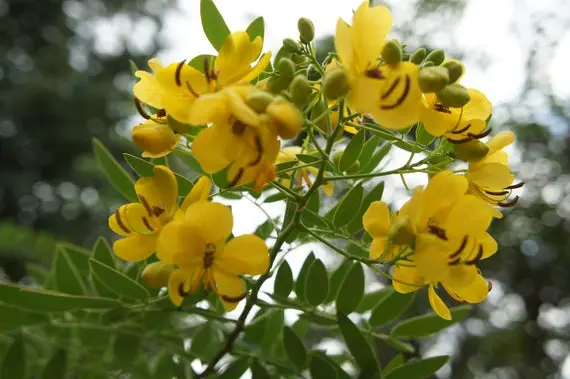
Growing Senna alexandrina is forgiving enough for any gardener. It demands full sun and well-drained, sandy or loamy soil—conditions most climates can provide. It is drought-tolerant once established, thriving in warm to tropical zones, and can even grow in containers in marginal climates if you bring it indoors during frost. Water moderately; let it dry between waterings. It does not tolerate waterlogging. The plant is naturally pest-resistant and belongs to the legume family, meaning it enriches the soil around it with nitrogen—a gift to neighboring plants. Expect golden-yellow flowers in delicate racemes, alive with bee and butterfly traffic. Feathery, compound leaves unfold into soft green towers. And within months, you’ll see the flat pods forming—the very pods that have been dried and shipped by camel across deserts for centuries. You’re not just growing a plant; you’re becoming part of an unbroken chain of healers.
Imagine walking into your own garden, snipping a handful of leaves, and knowing—truly knowing—that what you’re about to brew has the power to restore balance to your body. No guessing about quality. No middleman. No waiting. This is herbalism returned to its roots: you, the seed, the soil, and the ancient wisdom encoded in a plant that refuses to fail. Senna alexandrina grows from seed with patience but without fuss. Start yours today, and in months you’ll have a living pharmacy that works.
Only logged in customers who have purchased this product may leave a review.
Reviews
There are no reviews yet.