
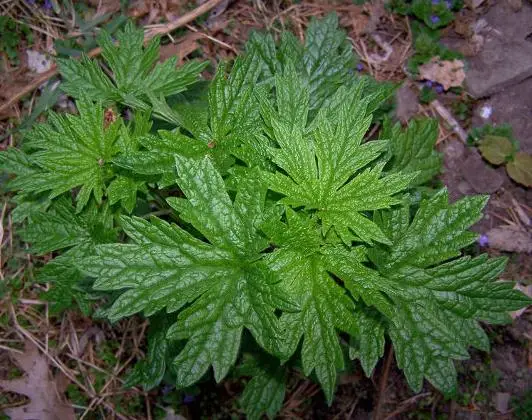
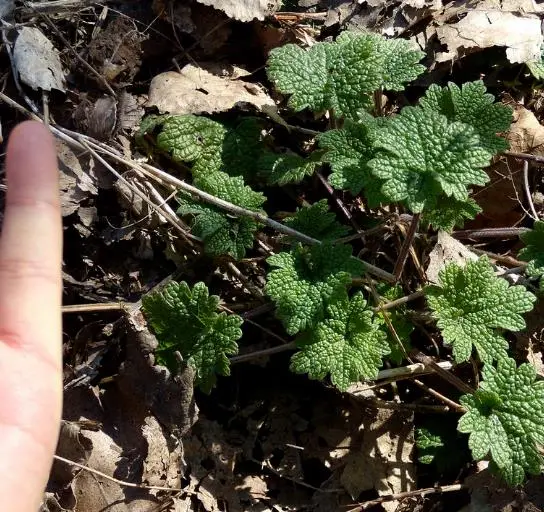
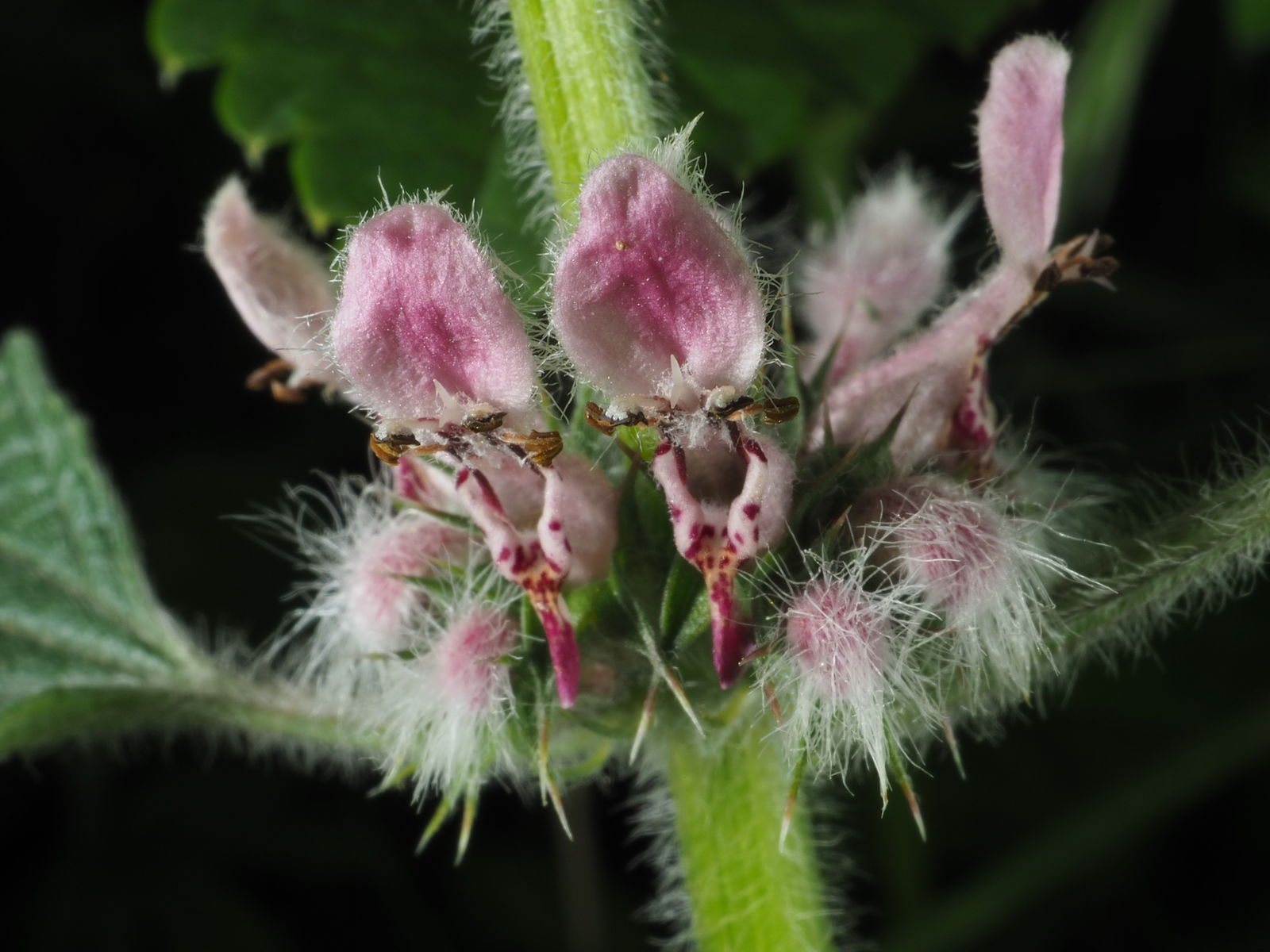
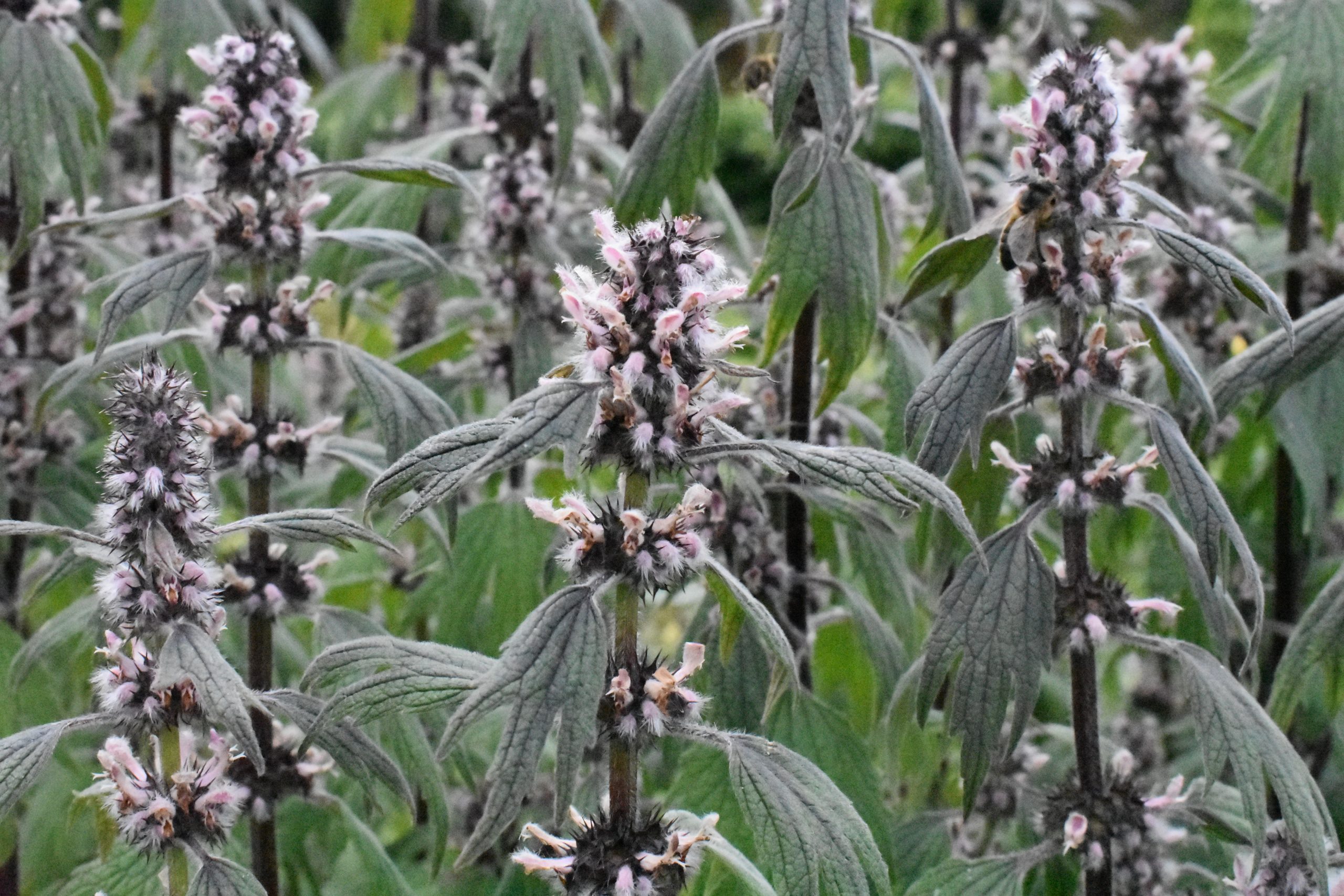
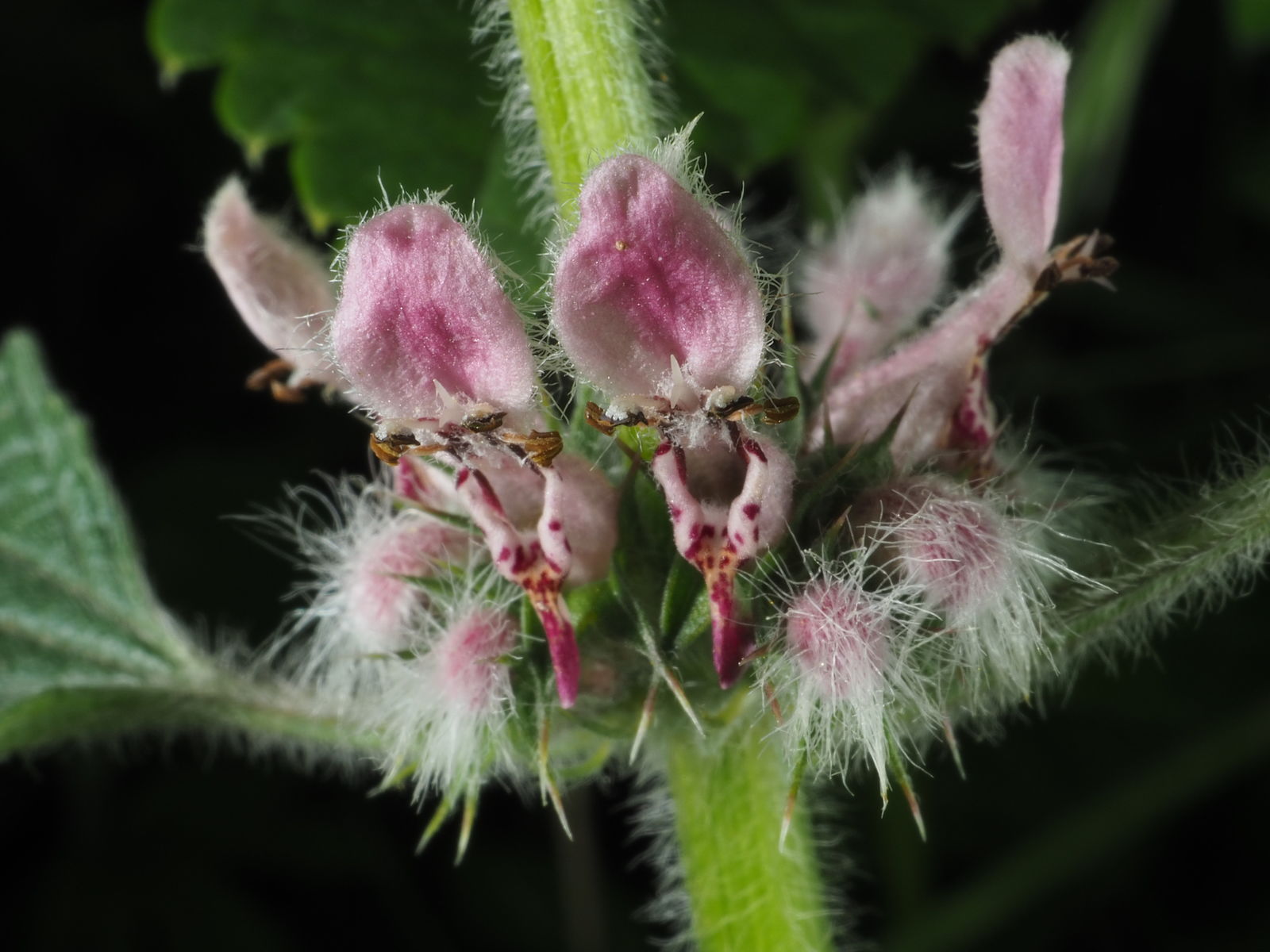
Botanical nomenclature: Leonurus cardiaca
Common name: Heart Balm, Motherweed, Motherwort, Lion Rubber, Heart Agripalma
Origin: europe
Height: 1.00 – 1.50 meters
Luminosity: partial shadow, full sun
Kingdom: Plantae
Clade: Tracheophytes
Clade: Angiosperms
Clade: Eudicots
Clade: Asterids
Order: Lamiales
Family: Lamiaceae
Genus: Leonurus
Species: L. cardiaca
€4.11
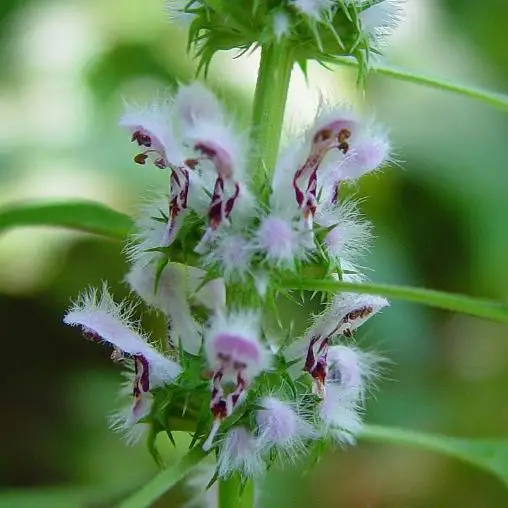
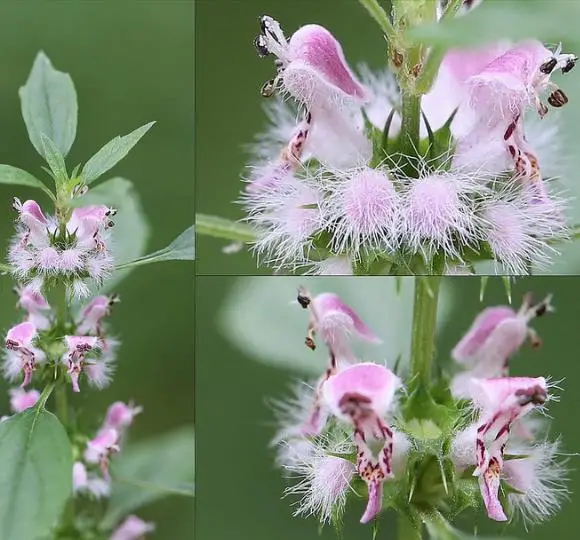
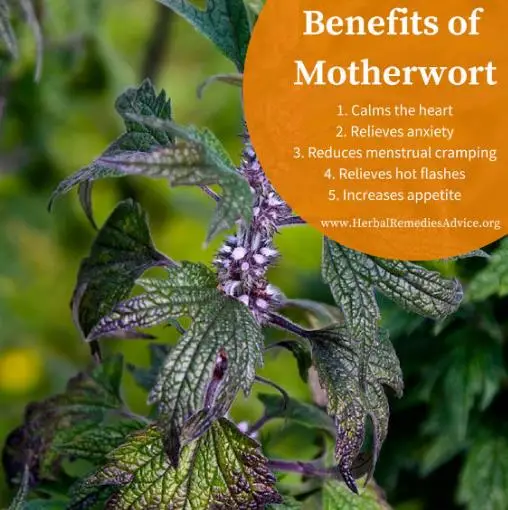
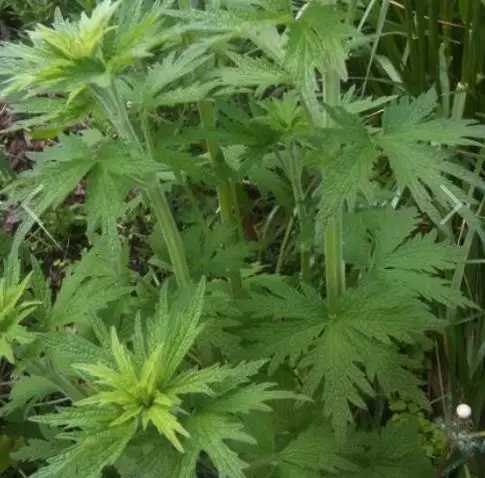
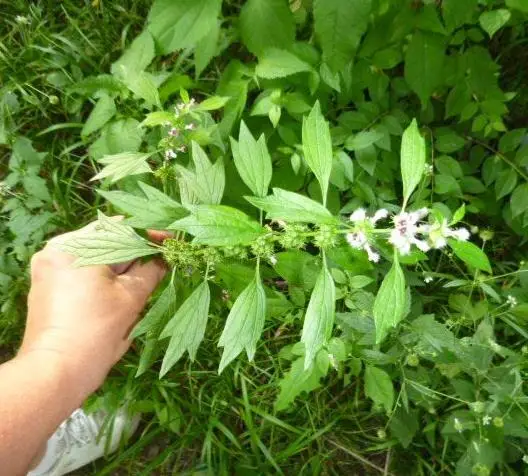
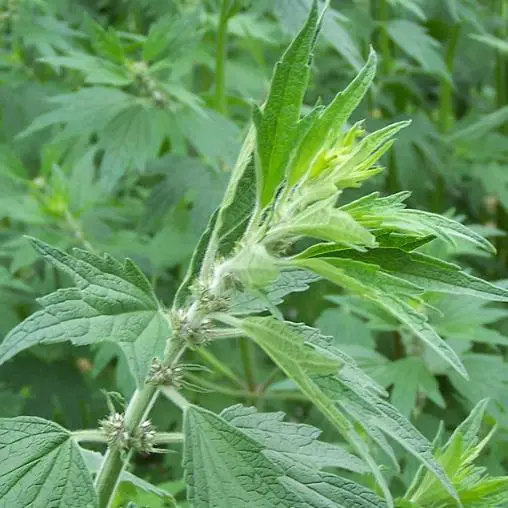
Mother herb or balm of the heart is the common name in north america for that herbaceous perene of the honey family that generally grows between 1 meter and 1.50 meters of height. It is native from south east of europe and central asia, but with time was introduced in many countries around the world, is now found in great part of the usa, mainly outside roads, forest margins, disturbed areas and residual areas.
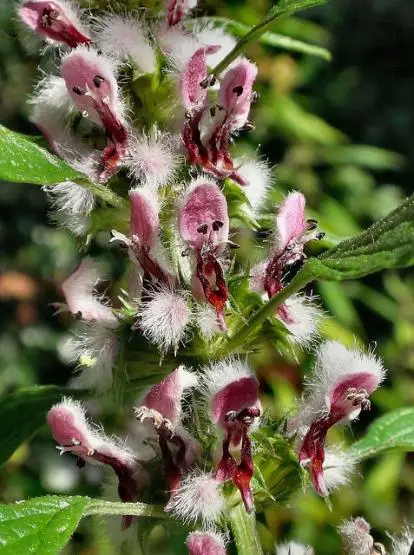
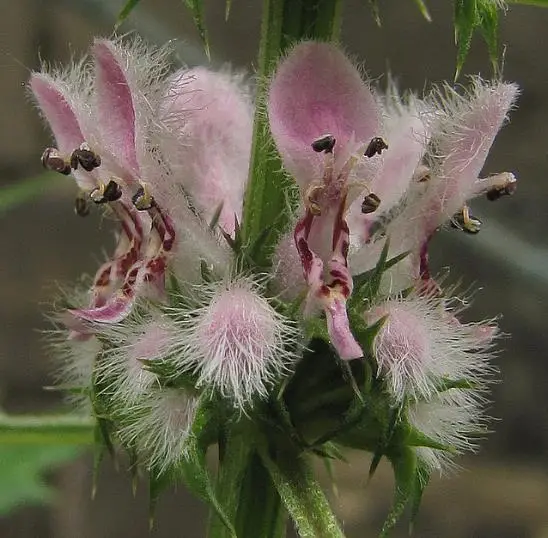
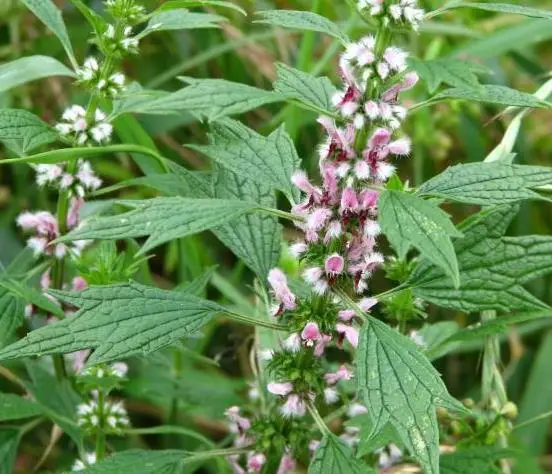
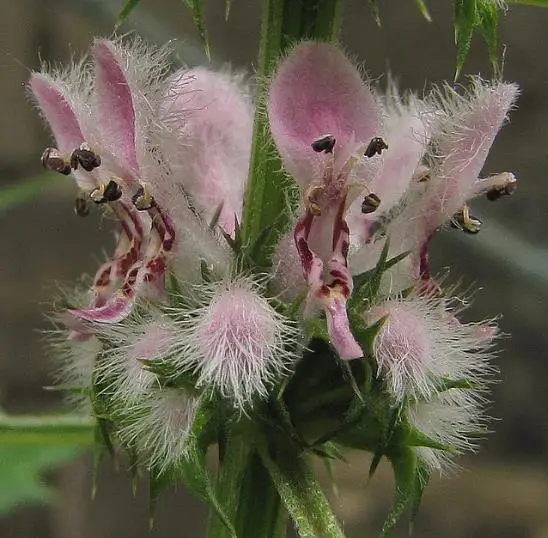
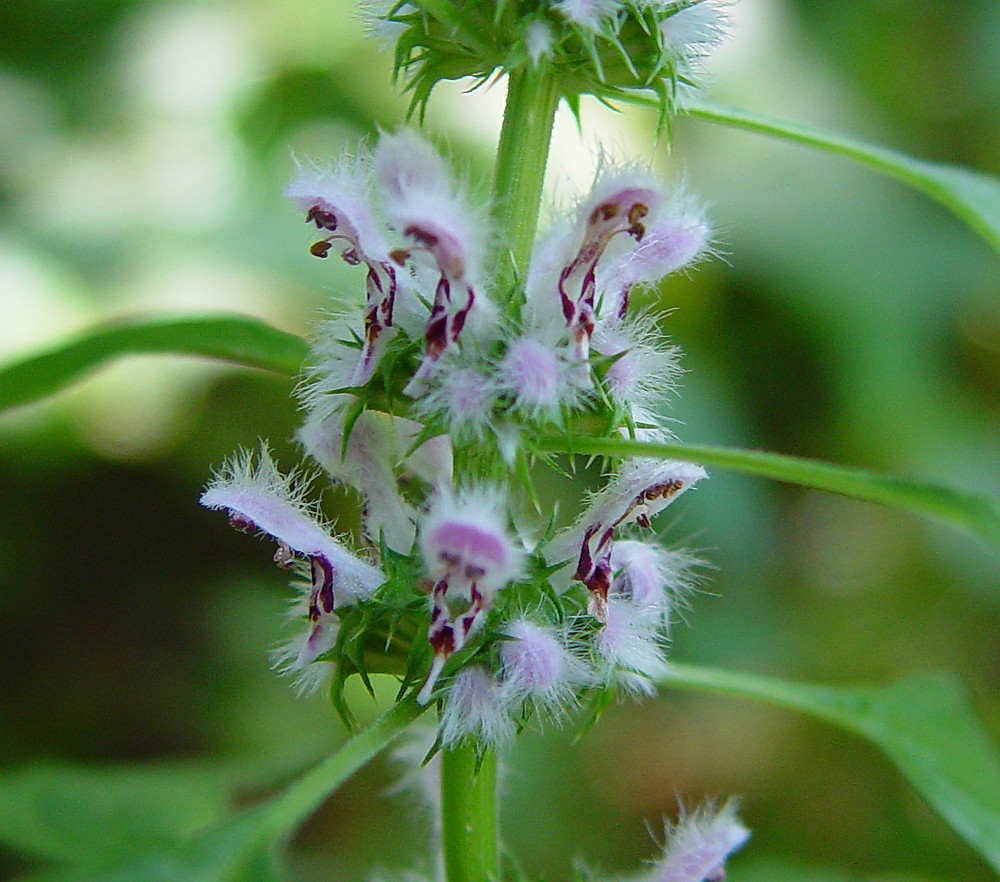
Flowers small, sixteen, lilas-pink with tubular cordles of 2 lips flow from june to september in rosetas aninhadas in the axilles of leaves. The species are hermafrodite (it has male and feminine organs) and is pollinated by bees.
In europe, it was administered as a remedy for menstrual census and high arterial pressure reduction, already recognized by their adstringent and silent properties.
Mother era is considered more effective in reducing blood pressure than valeriana (valeriana officinalis). Moreover, the content of vitamins (a) and (c) in their composition also increase their beneficial effect. Another characteristics is to support in cases of accelerated heart rate, tachycardia (especially caused by situations of anxiety, stress and tension) and irregularities in the rhythm of the heart, as well as for reduction of blood coulins (trombos). May also be used for cardiac irregularities caused by excess of tireoid stimulation. (hypertreoidism and tireotoxicosis).
Cardiac leonurus contains acids (citric, malic and oleic acid), alkaloids, carbohydrates, phenol-glycosides, flavonoids, iridoides, tanins and terpenoids.
The species are not demanded as to planting soil and can grow on nutritionally poor soils. May grow in partial shadow or full sun. Prefer only with good ummity and that promotes good drainage.
Edible applications:
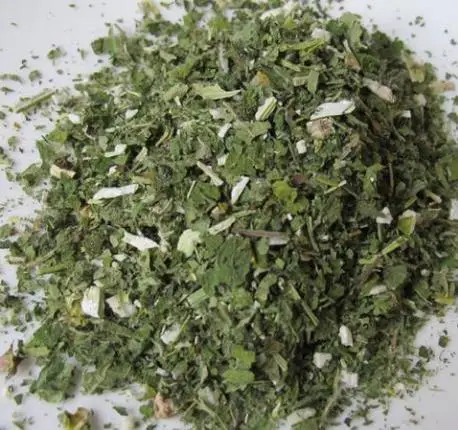
Fresh or dry flows can be used as a flavoring soup, especially lentils or peas. Them are also used as condiments in the beer. Fresh or dry flowers are used to make a tea.
Other uses:
A dark green-olive dye is got from leaves.
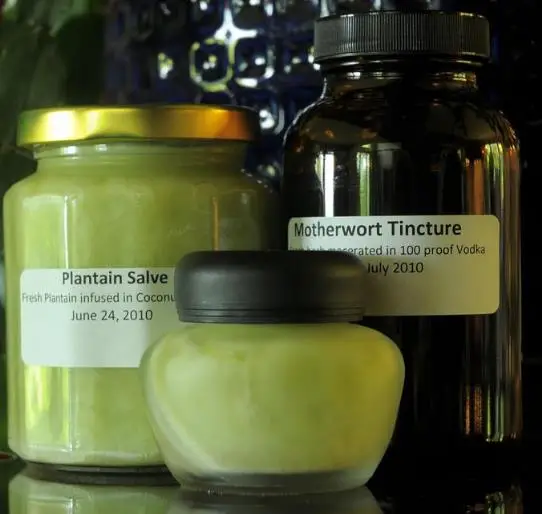
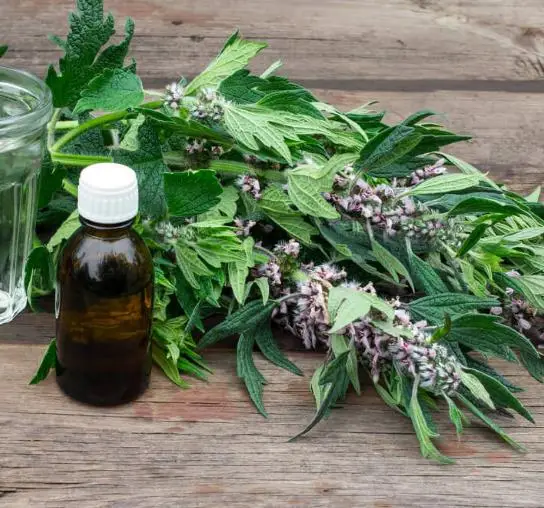
Leaves and flowers are used in phytotherapy
A plant of easy growth and that generally self-season when well adapted.
Only logged in customers who have purchased this product may leave a review.
Reviews
There are no reviews yet.