Description
Here stands one of history’s most economically transformative plants—the one that literally clothed the world in burlap, rope, and fabric, and continues to power sustainable industries across Asia, Africa, and beyond.
Corchorus capsularis, or white jute, is native to the humid tropics of China and the Indo-Burman region, but its story is one of global conquest. For over 2,000 years, this plant has been treasured in traditional medicine cabinets and kitchen gardens across South Asia. Yet it was only in the 1800s that the world truly discovered its potential: jute became the fiber that replaced flax and hemp, revolutionizing packaging, textiles, and commerce itself. Today, while India and Bangladesh remain its heartland, this shrub grows across tropical Africa, Southeast Asia, and even the Amazon—a living testament to human ingenuity in recognizing plant potential.
But here’s what makes C. capsularis irresistibly special: it produces the finest jute fiber known. This is the crown jewel of fiber production. Where Corchorus olitorius (tossa jute) offers quantity, C. capsularis offers QUALITY. The fiber emerges whiter, more lustrous, and finer than its cousin—superior enough that weavers, crafters, and manufacturers still demand it specifically. The bast fibers extracted from the unbranched stems are strong yet refined, suitable for everything from premium sacking and cordage to decorative wall hangings, carpet backing, upholstery yarn, and even antiseptic surgical dressings. This golden fiber is fully biodegradable and eco-friendly—a natural alternative to synthetics that aligns perfectly with the sustainable materials movement. Growing demand for sustainable textiles means fiber from your garden could literally supply a global industry hungry for authentic, traceable, ethical jute. You become part of the solution.
Yet jute’s value extends far beyond fiber. Young leaves and unripe fruits have been consumed as a vegetable—sometimes called molokhia—for thousands of years. These mucilaginous leaves are nutritional powerhouses: rich in protein, vitamins (especially carotenoids for eyesight), minerals including calcium, iron, and folic acid, plus bioactive compounds with traditional medicinal importance. In Ayurvedic practice stretching back 2,000 years, white jute leaves balance Kapha and soothe Pitta, used as a remedy for indigestion, fever, joint discomfort, and inflammatory conditions. Modern research confirms these traditional uses: leaf extracts exhibit potent antioxidant, anti-inflammatory, antipyretic, antimicrobial, and even antitumor properties. Weavers in Bengal historically noticed that preparing tea from young jute leaves eased their skin irritations and improved digestion—observation that became codified in regional folk medicine. You can harvest tender leaves continuously throughout the growing season, adding them fresh to salads, cooking them as a spinach substitute (excellent in hot climates where spinach bolts), or drying them for nutrient-dense tea. One plant gives you three harvests: fiber, food, and medicine.
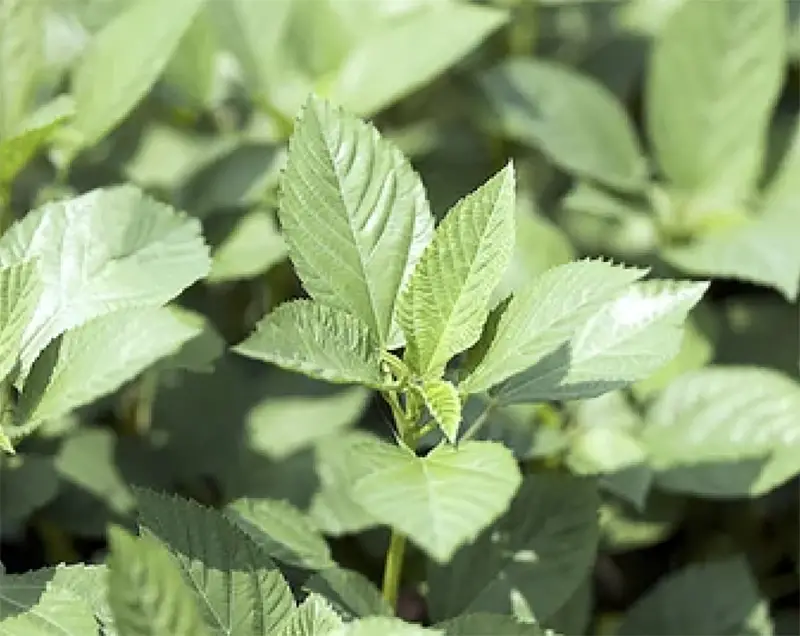
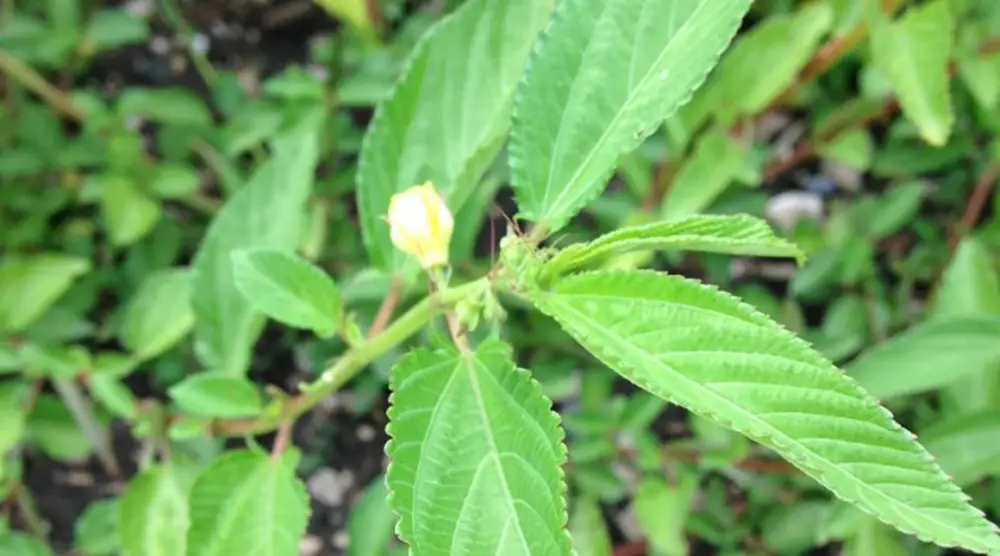
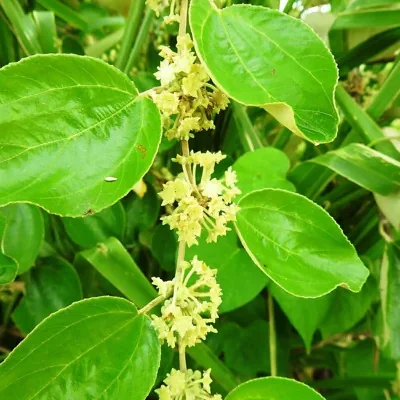
Cultivating Corchorus capsularis is remarkably straightforward. This tropical annual thrives in warm, humid conditions with full sun exposure—aim for at least 6–8 hours of direct sunlight daily. It prefers fertile, well-draining soil rich in organic matter and responds beautifully to balanced fertilization. Water regularly to keep soil moist but not waterlogged; the plant actually tolerates temporary flooding, which is one reason it’s preferred in lowland cultivation areas prone to seasonal inundation. Growing from seed is reliable and swift: stems are ready for fiber harvest in just 80–150 days, while leaves can be picked continuously long before. In tropical climates (20–37°C optimal, though it tolerates 13–45°C), the plant reaches 2+ meters with minimal intervention. Even in subtropics and warmer temperate zones, success is achievable. The erect growth habit and simple ovate leaves create an attractive,


Reviews
There are no reviews yet.