
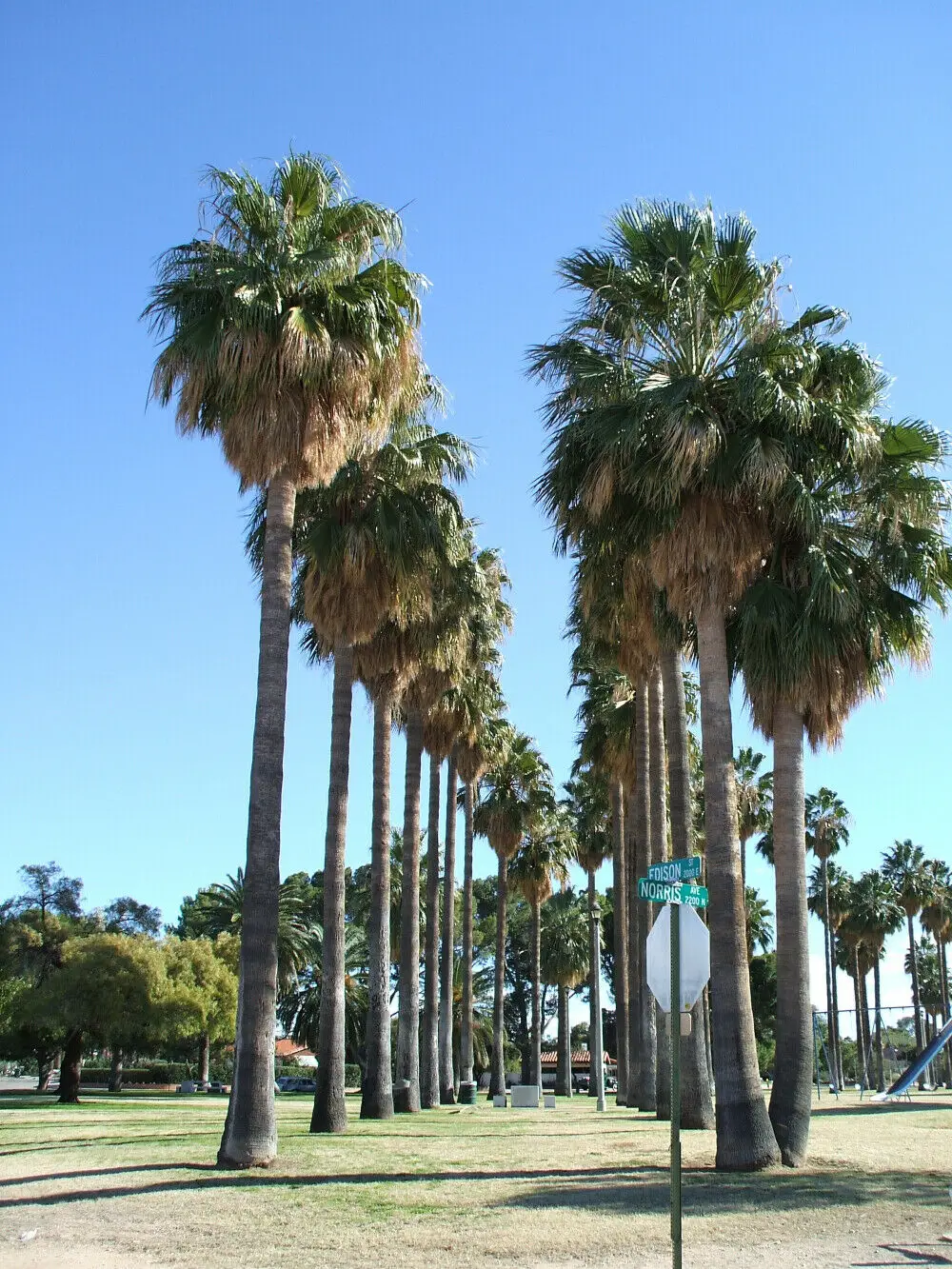
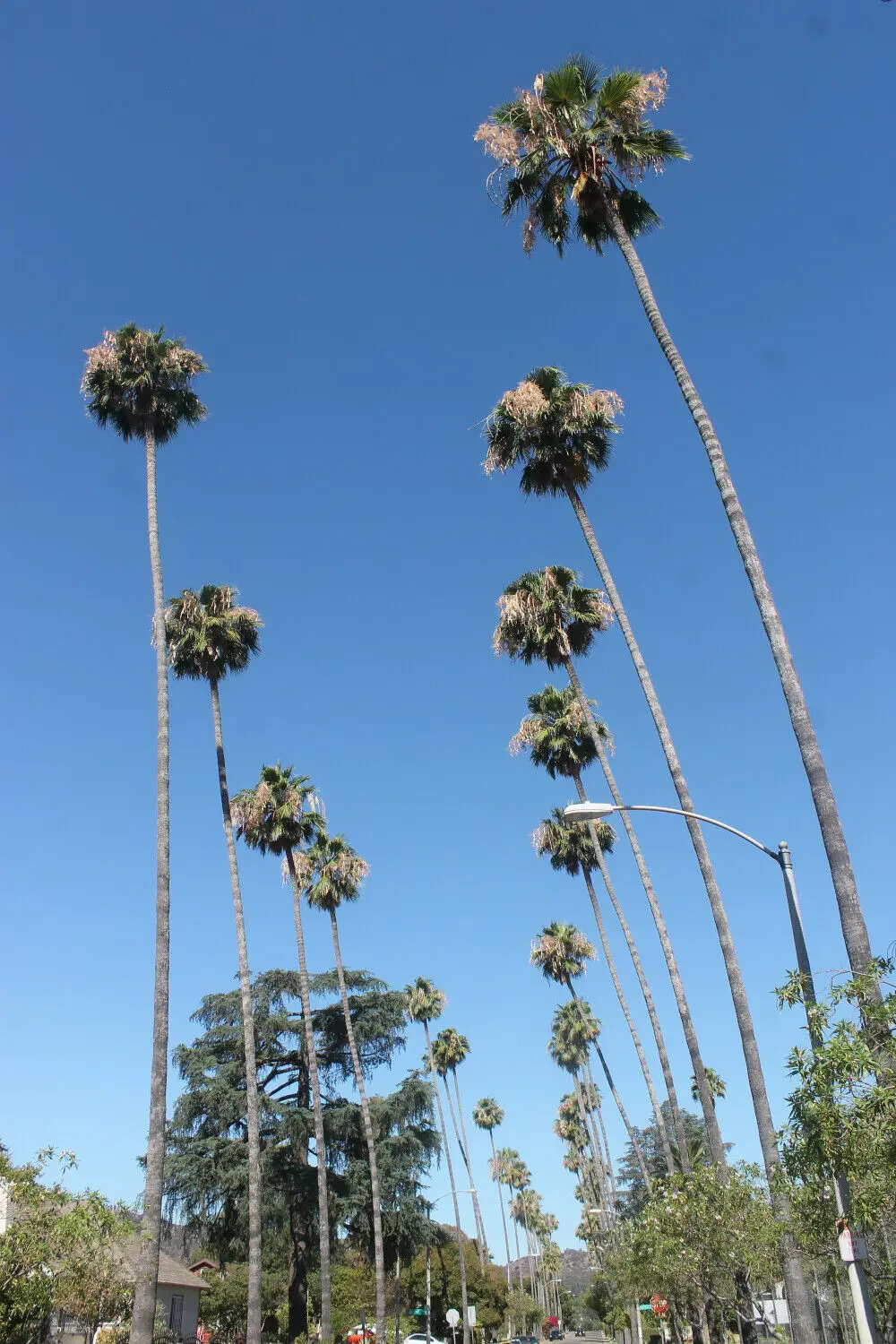
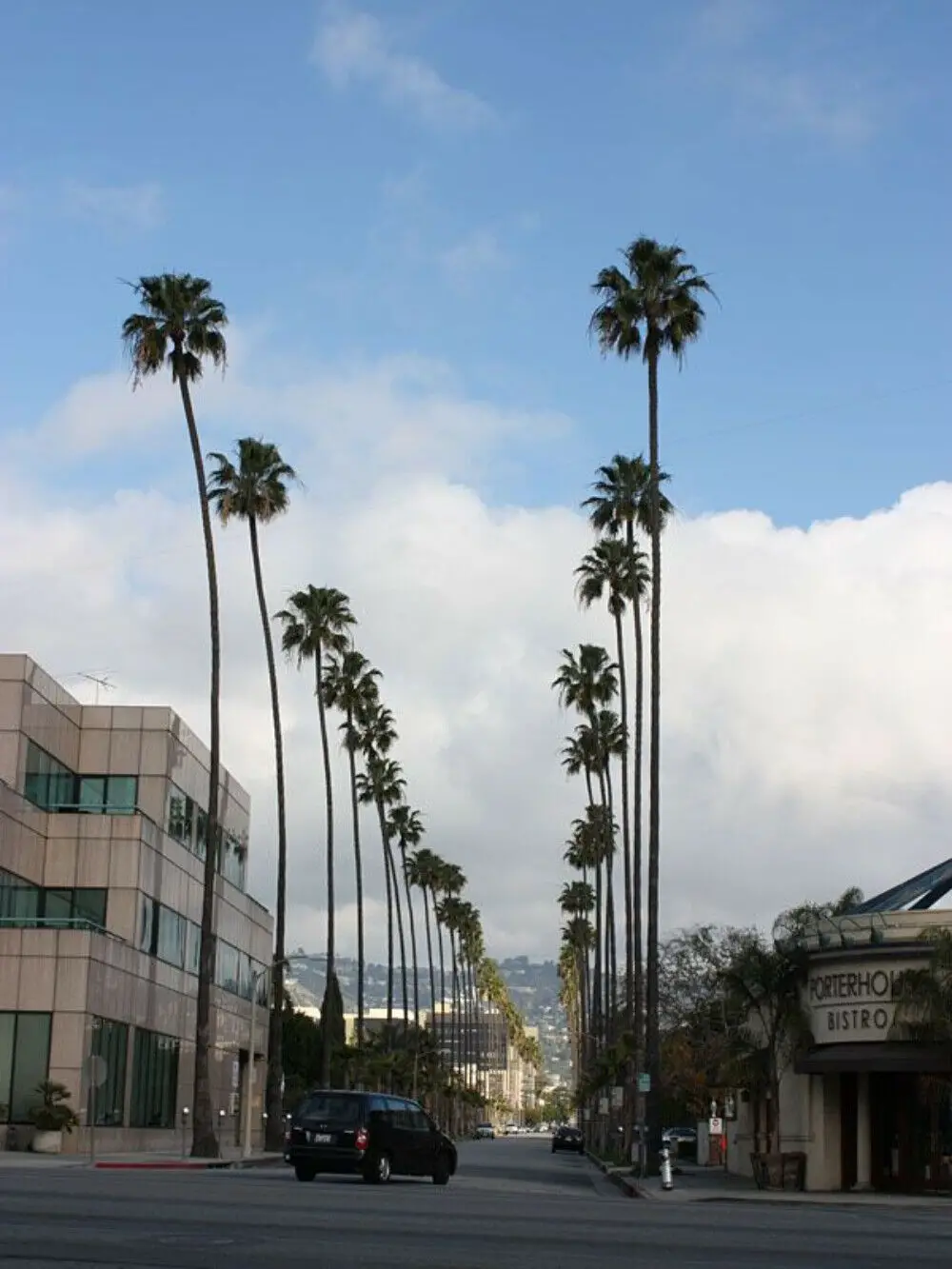
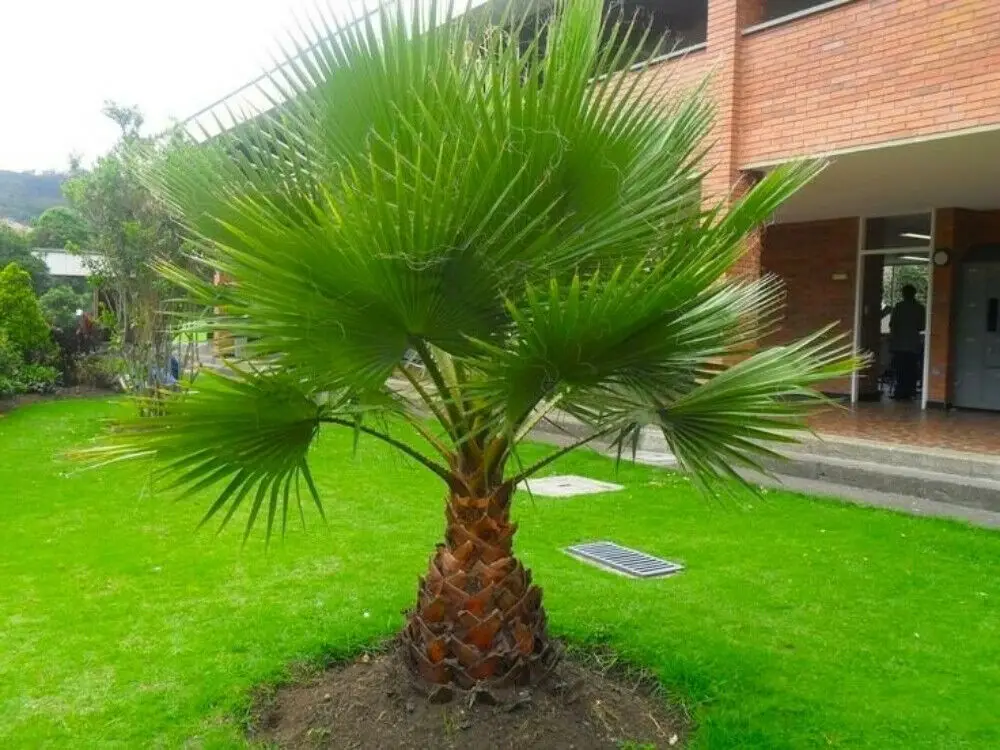
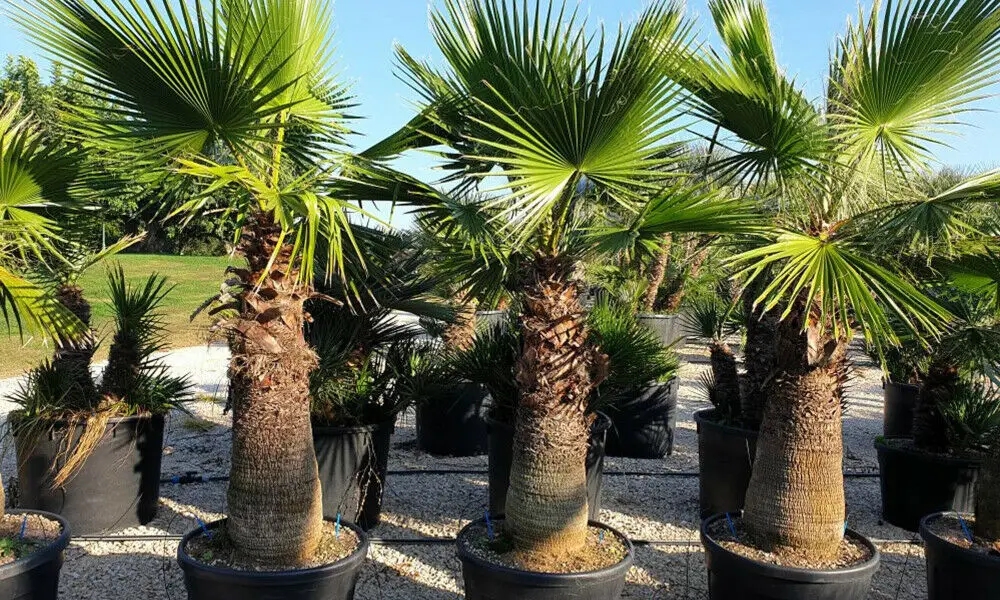
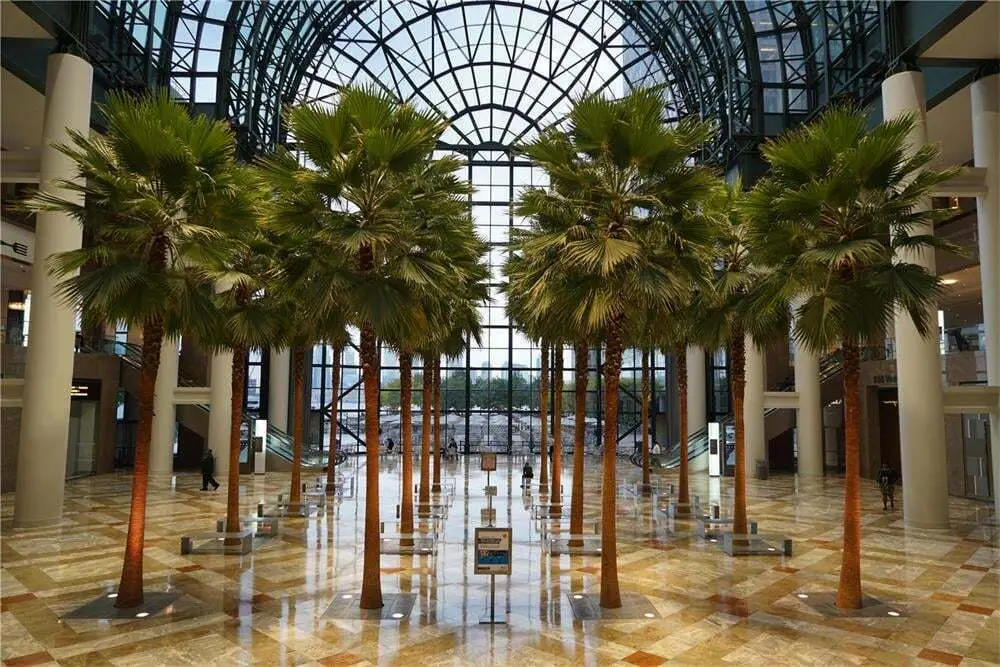
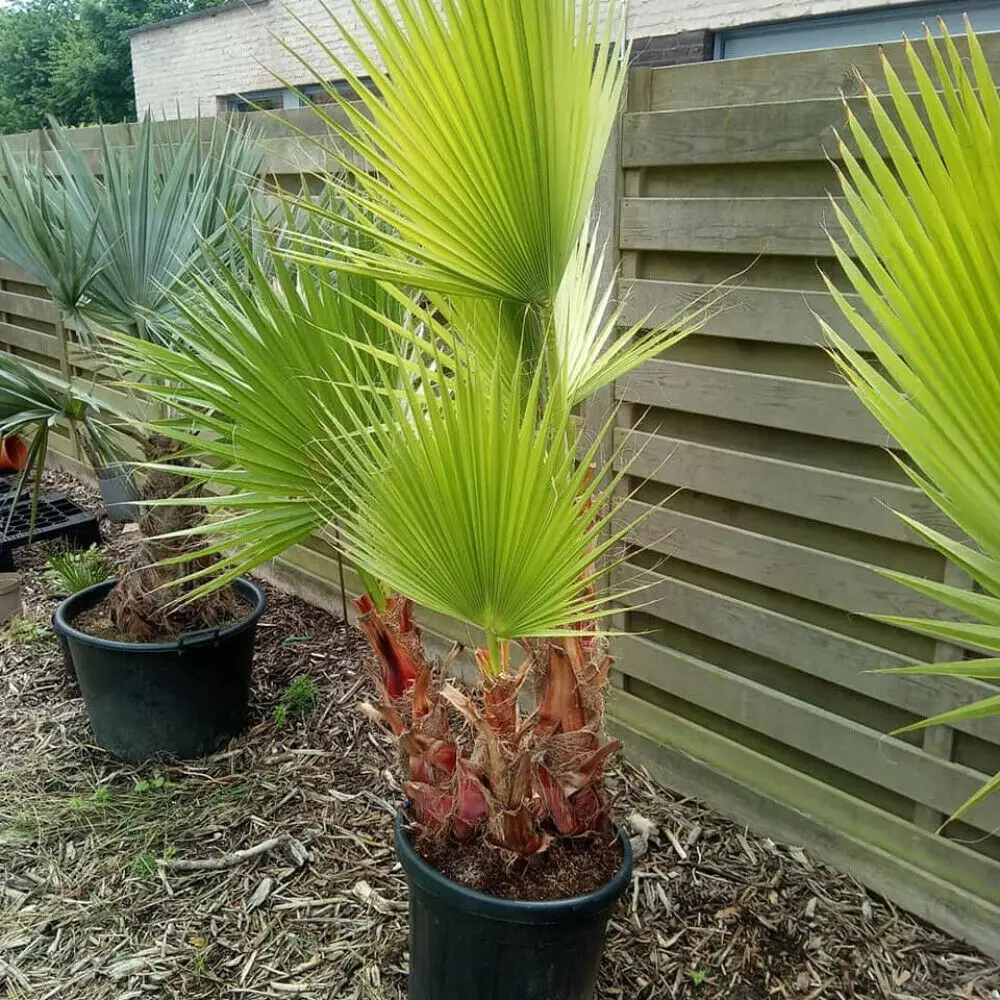
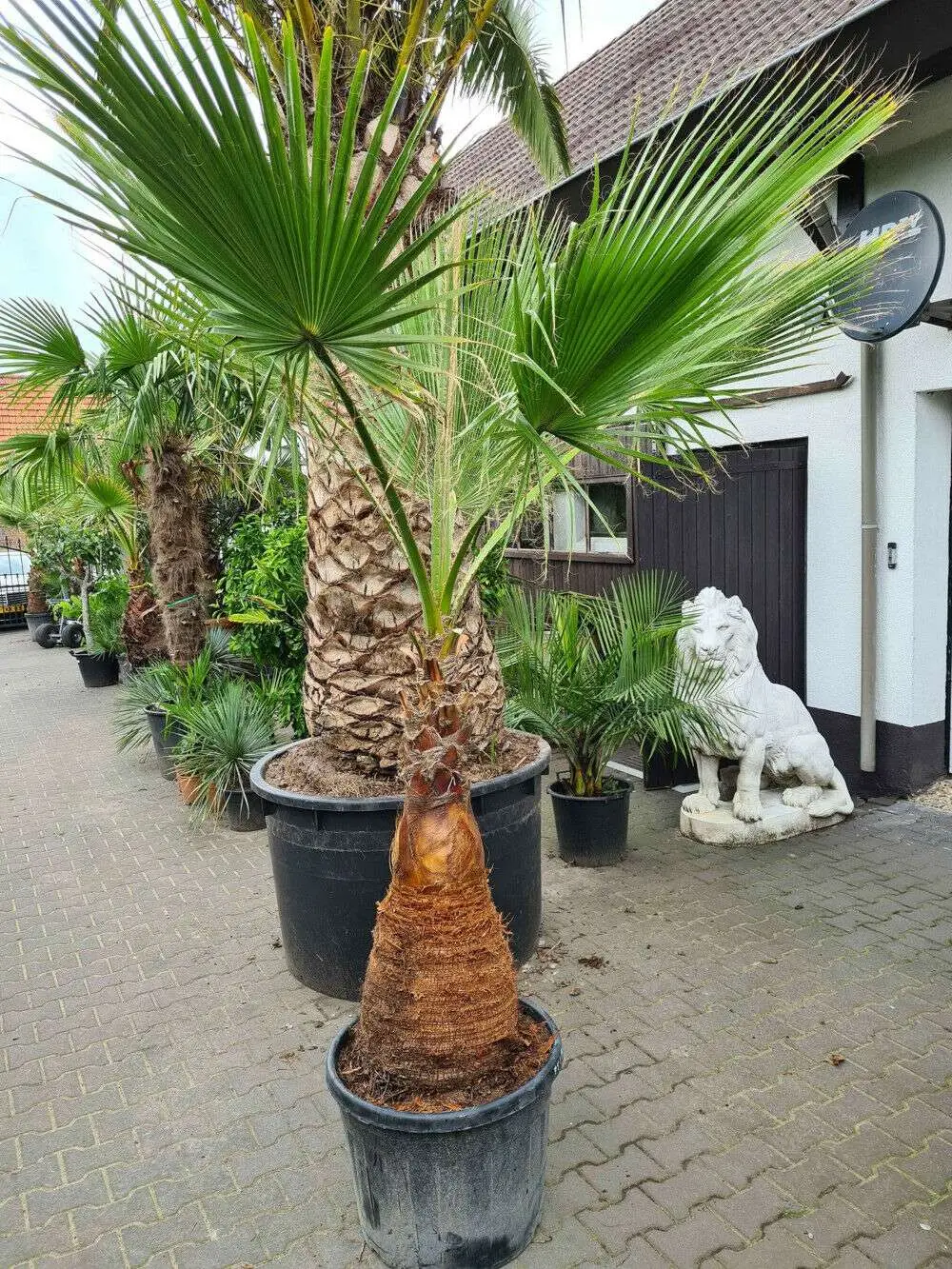
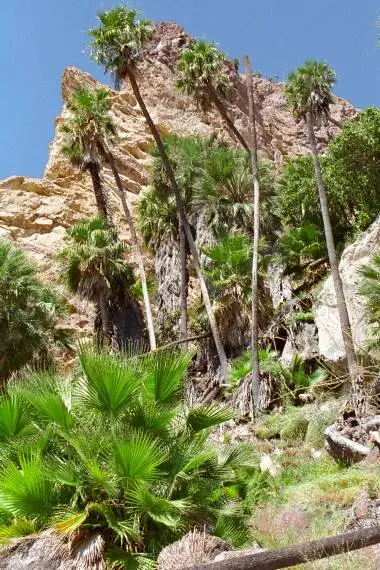
Reach for the clouds with Washingtonia robusta: a towering architectural marvel that transforms any space into a dramatic tropical stage. Slender trunk, colossal fan-shaped leaves, and growth that will stun you within seasons. This is the palm chosen by landscape architects, street designers, and collectors who demand instant, unforgettable presence. Easy to grow from seed in warm climates. Watch it claim the sky.
€1.92
Imagine a palm that rises like a green skyscraper, its massive fan-shaped canopy silhouetted against the sky—that’s Washingtonia robusta, one of the world’s most dramatic ornamental palms, and you can grow it from seed.
Native to the arid regions of Baja California and Sonora, this Mexican native thrives where others falter. Despite its limited natural habitat, Washingtonia robusta has become one of the most widely cultivated subtropical palms globally, a testament to its irresistible beauty and resilience. The common name “Skyduster” captures its essence perfectly: it reaches heights of 80-100 feet in optimal conditions, with specimens rarely exceeding 30 meters. Yet this towering presence rests on a surprisingly slender, elegant trunk—a visual paradox that makes it instantly recognizable and architecturally stunning.
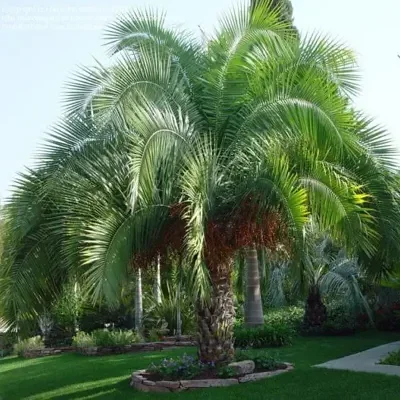
But here’s where Washingtonia robusta truly shines as a design element: it’s the ultimate ornamental statement piece. Those enormous palmate leaves—each spanning 3-5 feet—form a symmetrical, cascading canopy that creates a crown of tropical elegance. The foliage is grayish-green, remaining evergreen year-round, while the trunk’s smooth, tan-gray bark adds winter interest. The dead leaves naturally fold against the trunk, forming a distinctive “skirt” that adds architectural complexity and provides crucial wildlife habitat. In spring and early summer, delicate cream-colored to pale pink flowers appear on inflorescences up to 10 feet long, followed by small blue-black fruits that birds adore. It’s a living sculpture that improves with age.
Beyond pure aesthetics, Washingtonia robusta serves multiple ecological and practical purposes. Its dense frond skirt and complex structure create sanctuary for birds, bats, and small mammals—transforming your landscape into a living habitat. The small black fruits attract wildlife, particularly birds, that help disperse seeds naturally. For landscape architects and urban planners, it’s invaluable for creating dramatic avenues, lining streets, and serving as a focal point in parks and large gardens. The palm provides shade, defines space vertically, and signals tropical sophistication. Its tolerance for soil salinity makes it perfect for coastal landscapes, while its drought resistance and adaptability to various soils—including clay and alkaline soils—make it ideal for xeriscaping and water-conscious gardens. Indigenous peoples have valued this palm for centuries, using its fruits and leaves for diverse purposes.
Growing Washingtonia robusta is remarkably straightforward. It thrives in warm climates (USDA zones 9-11, though hardy to about 20°F once established) and absolutely demands full sun—ideally 6-8 hours daily—to reach its dramatic potential. While drought-tolerant once established (after 3+ years), it grows faster and more vigorously with regular watering during the growing season. Soil is almost irrelevant: this palm accepts clay, sandy, loamy, alkaline, or compacted soils with equal grace, provided drainage is adequate. Avoid soggy conditions. In containers, use well-draining soil and keep young plants warm (85°F/29°C aids germination). This is a rapid grower—expect 0.8-1.2 meters of annual growth in warm climates—yet requires minimal maintenance once established. No pruning is necessary for structural integrity; simply remove dead fronds to maintain aesthetics and reduce fire hazards in dry regions. Pests are rare in warm, dry climates.
Grow Washingtonia robusta from seed and become a co-creator of living architecture. You’ll witness the transformation year by year—from a delicate seedling to a towering statement that commands every skyline it touches. This is the palm that makes people stop and look up. This is the palm that defines landscapes for generations. Start from seed, and in a few short years, you’ll understand why the Skyduster has conquered gardens and avenues across the world.
Only logged in customers who have purchased this product may leave a review.
Reviews
There are no reviews yet.