Description
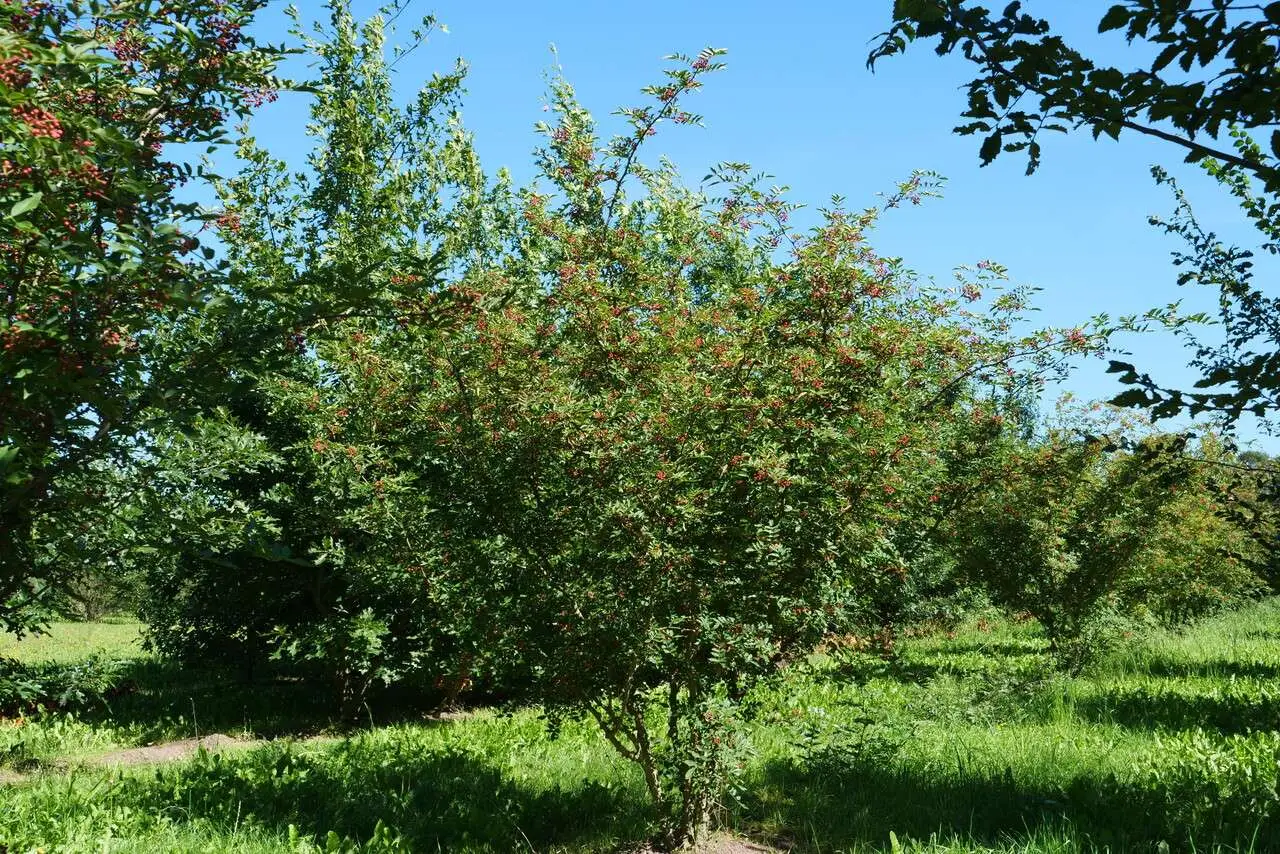
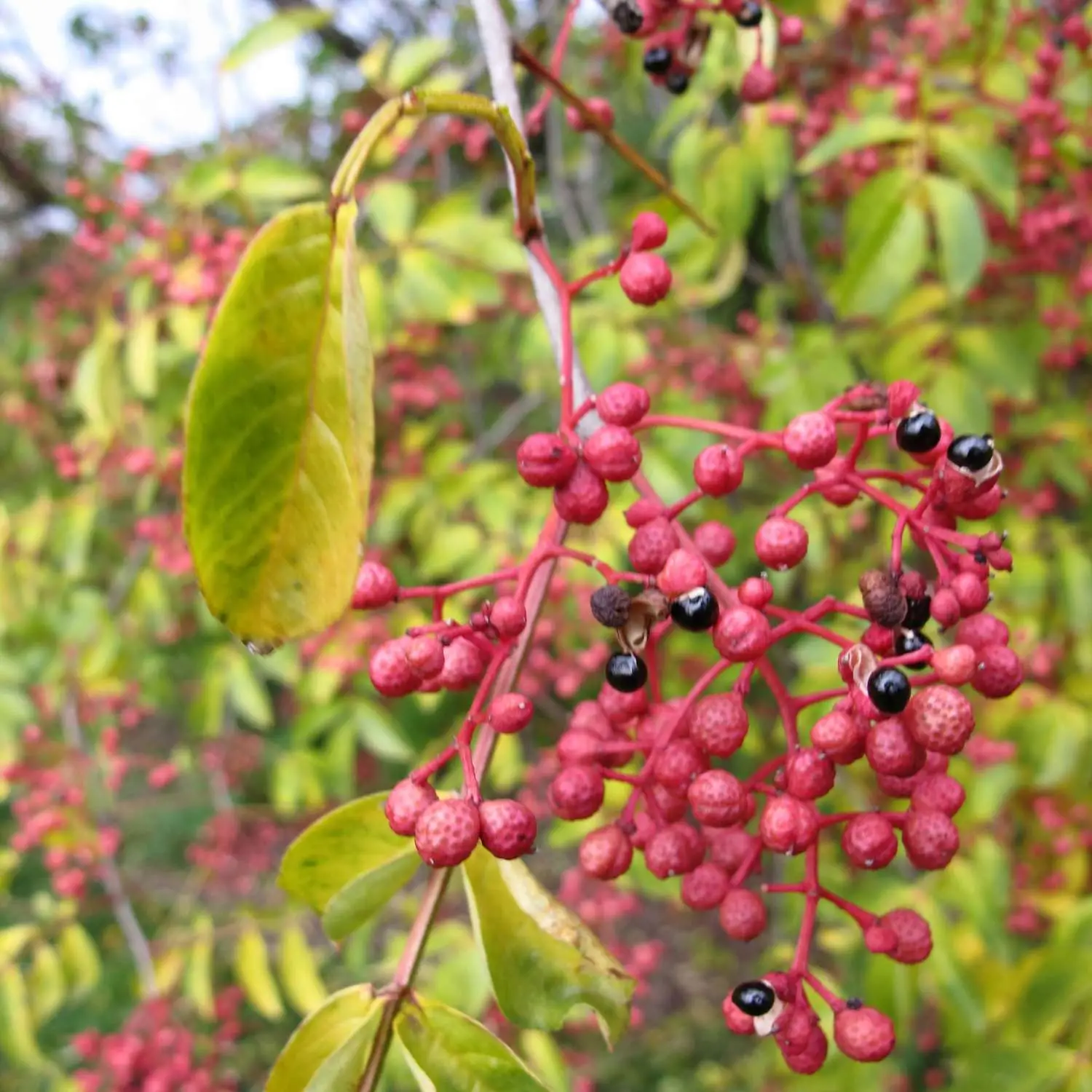
Zanthoxylum simulans, commonly known as Chinese-pepper, Sichuan pepper, or flatspine prickly-ash, is a thorny, deciduous shrub or small tree in the Rutaceae family, which also includes citrus plants. Native to southern and central China, Taiwan, and South Korea, it is one of the primary sources of the spice known as Sichuan pepper.
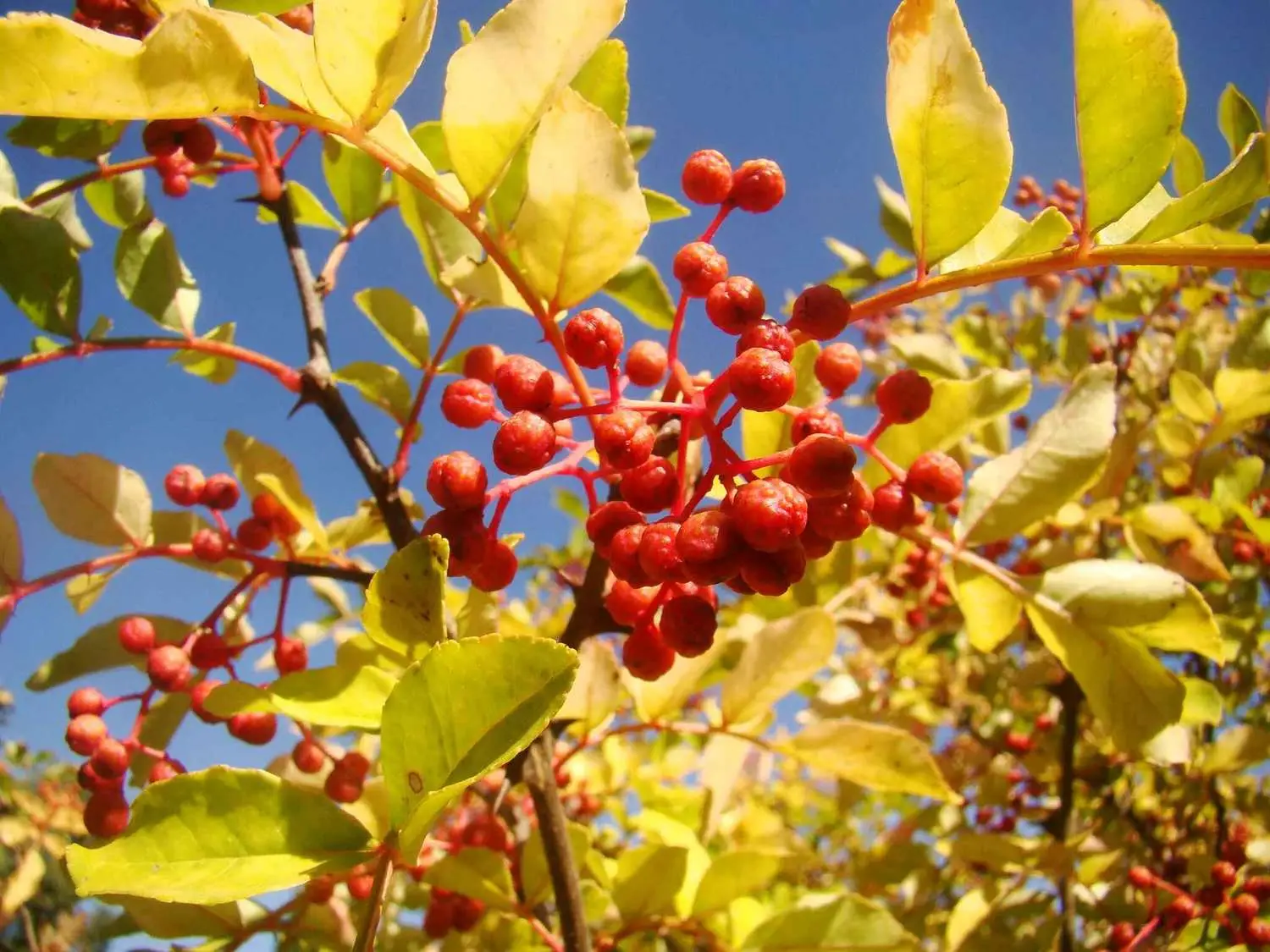
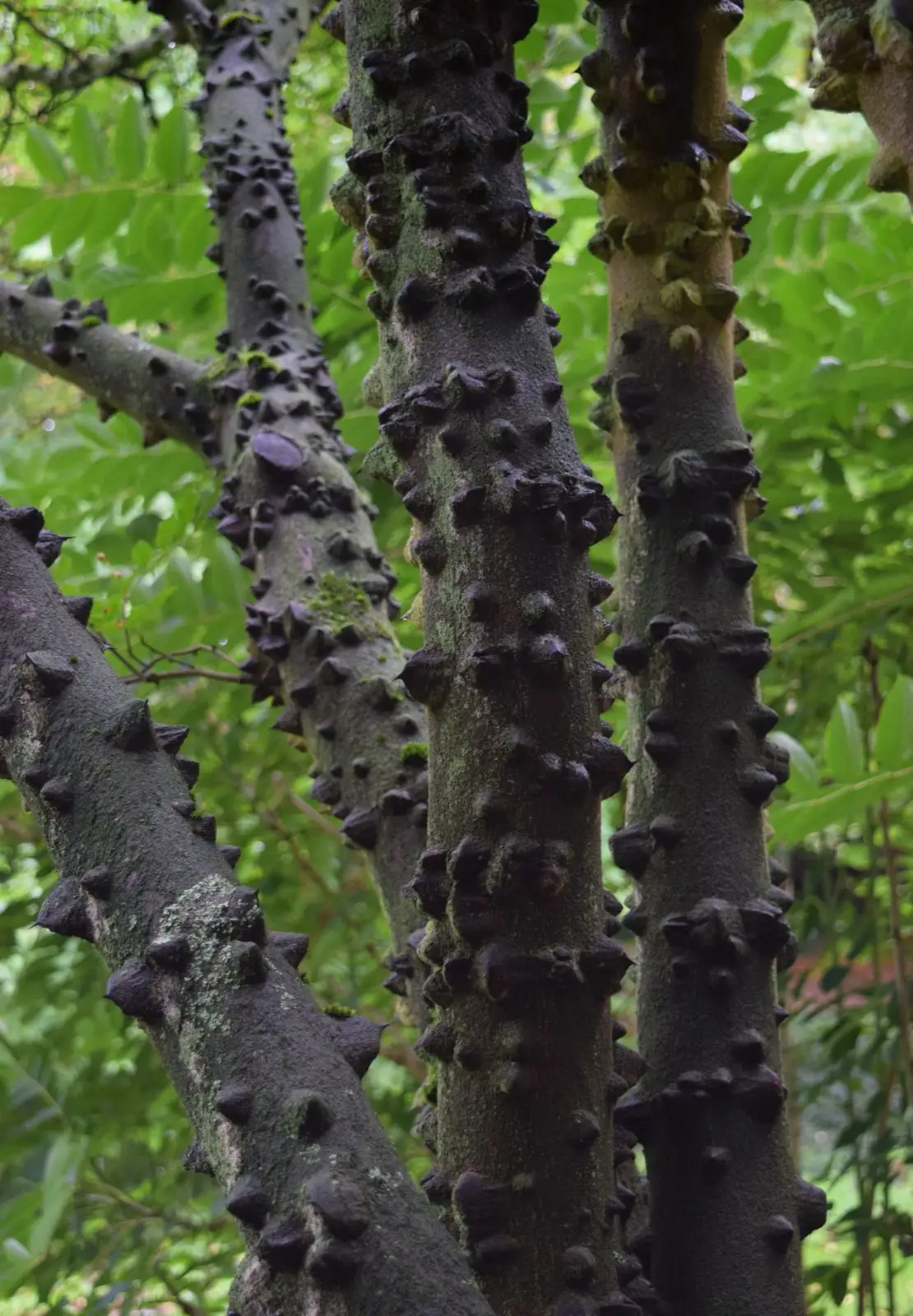
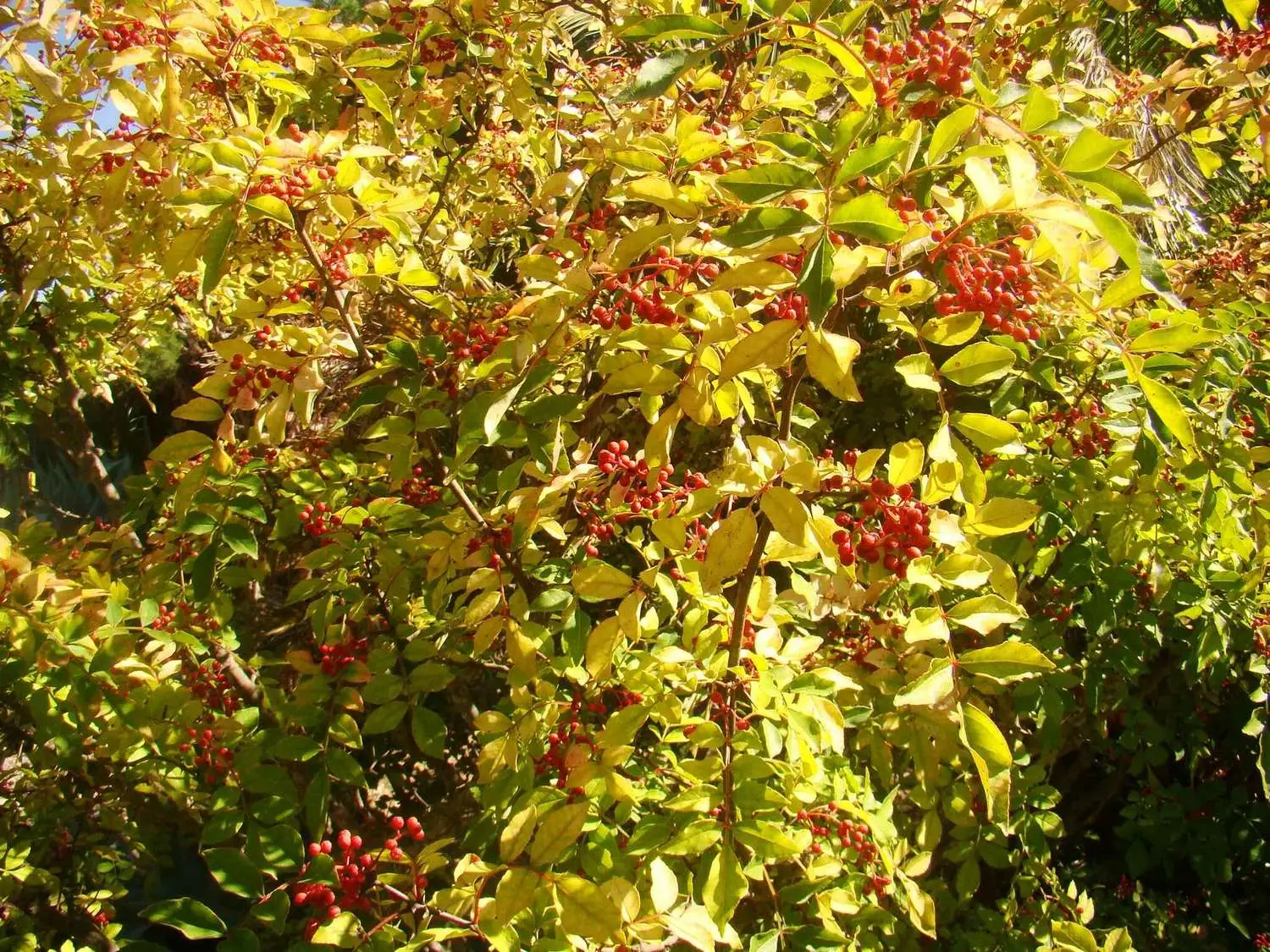
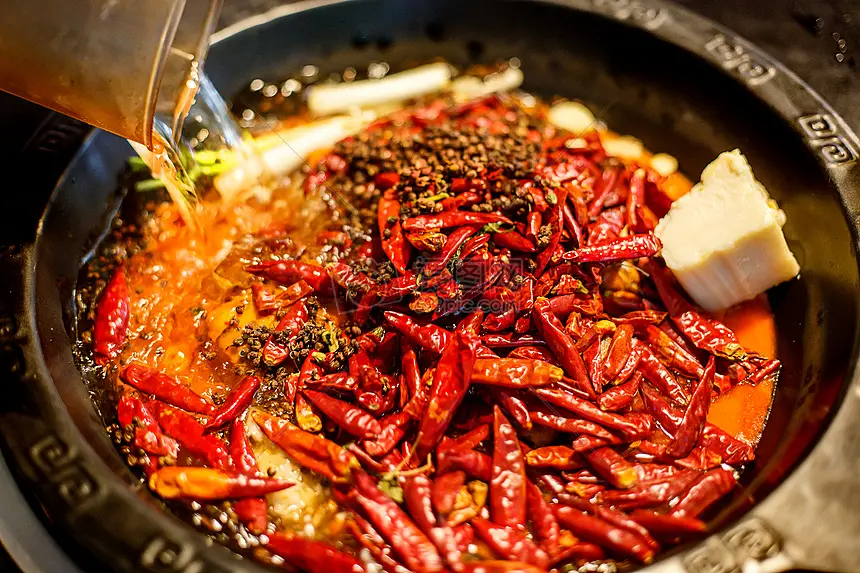
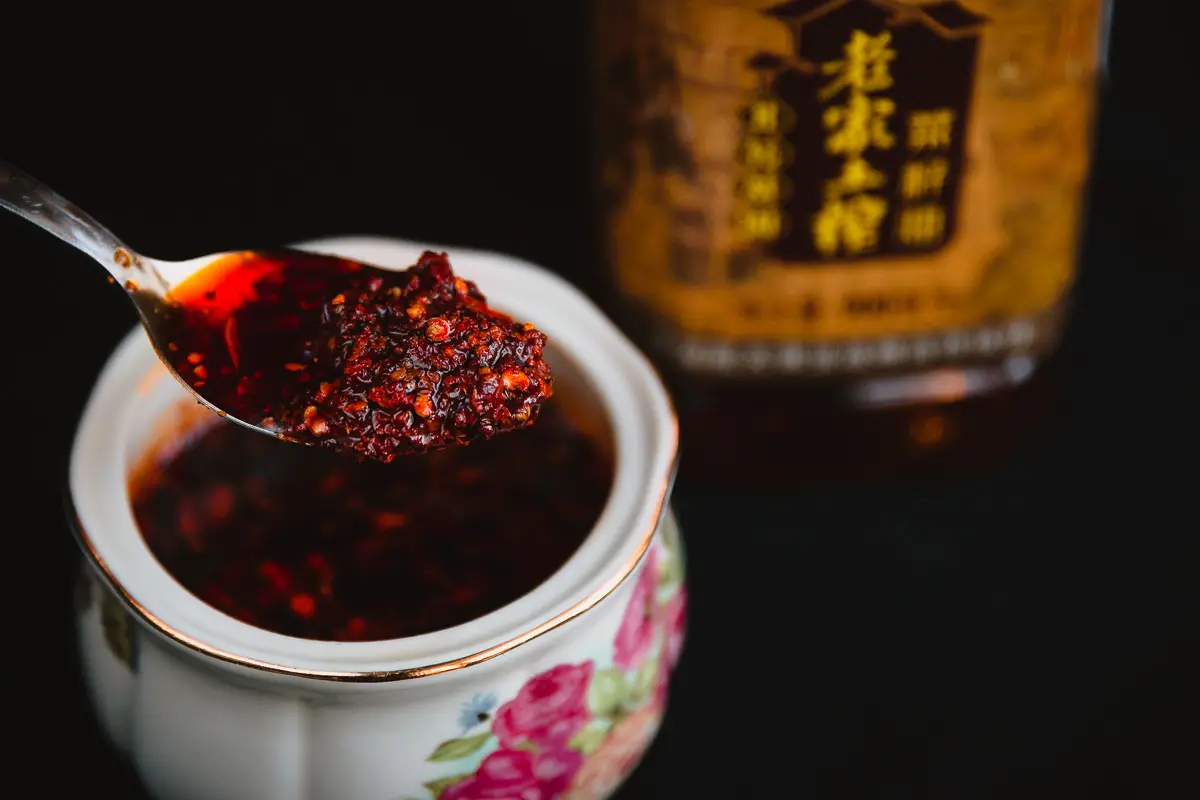
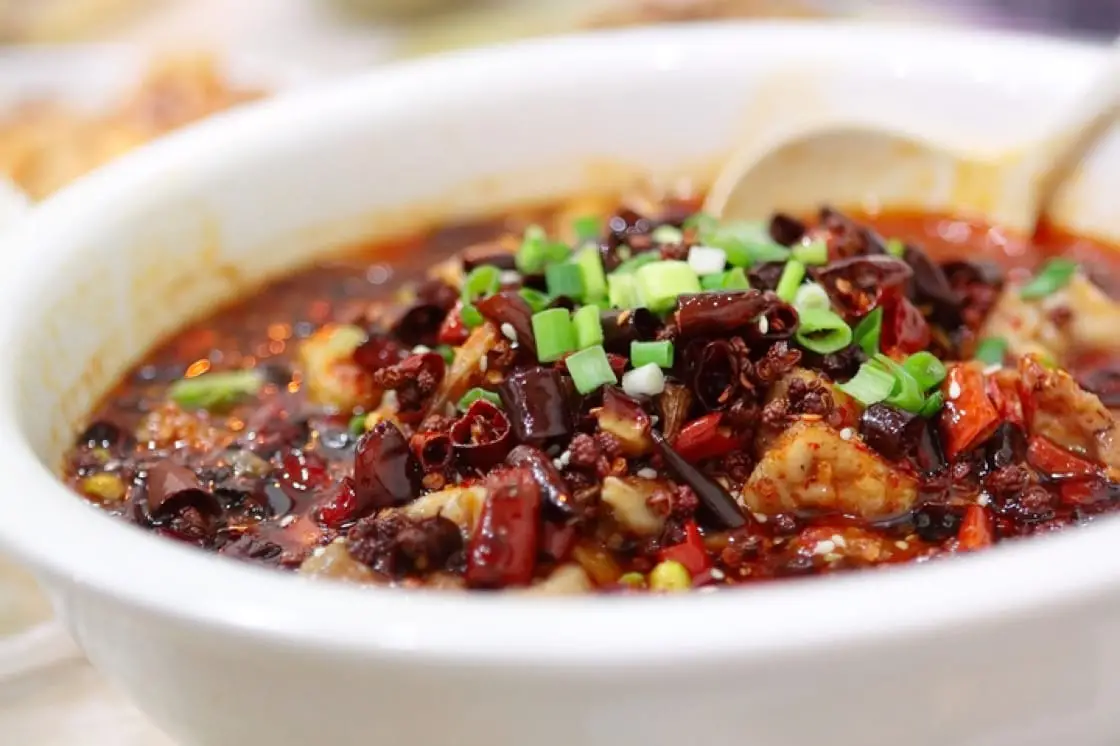
The plant is characterized by its numerous short spines on the stems and leaf petioles and its pinnately compound, dark green, aromatic leaves. In early summer, it produces clusters of small, inconspicuous, yellowish-green flowers. These are followed by small, reddish-brown fruits that split open when ripe to release a single, shiny black seed. It’s the dried fruit husks, or pericarps, that are used as a spice. They produce a unique tingling, numbing sensation on the tongue, often described as a “ma” sensation in Chinese, along with a citrusy and slightly peppery aroma. This is a key component of the famous Chinese five-spice powder.
Beyond its culinary use, Zanthoxylum simulans is also a popular ornamental plant due to its interesting, thorny habit, and its vibrant yellow-orange autumn foliage. The plant is dioecious, meaning individual plants are either male or female, so both are required to produce fruit. It is a hardy, low-maintenance plant that is not prone to major pests or diseases.
Germination Guide
🌍 Eastern China, Taiwan, and South Korea
Moderate
Zanthoxylum simulans, commonly known as Sichuan Pepper or Chinese Prickly Ash, is a deciduous shrub native to eastern China and Taiwan that produces the distinctive spice used in Sichuan cuisine. Seeds require cold stratification for 90-120 days to overcome dormancy, followed by sowing in a cold frame where germination typically occurs in late spring, though seedlings may take up to 12 months to establish.
Germination
Germination time
Expect germination in
45 – 120 days
Temperature
Min 15°C
Ideal 20°C
Max 25°C
Substrate moisture
💧 Medium
Sowing depth
Lightly covered
Seed Pre-treatment
-
💧
Soaking — 24 hours
Submerge seeds in cold water and leave to soak for 24 hours before cold stratification.
-
🔨
Hot water scarification
Soak seeds in cold water for 24 hours. Scarification may help but is optional.
-
❄️
Cold stratification — 90 days at 4°C
-
📋
Additional notes
Soak in cold water 24 hours, then cold stratify in moist medium for 90 days (some sources report 120 days). Some growers have had success with 21 days stratification after a 48-hour pre-soak.
Substrate & Container
Recommended substrate
Well-drained sandy loam or loamy soil with moist medium for stratification
Recommended container
Cold frame or seed tray in cool protected spot
Growing Tips
Soak seeds in cold water for 24 hours before cold stratification. Stratify in moist horticultural sand or soil in the refrigerator at 4°C for 90-120 days. After stratification, sow seed 4mm (1/8 inch) deep in well-drained sandy loam, tamp soil firmly, and mulch the seed bed. Keep in cool protected location without artificial heat. Germination occurs in late spring but may be slow and sporadic; seedlings can take months to develop. Consider that commercially purchased Sichuan peppercorns sold in the US are often heat-treated and non-viable; obtain fresh seed from reputable suppliers. Seedlings grow vigorously once established and can reach 1m in the first year.
Only logged in customers who have purchased this product may leave a review.



Reviews
There are no reviews yet.