Description
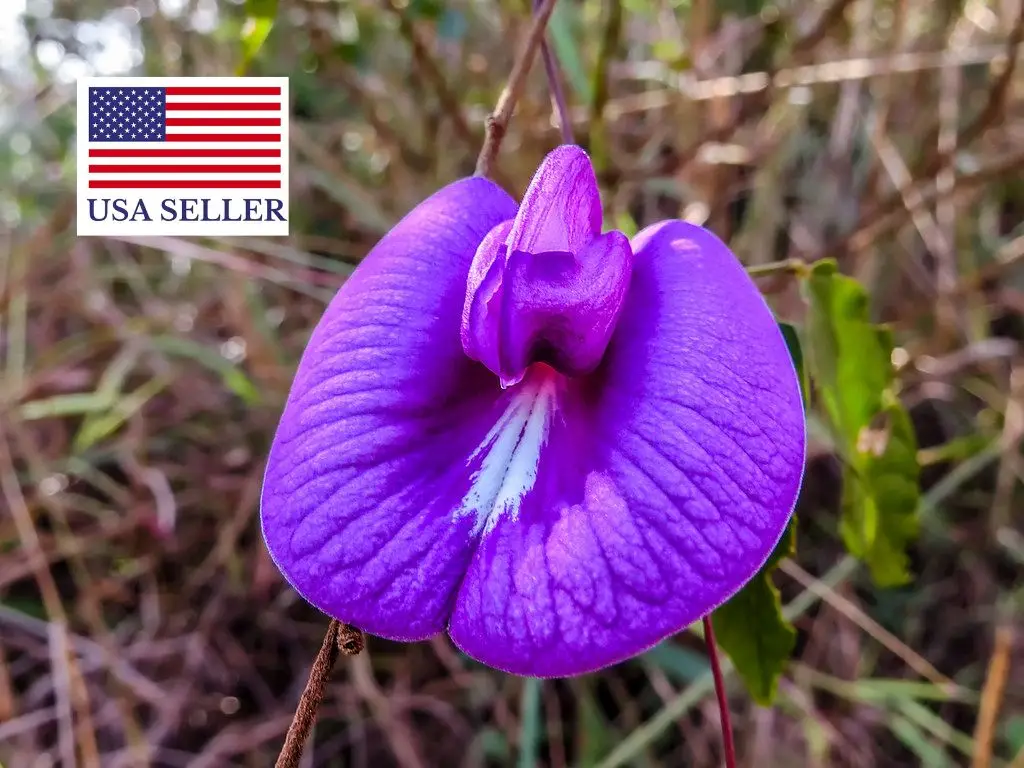
Imagine a plant so generous it feeds your soil while adorning it with delicate, butterfly-like flowers in violet and lavender.
Centrosema pubescens—the Butterfly Pea—is a living soil amendment wrapped in botanical beauty. Native to tropical Central and South America, this perennial legume traveled the world and became indispensable wherever soil needed healing. From the humid plantations of Southeast Asia to the wet tropics of Australia, centro is recognized as one of the most reliable nitrogen-fixing vines in humid climates.
But here’s what makes it truly special: the magic happens underground. Like all legumes, centrosema partners with Rhizobium bacteria in its deep root system to capture atmospheric nitrogen and convert it directly into bioavailable form. Your soil essentially feeds itself. This isn’t theoretical—centro has been proven to improve depleted nitrogen levels in plantation systems, agricultural restoration, and smallholder farms across the tropics. It requires no synthetic nitrogen fertilizer, no complex management. Just plant it, and it works. The plant will even suppress weeds naturally as it spreads, and its drought tolerance—thanks to roots reaching 30 cm deep—means it thrives where other cover crops falter. Waterlogging, shade, poor soils? Centro adapts with ease. It grows well in nutrient-poor earth, making it the ultimate ally for land recovery.
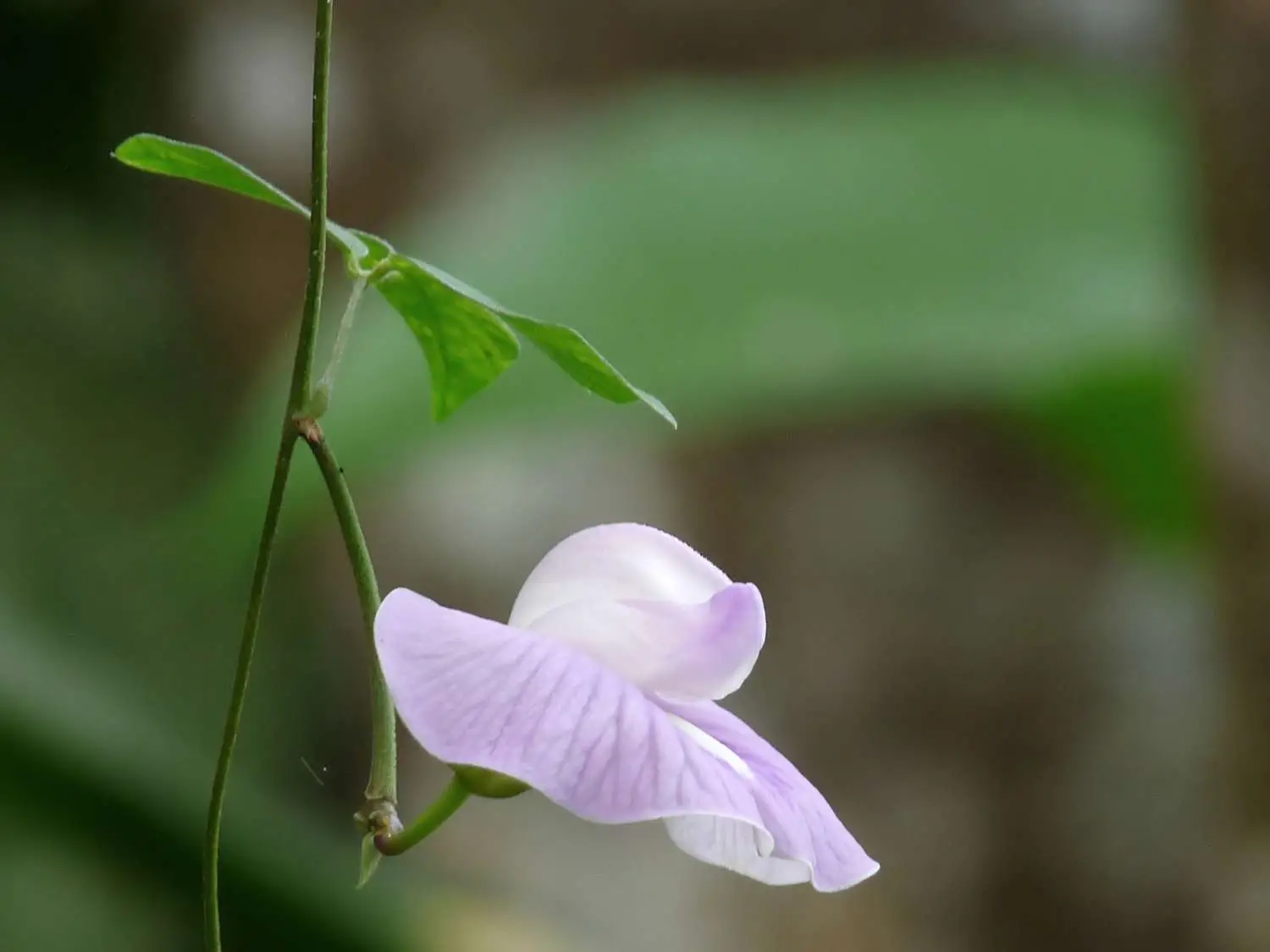
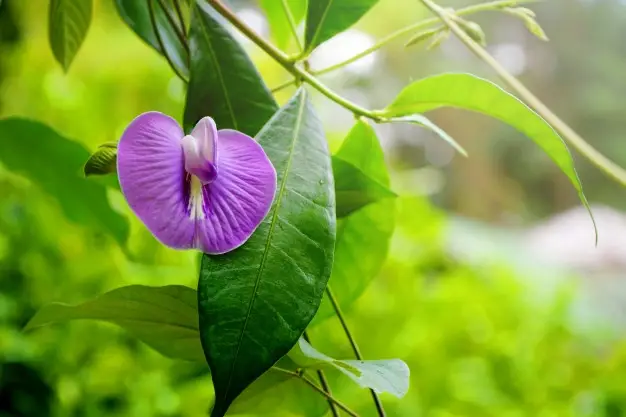
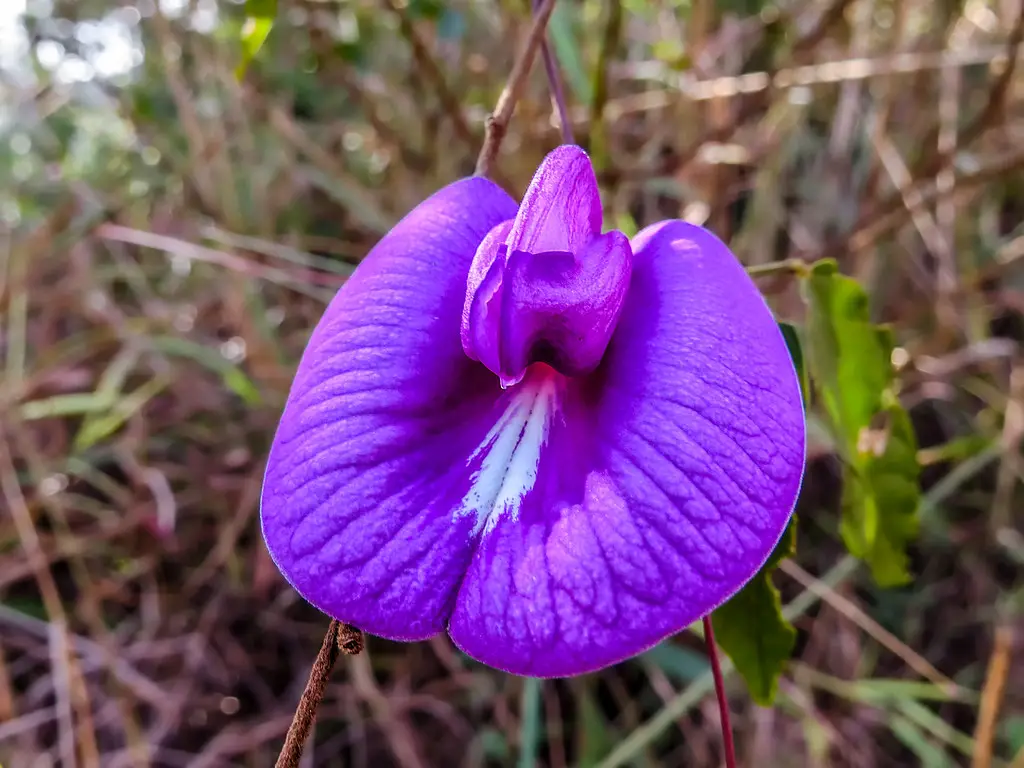
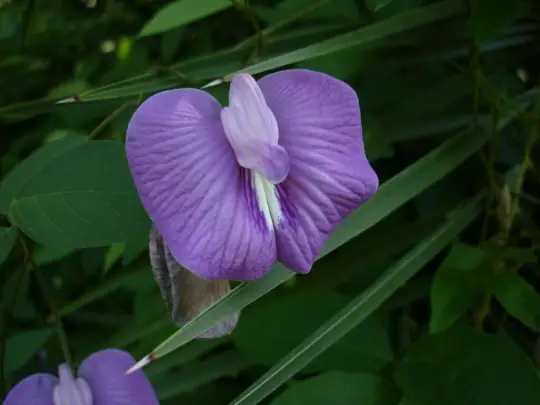
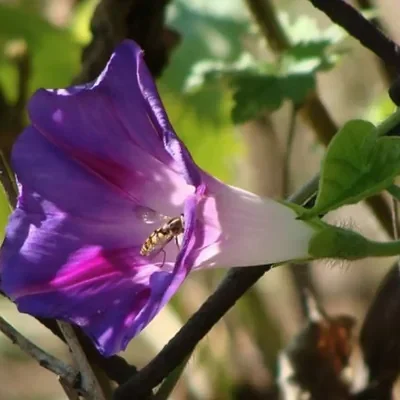
The beauty isn’t just utilitarian. Centrosema produces exquisite pale violet flowers with darker violet veins, flowering in axillary racemes that climb and twine across supports or sprawl as dense groundcover. The foliage is soft and finely textured—dark green above, silvery-white and hairy below—creating a lush, living tapestry. Fast-growing and vigorous, it reaches 45–60 cm and can cover large areas quickly, turning bare, eroding earth into productive green.
Growing centro is refreshingly straightforward. It thrives in tropical climates below 600 m elevation, tolerating rainfall from 1000–1750 mm annually. It loves bright, indirect light or even partial shade—unusual among legumes. Soil-wise, it prefers loamy, well-draining earth but adapts remarkably well to poor soils. Once established, it needs minimal fertilization (just phosphorus and trace minerals occasionally). Water regularly during growth but don’t obsess—its deep roots find water others miss. In containers, use well-draining loamy soil and place in warm, humid conditions. It won’t tolerate frost, but in tropical and subtropical zones, it’s nearly bulletproof. Small plants fruit within 2–3 months, establishing themselves reliably.
This is the plant for growers who want impact: visual, ecological, and agronomic. Watch poor soil transform into fertile ground. Watch bare slopes green and stabilize. Watch delicate violet blooms climb your supports. Sow centro from seed and become part of a global tradition of soil healers—one that spans continents and decades. Your tropical garden—and your soil—will thank you.
Germination Guide
🌍 Central America and South America
Moderate
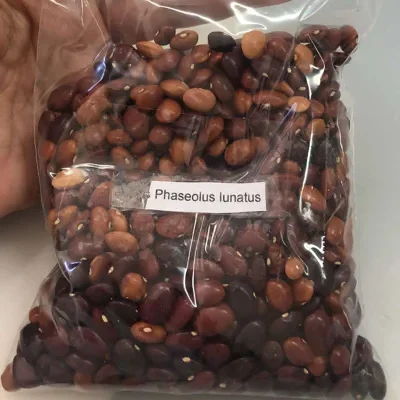
Centrosema pubescens is a tropical forage legume native to Central and South America. Physical dormancy in seeds requires effective scarification for optimal germination. Seeds have hard seed coat affecting initial germination rates.
Germination
Temperature
Min 15°C
Ideal 20°C
Max 40°C
Substrate moisture
💧💧 High
Seed Pre-treatment
-
💧
Soaking — 24 hours
After hot water scarification, soak in warm water for 12-24 hours before sowing
-
🔨
Hot water scarification
60% of seeds have hard coat. Immerse in hot water (85°C) for 3-5 minutes, then keep in warm water 12-24 hours. Hot water 2 min = 56.66% germination; 4 min = 48.96% germination with H2SO4
-
📋
Additional notes
Mechanical scarification with sandpaper achieves 96% germination. Sulfuric acid scarification (4 min at 10%) achieves ~49% germination. Mechanical methods preferred over acid.
Substrate & Container
Recommended substrate
Sandy loam, moist soil. Sand or river bank sand used in germination tests
Growing Tips
Sow during wet season/before rainfall. Ensure moist soil for 10-14 days after sowing. Avoid low soil temperatures below 15°C. Soak whole seeds, not chipped. 1000 seeds weigh ~25g. Requires Rhizobium inoculation within hours of planting for optimal establishment.
Only logged in customers who have purchased this product may leave a review.

Reviews
There are no reviews yet.