
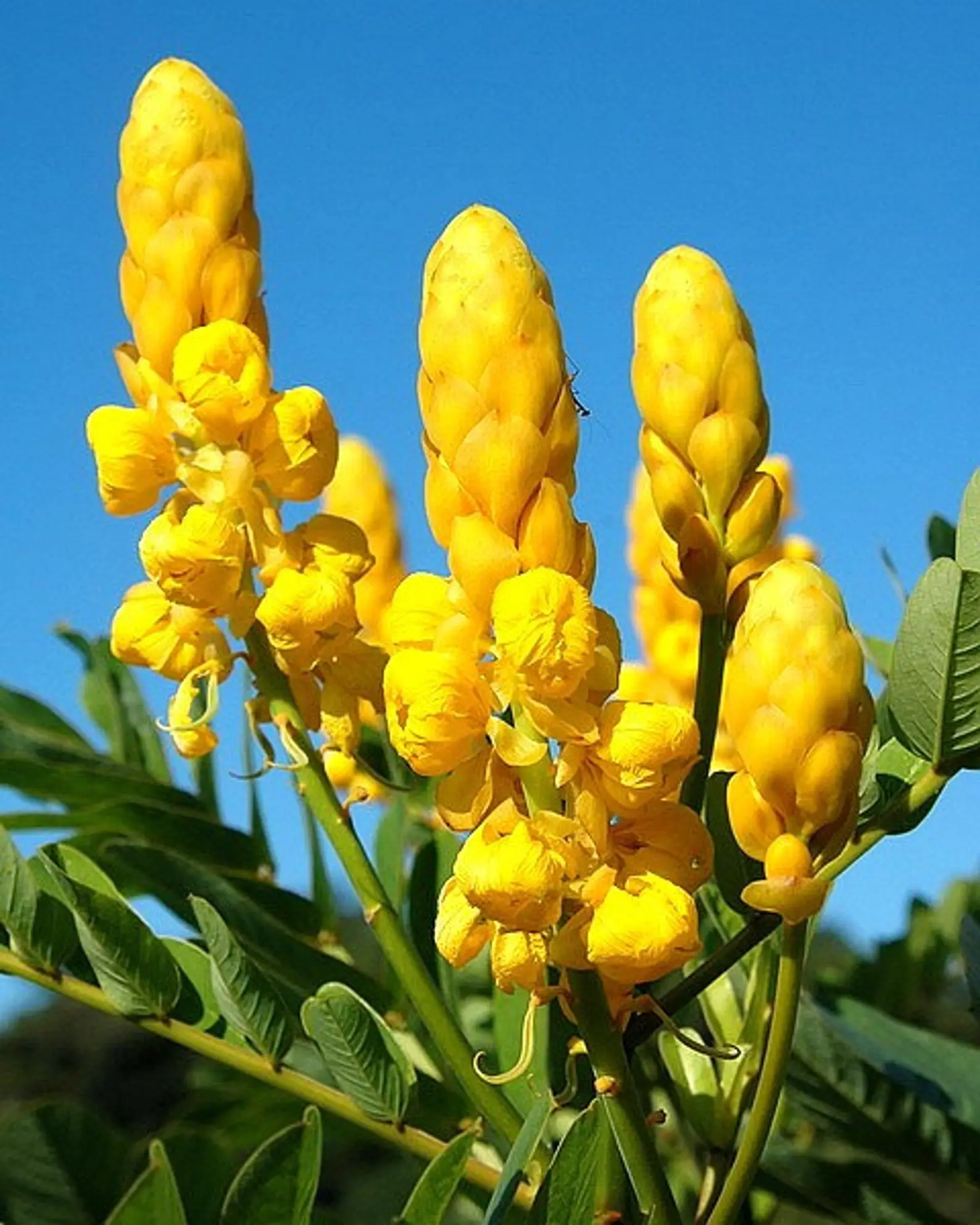
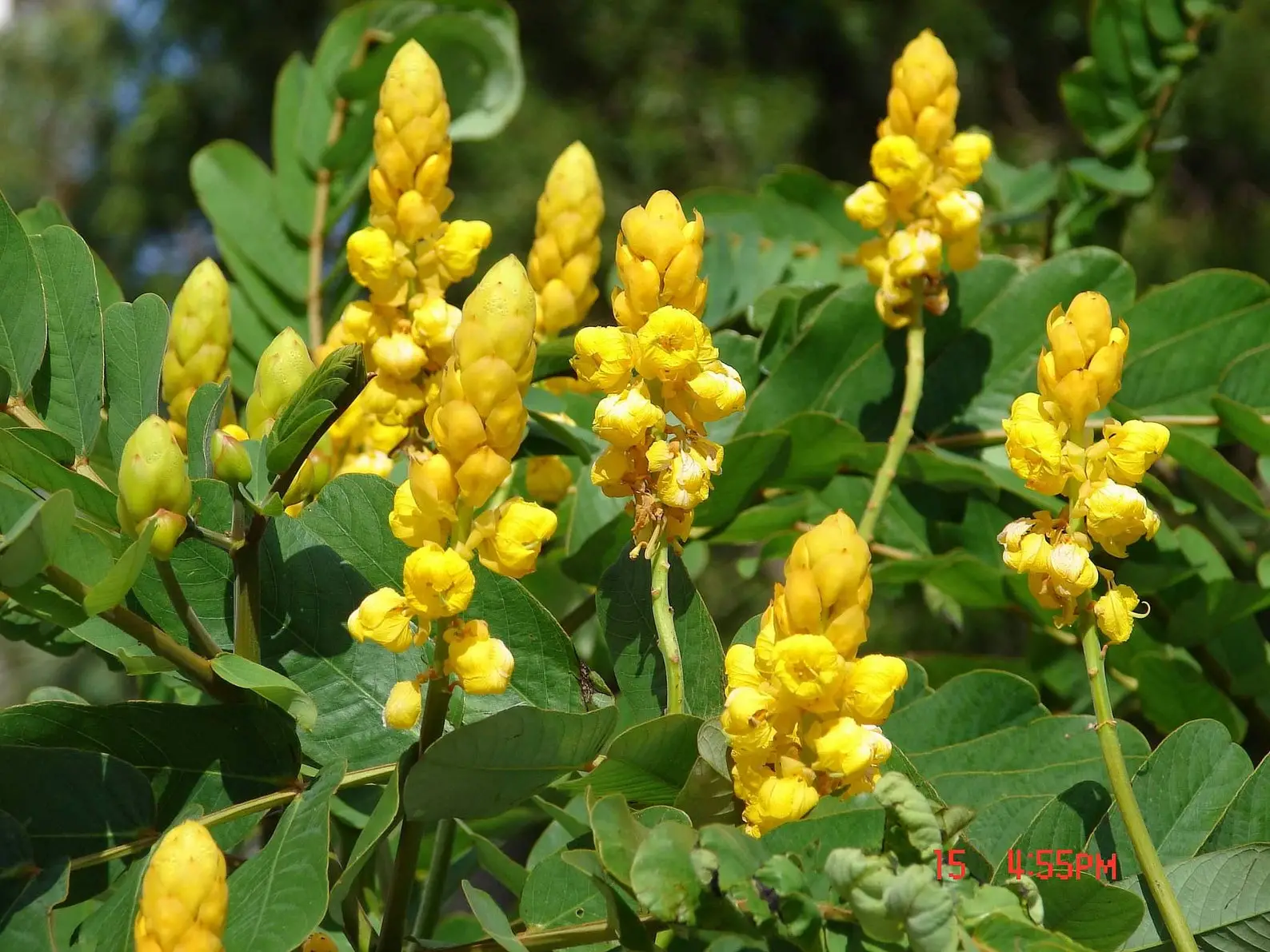
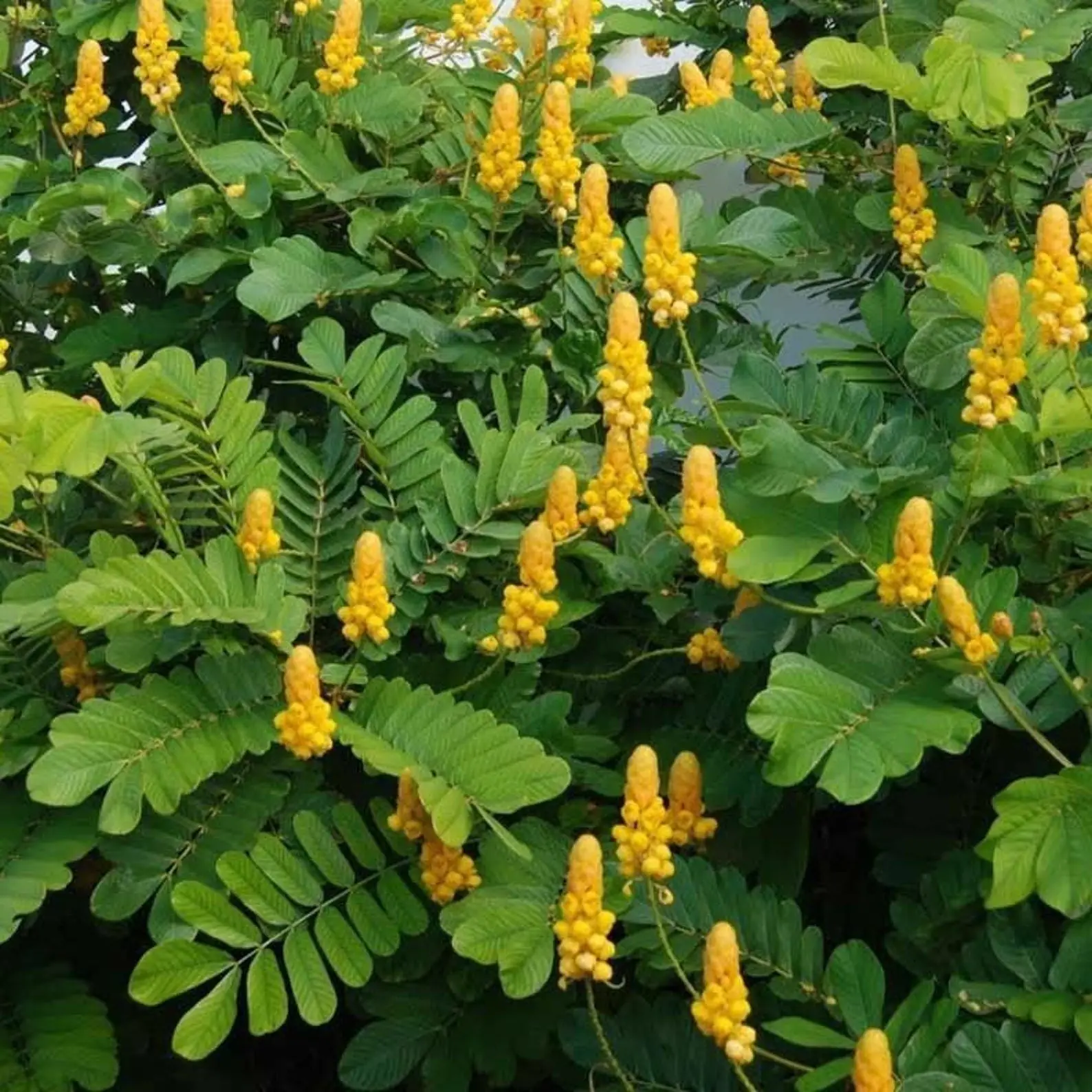
Stunning upright spikes of bright yellow flowers that pierce the sky like living candlesticks—and every leaf holds centuries of healing power. Senna alata’s antifungal compounds target ringworm, athlete’s foot, and stubborn skin fungi where modern treatments lag. Crush fresh leaves into a potent paste; watch infections fade. Fast-growing tropical shrub; blooms year-round in warmth. Propagate easily from seed—your home apothecary awaits.
€5.06
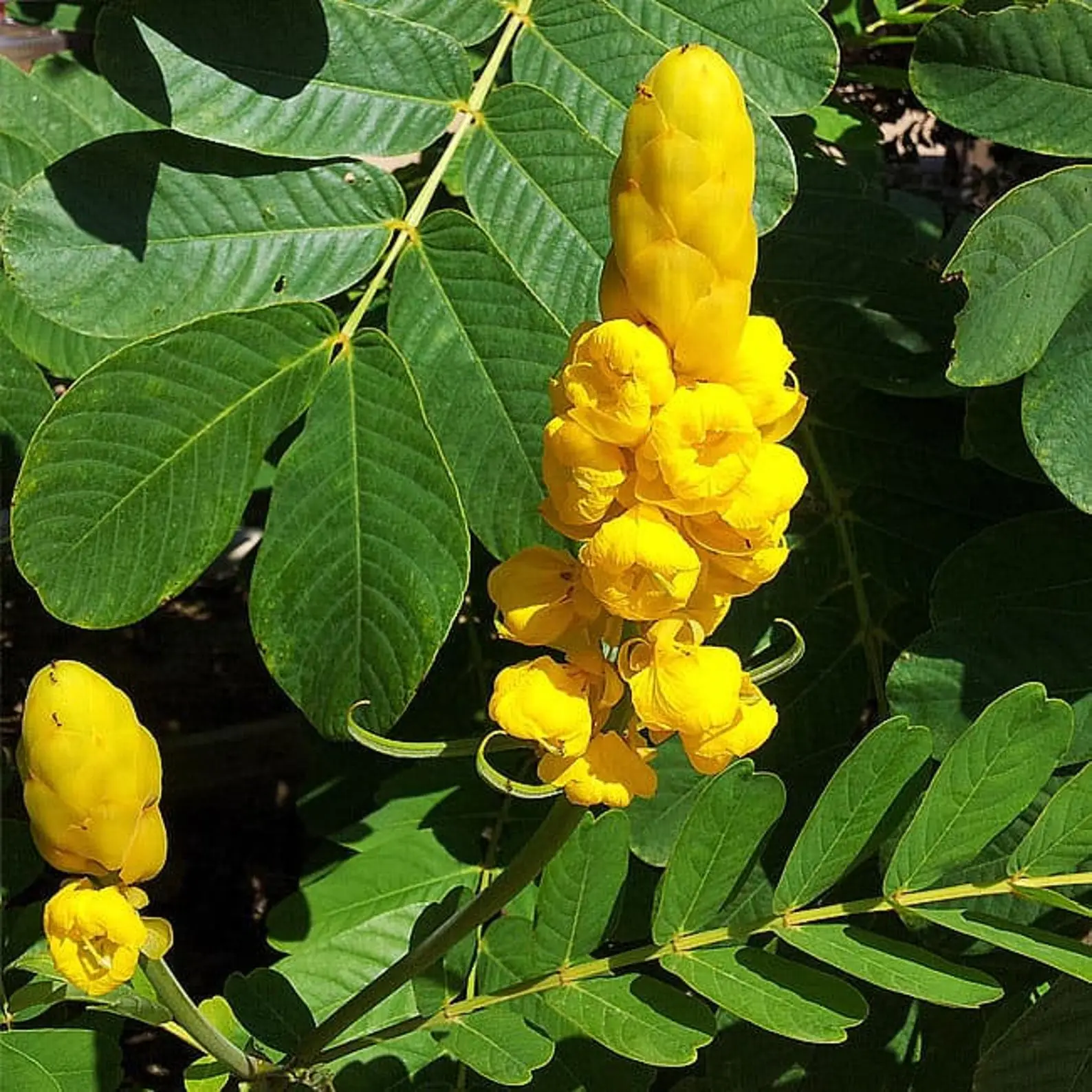
An erect axillary raceme 15-60 cm tall arising from the leaf axil resembles a candle with bright yellow flowers 2.5 cm across—this is Senna alata, where botanical drama meets medicinal genius.
Native to most of the Neotropics from Mexico and the West Indies to Paraguay, this legume has been quietly cultivated and treasured across tropical regions for centuries. A remarkable species, it was sometimes separated in its own genus, Herpetica. What makes Senna alata truly exceptional is its dual nature: an ornamental showstopper paired with one of the plant kingdom’s most potent natural antifungal remedies.
**The Healing Promise That Built Its Legend**
Senna alata is often called the ringworm bush because of its very effective fungicidal properties, for treating ringworm and other fungal infections of the skin. This isn’t folklore whispered in market stalls—this is tradition verified by modern science. The plant’s leaves contain bioactive compounds, such as chrysophanic acid, which have been scientifically proven to have fungicidal properties that inhibit the growth of dermatophytes, fungi responsible for skin infections. A randomized, placebo-controlled study showed 15% emulsion of Cassia hydroalcoholic extract reduced fungal counts in tinea pedis by 70% within 3 weeks.
Its antifungal and anti-inflammatory properties help treat ringworm, athlete’s foot, and eczema. The preparation is elegantly simple: The leaves are ground in a mortar to obtain a kind of ‘green cotton wool’, then applied directly to affected skin. Beyond dermatological triumph, crushed leaves act as a chemical-free insect deterrent, and the plant provides nitrogen-fixing biomass, attracts pollinators. A single plant gives you medicine, ornament, and ecological benefit.
**How to Cultivate Your Healing Garden**
Candlestick plant is a tough, drought-tolerant plant that grows best in any well-drained sunny site. Propagation is easy by seed started in a warm, sunny location. In terms of water needs, Senna alata is drought-tolerant once established, requiring minimal irrigation during the growing season. The vibrant yellow flowers bloom in November, resembling candlesticks, and are a magnet for pollinators like bees and butterflies. It is a fast growing tropical shrub or small tree capable of reaching 25 feet in height in a frost-free climate, but typically is seen as a 10- to 15-foot tall rounded shrub in gardens. For container growing, choose a large pot—this plant commands space and rewards boldness with lush, commanding growth.
**Your Seed Holds the Promise**
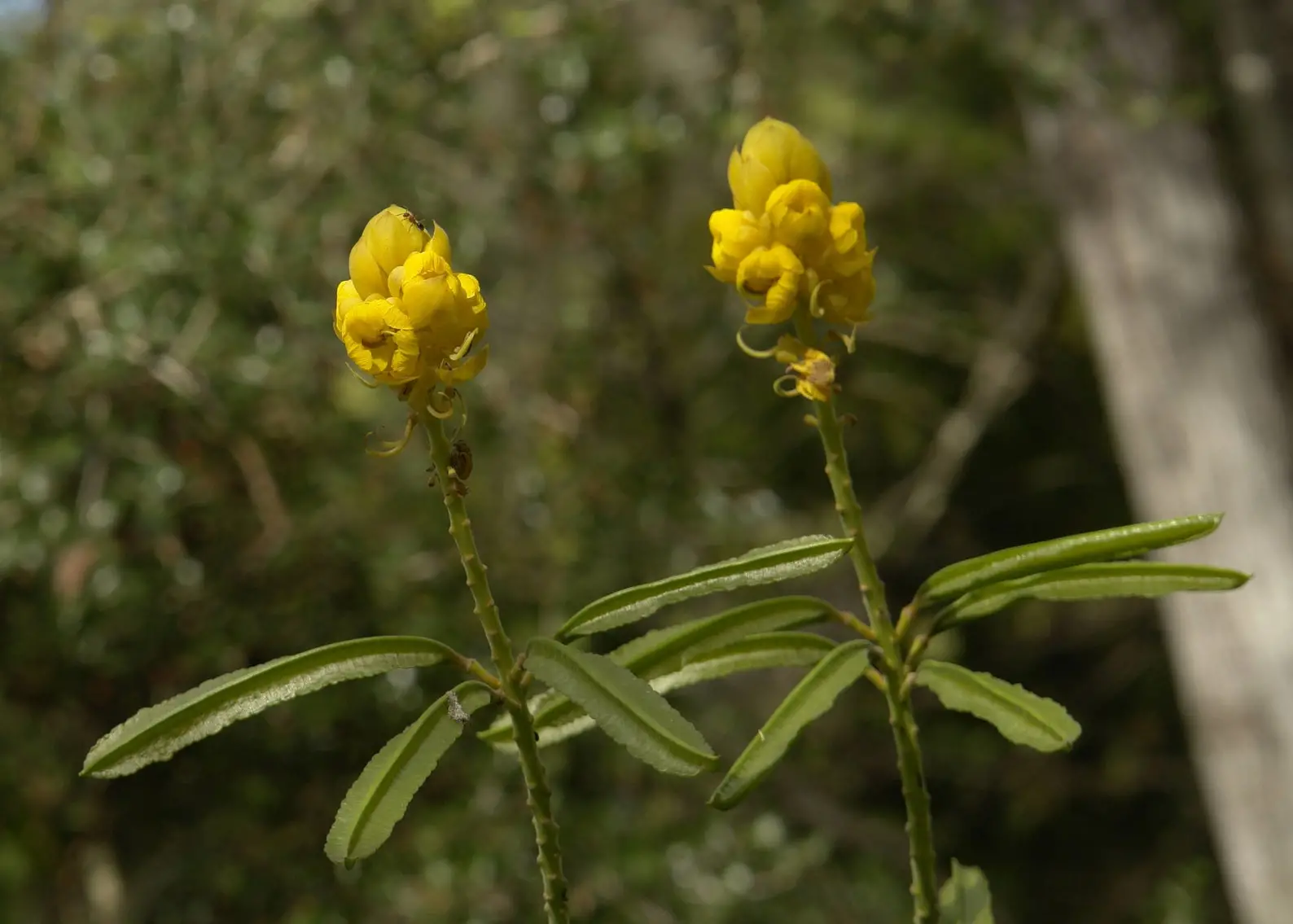
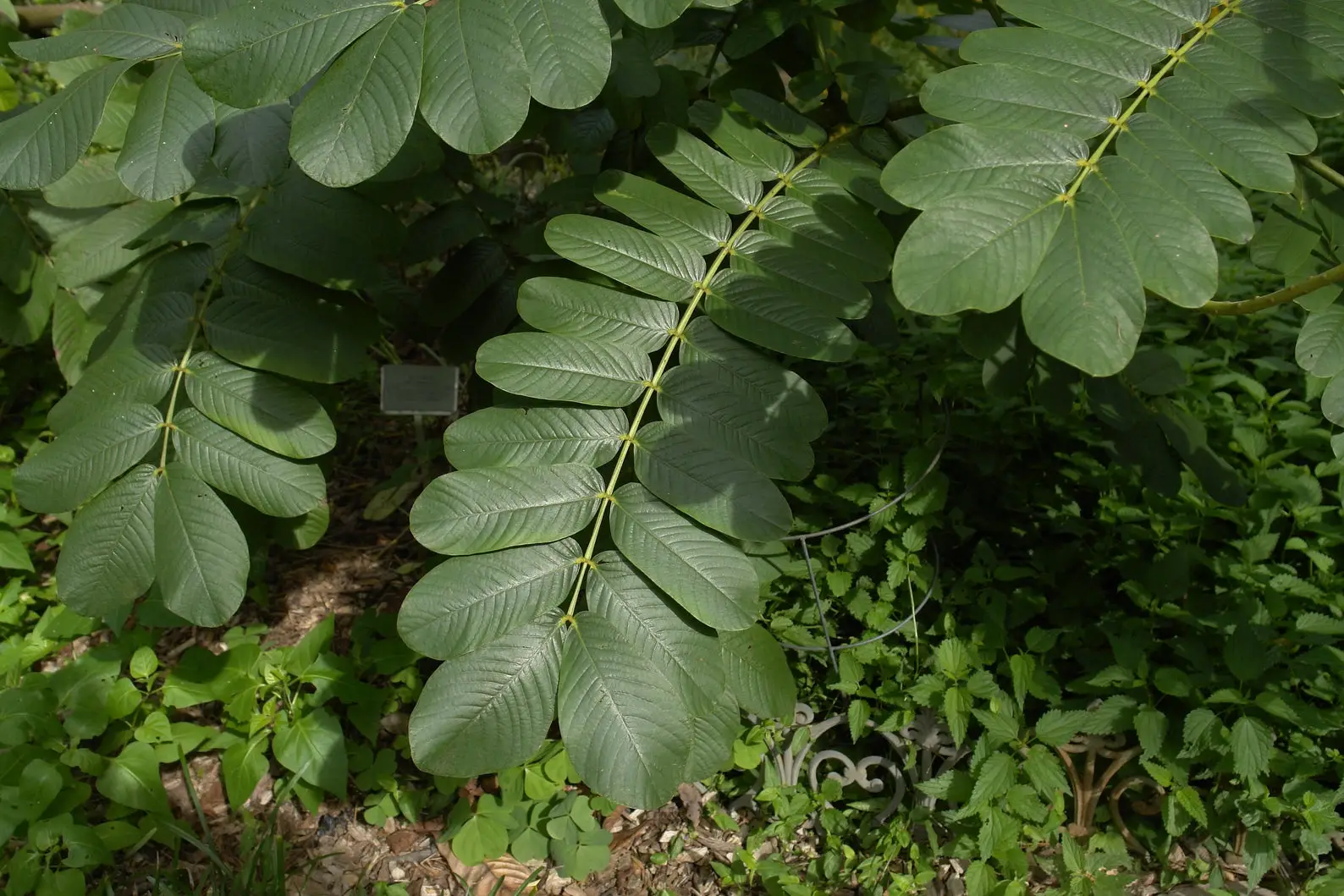
When you sow Senna alata from seed, you’re not just growing a plant. You’re cultivating a bridge between beauty and wellness—an upright, columnar, bright yellow inflorescence resembling a burning candle, a proud plant with uplifted branches of compound leaves and a thick, knobbly stem. Within months, you’ll harvest leaves that work harder than expensive creams. Within a season, you’ll have a golden sentinel standing in your garden, healing and stunning in equal measure. This is the plant that teaches us: the most potent medicines often wear the most beautiful faces.
Only logged in customers who have purchased this product may leave a review.
Reviews
There are no reviews yet.