
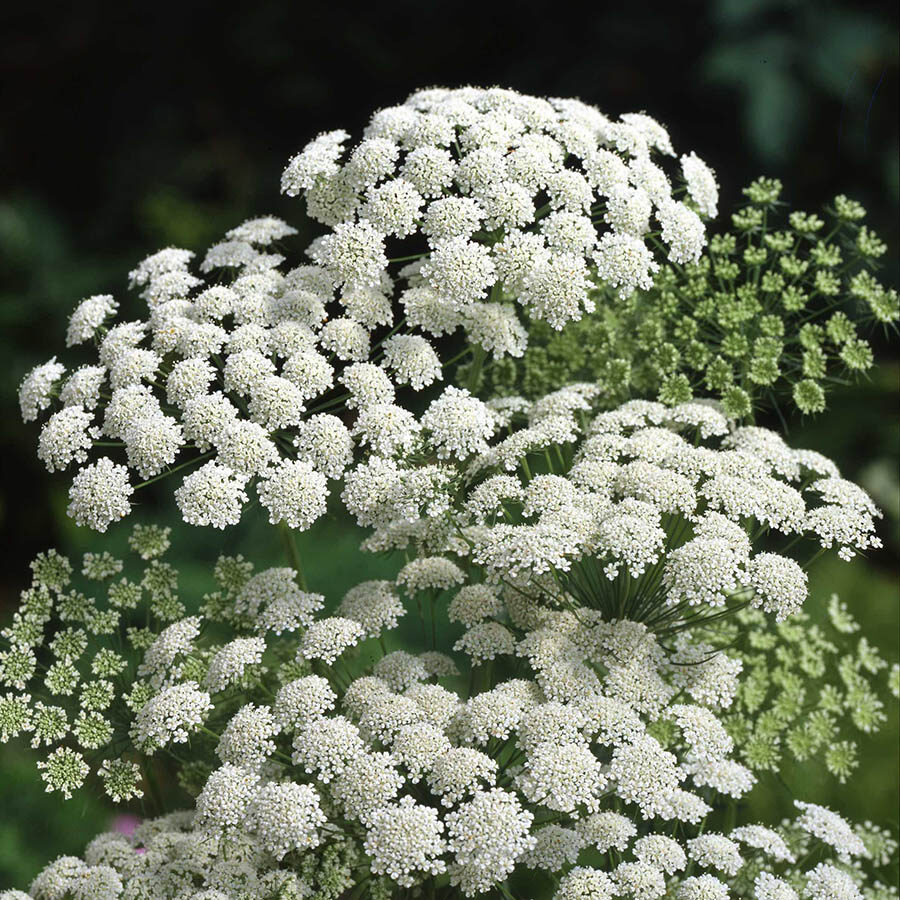
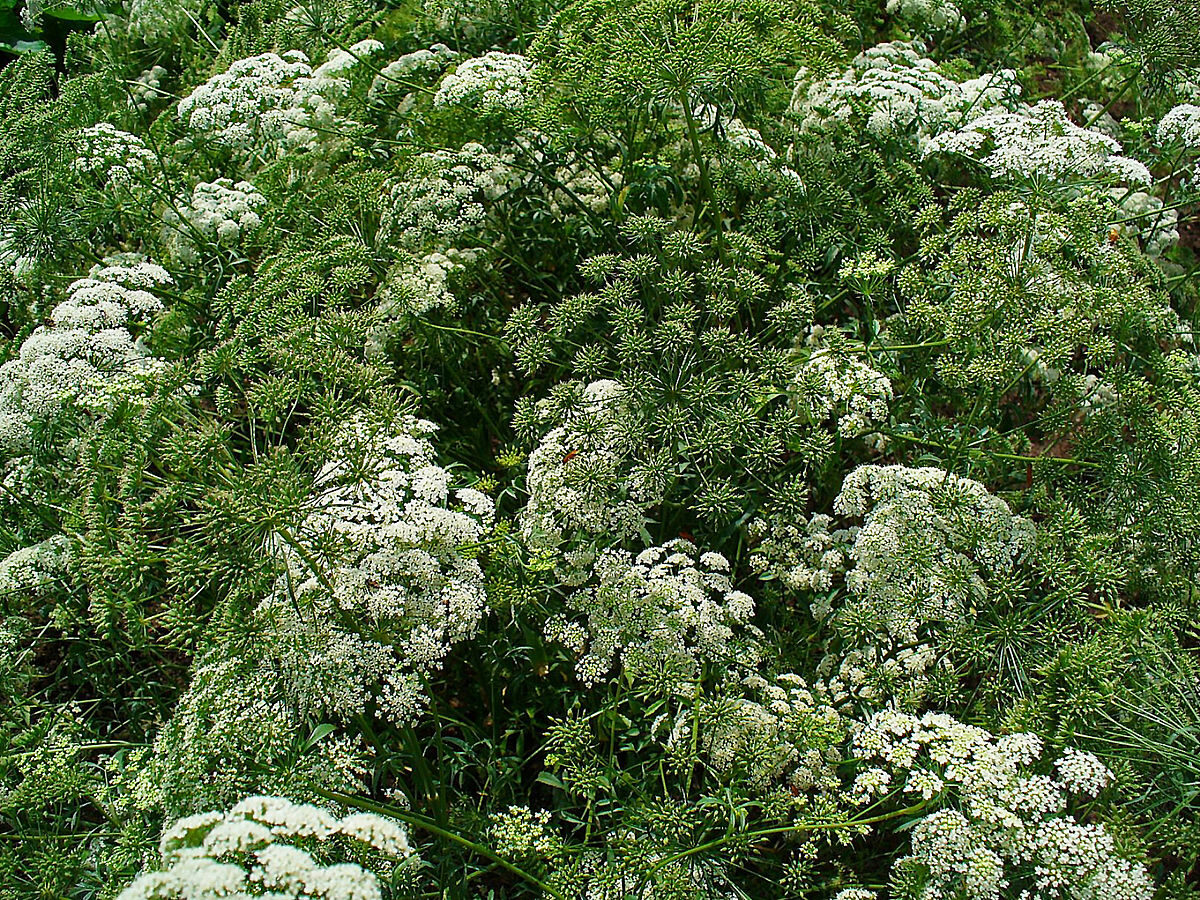
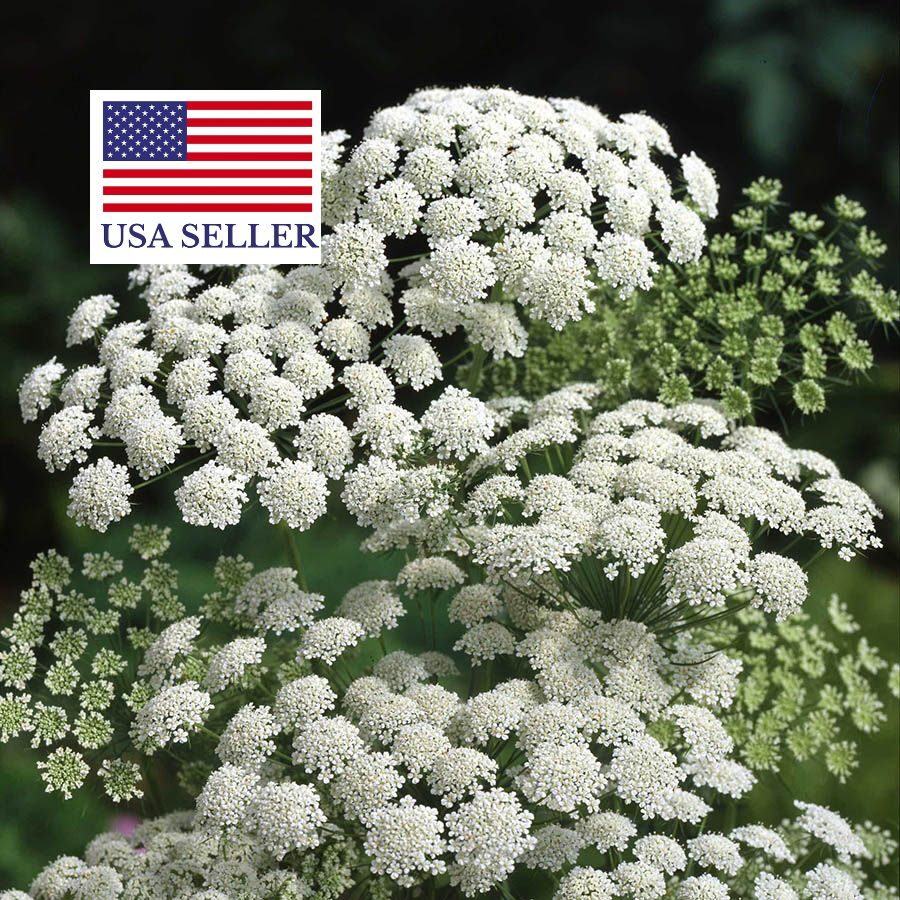
Grow the cut flower that professional florists and bridal designers covet. Ammi majus delivers domed clusters of pristine white lace—delicate as hand-spun silk, lasting 7-10 days in vases. Pairs with everything. Easy to grow from seed: direct sow in spring for early summer blooms, or autumn for spectacular spring harvests. The florist’s filler that steals the show.
€1.92
There is no flower quite like Ammi majus—a whisper of lace suspended on elegant stems, demanding nothing but delivering everything a serious gardener or cutting enthusiast could want.
Native to the warm, sandy soils of the Nile River Valley and Mediterranean, this delicate annual belongs to the carrot family and has enchanted gardeners for millennia. The genus name itself—Ammi, from the Greek “ammos” (sand)—speaks to its origin in sun-baked shores where it thrives without fuss. Yet its true magic lies not in history alone, but in what it brings to your hands, your garden, and your arrangements.
**THE CUT FLOWER THAT MAKES ARRANGERS WEEP WITH JOY**
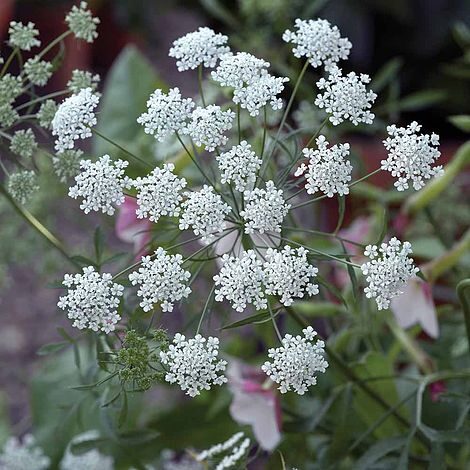
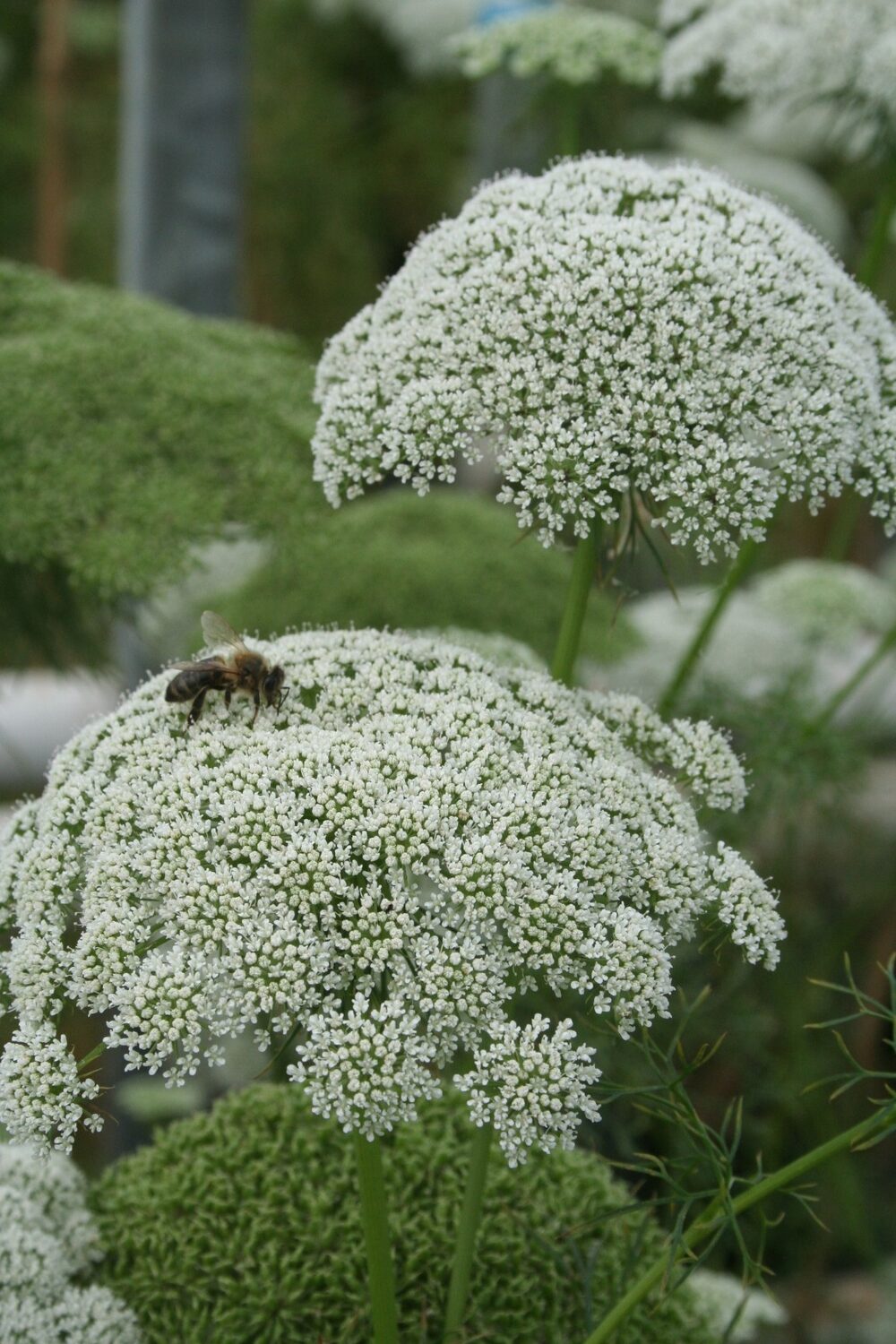
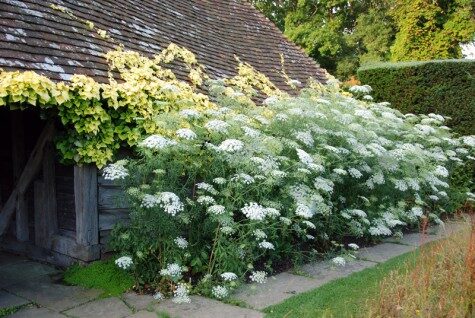
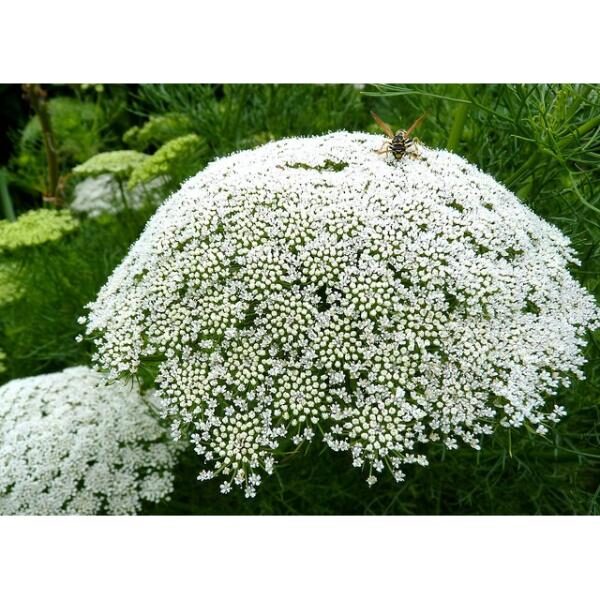
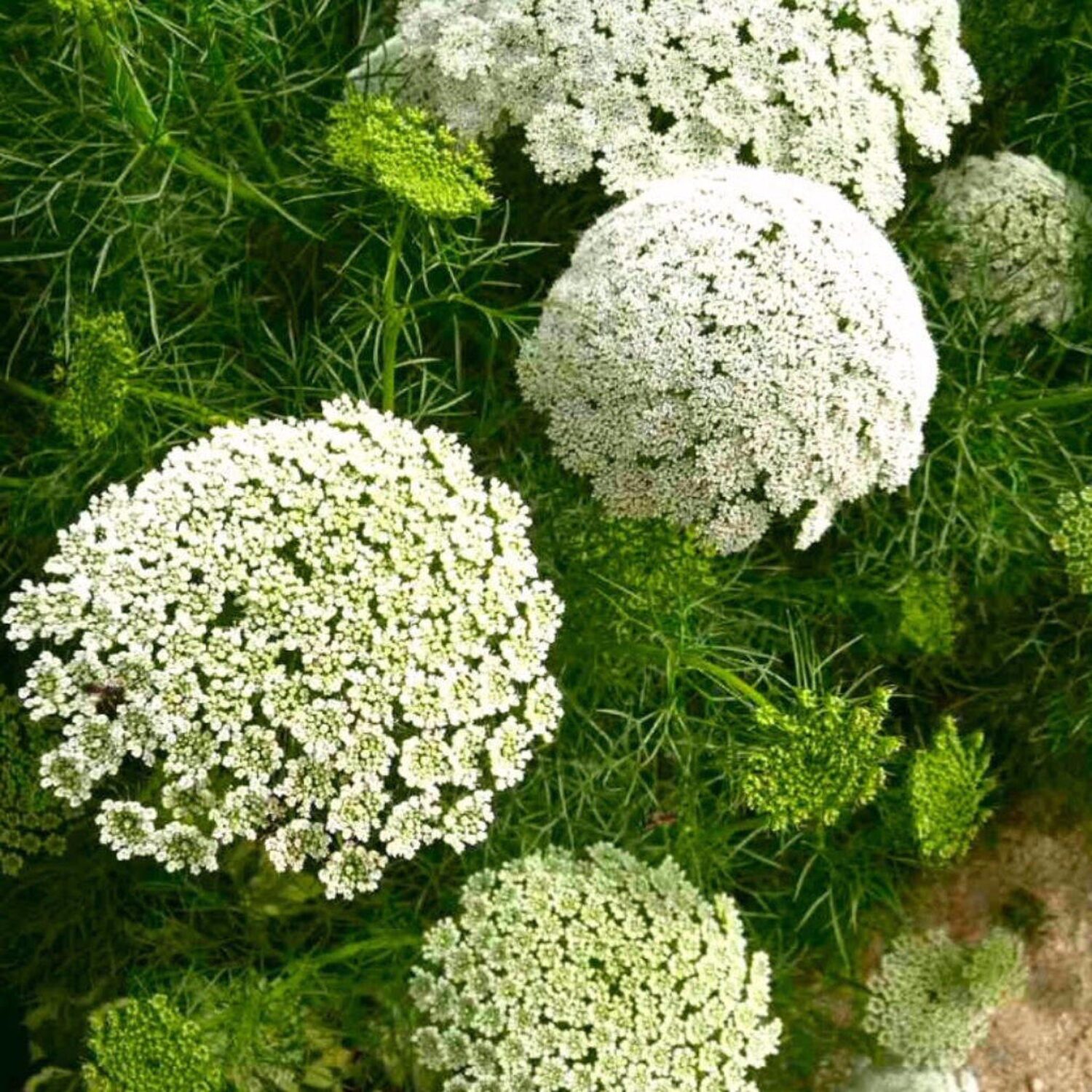
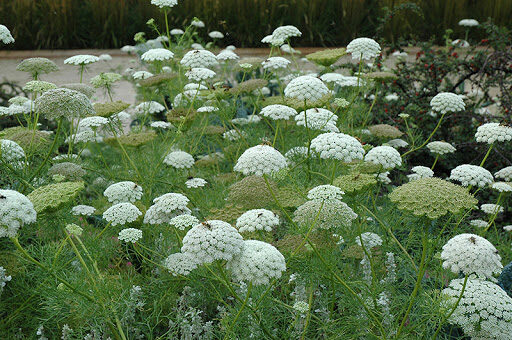
Ammi majus is the secret weapon of professional florists, wedding designers, and cutting-garden obsessives worldwide. Its signature white lace umbels—delicate clusters of thousands of tiny florets packed so densely they create an ethereal openwork effect—transform any bouquet into something breathtaking. The flower heads reach 15 centimeters across, sitting proudly atop tall, multi-branched stems (90–120 cm tall), and last an extraordinary 7–10 days in fresh water. Unlike Queen Anne’s Lace (which it resembles so closely many mistake them for twins), Ammi majus isn’t invasive—it’s pure ornamental grace. It pairs harmoniously with every flower imaginable: soften bold dahlias, add whimsy to cottage-garden arrangements, create pure romance in bridal bouquets. Its feathery, finely-dissected foliage contributes to an overall airy, ethereal quality that makes it one of the finest filler flowers in the world. Professional growers succession-plant Ammi majus in spring for early-summer harvests, knowing that each stem will yield an abundance of harvestable material—a cutting garden’s dream.
**A GLIMPSE OF ANCIENT MEDICINE, A TOUCH OF MYSTIQUE**
Beyond the vase lies deeper intrigue. For thousands of years, from ancient Egypt to the 13th century and beyond, Ammi majus has been prized for far more than beauty. The plant’s roots and seeds contain 8-methoxypsoralen and high concentrations of furanocoumarins—compounds with pigment-producing properties. North African caravan travelers once chewed the roots as a natural sunscreen, harnessing the plant’s ability to stimulate skin pigmentation as protection against harsh UV rays. Later, physicians and healers used Ammi seeds to treat vitiligo, psoriasis, and other skin conditions—a medicinal legacy that echoes through centuries. Growing it connects you to botanical history itself.
**PURE JOY TO CULTIVATE**
Here’s what makes Ammi majus irresistible: it’s genuinely easy to grow. This cold-hardy annual thrives in well-drained soil with moderate fertility and adapts to sandy, loamy, or clay soils alike. It prefers full sun to light shade, moderate moisture, and appreciates cool nights—especially during establishment. Direct seed outdoors in early spring (as soon as soil is workable) or in autumn for earlier, more vigorous plants. If sowing indoors, start 6–8 weeks before last frost and refrigerate seeds for 1–2 weeks to mimic winter dormancy. Seeds germinate in 7–21 days. Space plants 15–18 inches apart. Once established, the deep tap root sustains plants through all but the driest conditions. It’s virtually pest and disease-free, earning the Royal Horticultural Society’s prestigious Award of Garden Merit—a mark of excellence for ordinary gardens.
One note: the plant attracts beneficial insects—ladybirds, lacewings, hover flies, bees—creating a naturally balanced ecosystem. A bonus that turns your cutting patch into a pollinator paradise.
**GROW IT. HARVEST IT. ARRANGE IT. LOVE IT.**
There are few plants that bridge the gap between garden-grown abundance and florist-grade beauty as seamlessly as Ammi majus. Sow seeds this spring and watch slender stems unfurl with feathery promise. By early summer, you’ll be harvesting armfuls of the finest white lace, fresh enough to crisp in cool water overnight, ready to transform ordinary bouquets into heirloo
Only logged in customers who have purchased this product may leave a review.

Reviews
There are no reviews yet.