
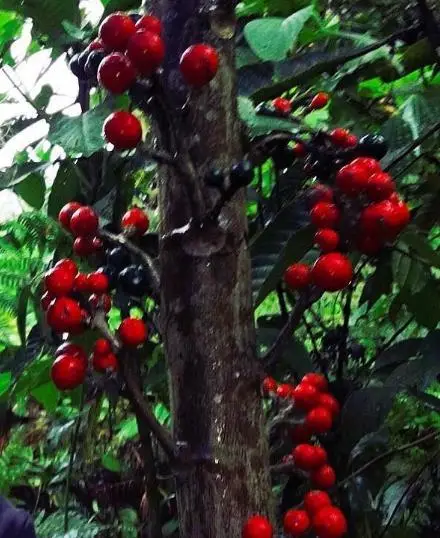
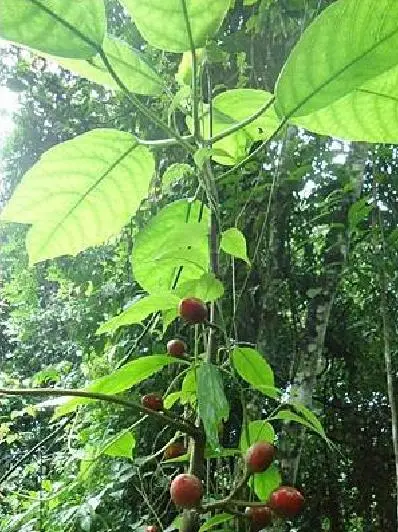
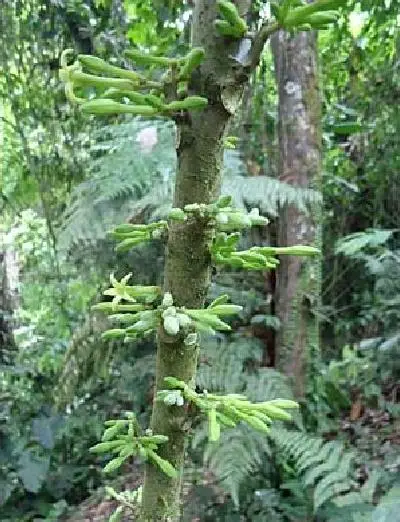
Discover Ecuador’s rarest fruit treasure: a slender, fast-growing papaya with cream flowers and ruby-red edible fruits no cultivar can match. Grow this uncommon rainforest jewel from seed for fresh harvest or stunning ornamental presence. Small, delicious fruits work fresh, cooked, or preserved. Simple to cultivate in warm climates.
Meet one of South America’s most exquisite—and underappreciated—fruit trees. Vasconcellea microcarpa subsp. baccata is a rare wild papaya that transforms any tropical or warm temperate garden into a living museum of edible history. This isn’t just another fruit tree; it’s a living bridge to Ecuador’s montane rainforests, where indigenous peoples have harvested and cherished it for generations.
Native to the rainforests of Ecuador at elevations around 1800 meters, this botanical rarity grows nowhere else in the world with the grace and vigor you’ll find in Vasconcellea microcarpa. While most people know only the common cultivated papaya, this wild subspecies represents the genetic treasure that makes the entire Caricaceae family remarkable. It’s a dioecious, evergreen specimen that stands 3–5 meters tall—manageable, sculptural, unforgettable.
Here’s where this species truly shines: you’re growing for both ornamental beauty AND culinary reward. The tree produces small, red, tender fruits that are genuinely delicious—tender, aromatic, and infinitely more complex than supermarket papayas. Both the fruits and young leaves are edible and traditional. The fruit can be savored fresh off the branch or cooked into jellies, jams, and both sweet and savory dishes. But beyond the kitchen, the plant itself is a statement piece: a slender, unbranched trunk topped with a terminal crown of undivided or palmate leaves, interrupted by delicate cream-colored flowers that appear along the stem and between the foliage. When those flowers give way to ripening red fruits clustered among glossy leaves, you’ll understand why collectors have obsessed over this species for centuries.
Cultivation is refreshingly straightforward. Vasconcellea microcarpa thrives in warm tropical and subtropical climates (hardy to approximately zone 9b) and prefers well-draining soil with good light exposure. It’s a fast grower—you’ll see meaningful development within months—and it tolerates marginal soil conditions, even contributing to soil recovery in degraded areas. The tree is compact enough for large containers and vigorous enough to establish quickly in open ground. From seed to first flowers typically takes 18–24 months, but every season brings you closer to your own harvest. Water moderately, provide bright indirect light or full sun in warmer zones, and let this rainforest native do what it does best: grow with effortless elegance.
Grow Vasconcellea microcarpa subsp. baccata from seed if you’re brave enough to claim something truly rare. You’ll nurture a living piece of Ecuadorian botanical heritage, create a conversation-stopping ornamental focal point, and eventually harvest fruits that tell the story of mountain forests and human tradition. This is not just gardening—it’s botanical time travel.
Only logged in customers who have purchased this product may leave a review.

Reviews
There are no reviews yet.