Description
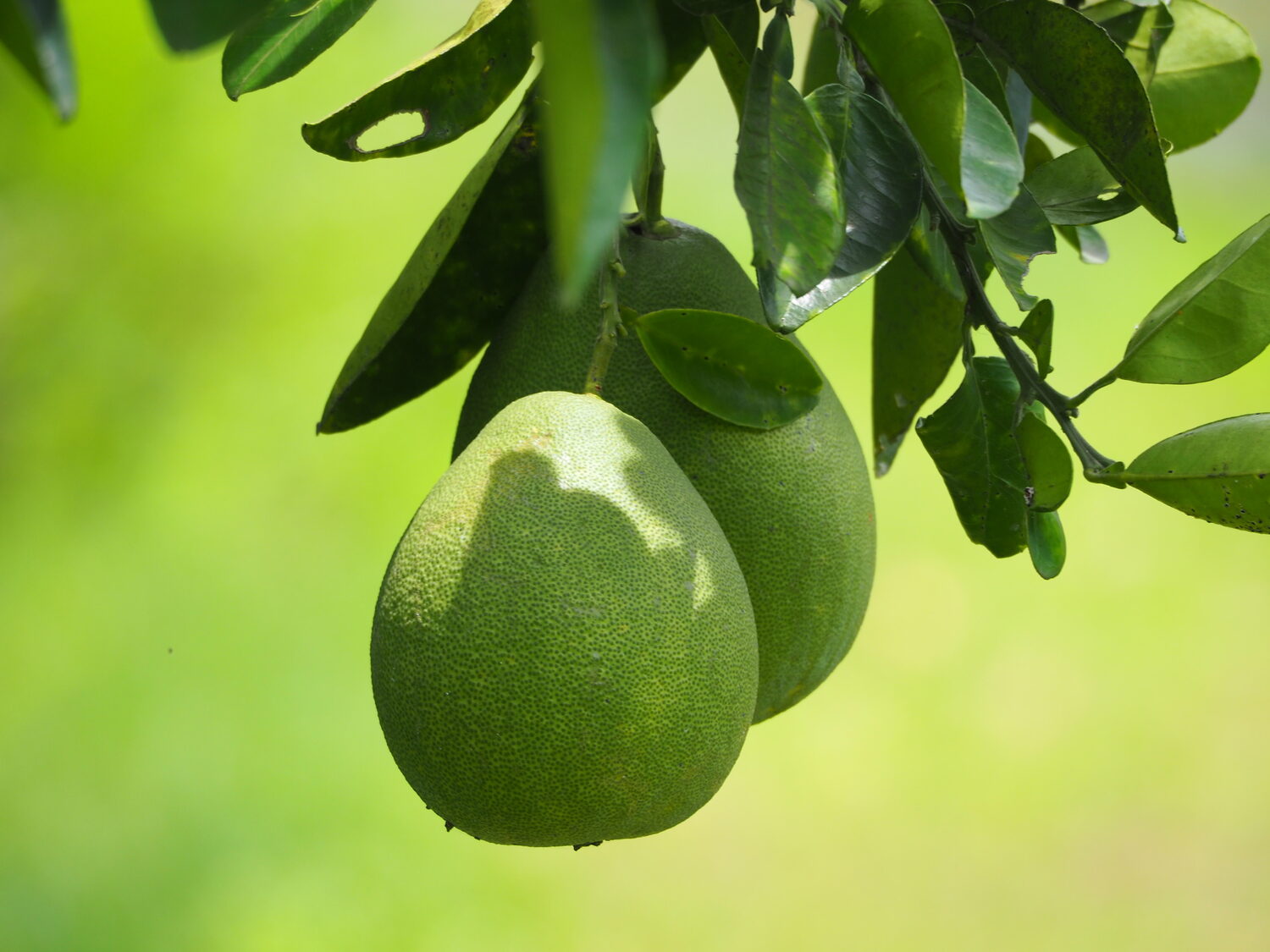
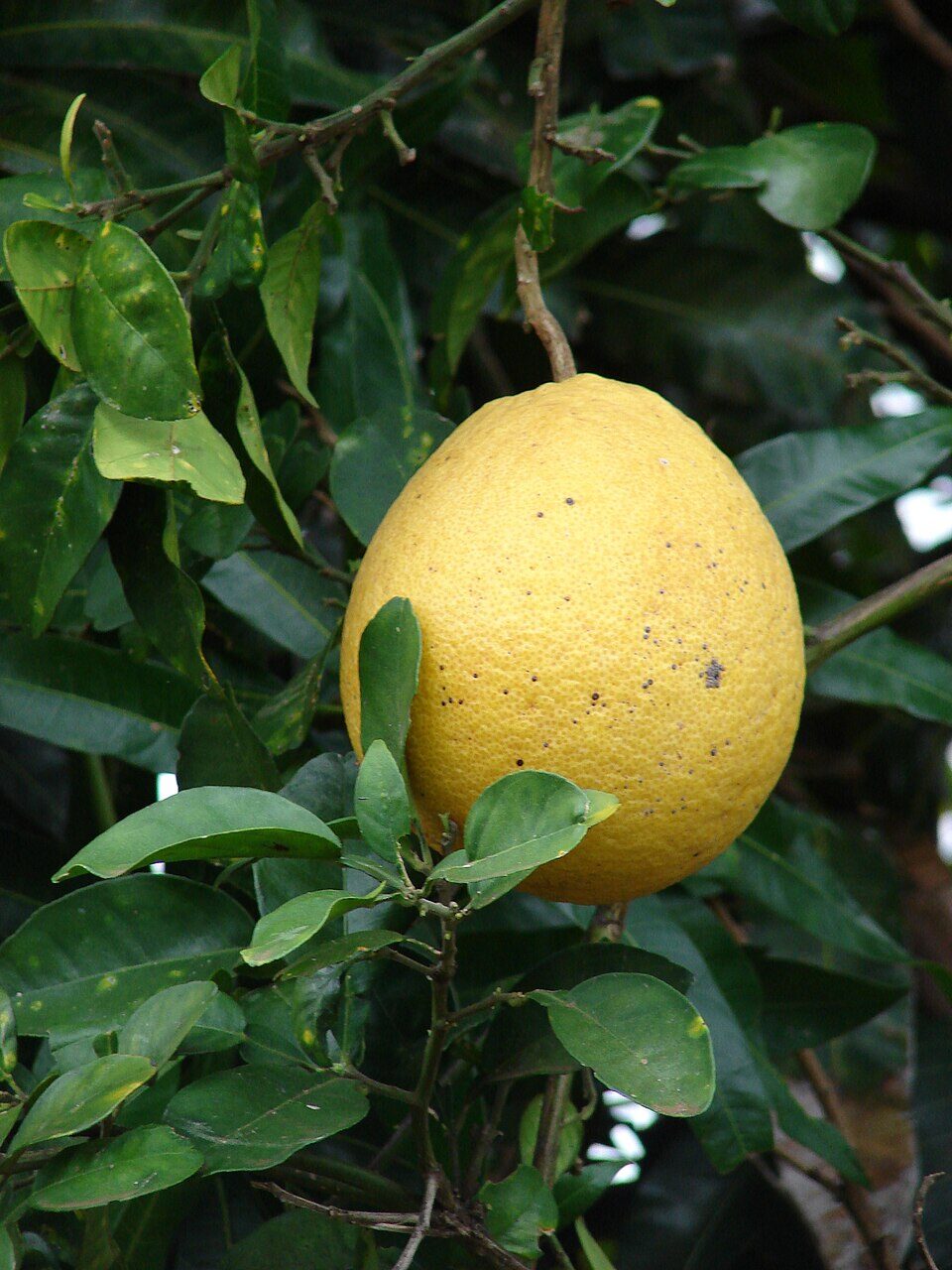
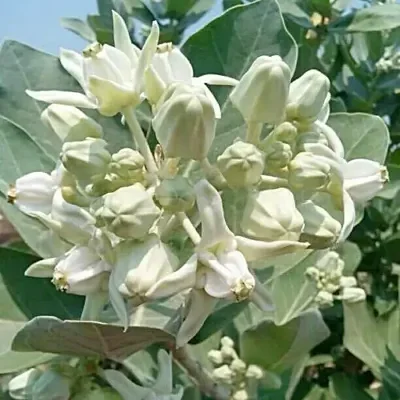
Citrus maxima, commonly known as pomelo, pummelo, or shaddock, is a large citrus fruit and the largest member of the citrus family (Rutaceae). It is a non-hybrid, natural species native to Southeast Asia, where it has been cultivated for thousands of years. The pomelo tree is an evergreen with a thick trunk and low, spreading branches. Its fragrant flowers are creamy white or pale yellow.
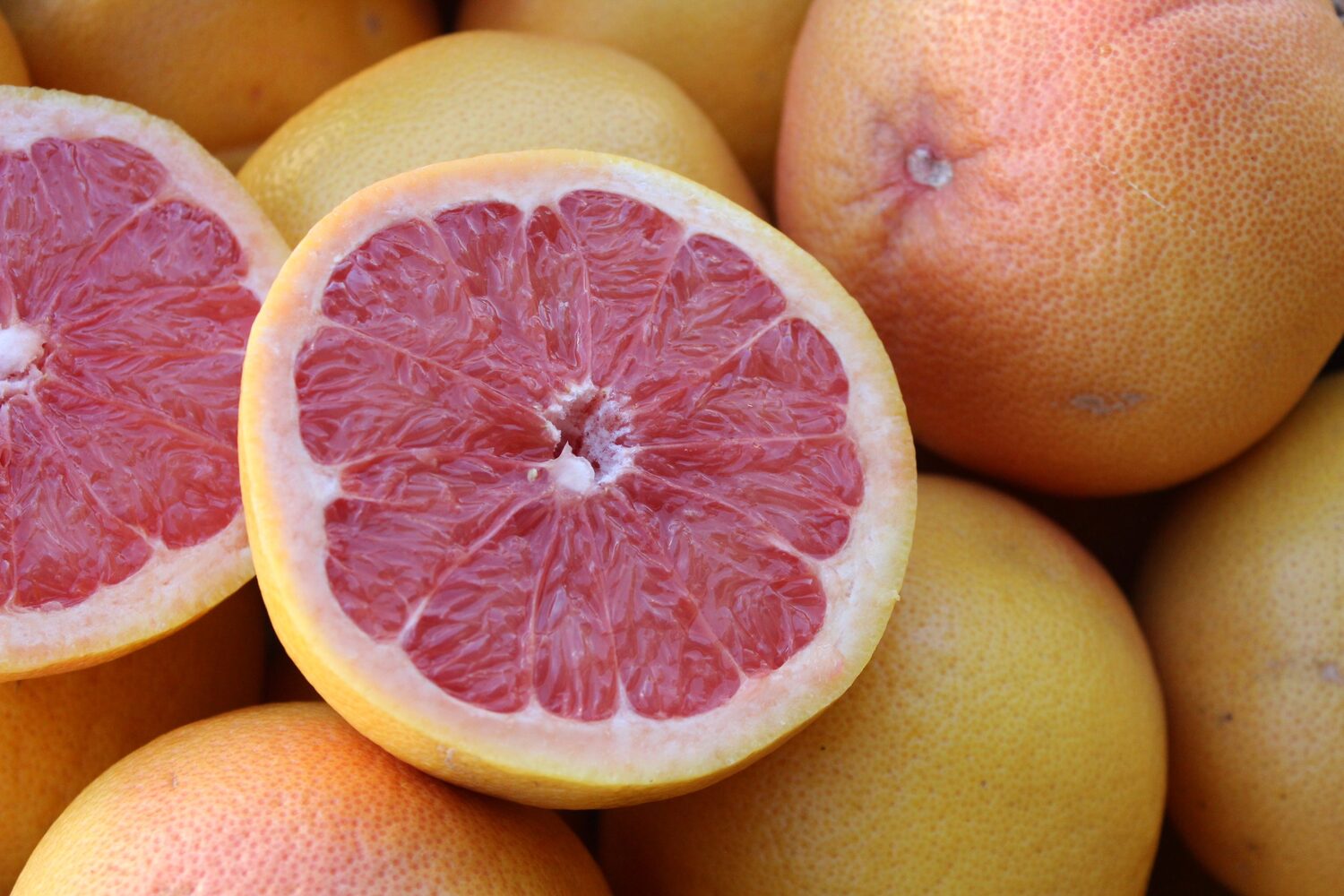
The fruit itself is immense, typically ranging from 10-30 cm in diameter and can weigh several pounds. It has a very thick, spongy rind that is easily peeled, revealing a pulp that is less juicy than a grapefruit. The flesh can be pale yellow, pink, or red and has a sweet, mildly tart flavor with none of the bitterness associated with its close relative, the grapefruit. Pomelos are a good source of vitamin C, antioxidants, and fiber. They are often eaten fresh, used in salads and desserts, and their thick rinds can be candied.
Germination Guide
🌍 Southeast Asia (Thailand, Malaysia, Indonesia, Assam to Indo-China)
Moderate
Citrus maxima (pomelo) is the largest citrus fruit species and one of three foundational wild citrus ancestors. Native to Southeast Asia, this subtropical evergreen tree produces massive, sweet-sour fruits. Seeds are polyembryonic (multiple viable shoots per seed), producing genetically identical seedlings with virus-free characteristics.
Germination
Germination time
Expect germination in
14 – 42 days
Temperature
Min 20°C
Ideal 25°C
Max 30°C
Substrate moisture
💧 Medium
Seed Pre-treatment
-
💧
Soaking — 24 hours
Soak seeds in lukewarm water (25-30°C) for 12-24 hours to improve germination and soften seed coat
-
📋
Additional notes
Soak seeds in lukewarm water (25-30°C) for 12-24 hours before planting. Seeds are large and have longer germination periods.
Substrate & Container
Recommended substrate
Well-draining seed mix (peat moss, perlite, and vermiculite or sand-based compost). Slightly acidic soil preferred (pH 6.0-7.0).
Recommended container
Pot with plastic wrap or humidity dome cover. Use propagator or heated propagator for optimal results.
Growing Tips
Seeds exhibit polyembryony; expect 2-4 seedlings per seed. Place seeds 1 cm deep in moist substrate. Maintain consistent moisture without waterlogging. Bottom heat (25-30°C) accelerates germination. Germination typically occurs within 2-4 weeks but can extend to 6 weeks. Once seedlings emerge, provide bright indirect light and gradually introduce direct sunlight. Transplant when seedlings develop 4-6 true leaves. Keep soil constantly moist during germination. Seedlings are susceptible to damping off; ensure good ventilation. Use acidic potting mix to reduce chlorosis. Seeds from dried-out fruit lose viability; use fresh seeds when possible.
Only logged in customers who have purchased this product may leave a review.



Reviews
There are no reviews yet.