
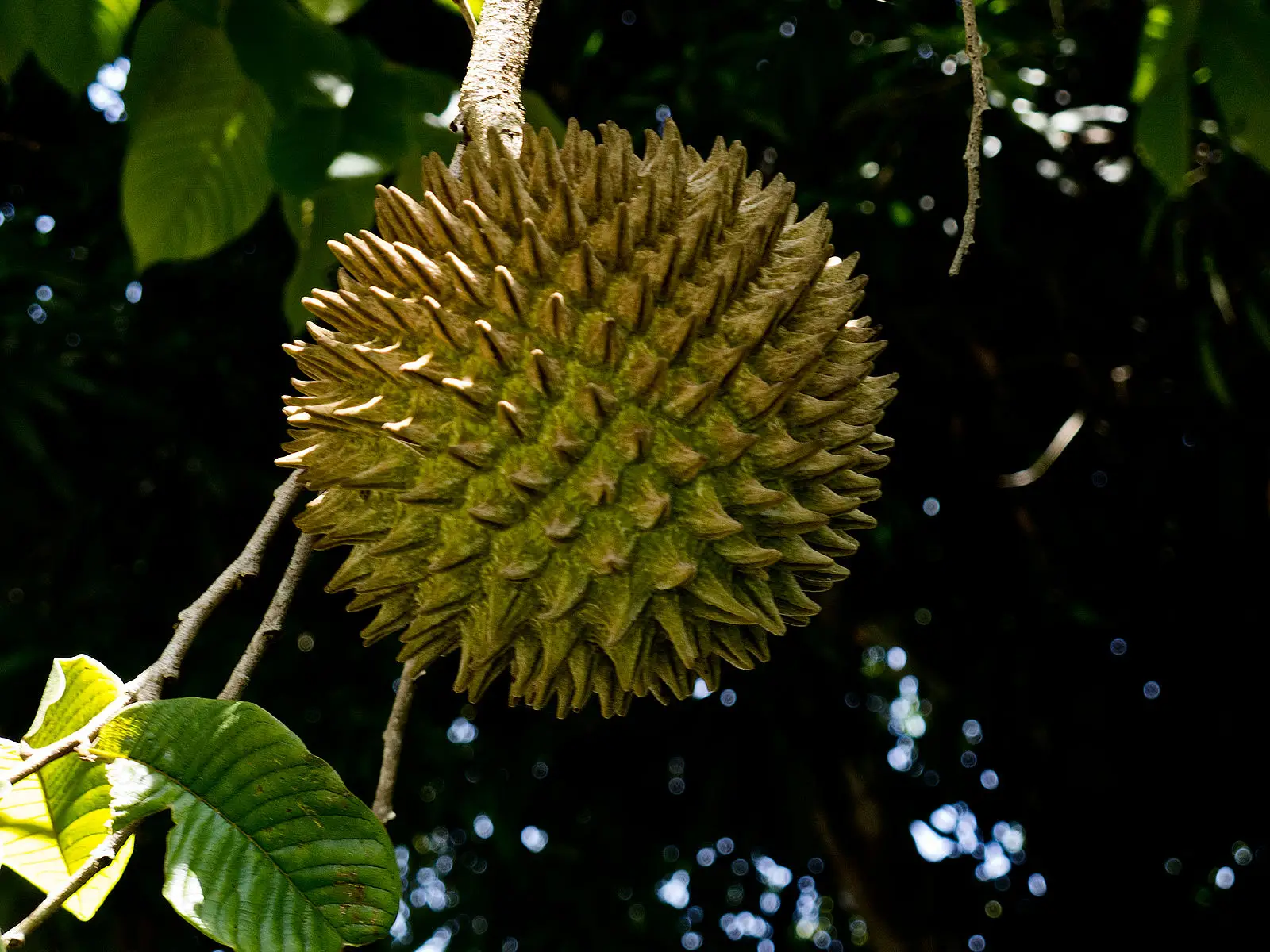
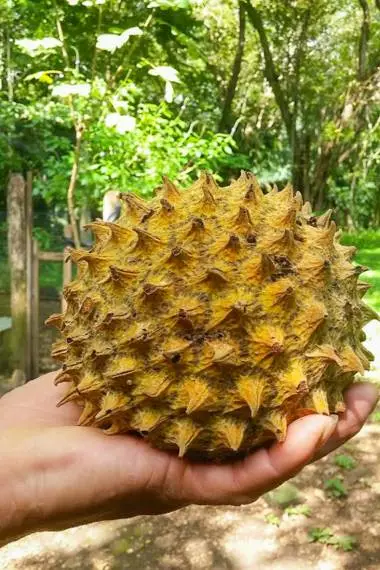
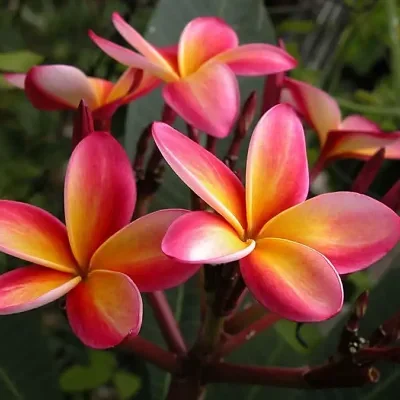
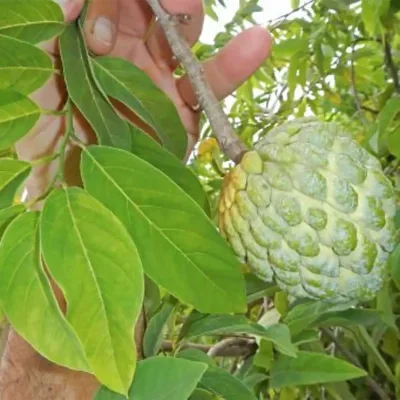
Grow the elusive soncoya from seed and unlock extraordinary fruit: rich, creamy, tropically sweet—perfect for silky smoothies, handcrafted ice cream, and fresh-pressed juice. This medium tree blooms with showy, fragrant pink flowers, producing rounded fruits 6-8 inches wide covered in felt-textured skin and hook-like projections. Trees bear in just 1 to 3 years and thrive in containers. A rare, authe
€8.10
Imagine harvesting a fruit rounded and 15–20 cm wide, its felt-textured brown skin studded with hooklike projections that superficially resemble a durian. That’s the soncoya—an edible fruit and medicinal plant in the Annonaceae family so extraordinary, so rare in cultivation, that growing it from seed feels like an act of botanical rebellion.
Native to central and southern Mexico, Central America, Colombia, Ecuador, and Venezuela in northwestern South America, and Trinidad, the soncoya has been cultivated since time immemorial—yet it remains largely unknown outside the humid tropics. This species is closely related to the cherimoya, the sugar-apple and other species of Annona. What makes it special? It’s not the glossy marketing or commercial dominance of its cousins. It’s the authentic, unrefined beauty of a fruit that has survived centuries without needing to be famous.
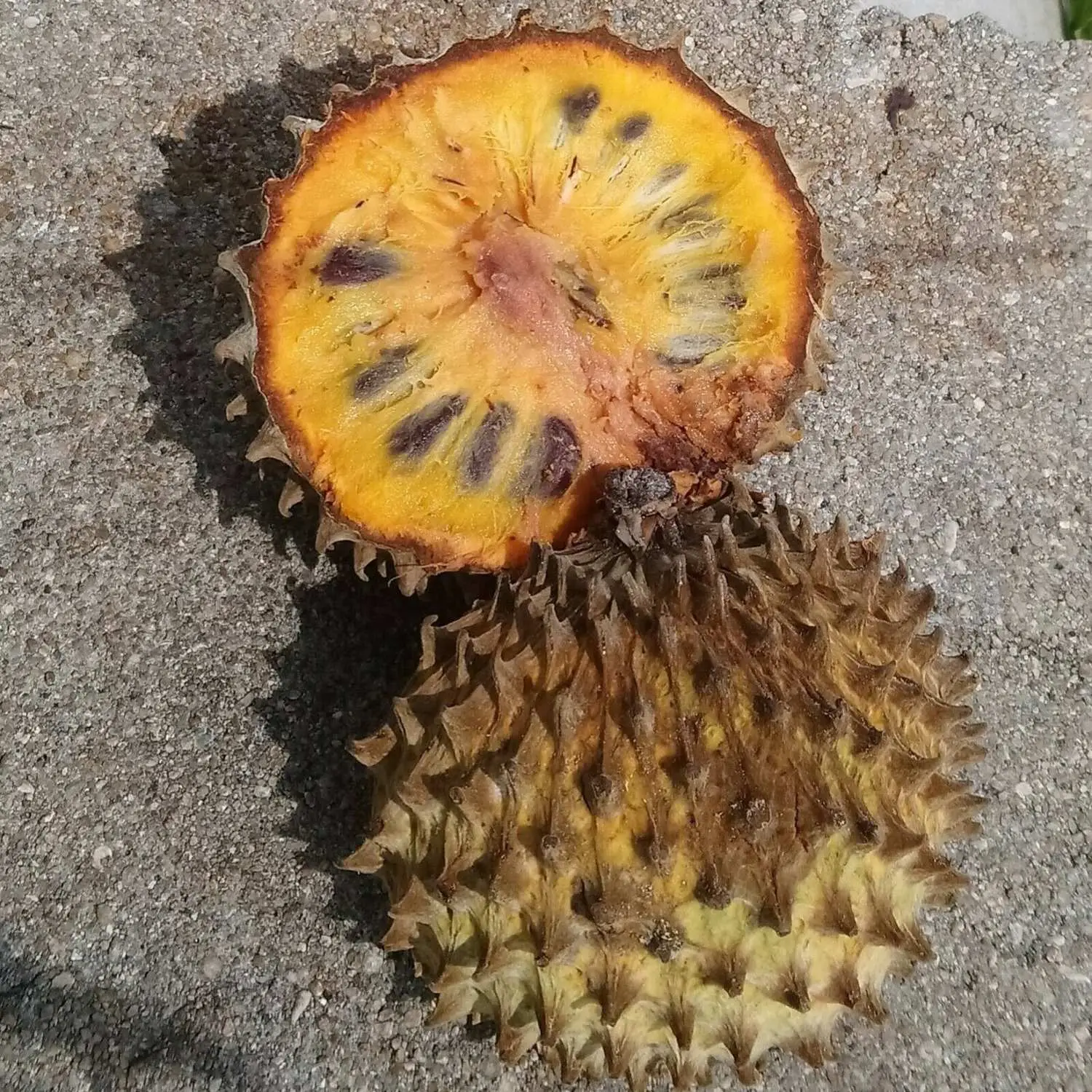
Here is where soncoya truly shines—in the kitchen. The large, spiky and somewhat hard-shelled fruit has orange flesh with a pleasant flavor but stringy texture that is best processed through a food mill and made into shakes, ice cream or the like. In Colombia, the pulp is eaten raw or is strained for juice, drunk as a beverage or folk remedy. Its tropical flavor, reminiscent of mango and banana, is perfect for eating fresh or adding to desserts and smoothies. Process the creamy pulp into velvet-smooth juice, blend it into frozen custard, or strain it into the perfect tropical cooler. In Mexico, Soncoya juice is regarded as a remedy for fever and chills. It is given to relieve jaundice, probably because of its color. Beyond the kitchen, traditional herbalists value every part: its bark is used for the treatment of dysentery and edema, and the roots are employed against kidney diseases. A fruit with purpose, with history, with soul.
Growing soncoya is more rewarding than difficult. Annona purpurea requires bright, direct sunlight for optimal growth. It thrives in warm, humid conditions typical of tropical climates. It loves a sunny exposition and warm-humid climate, its cultivation is consequently restricted to the tropical and subtropical zones, where it adapts to an ample variety of soils, provided same are draining as it does not bear water stagnations. The tree thrives in wet tropical climates and can grow up to 10 meters tall. Trees take about 1 to 3 years to bear and can be container grown. For trees grown in a pot, a soil-less mix is best. In regions with colder climates, the trees should be placed in a south-facing location and given additional protection such as a windscreen, or bringing the pot indoors during the winter months. It is important to follow a regular watering regime, so that the soil is kept evenly moist but not soggy. In tropical zones 9–11, this tree is nearly carefree; even in cooler climates, container cultivation rewards your patience.
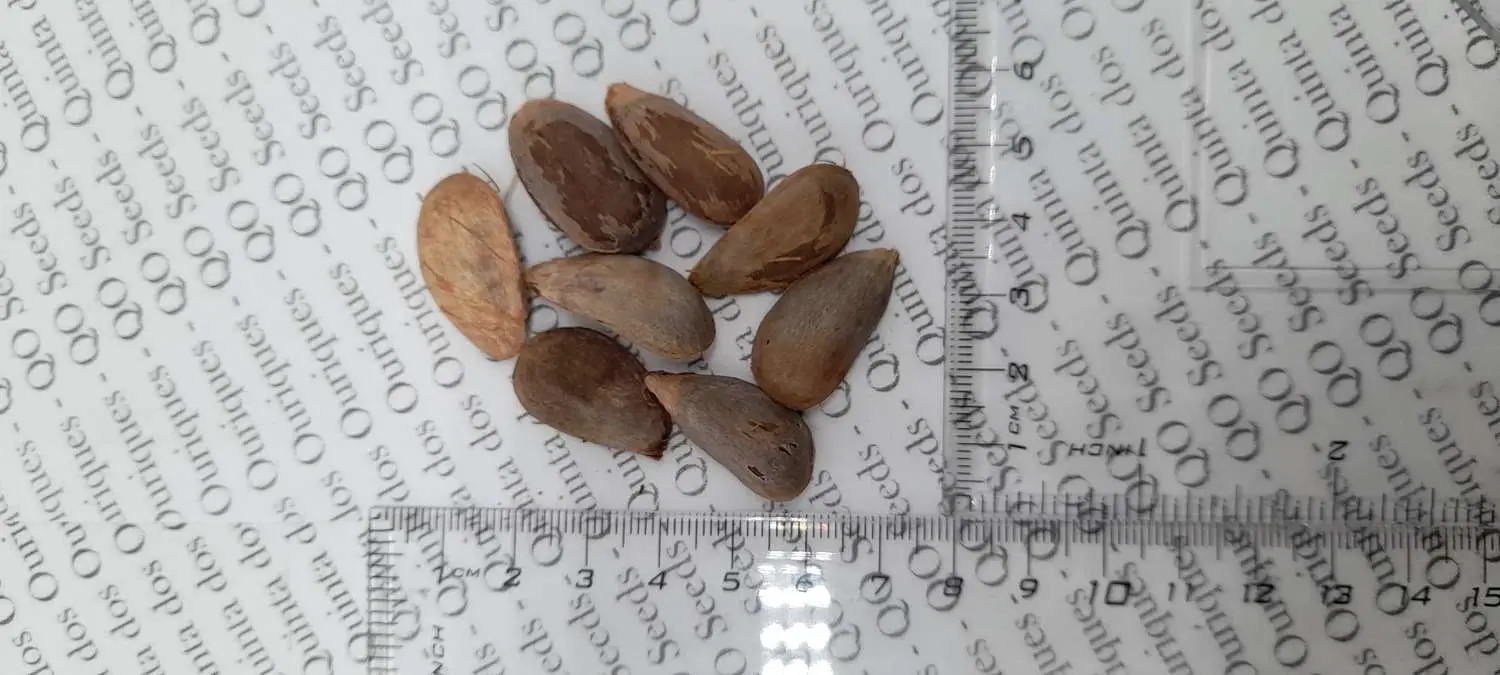
When you plant soncoya seeds, you’re not just growing a fruit tree—you’re resurrecting a part of ancient tropical history, cultivating rarity, and claiming a place at the table of those who know. Seeds have a germination time of 1 to 6 months, and yes, patience is required. But when that first fragrant pink flower appears, when that first spiky fruit swells on your branch, when you process your first batch of that impossible, creamy juice—you’ll understand why soncoya devotees guard their seeds like treasure. This is botany for the bold, fruit growing for the curious. Grow it from seed.
Only logged in customers who have purchased this product may leave a review.


Reviews
There are no reviews yet.