
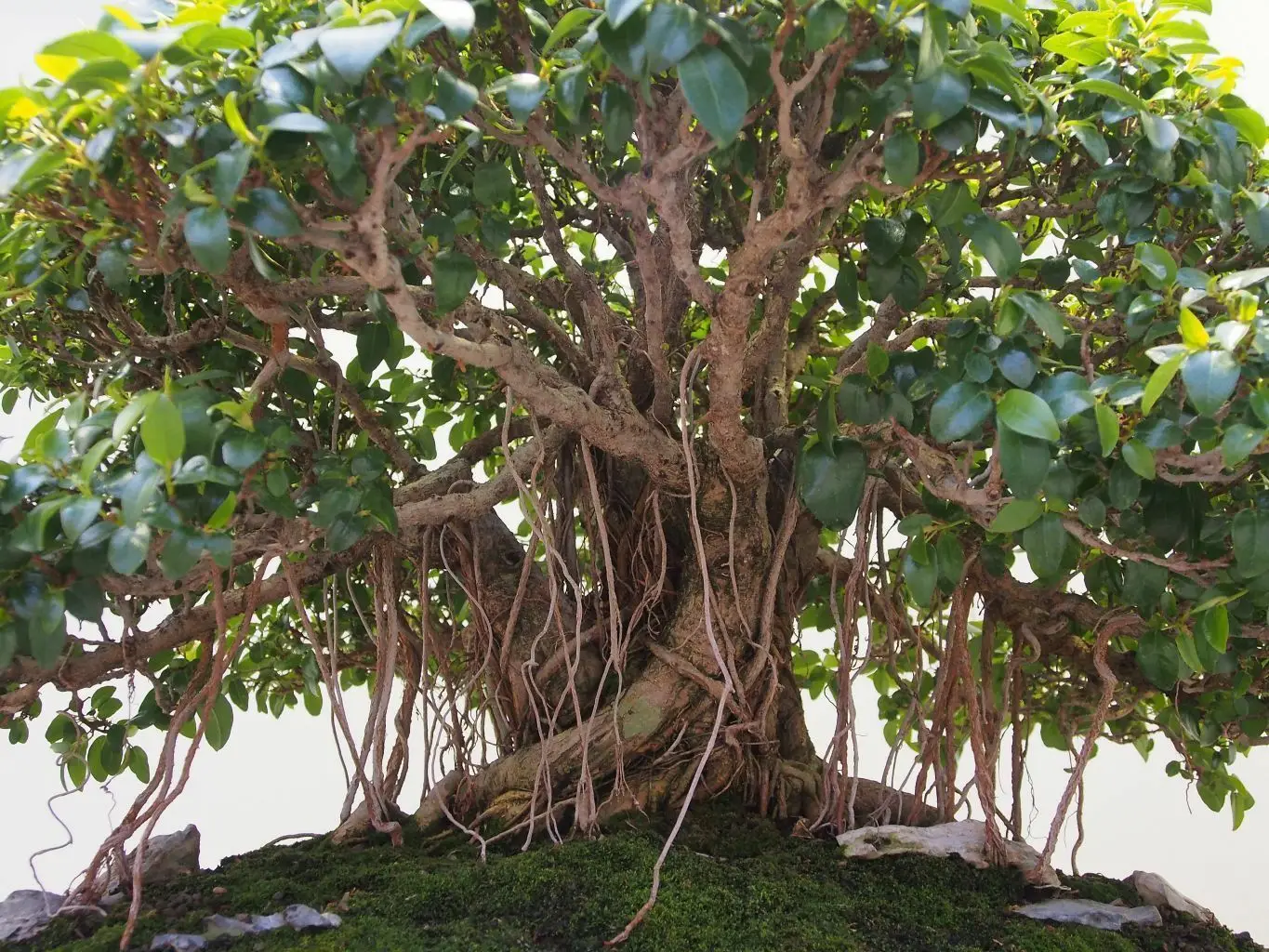
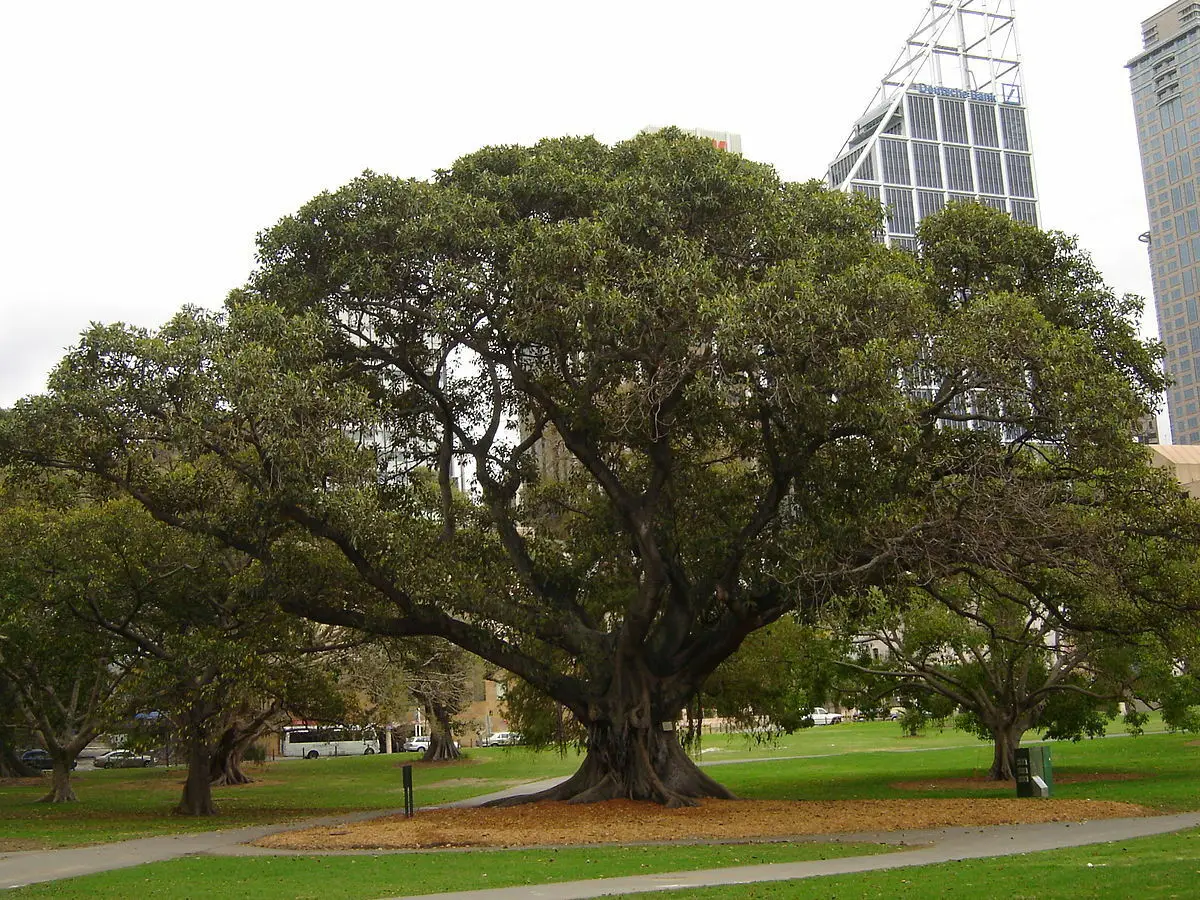
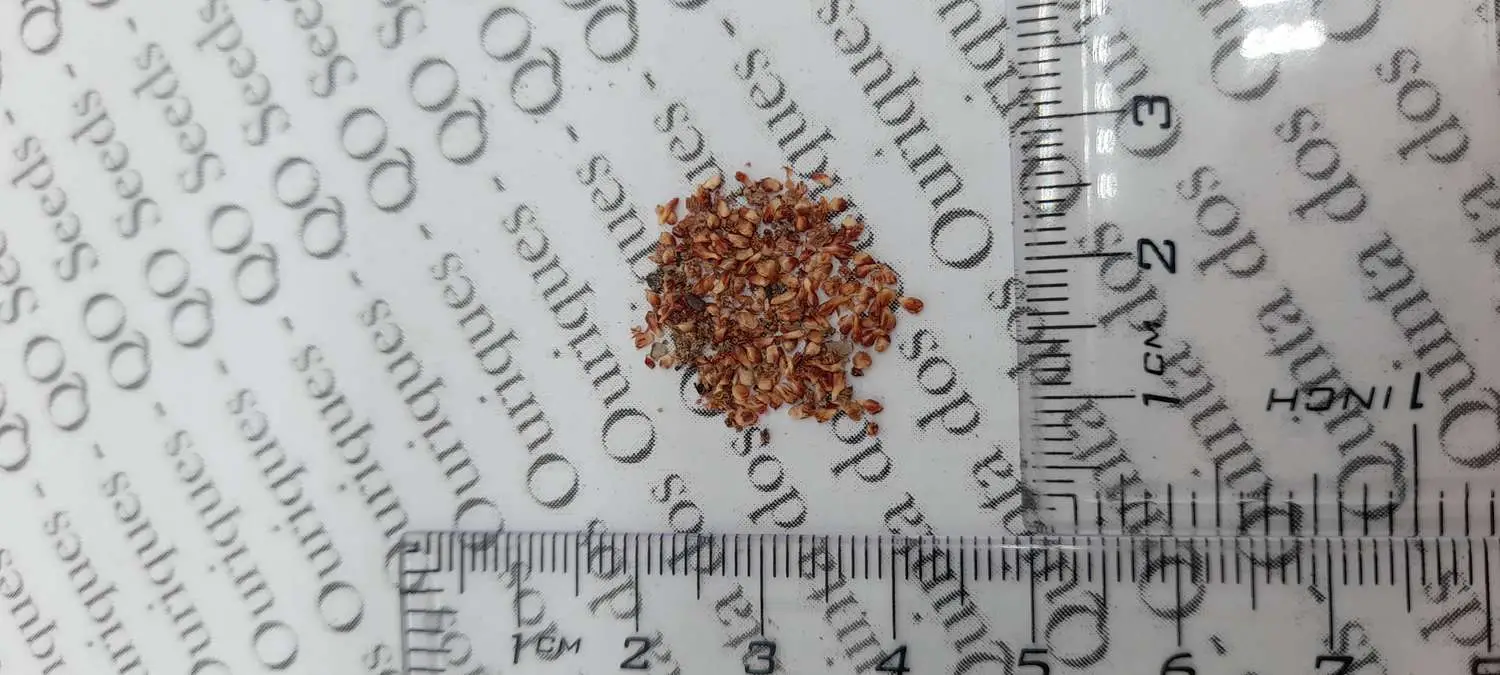
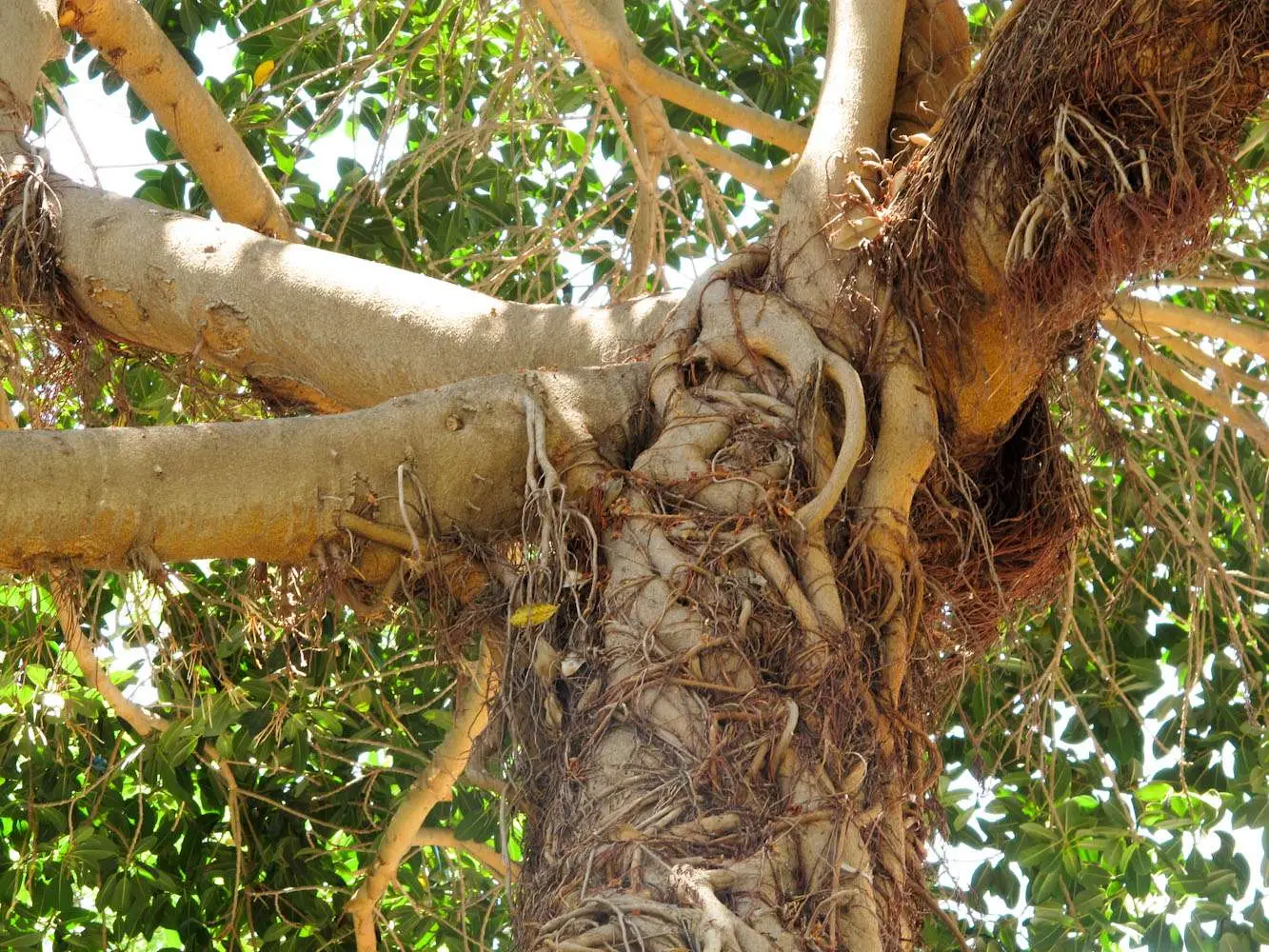
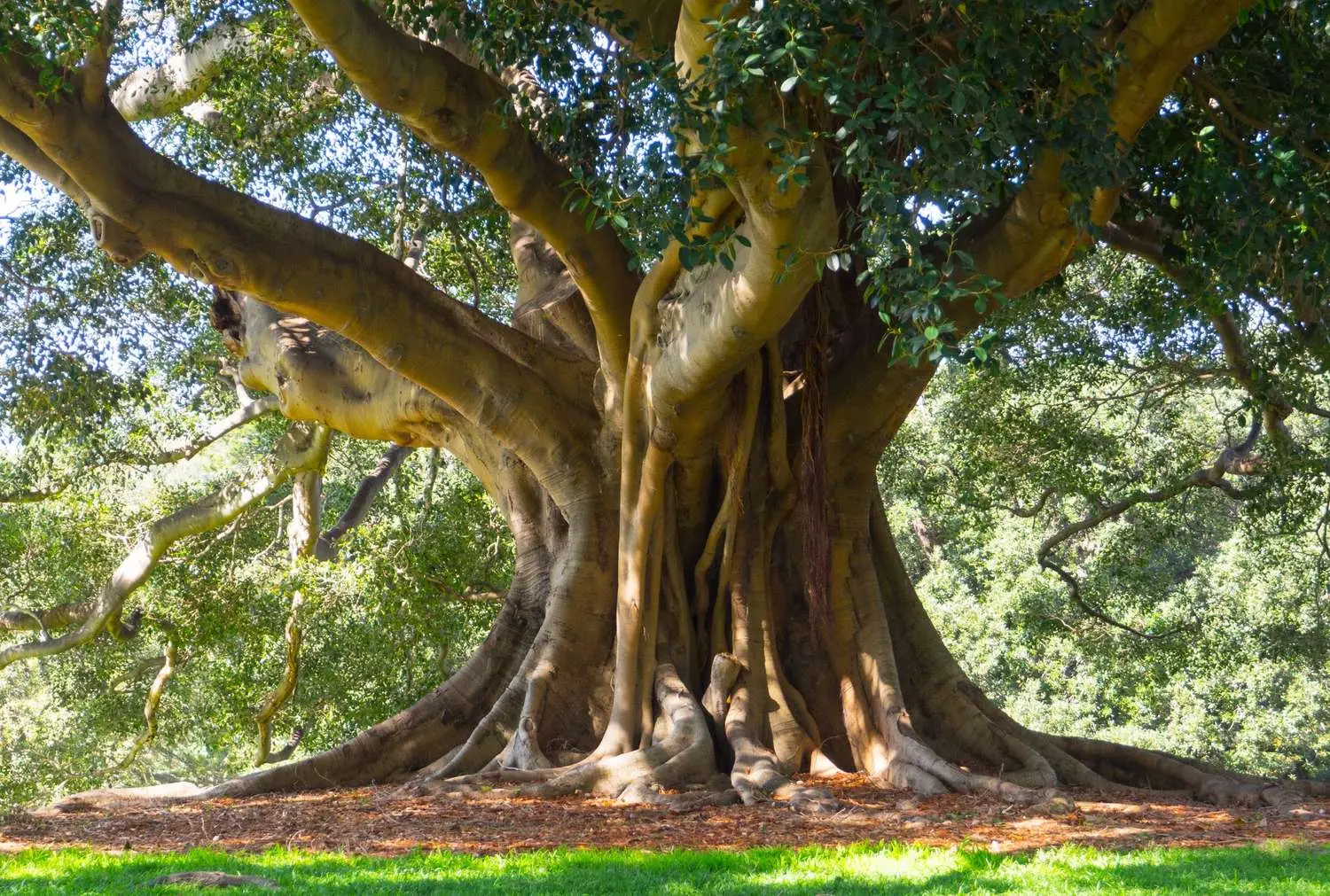
A strangler fig with glossy emerald leaves and mesmerizing architectural roots—naturally shaped for bonsai. Small leaves and trunk thickening give it optimal attributes for trees 10–80 cm in height. Seeds germinate well without pre-treatment. Watch your bonsai develop gnarled character year after year from a single seed.
€1.92
Imagine a fig tree that begins its life as an epiphyte—a daring aerial pioneer—then transforms into one of the most sculptural bonsai specimens in the world.
Ficus obliqua, commonly known as the small-leaved fig, is a tree in the family Moraceae, native to eastern Australia, New Guinea, eastern Indonesia to Sulawesi and islands in the southwestern Pacific Ocean. Previously known for many years as Ficus eugenioides, it is a banyan of the genus Ficus. The small-leaved fig was first described in 1786 by a German scientist named Georg Forster, who found the tree in Vanuatu. For many years it was known by a different name, Ficus eugenioides, but because Forster’s name was given first, it is the official name today. With a history spanning centuries and continents, this is a living testament to botanic discovery.
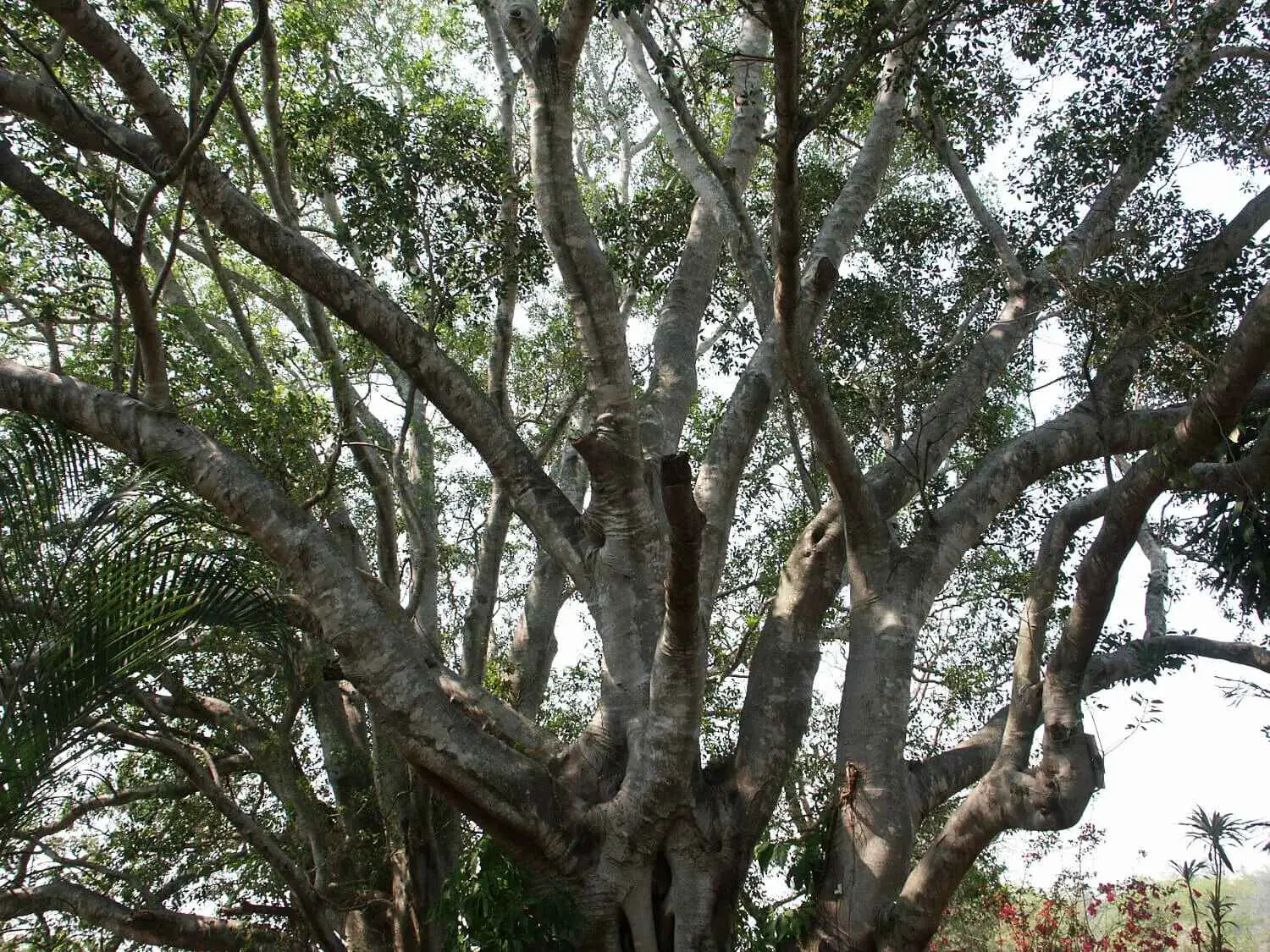
But here’s where the magic happens for the dedicated bonsai artist: Although F. obliqua is much less used in bonsai than other species, it is well-suited for use in the medium; its small leaves and trunk’s propensity to thicken give it attributes optimal for a tree 10–80 cm (3.9–31.5 in) in height. This is the bonsai enthusiast’s hidden gem. Due to its smaller leaf size, it is possibly one of the best to bonsai, especially considering it has the highly decorative trunk and root growth that is sought after in other species by many bonsai growers. It is seen in bonsai nurseries mainly in the Brisbane area, where it is a locally common species, and is very highly regarded by at least one proponent, Bradley Barlow. Barlow entered a specimen from Brisbane to the Bonsai Clubs International competition in 2006, winning a prize. Your seedling will develop that coveted gnarled, thickening trunk—the hallmark of authentic bonsai character—naturally, as it matures.
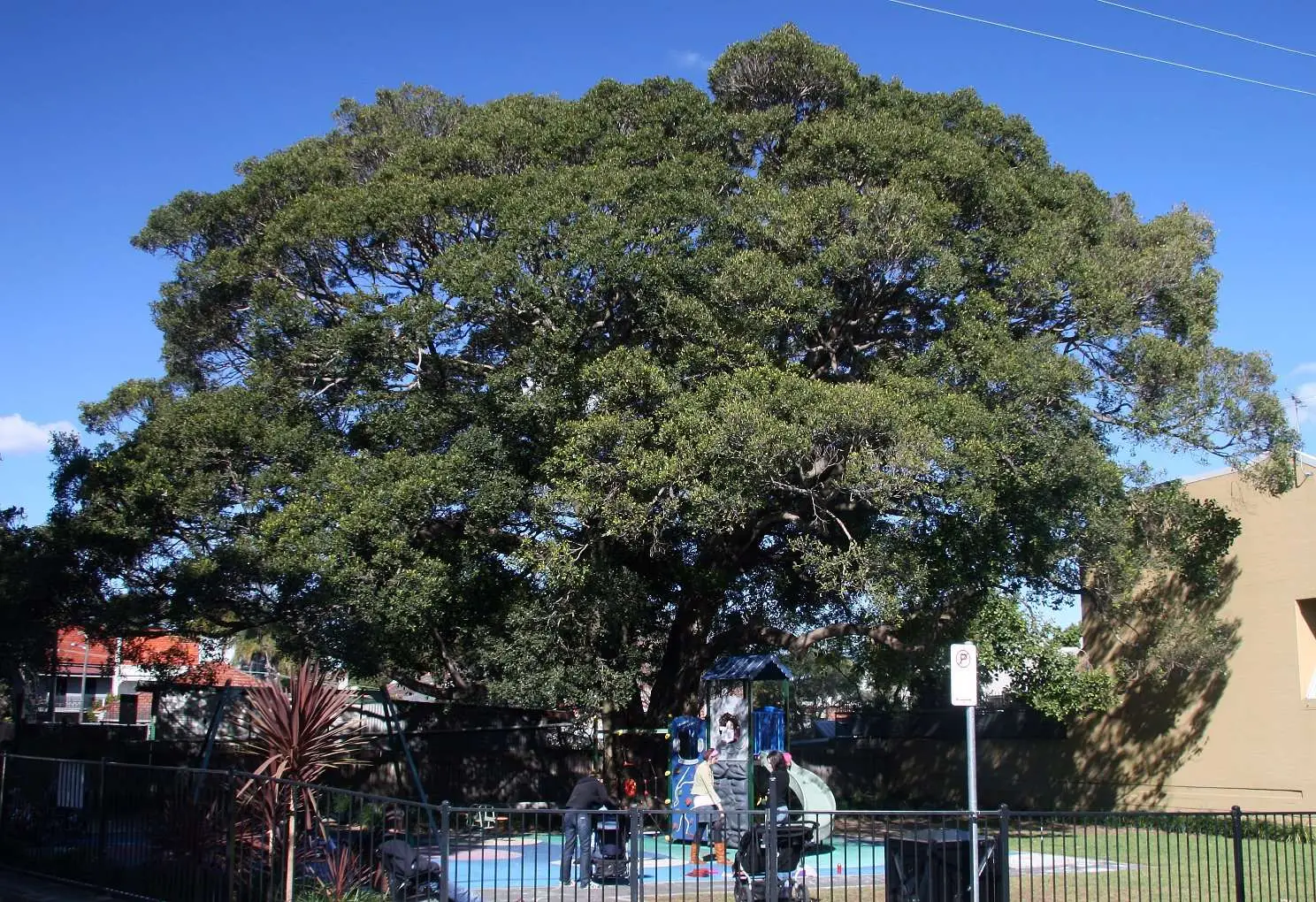
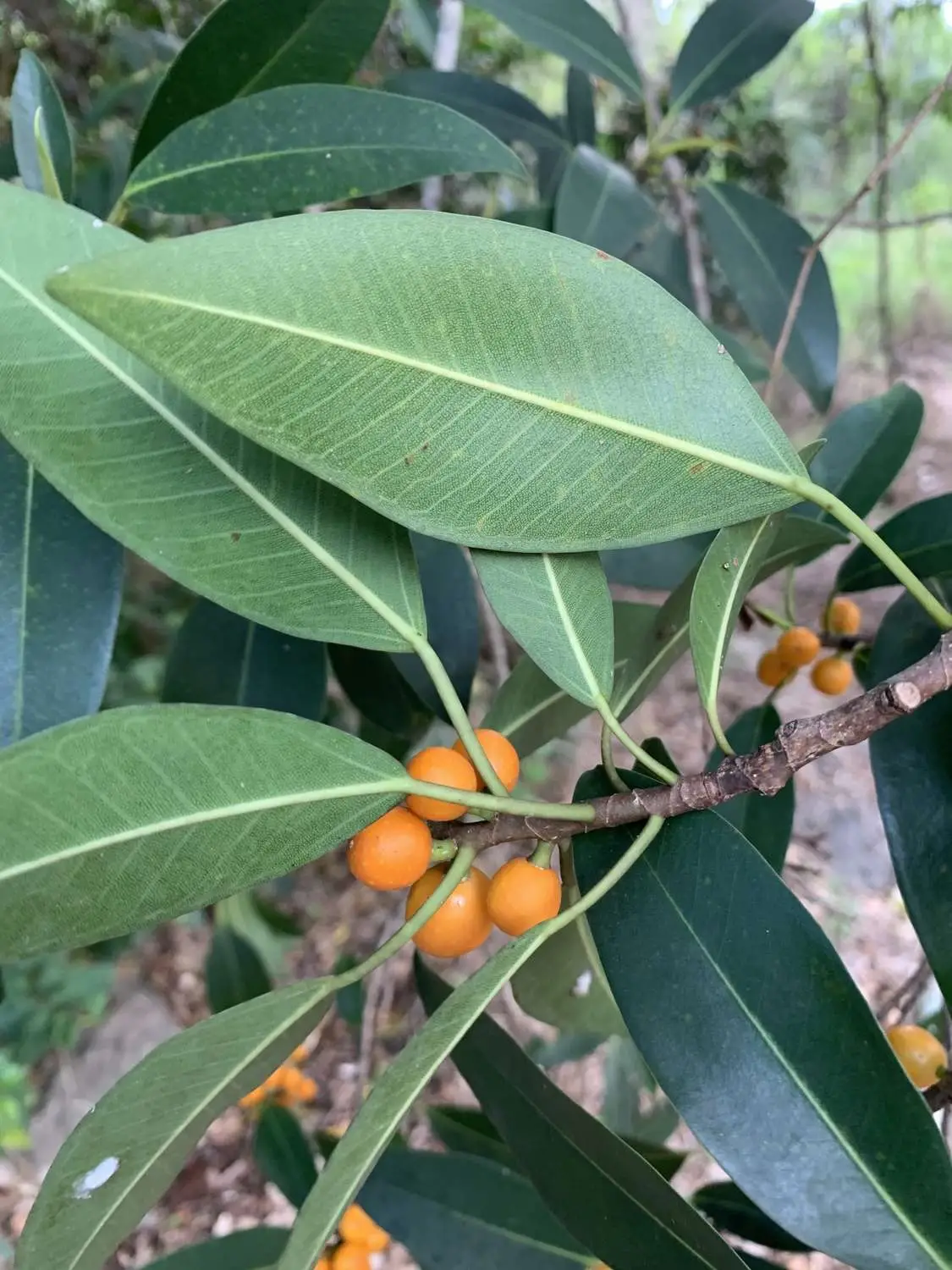
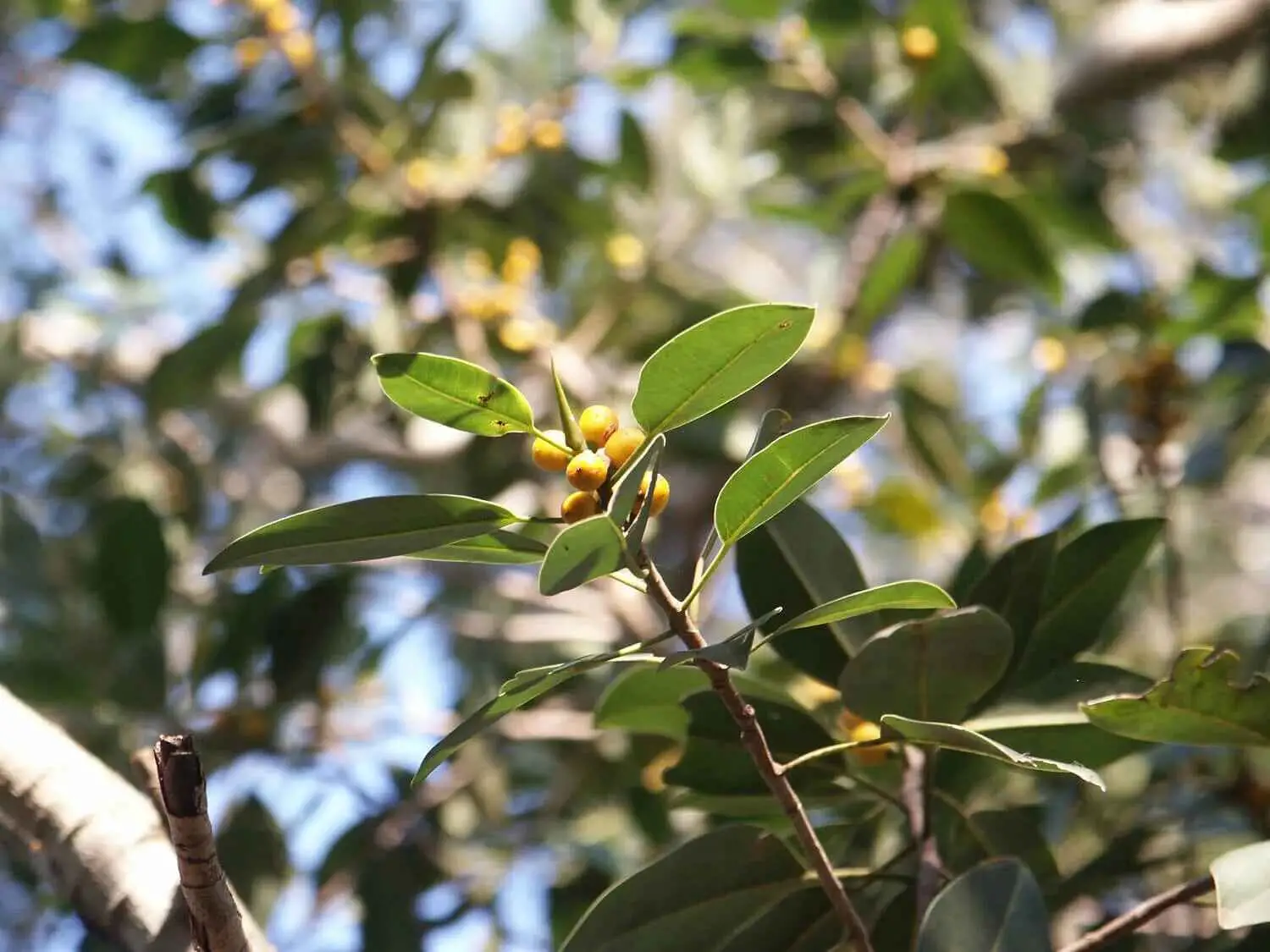
Beyond bonsai, this versatile beauty offers abundant rewards. This species has elliptical leaves in glossy mid-green to approximately 6cm, small for a fig and giving it its common name. The fruits are smallish in bright yellow carried prominently on short stems. With its glossy small leaves, attractive fruit and a trunk that develops a knotted, gnarled form, it makes an excellent bonsai subject or potted indoor plant. All parts of the tree have been used in traditional medicine in Fiji—a nod to the deeper ecological and cultural resonance of growing this species. Fruit is small, growing usually no larger than a blueberry at around 1 cm in diameter and is edible. And when grown tall, the Small Leaf Fig makes for a fabulous shade tree in parks and gardens.
Cultivation is surprisingly forgiving for such an architectural specimen. Ficus obliqua is hardy, evergreen, and highly adaptable, tolerating a range of soils provided they are well-drained. Keep soil evenly moist during establishment, then transition to deep, occasional watering as the tree matures to support vigorous growth, dense evergreen foliage and long-term drought resilience. It is drought tolerant once established and thrives in full sun. Despite its subtropical origin, it will grow successfully in temperate areas and is adaptable to a range of soils and appreciates adequate moisture. Propagation is usually from seed which germinates well without any pre-treatment. For bonsai work, it is well-suited for use as an indoor plant in low-, medium- or brightly lit indoor spaces. Whether you keep it compact and sculptural indoors or allow it to develop into a magnificent tree, Ficus obliqua adapts to your vision.
Grow this from seed and you’re not just planting a tree—you’re beginning a decades-long partnership with one of na
Only logged in customers who have purchased this product may leave a review.


Reviews
There are no reviews yet.