
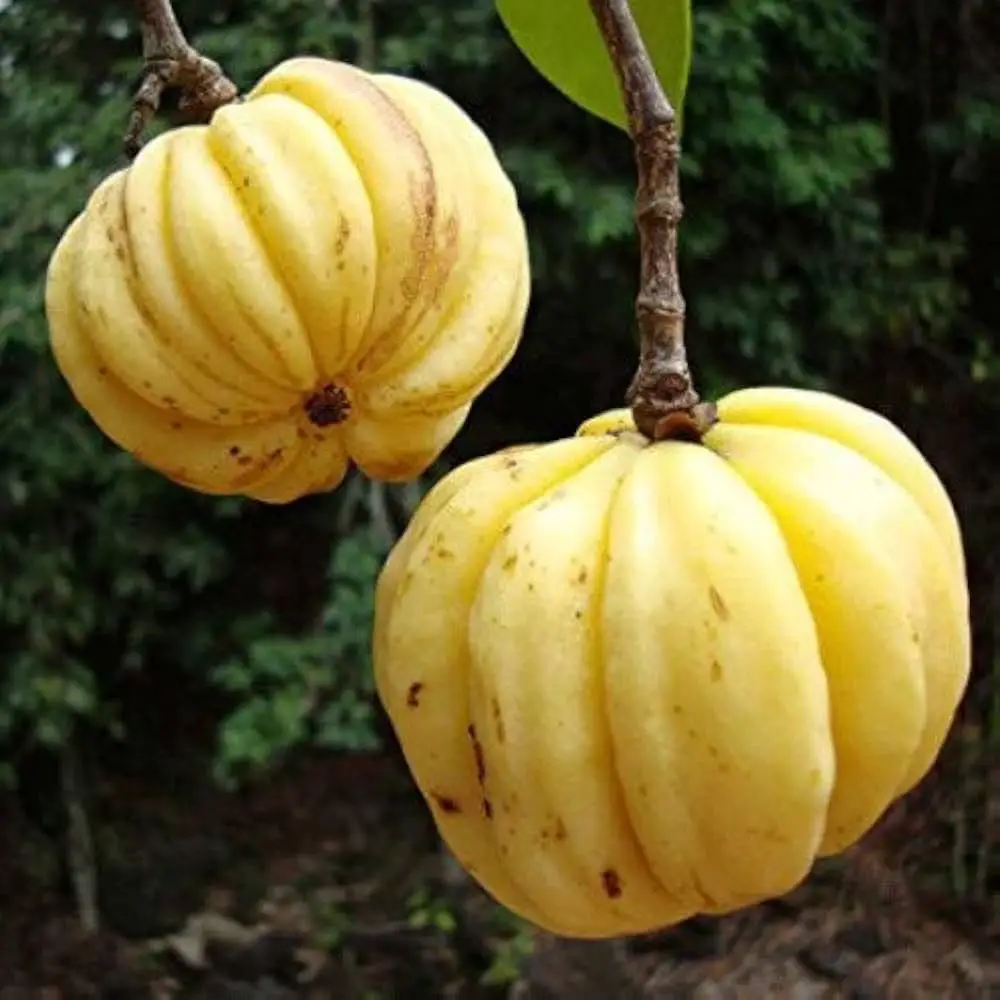
Harvest centuries of culinary tradition in your own garden. This tropical treasure bears dozens of pumpkin-shaped fruits laden with hydroxycitric acid—the active compound prized by wellness seekers worldwide. Use fresh or dried rinds to add tangy depth to curries, broths, and dishes across Southeast Asian traditions. Moderate growing ease; thrives in warm, humid climates. Grow from seed and own a piece of ancient functional food history.
Garcinia gummi-gutta is a tropical species of Garcinia native to India, and it is one of the most compelling plants you can grow from seed—not merely for its extraordinary visual beauty, but for its profound cultural and functional significance.
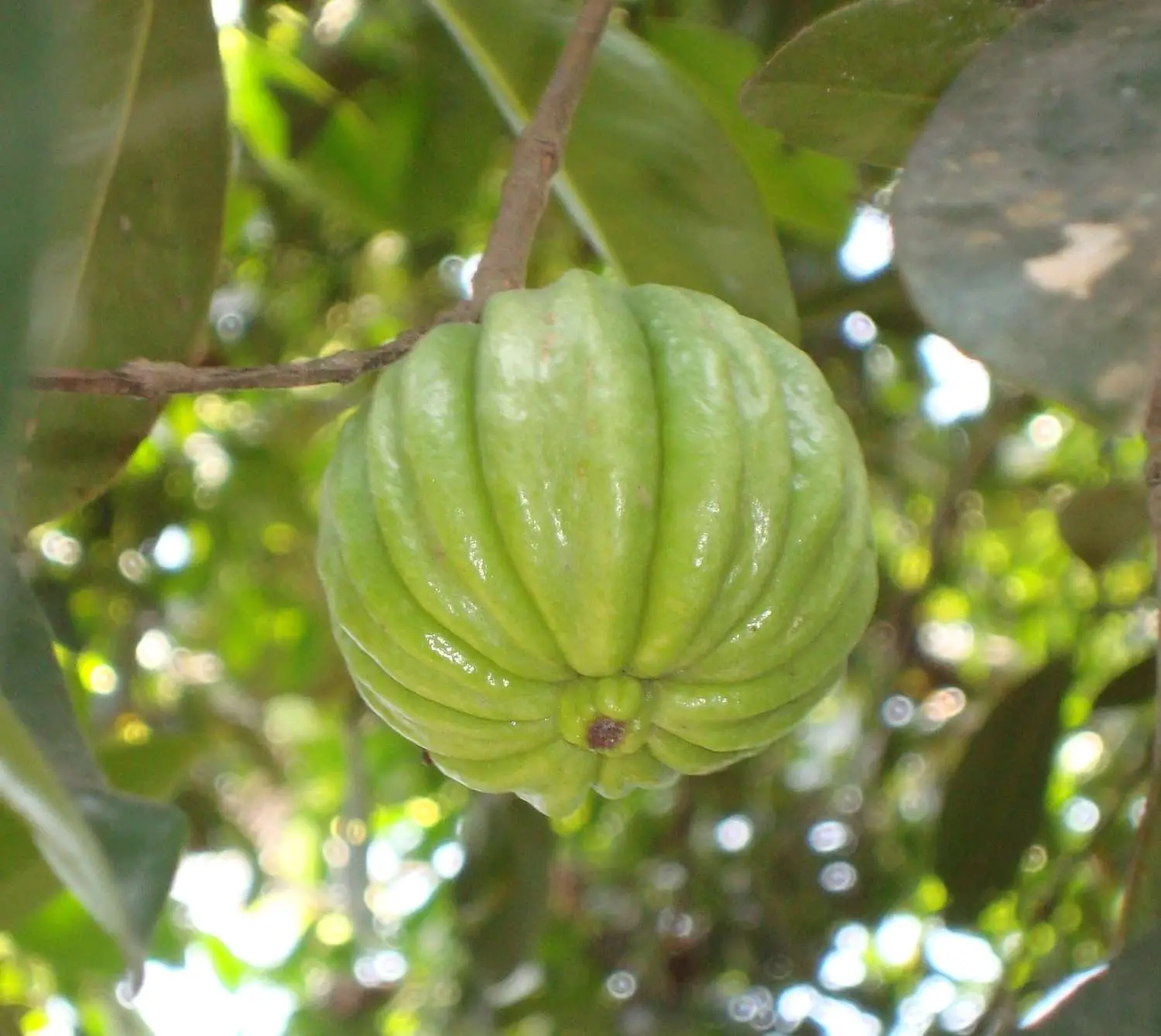
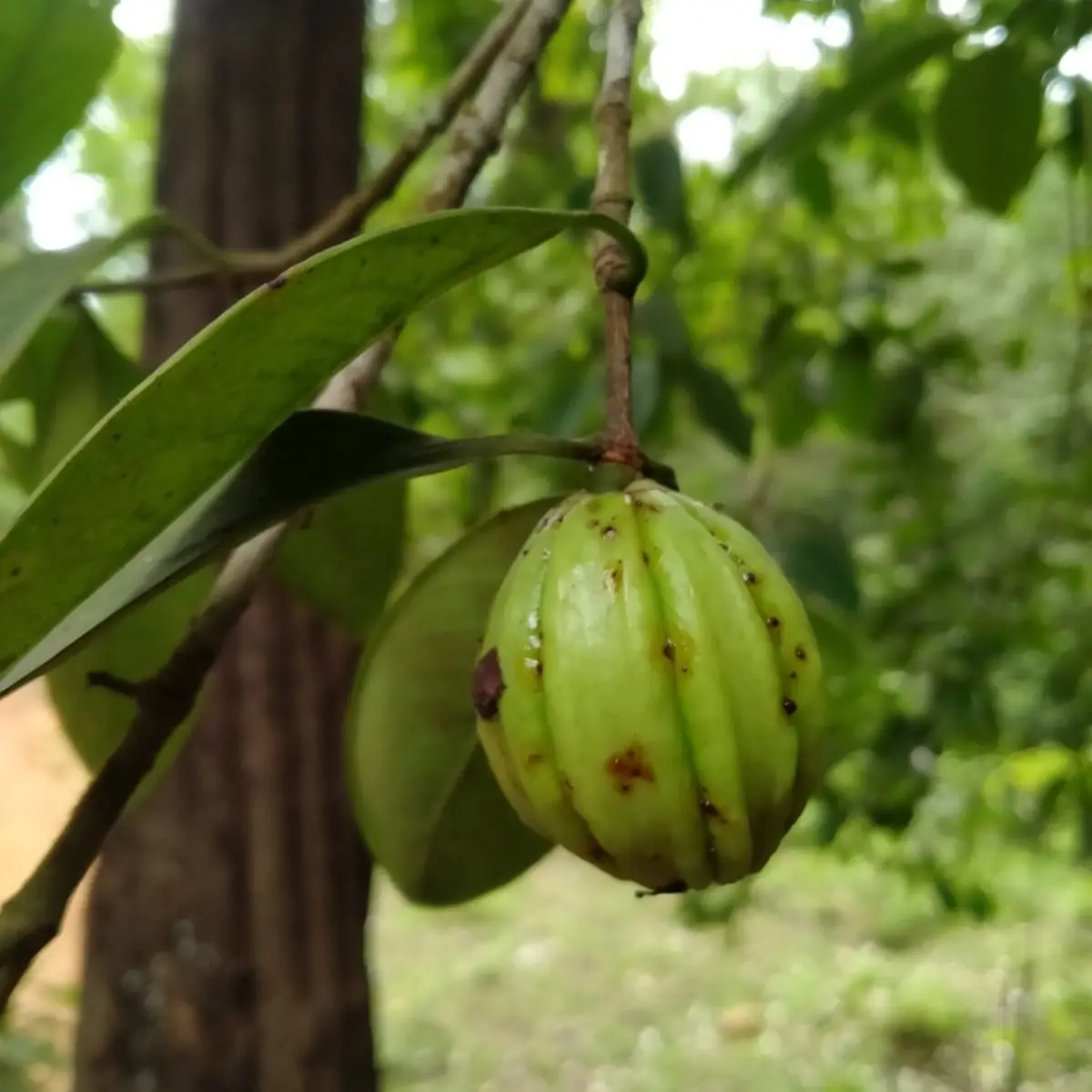
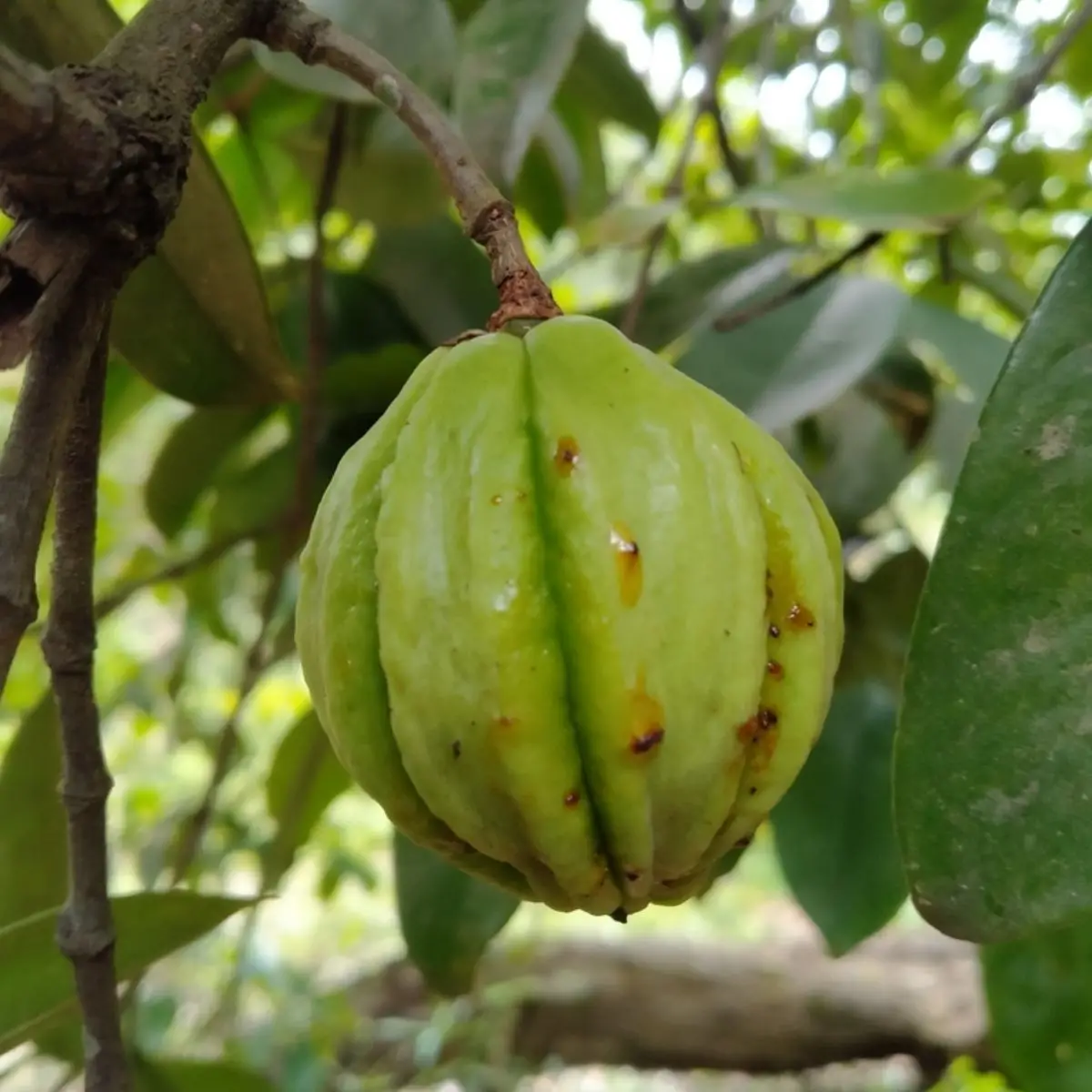
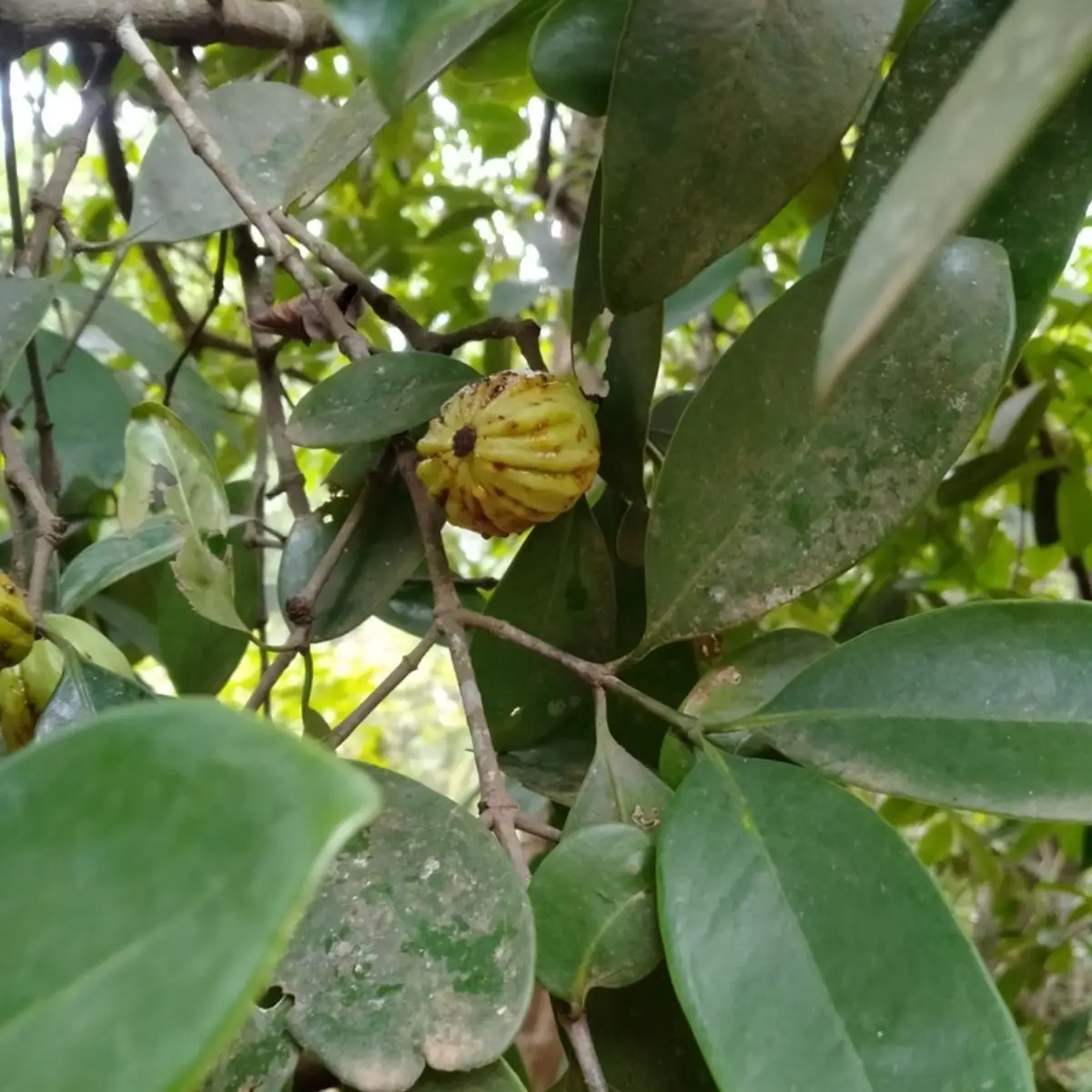
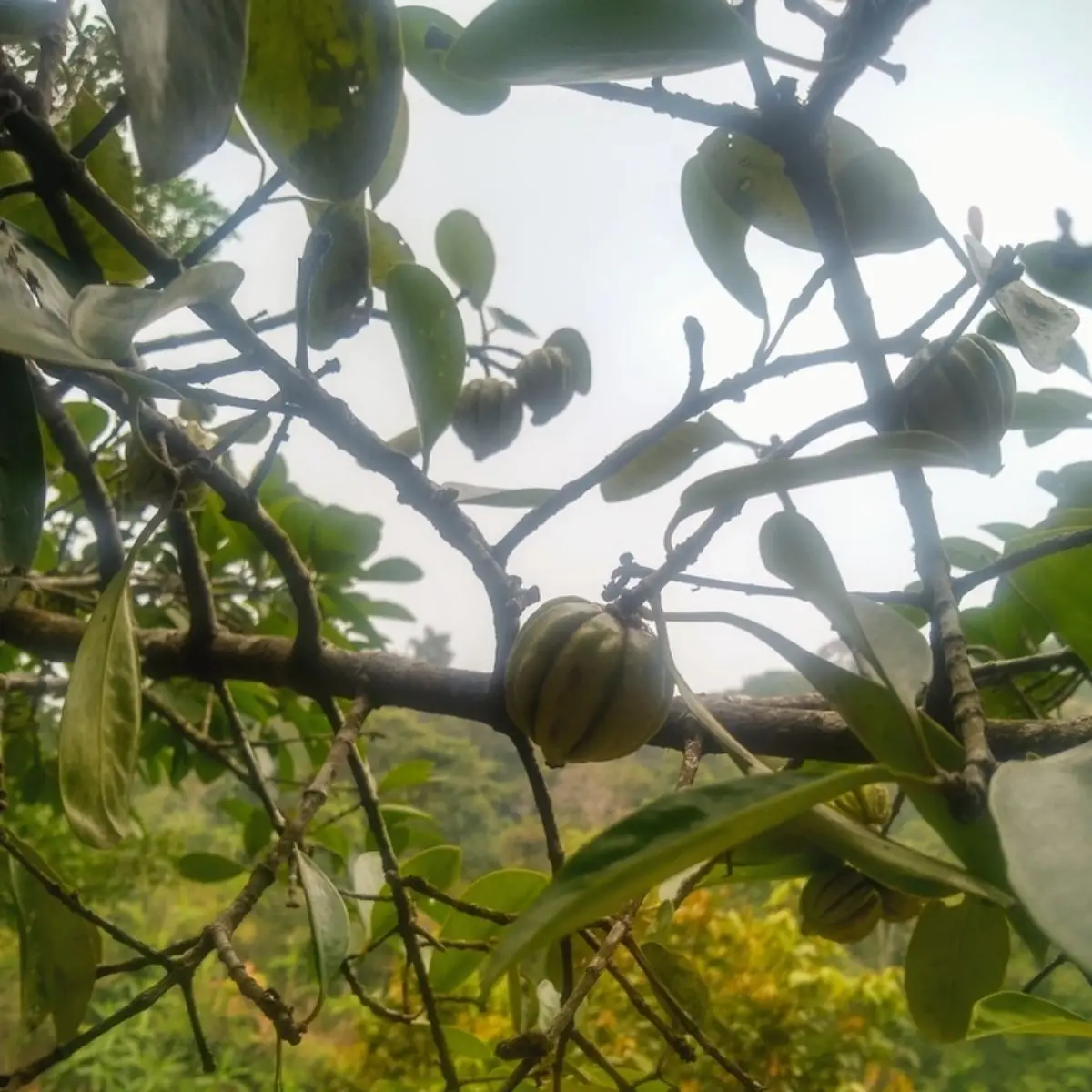
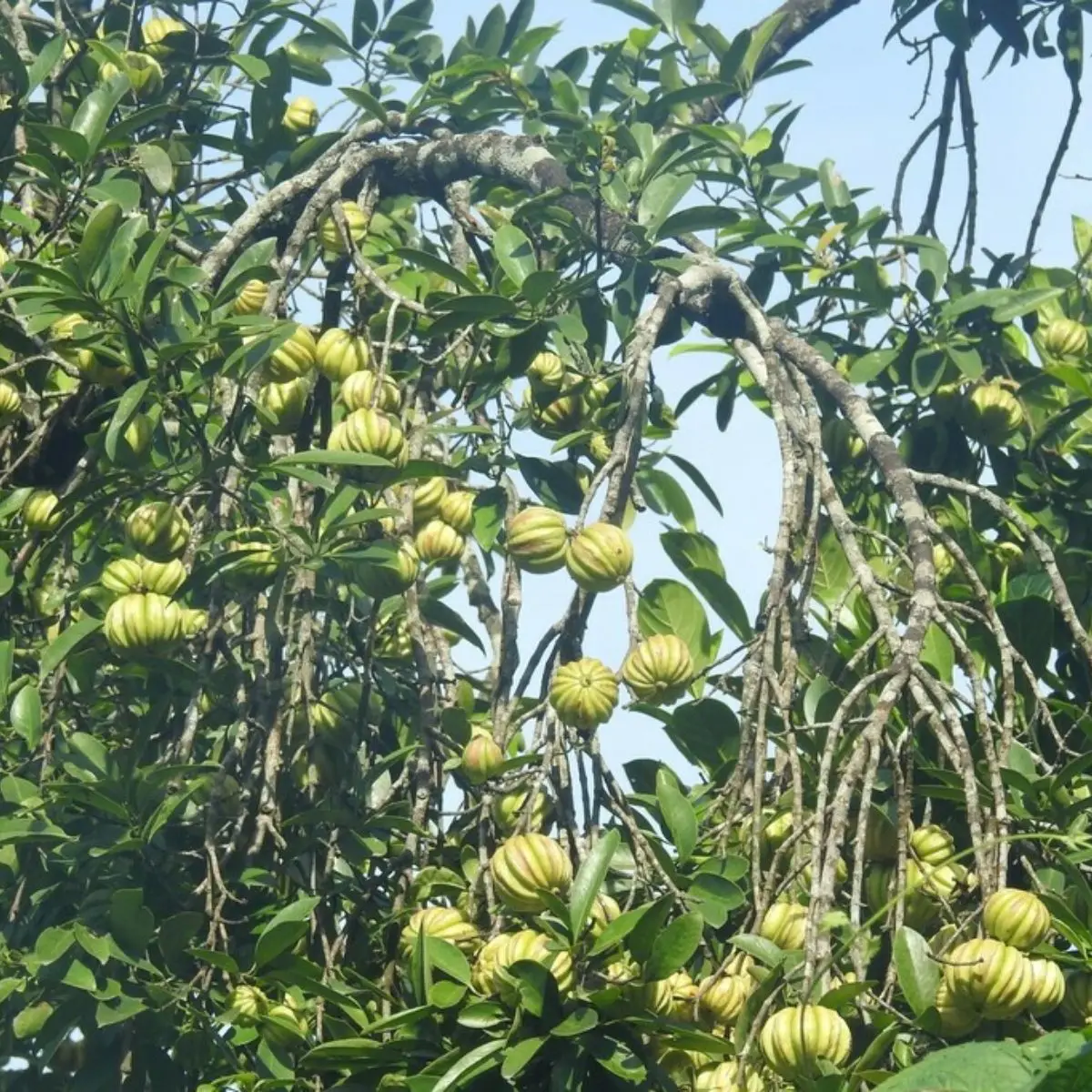
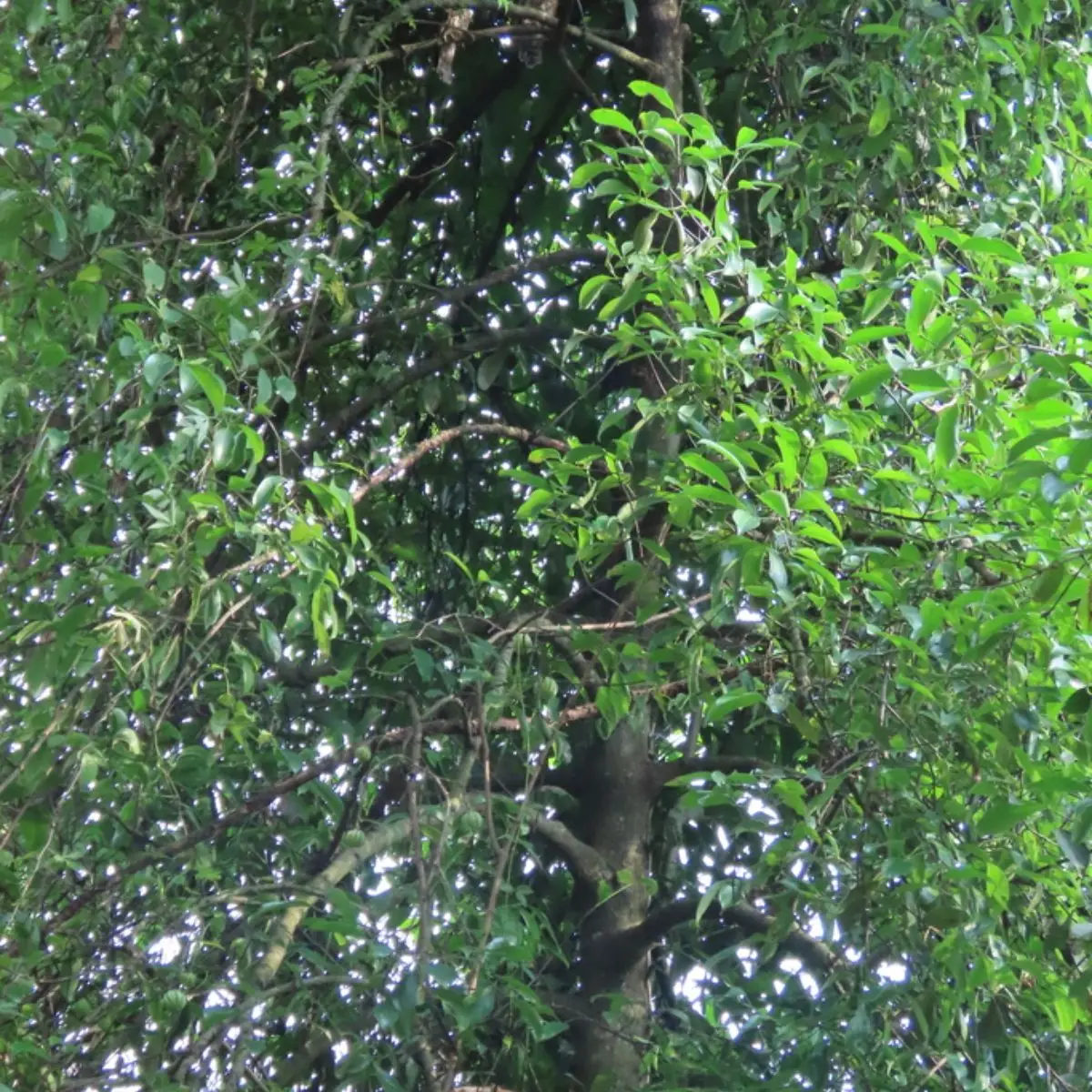
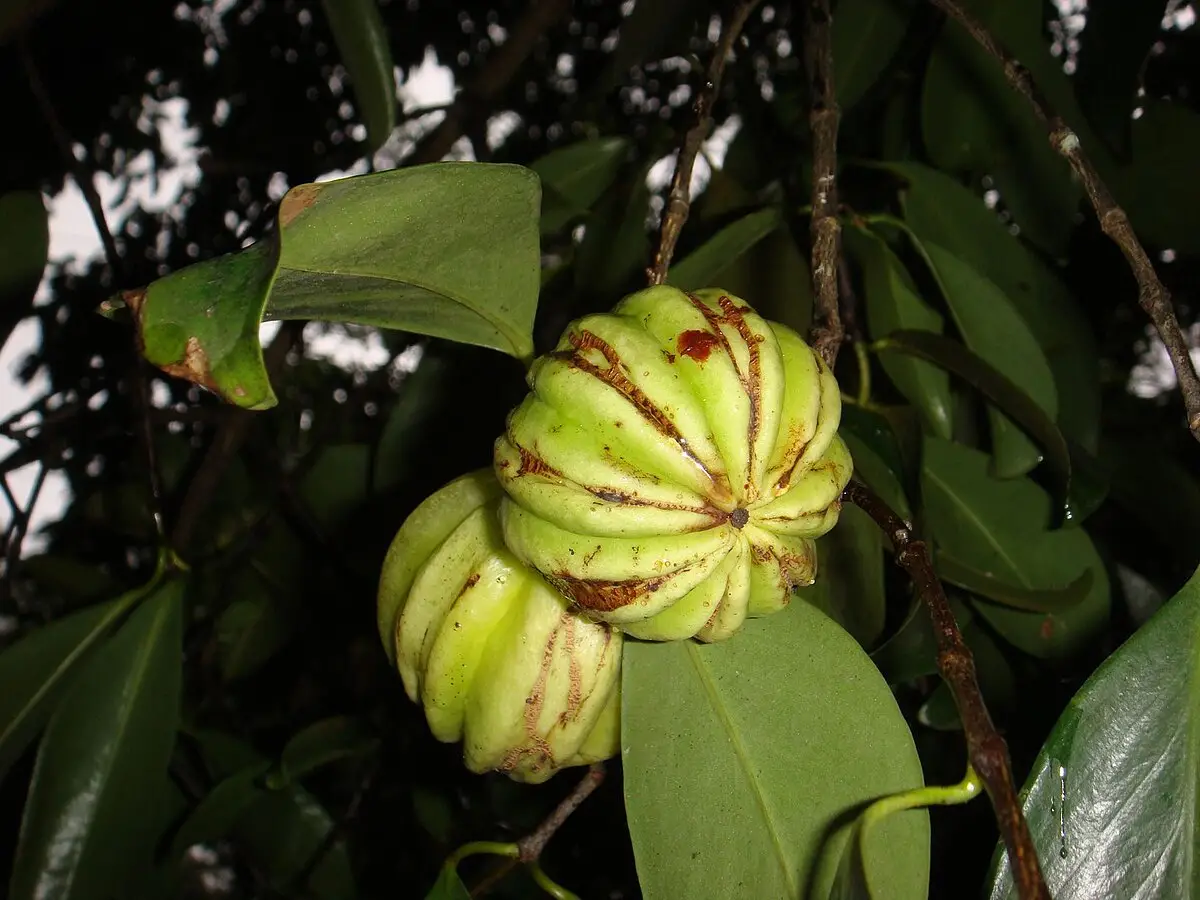
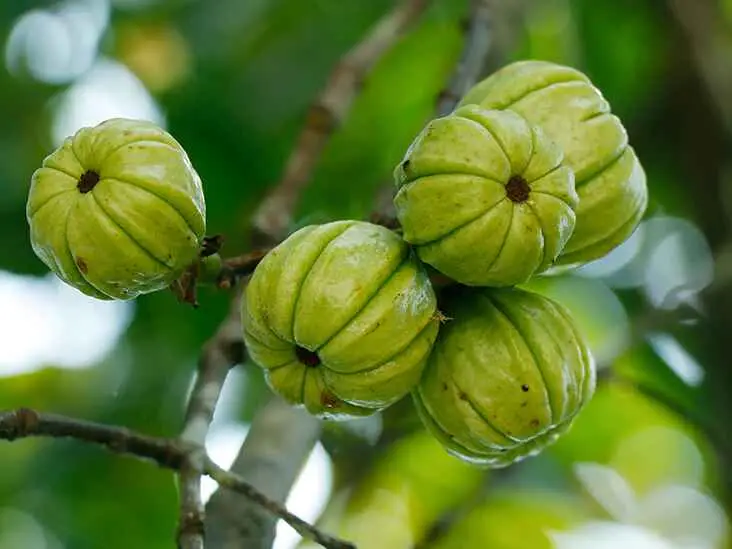
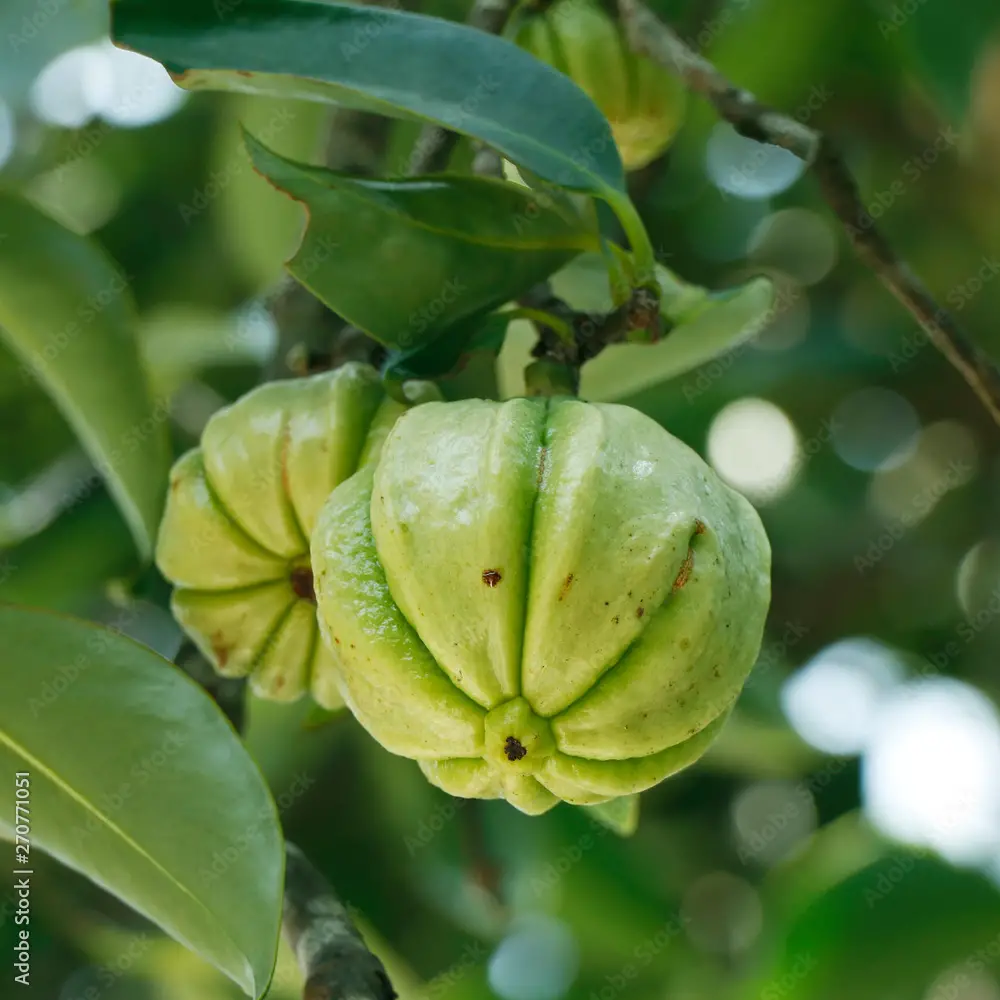
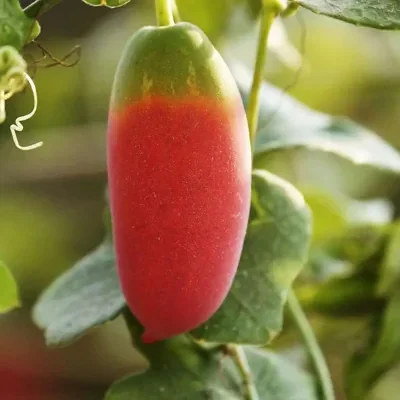
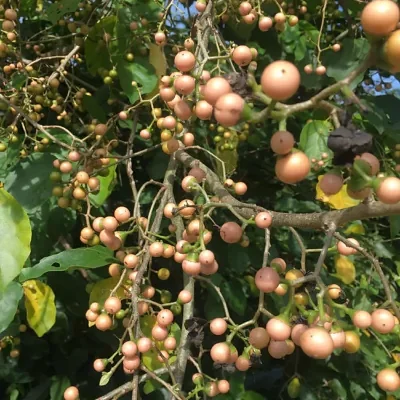
Imagine a tree which grows up to 20 metres tall, its evergreen canopy laden with hundreds of distinctive fruits. The flowers bloom in clusters of about 4-20, which makes them look quite pretty, decorating the branches. The fruits, when ripe, range from yellow to red—each one resembling a miniature, ridged pumpkin in shades of pale yellow to soft orange. The foliage is glossy and dense; the overall form is elegant and architecturally striking, making it a showstopper in any tropical garden.
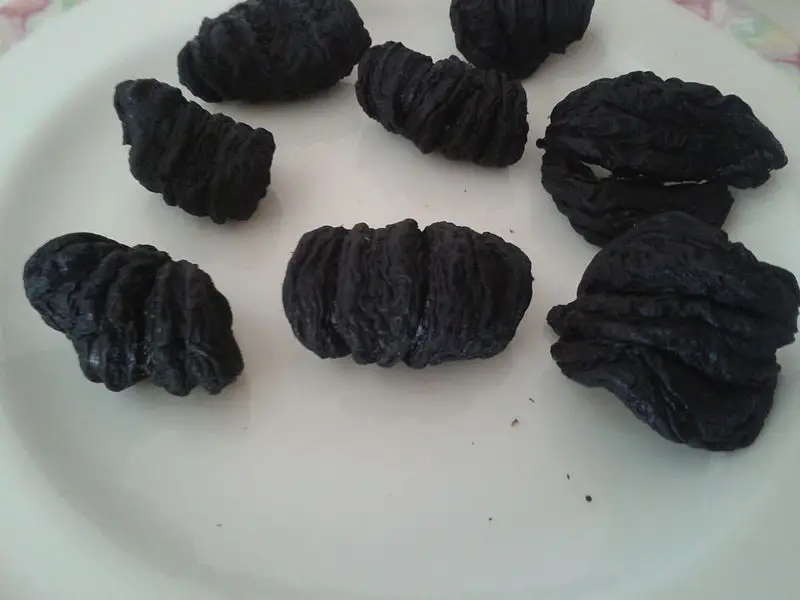
But the true magic lies in what those fruits contain. Garcinia gummi-gutta rinds can be blended together with cardamom and sugar and consumed as a soft drink. The pulp can be used for preparing chutneys, drinks, wines, smoothie, curries, pickles while the seeds are an excellent source of butter. For centuries, Garcinia gummi-gutta is used in cooking, including in the preparation of curries to add a sour flavor. The extract and rind of G. gummi-gutta is a curry condiment in India. It is an essential souring ingredient in the southern Thai variant of kaeng som, a sour curry. The fruit rind, whether fresh or smoke-dried (turning dark brown when cured), delivers an extraordinary sour note that elevates fish curries, pickles, and traditional Southeast Asian dishes into complexity and depth. This is not a supplemental ingredient—it is a cornerstone of regional cuisines, a living connection to thousands of years of culinary wisdom.
Beyond the kitchen lies another compelling dimension: the fruit is prized as a source of hydroxycitric acid (HCA), the bioactive compound that has captivated the global wellness community. The fruit contains 10% to 30% (-) hydroxycitric acid (HCA), a well known hypo-lipidemic agent and an important constituent of food supplement for weight management. According to studies, hydroxycitric acid (HCA), the main organic acid present in the fruit rind, has antiobesity properties that include lowering appetite and reducing body fat gain by regulating serotonin levels linked to satiety, increasing fat oxidation, and reducing de novo lipogenesis. While research in human populations shows mixed results, the scientific interest in this molecule is genuine and persistent—and when you grow your own fruit, you hold the power to access this phytochemical in its most authentic, unadulterated form, straight from the rind.
Growing Garcinia gummi-gutta from seed is moderately accessible for gardeners in warm climates. This group prefers full sun to partial shade and well-drained soil with consistent moisture. Growth rate is generally moderate in warm, humid conditions. Cold tolerance is limited, with most species sensitive below about 40F; best suited to USDA Zones 10 to 11. Native to India and Sri Lanka, it grows well in moist and waterlogged soils, as well as fertile loamy soils, and preferably in full sun. The tree is not fussy—it is an understorey species in nature, meaning it adapts well to container cultivation when young. Provide rich, well-draining soil, consistent moisture during growth, and protection from hard freezes, and your seedling will reward you with steady, handsome growth.
Imagine standing in your garden five to seven years hence, harvesting your own pumpkin-shaped fruits at their golden-yellow peak. Imagine drying the rinds, darkening them to deep brown, and using them to infuse your curries with ancestral flavor. Imagine offering friends and family a taste of something entirely real—not a suppleme
Only logged in customers who have purchased this product may leave a review.

Reviews
There are no reviews yet.