
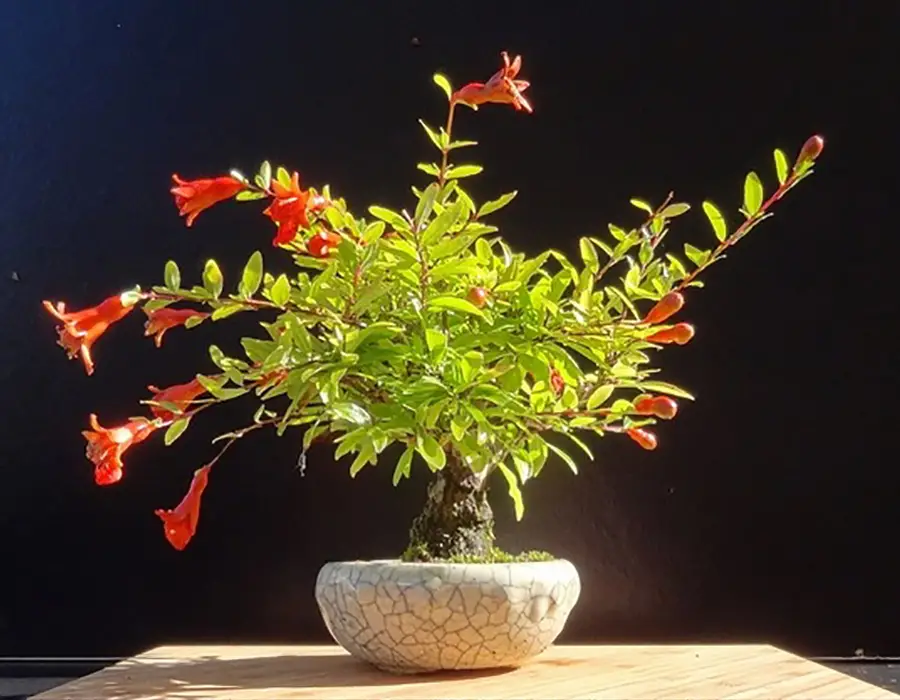
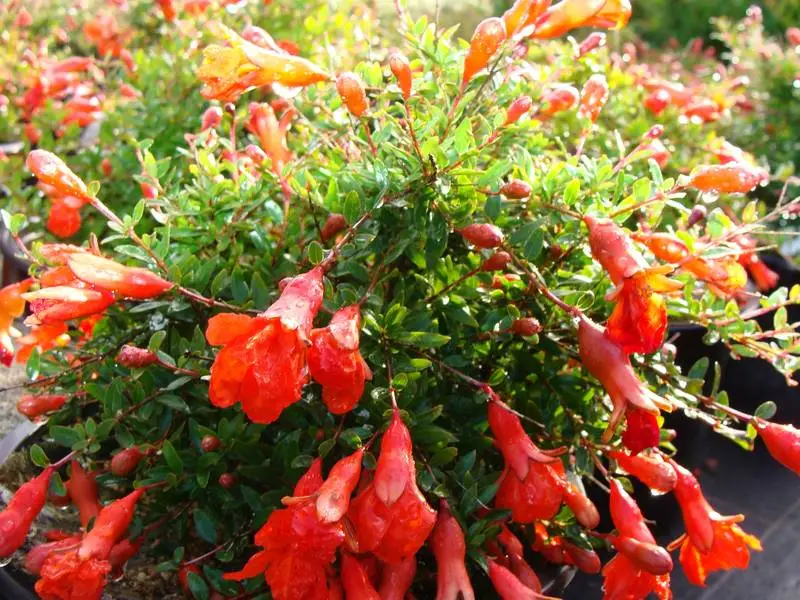
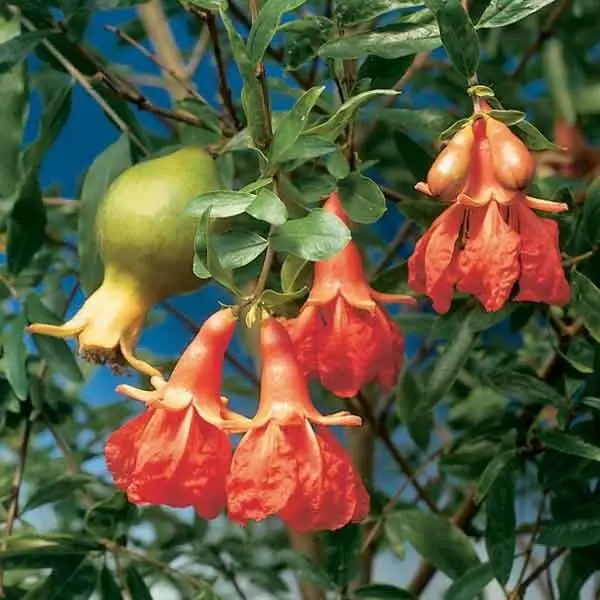
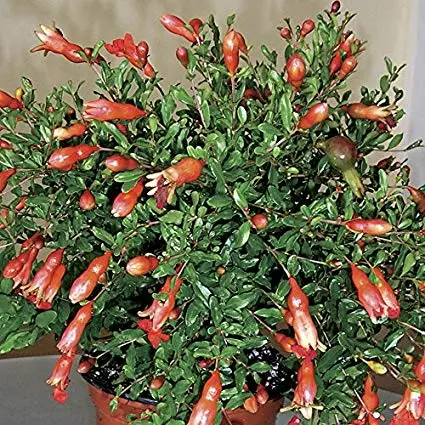
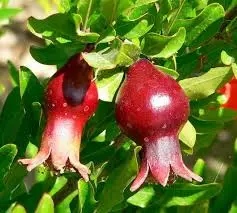

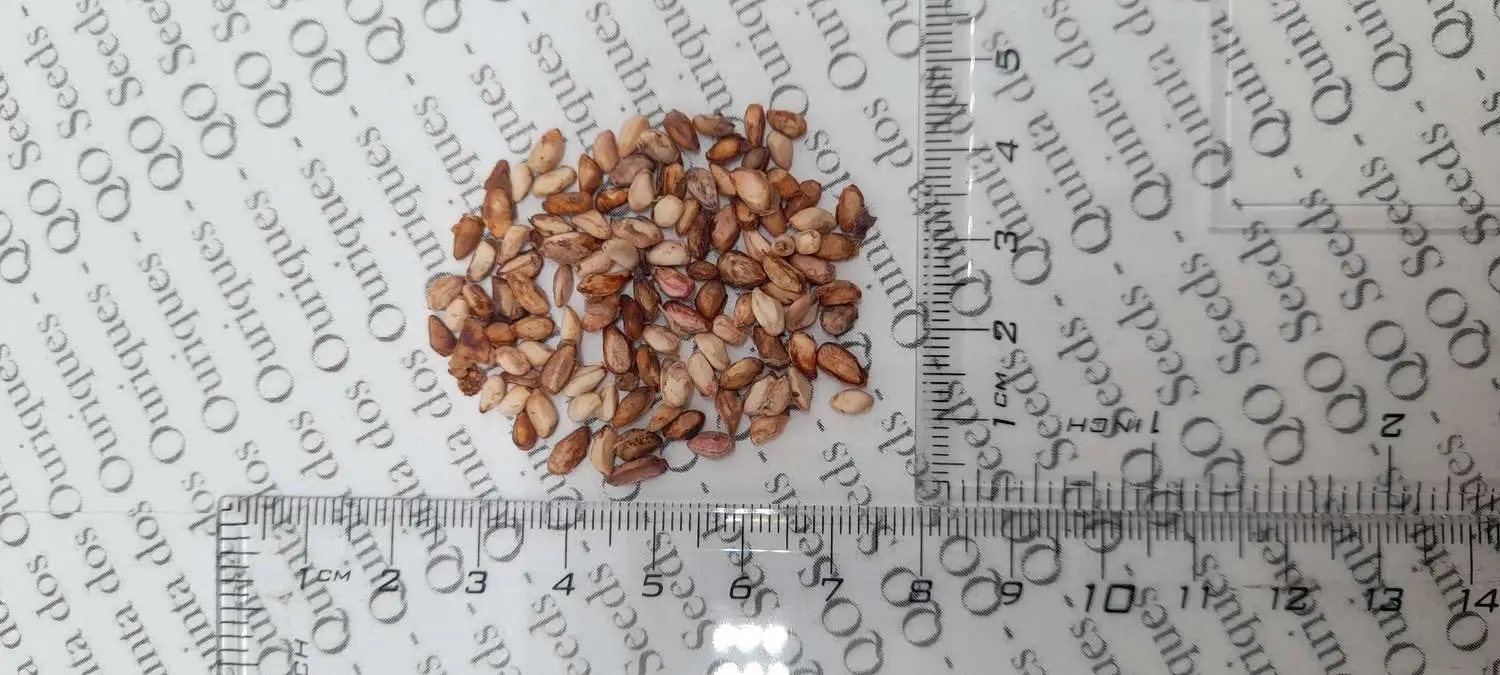
Grow a living masterpiece in your own home. Punica granatum var. nana is the world’s most beloved dwarf pomegranate for bonsai—renowned for brilliant orange-red trumpet flowers, miniature ornamental fruit, and an ancient gnarled trunk that emerges naturally from seed. Award-winning (RHS Garden Merit), easy to grow, and thrives in containers. Start your bonsai journey today.
€7.63
This is the dwarf pomegranate the bonsai world won’t stop talking about—and once you grow it from seed, you’ll understand why.
Originating from Iran and cultivated across the Middle East and beyond for millennia, Punica granatum var. nana is a naturally occurring dwarf variant, first described in 1803. Unlike its full-sized ancestor, every aspect of this plant is deliberately petite—the leaves, the flowers, the fruit, the overall architecture. It’s not just a small tree; it’s a perfectly scaled miniature world, which is precisely why the bonsai community has embraced it as one of the most popular species in the entire tradition. In fact, Punica granatum var. nana has earned the prestigious Royal Horticultural Society Award of Garden Merit—a recognition that speaks to its reliability and beauty.
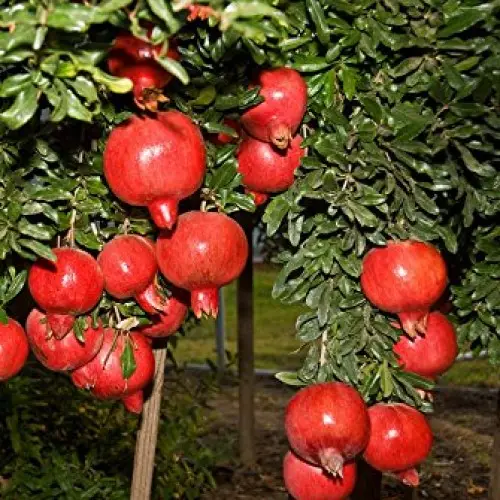
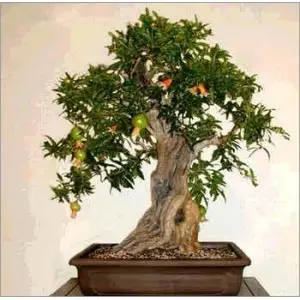
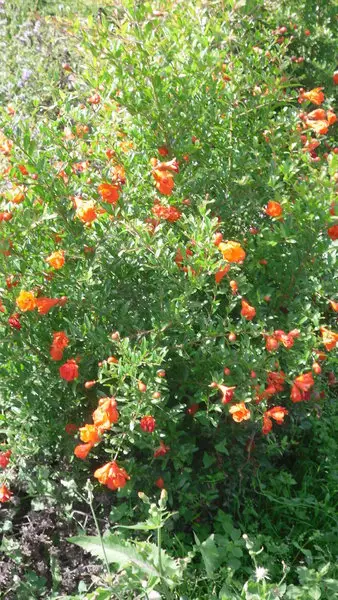
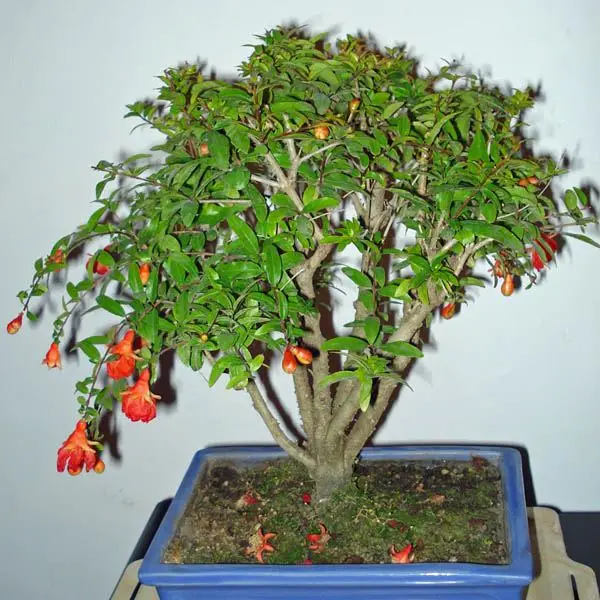
But here’s what makes this plant truly special: the bonsai journey. Dwarf pomegranate is considered one of the best bonsai species for beginners because it stays naturally small and is incredibly forgiving—yet even experienced bonsai masters prize it for the dramatic results you can achieve. As you grow it from seed, it will develop a naturally twisting, gnarled trunk that looks ancient within just a few years, something widely sought after in bonsai art but rarely comes so naturally to other species. Spring and summer bring waves of brilliant orange-red, funnel-shaped flowers with delicate petals (some cultivars even have creped textures that catch the light beautifully). When those flowers fade, they transform into tiny ornamental pomegranates—2 to 3 inches in diameter—that cling to the branches through autumn and winter, providing year-round visual interest. The foliage shifts with the seasons: bronze-tinged in spring, glossy bright green in summer, then warm yellows and reds before the leaves drop in winter, revealing the sculptural bare branches beneath. It’s a plant that earns attention in every season.
Growing dwarf pomegranate from seed is surprisingly straightforward, which is part of its charm. Seeds germinate readily in 3 to 4 weeks in warm, bright conditions—just surface-sow them in well-draining soil, keep them lightly moist, and watch them wake up. Once established, this is a drought-tolerant plant that thrives on neglect compared to many houseplants. It demands full sun (at least 6 hours daily) and well-draining soil with good air circulation, but beyond that, it’s remarkably resilient. It loves heat and handles summer drought beautifully. In containers—which is where it truly shines—it will flower prolifically when kept slightly pot-bound, making it ideal for patios, balconies, windowsills, or greenhouse cultivation. Indoors, it performs best in a cool winter dormancy (40–45°F) before warm growing seasons return. If you’re willing to hand-pollinate the flowers indoors with a small paintbrush, you’ll be rewarded with tiny fruit that resembles apples. The fruit is edible, though tart, and can be used in jams, jellies, or simply admired as living ornament. Birds and wildlife adore it.
From seed to established bonsai specimen takes patience and attention, but this is the reward of bonsai: watching something miniature and perfect unfold under your care, year after year, each pruning season revealing new character in the trunk and branches. Whether you’re a bonsai devotee or simply someone drawn to plants with drama, history, and seasonal transformation, Punica granatum var. nana invites you into a tradition that stretches back centuries. Start your seeds now and join thousands of growers who’ve fallen in love with this extraordinary dwarf tree.
Only logged in customers who have purchased this product may leave a review.

Reviews
There are no reviews yet.