Description
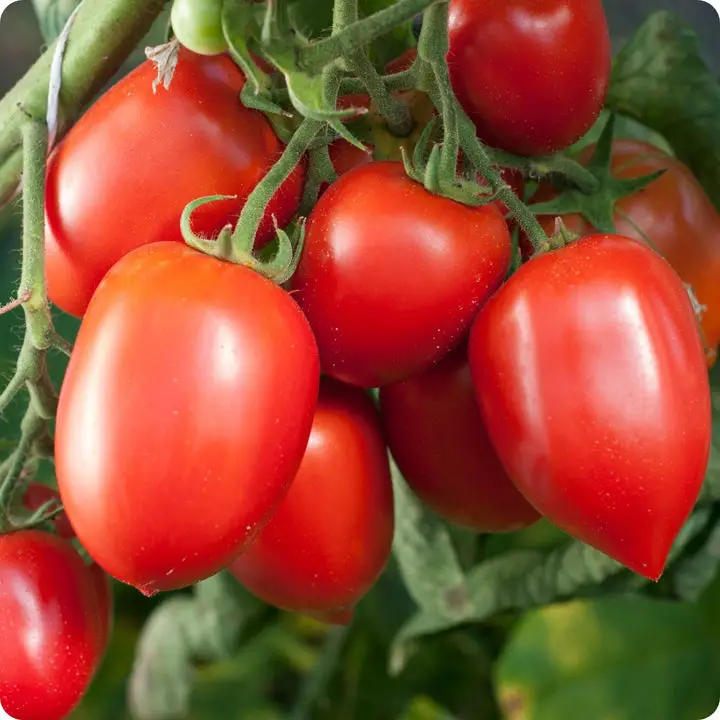
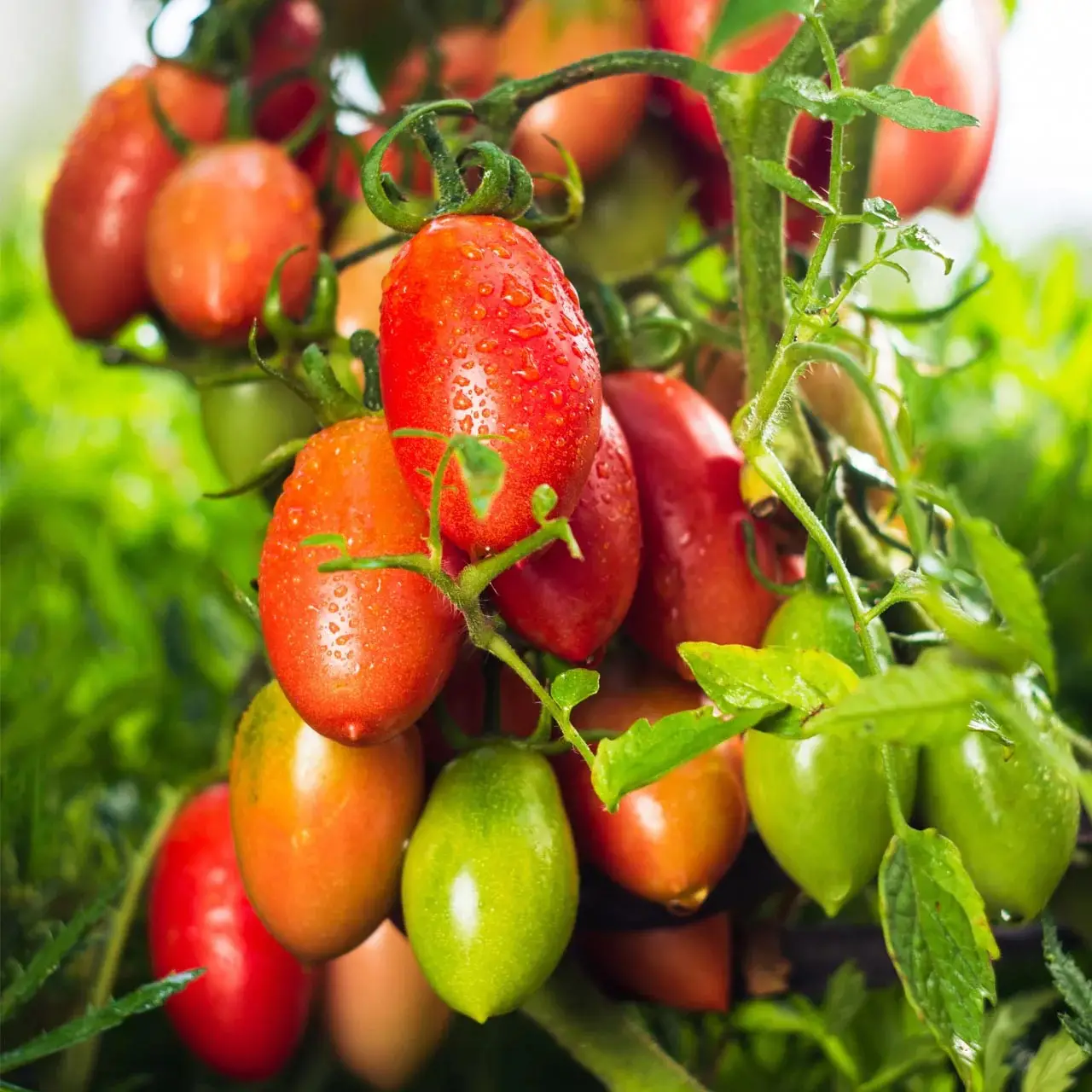
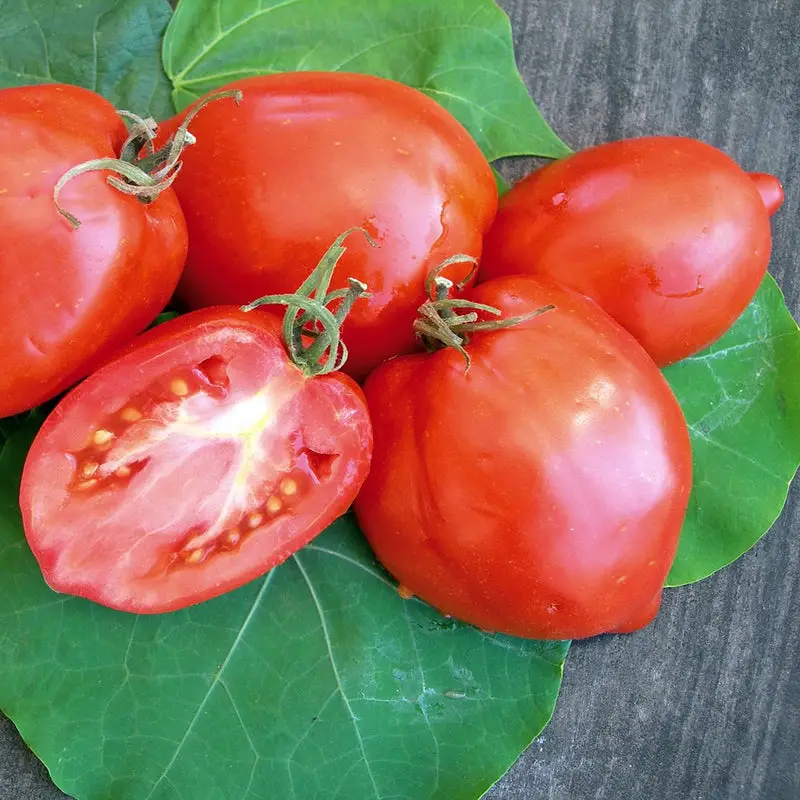
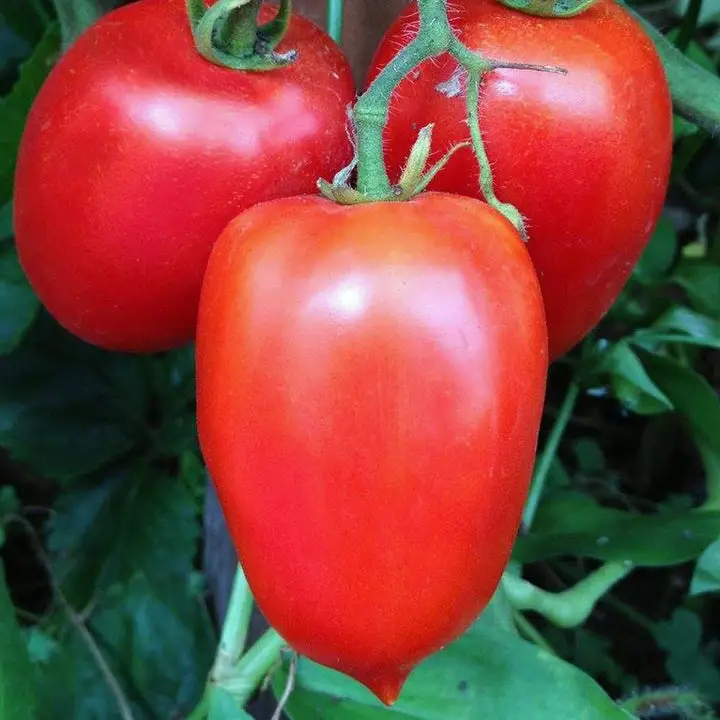
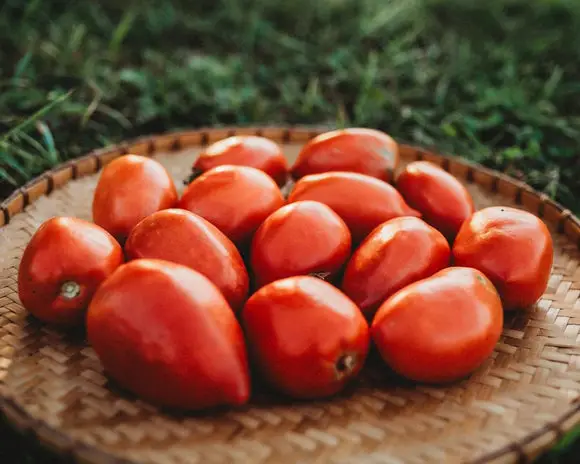
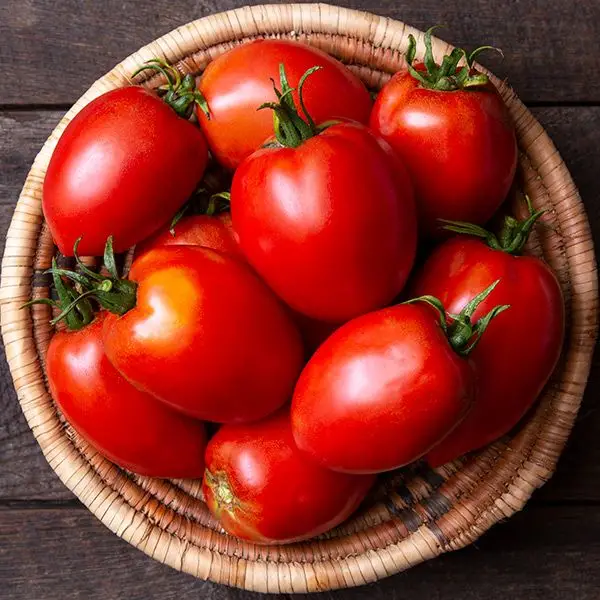
Solanum lycopersicum ‘Amish Paste’ is a well-known heirloom paste tomato variety valued for its large, elongated fruits and rich, full-bodied flavor. The plants are indeterminate and vigorous, typically reaching 1.8 to 2.4 meters in height, and require staking or caging to support the heavy yields. Fruits are deep red, plum-shaped to heart-shaped, with thick walls, small seed cavities, and dense, meaty flesh, making them ideal for sauces, pastes, canning, and drying, while also being excellent for fresh use.
This variety performs best in full sun and fertile, well-drained soil with consistent moisture. It is appreciated for its reliable productivity and high-quality fruit throughout the growing season.
Start seeds indoors 6 to 8 weeks before the last expected frost date. Transplant outdoors after all danger of frost has passed and when soil temperatures are consistently above 16°C to 18°C. In regions with mild winters or frost-free conditions, seeds can be started from late winter to early spring for optimal growth and yields.
Germination Guide
🌍 Andean South America (wild tomato origin); cultivar originated in Wisconsin Amish communities, 1870s, later distributed from Lancaster County, Pennsylvania
Easy
Solanum lycopersicum 'Amish Paste' is a cherished heirloom paste tomato originating from Wisconsin Amish communities in the 1870s. This indeterminate variety produces large, meaty 8-12 oz fruits ideal for sauces, canning, and fresh eating, with excellent sweet flavor and low seed content. Seeds germinate rapidly in 5-14 days when provided with warm, consistently moist growing conditions at optimal soil temperatures of 75-85°F.
Germination
Germination time
Expect germination in
5 – 14 days
Temperature
Min 65°C
Ideal 75°C
Max 85°C
Substrate moisture
💧 Medium
Sowing depth
Lightly covered
Substrate & Container
Recommended substrate
Sterile seed-starting mix or high-quality potting soil amended with perlite or vermiculite for superior drainage; avoid garden soil which may harbor fungal pathogens
Recommended container
Seed trays with drainage holes, propagator cells, 2-inch pots, plug trays, or 200-cell flats; cover with humidity dome or clear plastic wrap during germination
Growing Tips
Use a heat mat to maintain soil temperature at 75-85°F for fastest, most uniform germination. Sow seeds 1/4 inch deep in sterile, well-draining seed-starting mix and keep moist but not waterlogged. Cover with humidity dome or plastic wrap to maintain humidity around 70% until germination occurs, which typically takes 5-14 days. Do not provide light during germination; darkness promotes faster sprouting. Once cotyledons emerge (usually 4-10 days), immediately remove humidity dome and place seedlings under bright grow lights providing 14-16 hours daily to prevent leggy growth. After emergence, reduce soil temperature to 60-70°F and reduce humidity to 50-70% to prevent damping-off fungal diseases. Water from below using bottom-watering method rather than overhead to minimize disease risk. Transplant to individual 4-inch pots once first true leaves develop (around 3rd set of leaves). Pot-up using a slightly richer potting soil and fertilize seedlings every 7-10 days with diluted liquid fertilizer. Harden off 7-10 days before transplanting outdoors 6 weeks after seeding, after all frost danger has passed and temperatures remain above 60°F. Bury deep at planting, covering stem up to lowest true leaves for stronger root development.
Only logged in customers who have purchased this product may leave a review.

Reviews
There are no reviews yet.