Description
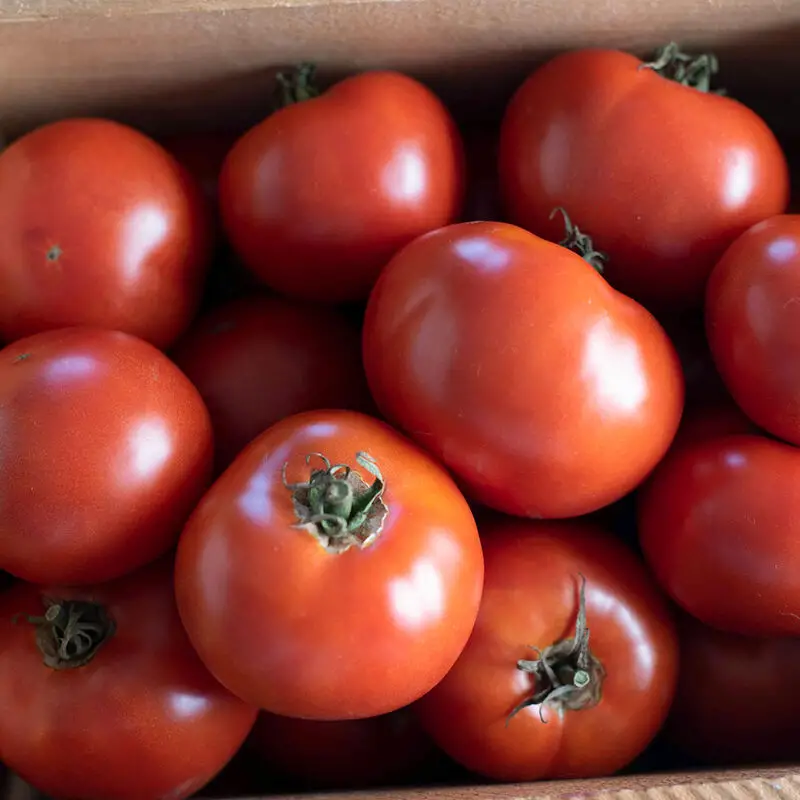
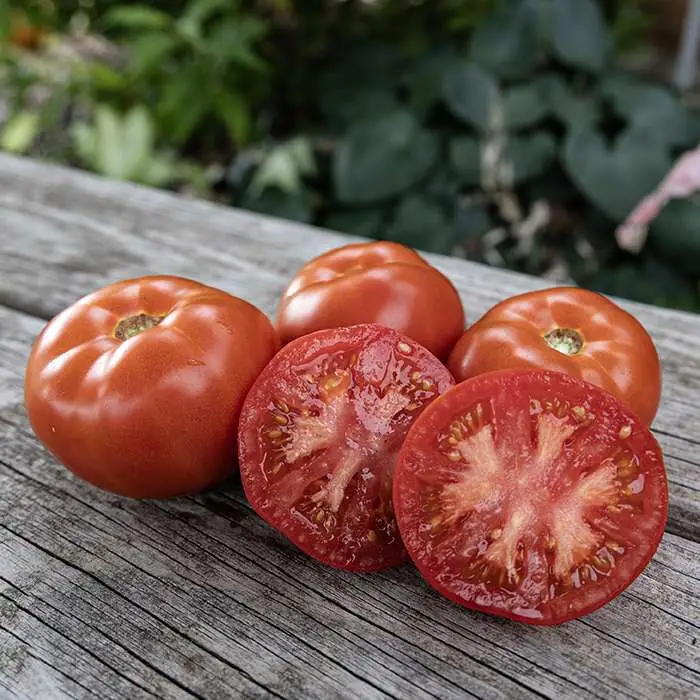
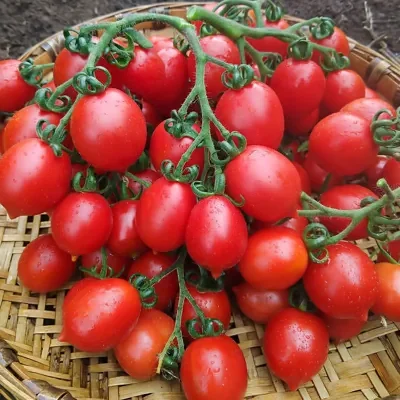
Solanum lycopersicum ‘Wisconsin Chief’ is a classic heirloom tomato variety developed in the United States and valued for its reliability, early maturity, and well-balanced flavor. The plants are indeterminate and moderately vigorous, typically reaching 1.5 to 2 meters in height, producing smooth, medium-sized red tomatoes. The fruits are round to slightly flattened with firm, juicy flesh and a mild, traditional tomato flavor, making them suitable for fresh eating, slicing, cooking, and canning.
Known for its adaptability to cooler summers and shorter growing seasons, ‘Wisconsin Chief’ performs well in full sun and fertile, well-drained soil with regular watering. It is a dependable choice for home gardens in temperate climates.
Start seeds indoors 6 to 8 weeks before the last expected frost date. Transplant outdoors after all risk of frost has passed and when soil temperatures reach at least 15°C to 16°C. In cooler regions, planting in late spring is recommended to ensure strong early growth and reliable fruit set.
Germination Guide
🌍 Wisconsin, United States
Easy
Wisconsin Chief is a semi-determinate heirloom tomato developed by the University of Wisconsin and released in 1957. Originally bred for processing, this variety produces medium-large red beefsteak fruits (7-10 oz) with excellent flavor and has won top honors in taste competitions. Germination requires warm soil temperatures (70-85°F optimal) and consistent moisture, typically occurring within 5-14 days under proper conditions.
Germination
Germination time
Expect germination in
5 – 14 days
Temperature
Min 70°C
Ideal 75°C
Max 85°C
Light
🌑 Darkness required
Substrate moisture
💧 Medium
Sowing depth
Lightly covered
Substrate & Container
Recommended substrate
Seed-starting potting mix, well-drained, light loamy mixture with pH 6.0-6.8
Recommended container
Seed trays, 50-cell trays, or 4-inch pots with drainage holes
Growing Tips
Use a heating mat to maintain soil temperature at 75-85°F for faster and more uniform germination. Keep seeds covered with a humidity dome until germination to prevent drying out. Tomato seeds do not require light to germinate but need warmth and consistent moisture. Once seedlings emerge, immediately remove the dome and provide bright light (14+ hours daily using fluorescent or grow lights) to prevent leggy growth. Water carefully from below to avoid fungal diseases. Sow seeds indoors 6-8 weeks before the last frost date. Pot up seedlings to 3-4 inch pots when first true leaves develop (not cotyledon leaves). Harden off plants for 1-2 weeks before transplanting outdoors after the last frost date. Transplant spacing should be 24-36 inches apart. Provide stakes, cages, or trellising for support.
Only logged in customers who have purchased this product may leave a review.

Reviews
There are no reviews yet.