
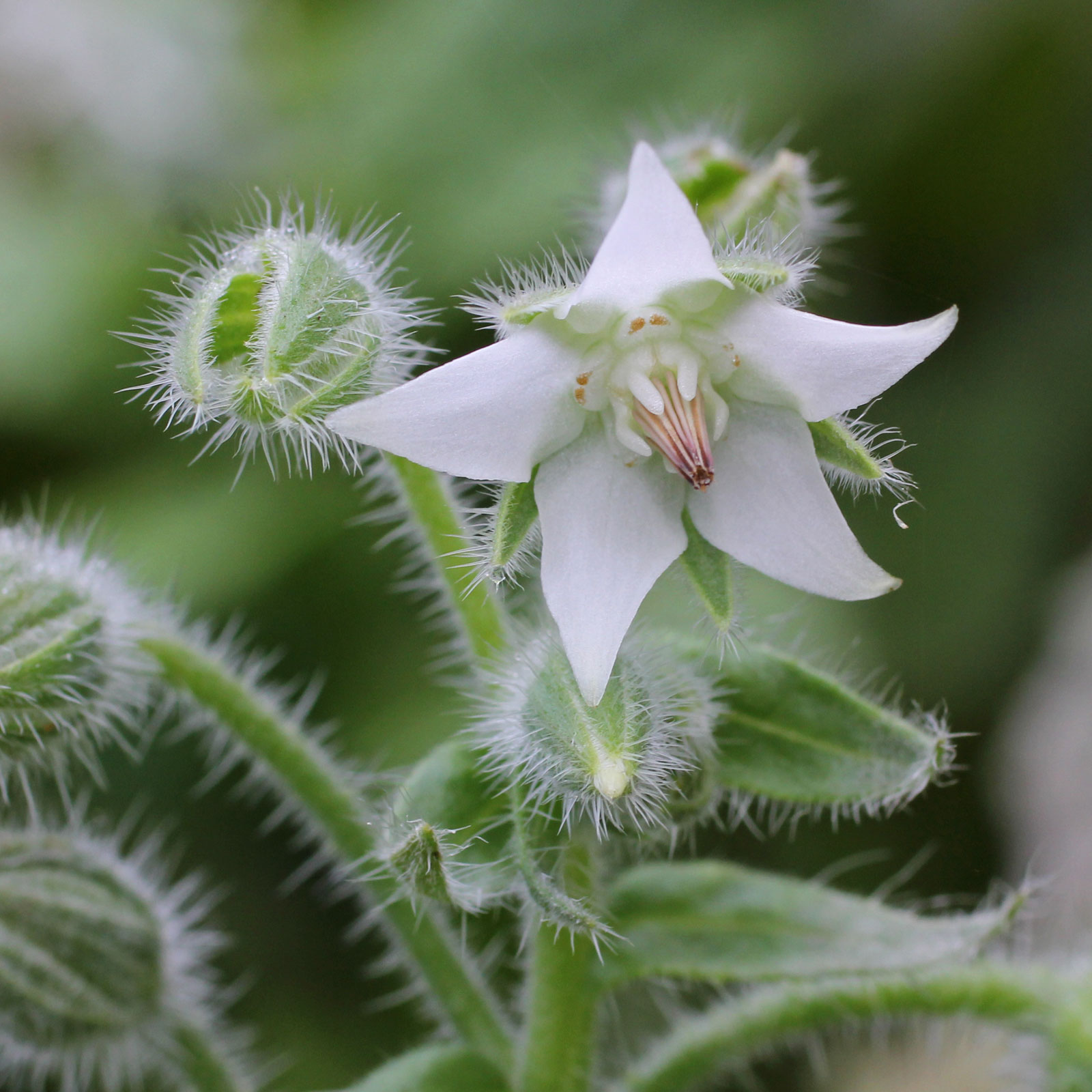
Grow pure white star-shaped flowers with a delicate cucumber flavor—perfect for cocktails, salads, and desserts. Alba borage blooms prolifically all summer, edible from petal to leaf. Easy-to-medium grower; self-seeds reliably. A culinary jewel that pollinators adore. Sow from seed for abundance.
€2.94
Imagine plucking pristine white stars from your own garden to float in champagne, crown your cake, or brighten a summer salad—this is Alba borage at its finest.
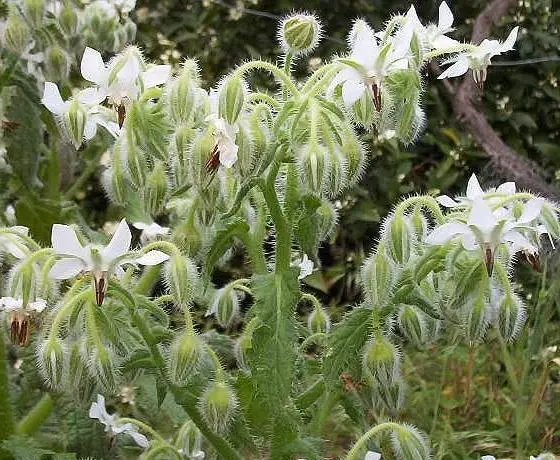
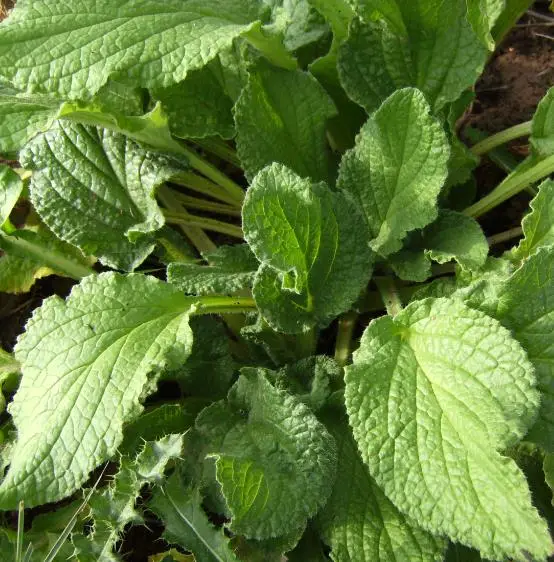
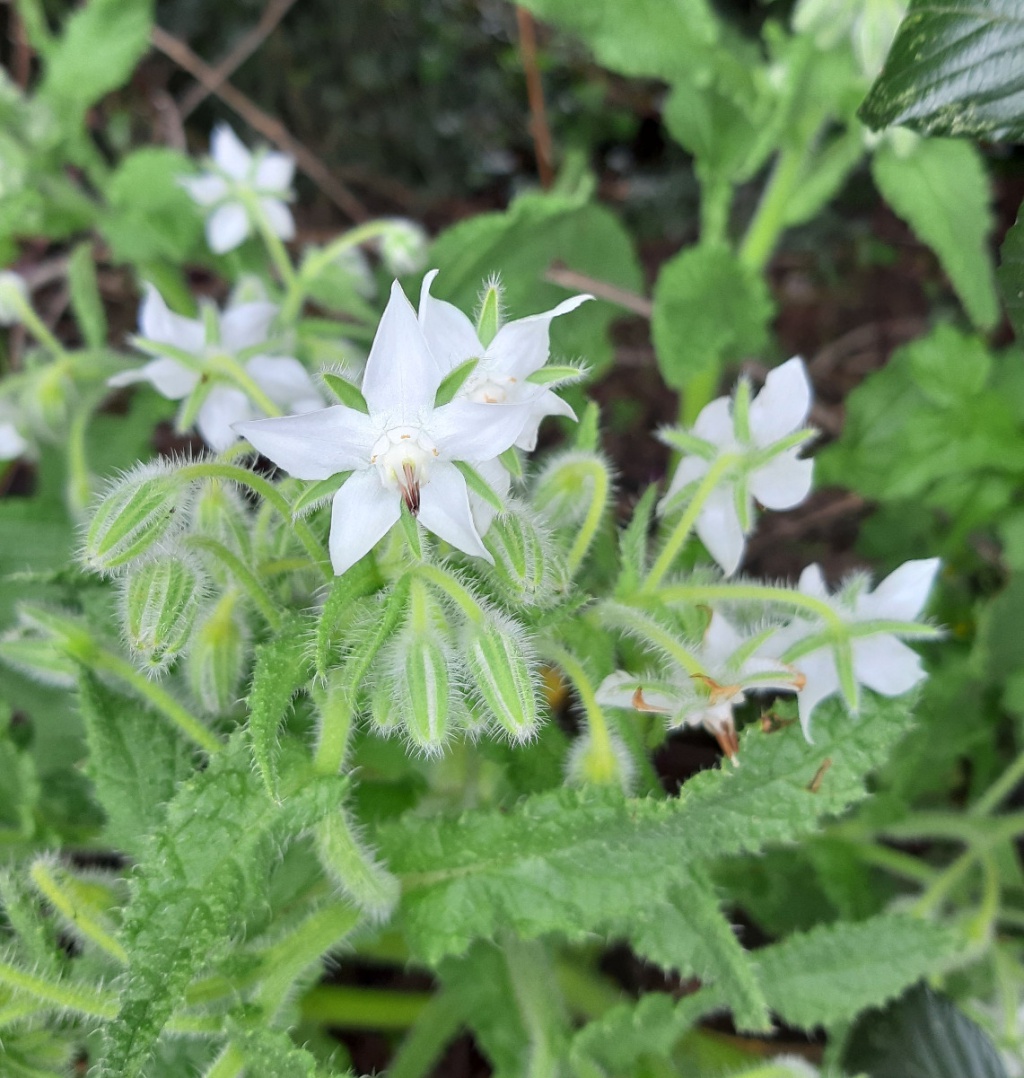
Borago officinalis ‘Alba’ is the elegantly refined cousin to the classic blue borage. Native to the Mediterranean and treasured for centuries, white borage carries the same medicinal heritage and culinary magic as its blue counterpart, but with a sophistication all its own. While blue borage dominates gardens across Europe and North America, the white-flowered Alba variety remains a hidden gem—less common, more distinctive, and utterly charming. Both are identical in every other way: the same wrinkled, fuzzy gray-green leaves with their characteristic “tongue of the bull” shape; the same prolific flowering; the same devotion from honeybees. But those pristine white blossoms? That’s pure white borage magic.
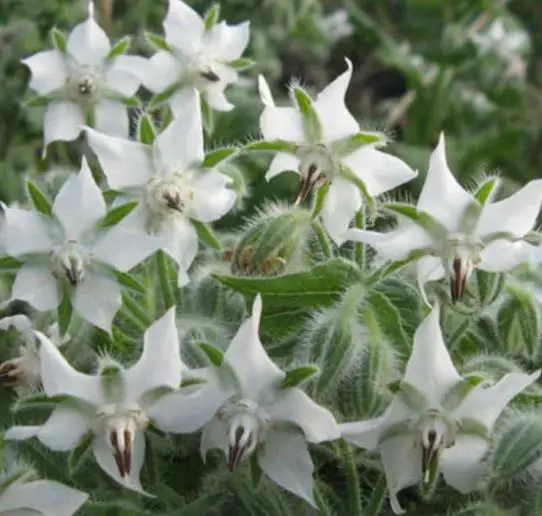
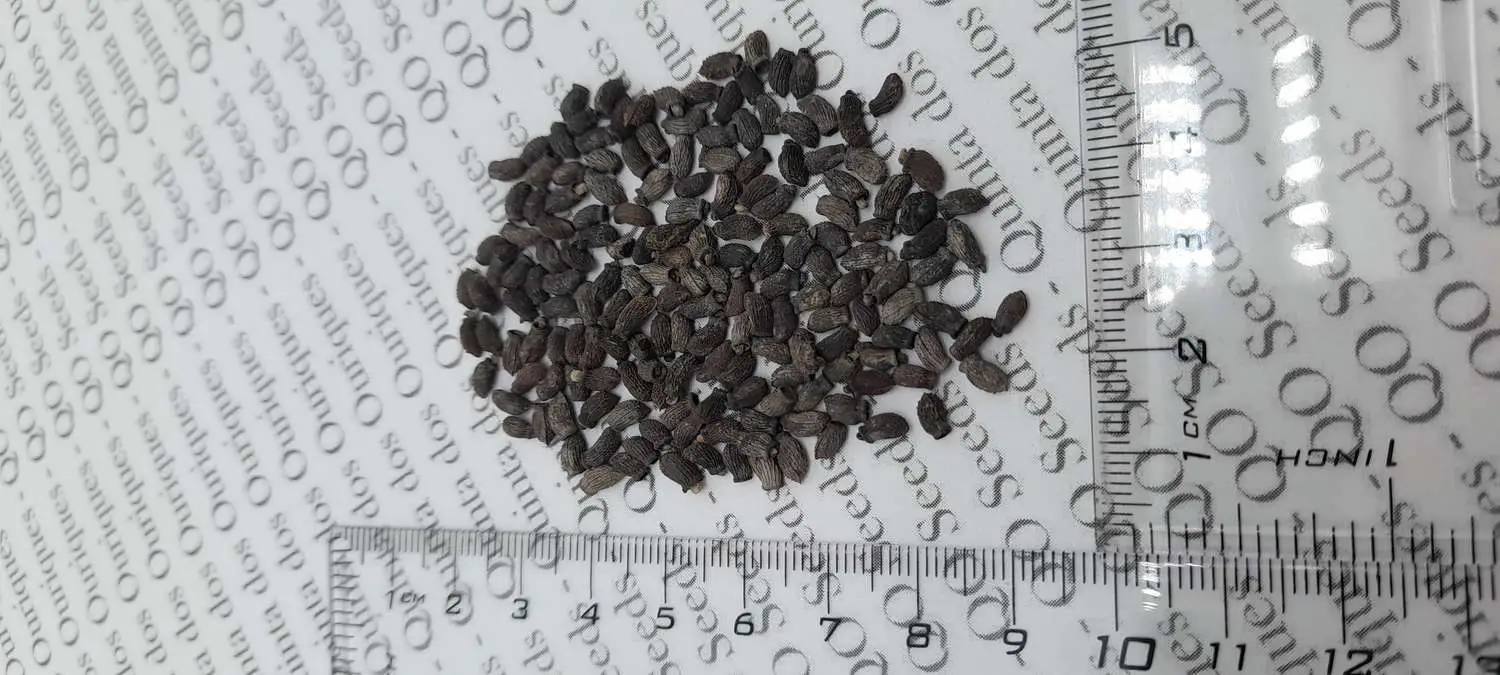
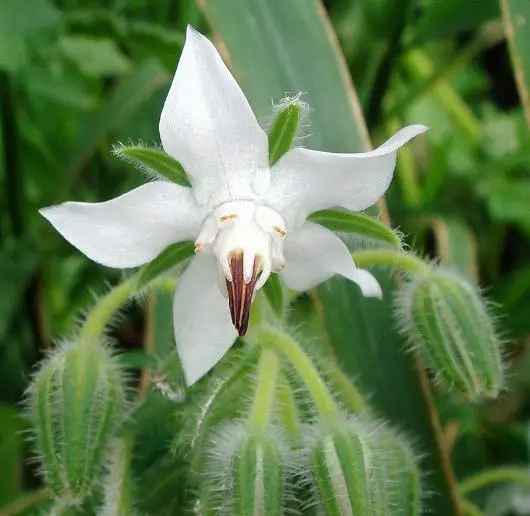
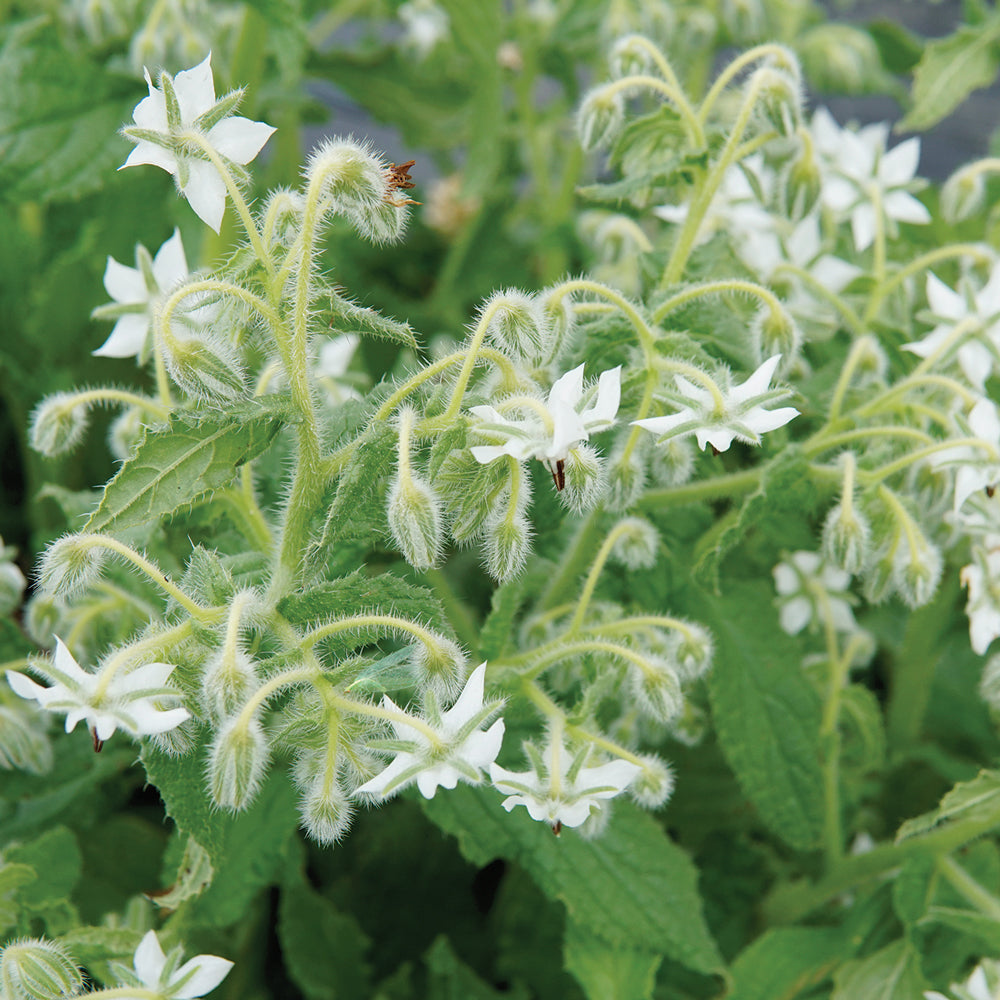
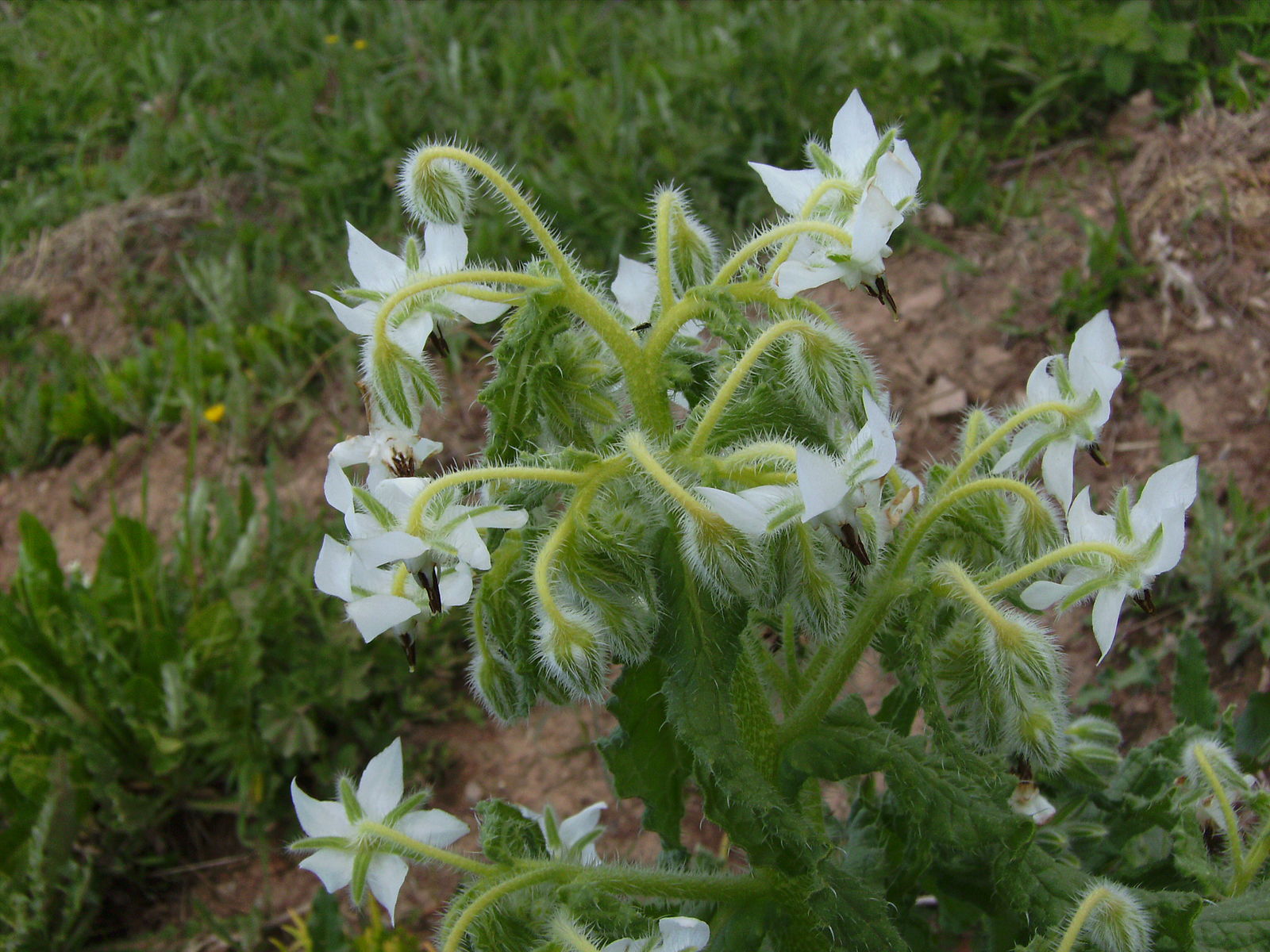
Here’s where Alba truly shines: it is a culinary treasure. The edible flowers—delicate, star-shaped, with five ivory petals and a striking dark “beauty mark” of stamens at the center—possess a subtle, cooling cucumber flavor with whispers of honey-sweetness. These aren’t just garnishes; they’re flavor. Fresh borage flowers have been used for centuries to float in Pimm’s Cup, the iconic English summer drink, and Alba’s white blooms add a visual refinement that elevates any beverage. Candied, the flowers become edible gems for cakes, pastries, and desserts. Frozen in ice cubes, they transform cocktails and lemonades into botanical art. The young leaves—wrinkled, slightly succulent, bristly with fine white hairs—can be added raw to salads (with a gentle touch to avoid the prickly hairs), cooked like spinach, or steeped into a calming, restorative tea. The entire plant imparts a cool, cucumber-like aroma and taste; one herbalist describes the experience of tasting a fresh borage flower as a moment of conversion—skeptics become devoted fans after a single petal. The seeds themselves are prized for their omega-rich borage oil, loaded with gamma-linolenic acid (GLA), an omega-6 fatty acid with anti-inflammatory potential.
Cultivating Alba borage from seed is gratifyingly straightforward. This is an annual herb that grows rapidly once soil is workable in spring, reaching 45–60 cm tall with a similar spread. It thrives in full sun to light shade and adapts to most soils, though it prefers well-draining, moisture-retentive earth rich in organic matter. It tolerates poor soil and drought with grace—true Mediterranean resilience. Sow seeds directly where you want them to grow (borage dislikes transplanting due to its delicate tap root); space seedlings 30–60 cm apart. Water regularly during growth and flowering, but avoid waterlogging. The plant prefers temperate to Mediterranean climates and is hardy to about -5 to -10°C, making it suitable for zones 3–10. Alba is compact and sturdy compared to standard borage—it flowers later, stays bushier, and resists the legginess of its blue sibling. Germination occurs in 6–10 days at temperatures of 15–25°C. Flowering begins around the fourth month and continues until the first hard frost (June through September in most regions), with blooms appearing in drooping clusters along the hollow, hairy stems. Self-sown seedlings often appear the following spring, gifting you borage year after year without effort.
Beyond the kitchen, Alba borage is an unsung pollinator superstar. A single plant produces nearly 1,000 individual flowers over its season. Each flower refills with nectar every 2–5 minutes—a speed unmatched by almost any other plant—making it a reliable feast for honeybees, bumblebees, butterflies, and other beneficial insects, even in hot, dry conditions. The downward-facing blooms protect the nectar from rain and dew, ensuring pollinators always find a full reward. Plant borage as a companion to tomatoes, squash, strawberries, and cabbage; it deters pests while summoning the allies that help your garden thrive. It’s green manure,
Only logged in customers who have purchased this product may leave a review.

Reviews
There are no reviews yet.