Description
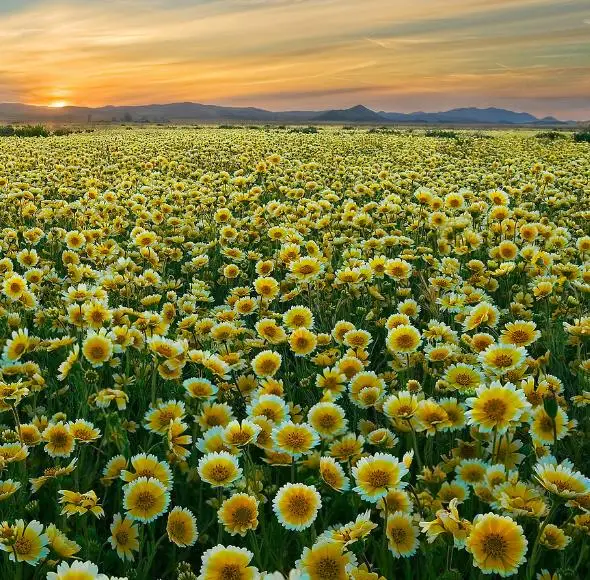
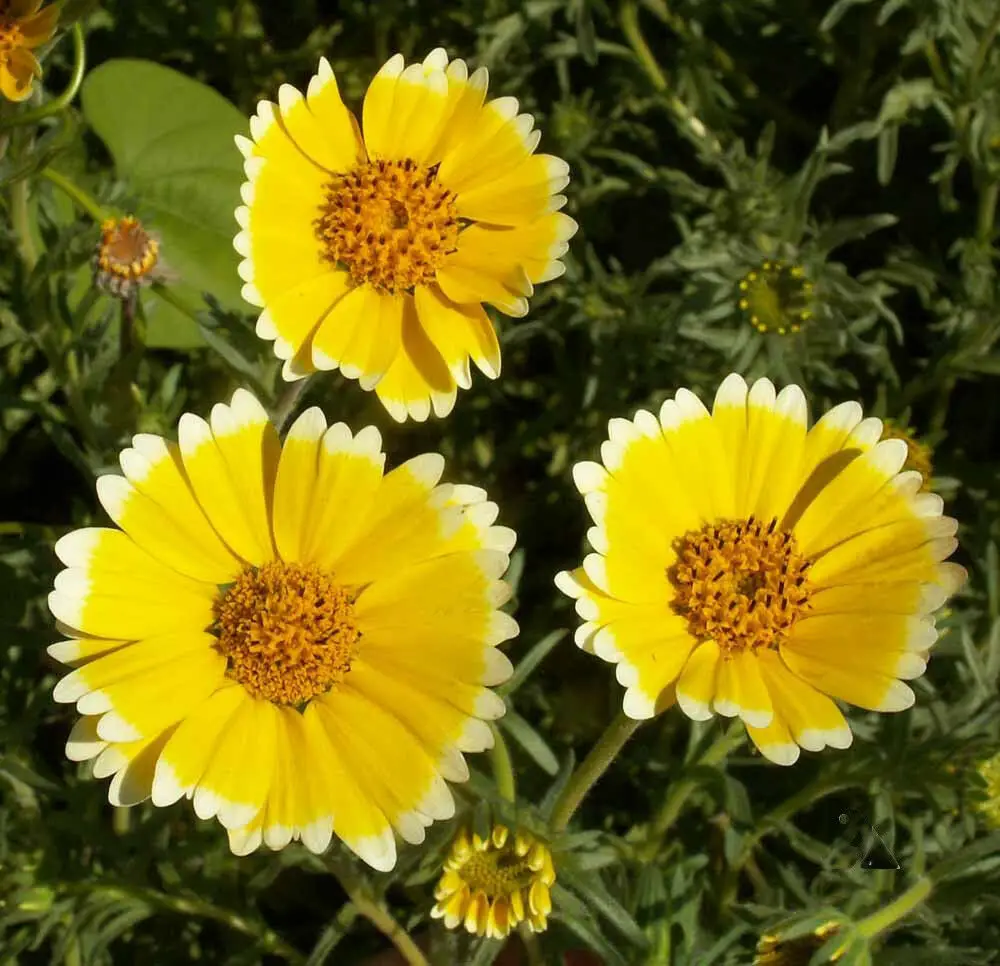
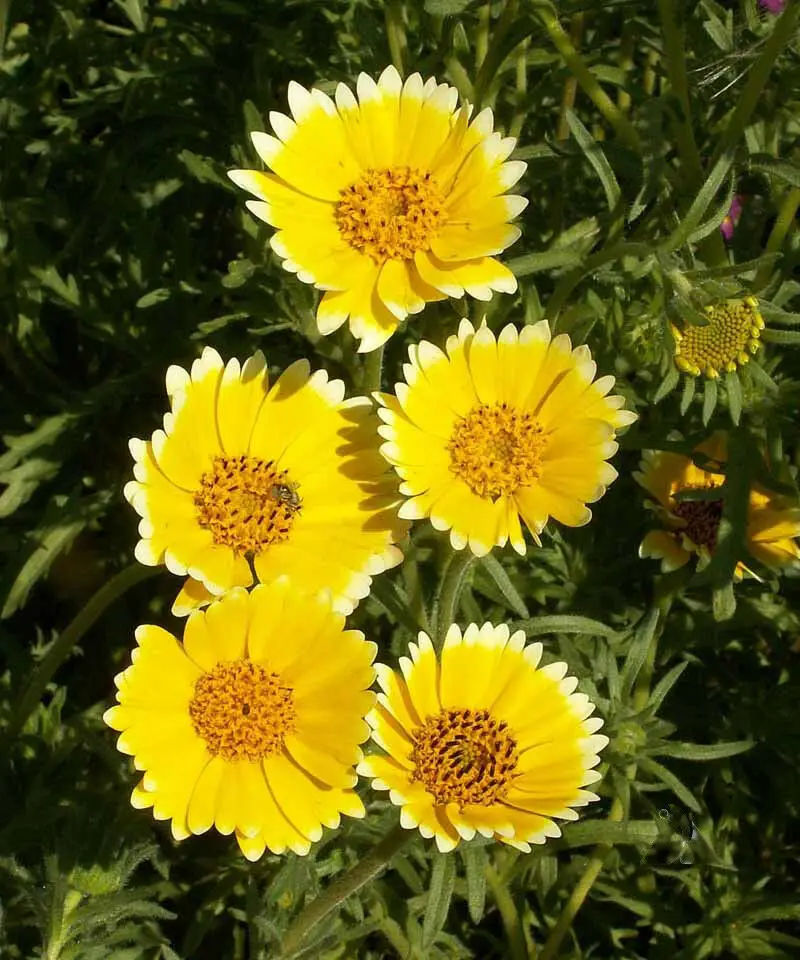
Bright golden yellow petals tipped in distinct, sharp-margined white — Layia platyglossa stops you cold.
Native to California and Baja Mexico, tidy tips was first described in 1843 after plant hunters roamed the west. This annual wildflower is native to California’s low-elevation dry habitats in the Coast Ranges, Central Valley, Channel Islands, and southern coastal plain where it is a member of spring wildflower displays in meadows and grasslands. The common name comes from this flower’s unusual yellow petals, which each have a neatly painted tip of white. The genus name “platyglossa” comes from Greek words meaning “broad-tongued,” referring to the appearance of the foliage.
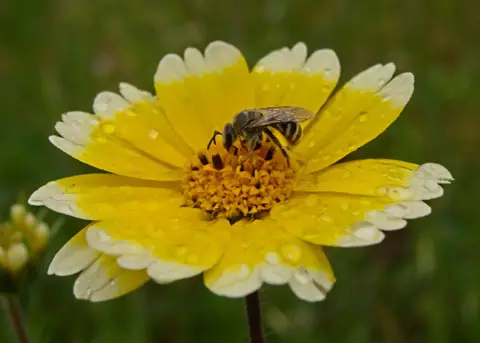
**The Heart of It All: A Pollinator’s Paradise.** This is where tidy tips becomes irreplaceable. In California, they provide essential nectar for native bees, hoverflies, and especially the Checkerspot butterfly, whose populations rely on native wildflowers like this one. Nectar source for the Checkerspot butterfly. While countless flowers attract pollinators, tidy tips is **essential habitat** — these delicate butterflies will seek this flower out. Pollination is done by insects. They attract many pollinators, especially butterflies. The blossoms are followed by tufted, dandelion-seed-like fruits that birds eagerly consume. Your garden becomes a living refuge — the wildflower is used in habitat restoration projects, and is a pollinator supportive plant. Seed used to make pinole — historically, this species fed Native peoples. Now it feeds the future.
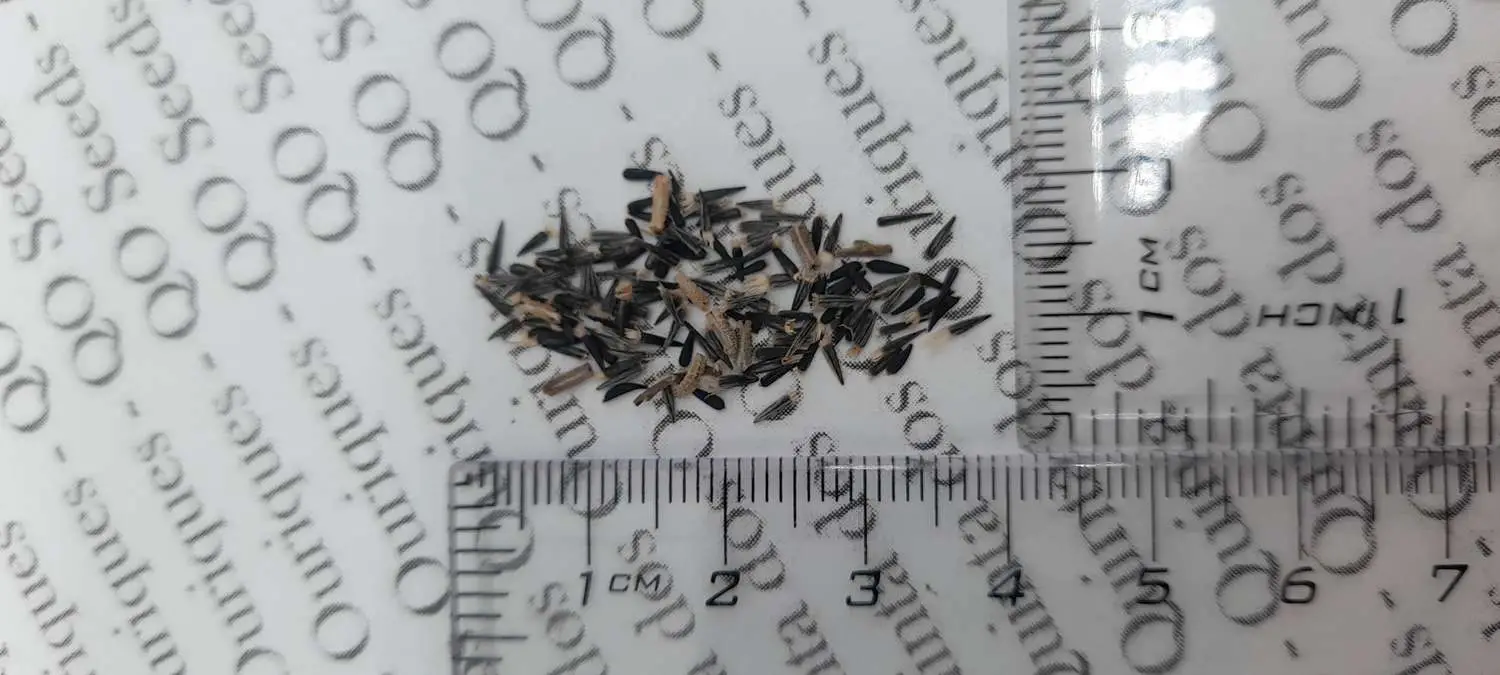
**Growing the Dream.** Mature plants do not require much attention and will tolerate some drought, though they do not grow well in soggy soil or humid conditions. For the most abundant blooms, avoid fertilizing. This plant grows well in clay soil and coastal areas, and will readily reseed itself. Thrives in full sun, in clay or loamy, well-drained soils. Germination usually occurs within 6-10 days at the optimum temperature of 65-70 degrees F. Do not cover Layia Platyglossa seeds, since they need light to germinate. It reseeds readily and can form dense colonies. The beauty is that Layia Platyglossa seeds are very easy to germinate, and Tidy Tips grows fast, tolerating drought and blooming heavily until the first frost. This is a low-stress triumph.
**Invite the Wonder.** Imagine your spring garden alive with flowers providing cheerful color from early spring to early summer. Imagine opening your window and seeing the Checkerspot butterflies dancing among your plants — a butterfly that depends on native nectar sources to survive. This is not ornamental indulgence; this is ecological stewardship wrapped in golden petals and white-tipped joy. Grow Layia platyglossa from seed and become part of California’s recovery story. Your seed packet is an act of love for the land.
Germination Guide
🌍 California, Utah, Arizona, Baja California, Mexico
Easy
Layia platyglossa, commonly called coastal tidytips or tidy tips, is an annual wildflower native to western North America, particularly California and southwestern regions. Characterized by distinctive daisy-like flowers with bright yellow petals tipped in white, this cheerful annual is drought-tolerant and easy to grow.
Germination
Germination time
Expect germination in
6 – 28 days
Temperature
Min 65°C
Ideal 70°C
Max 75°C
🌡️ Temperature alternation recommended
— Seeds have temperature-related afterripening
Substrate moisture
💧 Medium
Substrate & Container
Recommended substrate
well-drained soil, poor sandy loams
Recommended container
cell packs or flats with drainage holes
Growing Tips
Seeds need light to germinate; do not cover seeds or cover only lightly. Requires full sun and well-drained soil. Higher temperatures above 75°F can prevent germination. Sow in fall in mild climates or early spring after last frost in colder regions. This species exhibits temperature-related afterripening.
Only logged in customers who have purchased this product may leave a review.



Reviews
There are no reviews yet.