
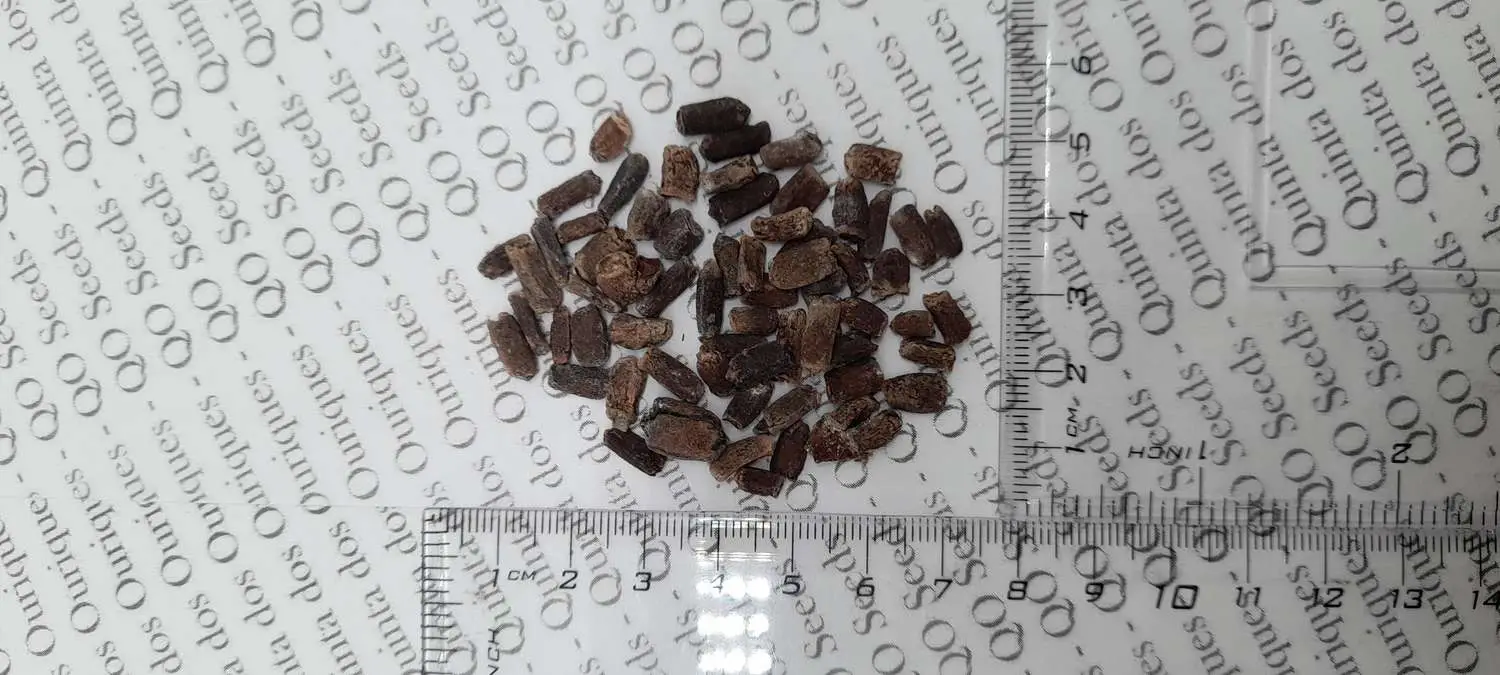
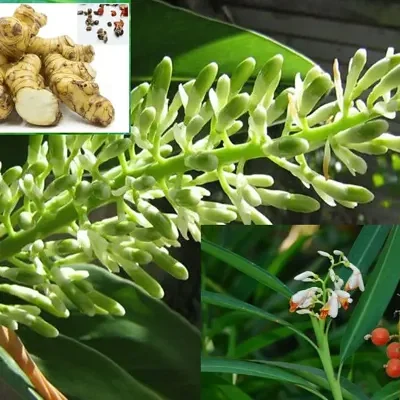
Centuries of Asian cuisine rest on this single magnificent tuber. Grow elephant foot yam from seed and harvest a starchy treasure packed with fiber, minerals, and traditional medicinal potency. Fries like potato, curries like magic—and far easier than you’d think. One corm feeds families for generations.
€2.46
Here is a plant that has fed civilizations for centuries and still whispers secrets in Ayurvedic medicine cabinets across South Asia.
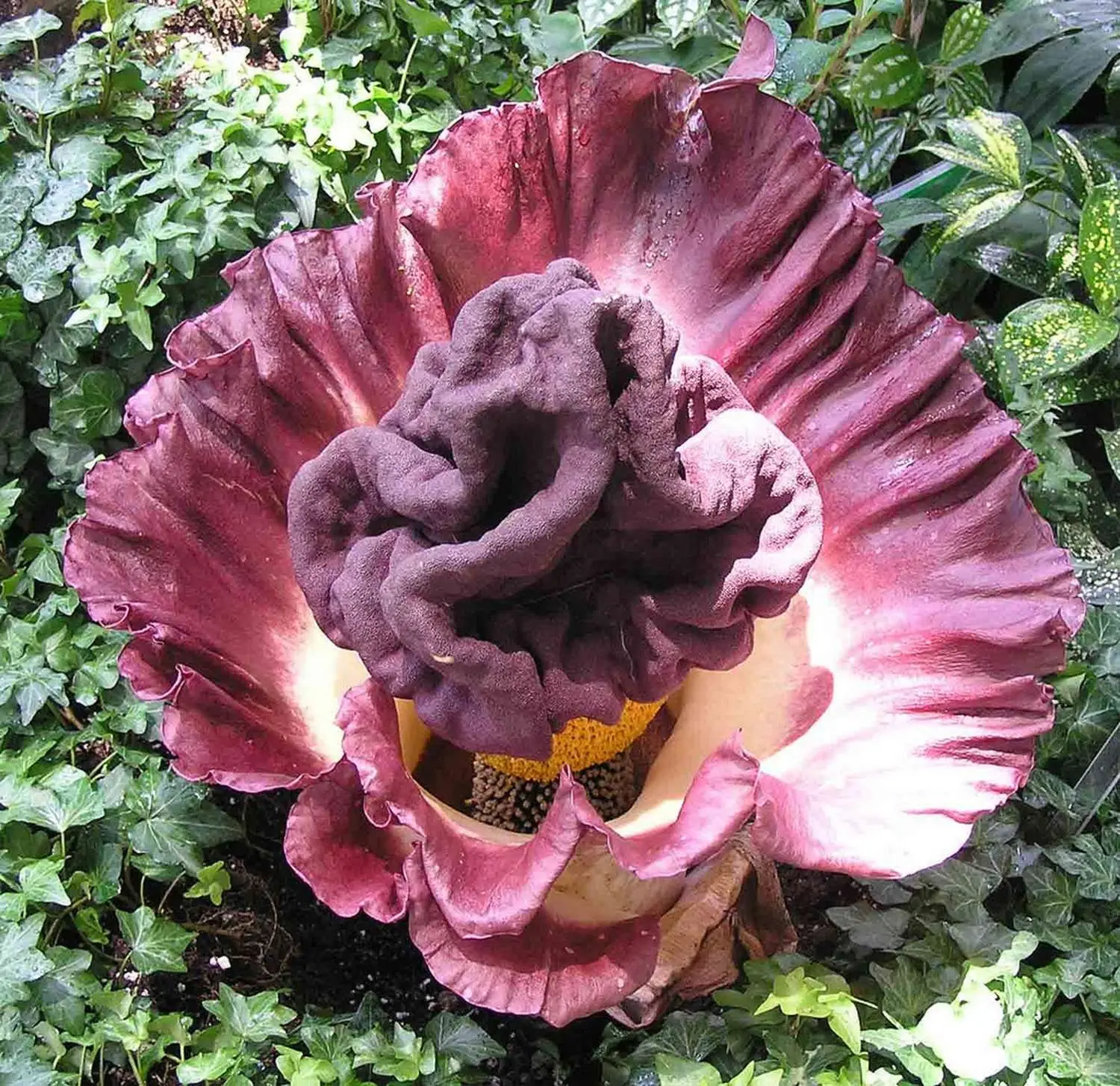
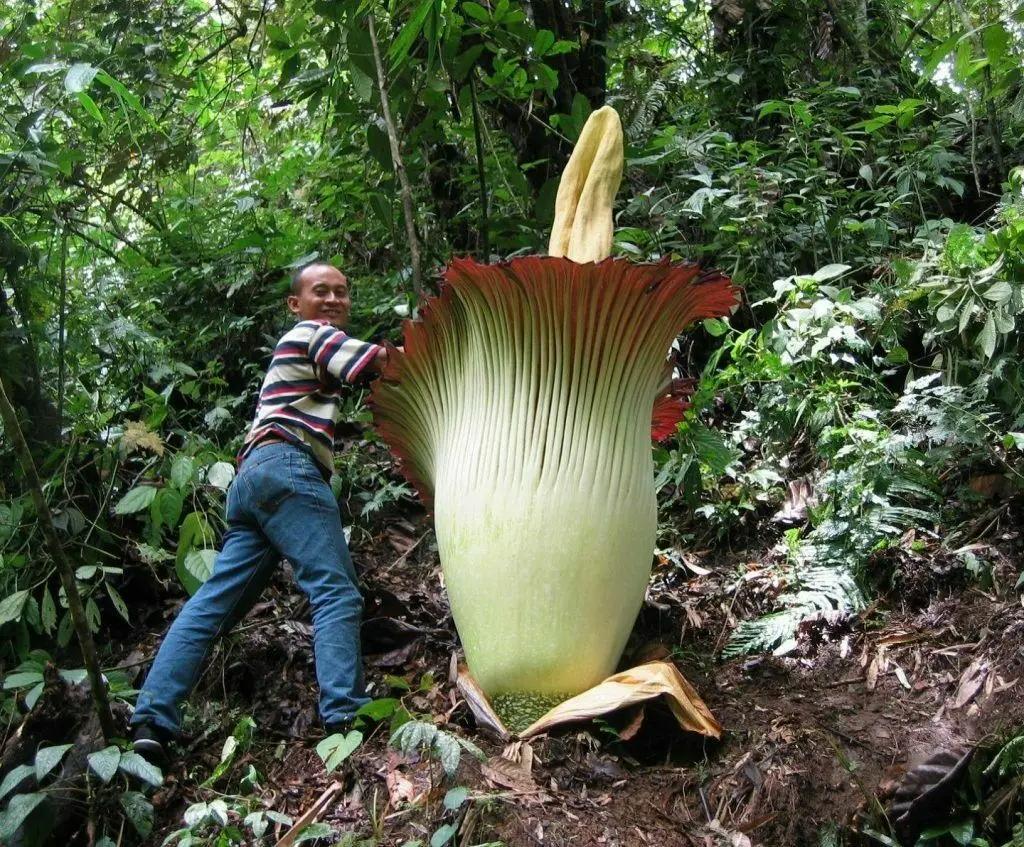
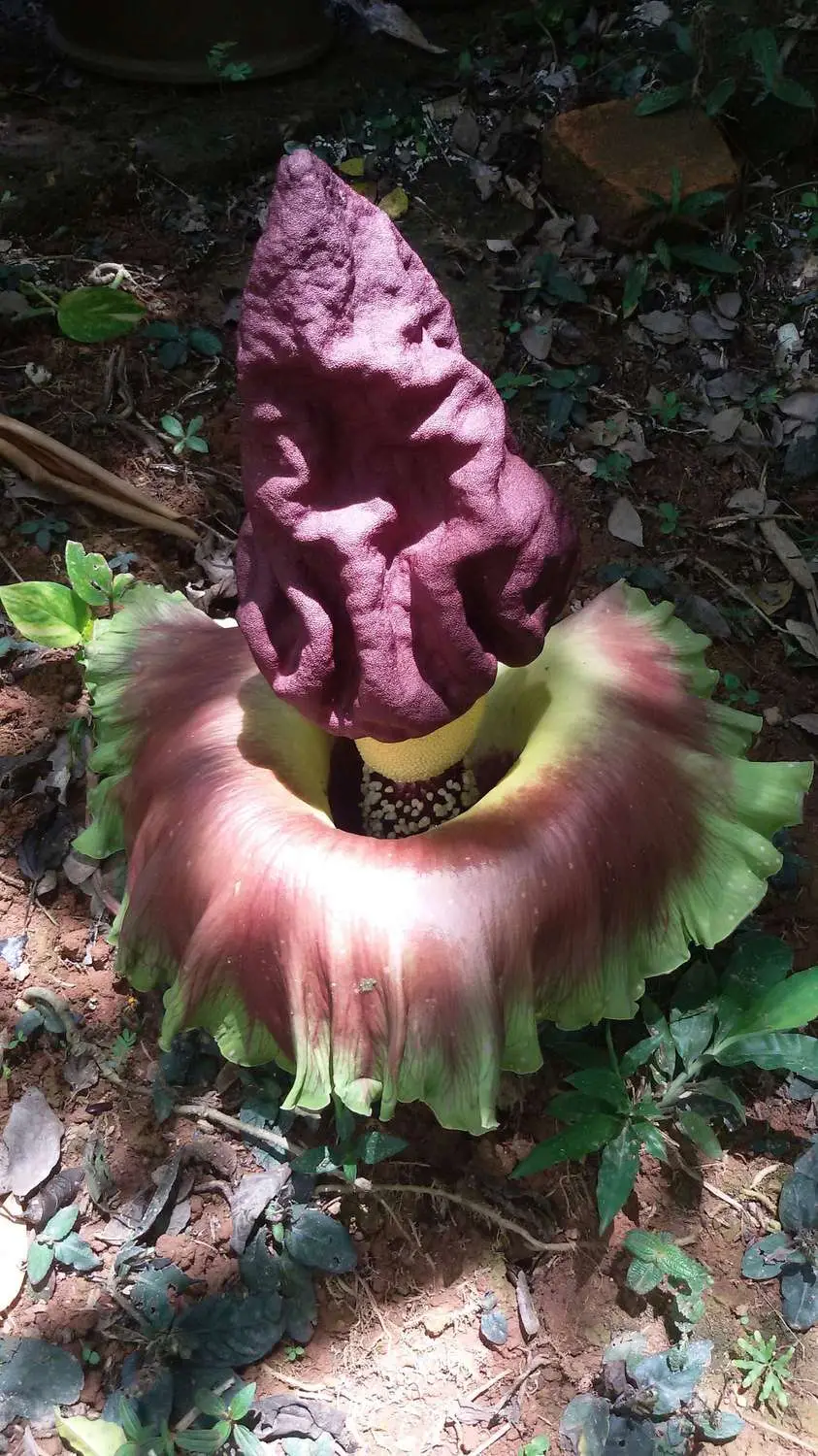
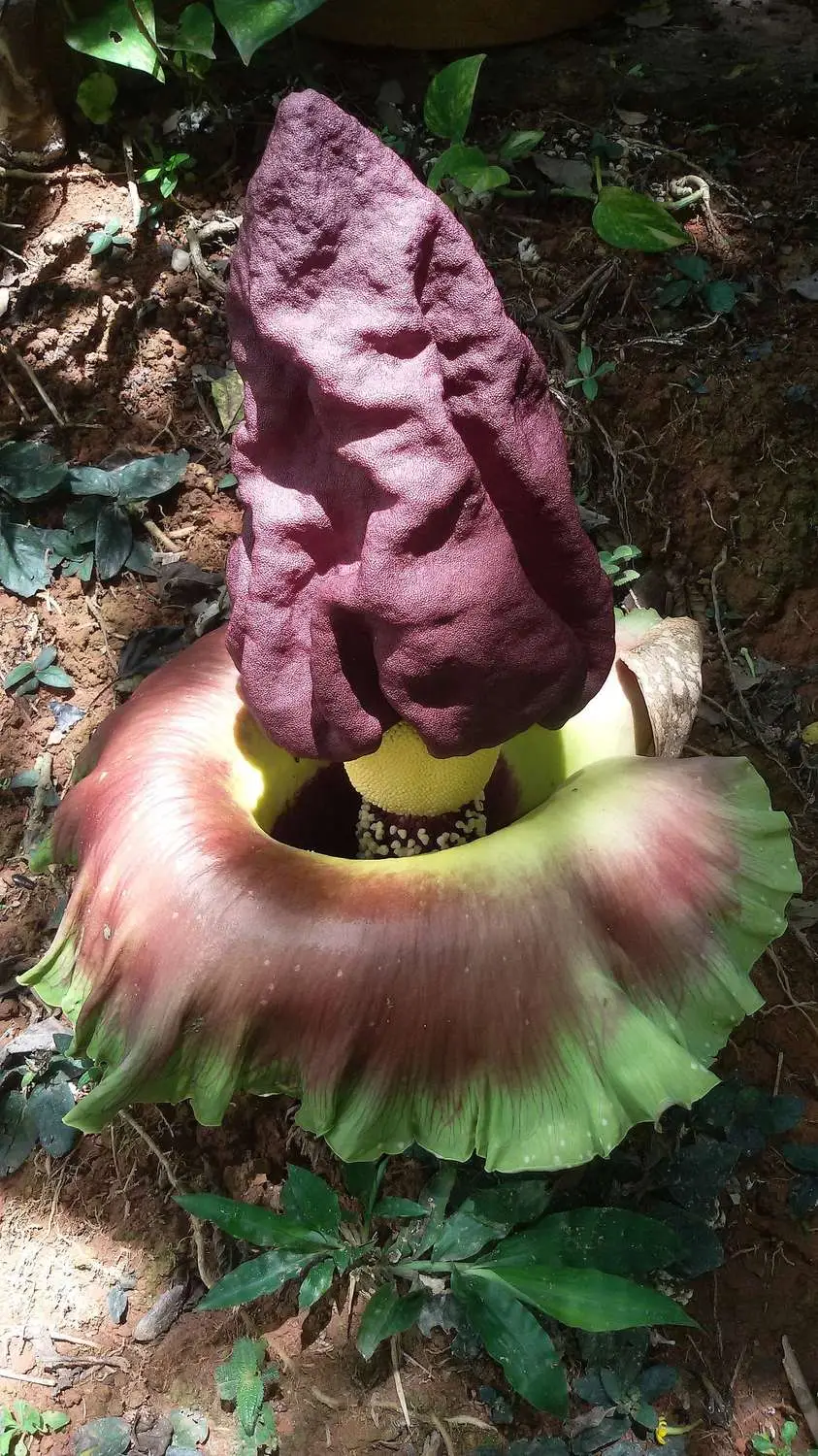
Amorphophallus paeoniifolius, commonly known as the elephant foot yam or whitespot giant arum, is a tropical plant native to Island Southeast Asia and is cultivated for its edible tubers in Southeast Asia, South Asia, Madagascar, New Guinea, and the Pacific islands. A genetic study in 2017 has shown that Indian populations of elephant foot yams have lower genetic diversity than those in Island Southeast Asia, therefore it is now believed that elephant foot yams originated from Island Southeast Asia and spread westwards into Thailand and India. This is not a recent discovery—it is cultivated and consumed for centuries in various cultures, particularly in Asian countries such as India, Indonesia, Thailand, and Malaysia.
What makes this plant unmistakably special is its culinary soul. The corm is high in starch, fiber, and potassium, yet low in fat, and when properly cooked, it develops a nutty, mildly sweet flavor reminiscent of taro or potato. In Bihar, it is used in oal curry (i.e. elephant foot curry), oal bharta or chokha, pickles, and chutney. But the magic extends beyond the tuber itself: the fibrous stems are prepared and eaten as a vegetable, making this a plant that offers multiple harvests from a single corm. Because of its production potential and popularity as a vegetable in various cuisines, it can be raised as a cash crop. In traditional Asian kitchens, it transforms into everything from stir-fries to flour—a culinary shapeshifter that rewards your effort with versatility and depth of flavor.
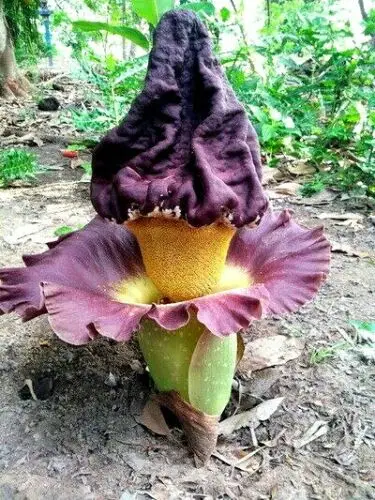
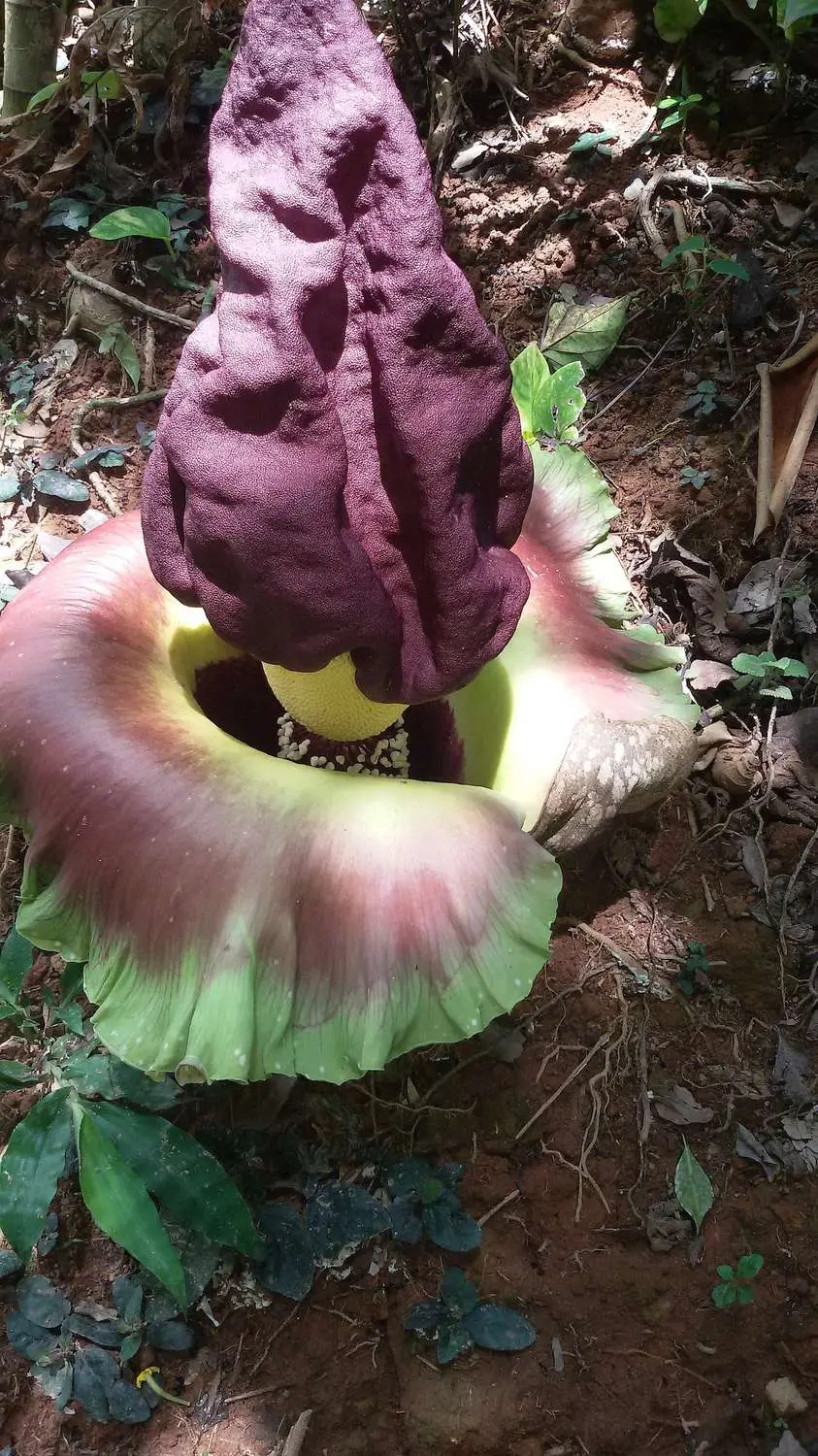
Beyond the kitchen lies medicine. In Ayurveda, it is traditionally used to promote digestive health, treat digestive disorders, and as an aphrodisiac, often consumed as part of detoxification regimens. The tuber has an impressive nutritional profile, being rich in carbohydrates, proteins, vitamins, minerals, flavonoids, and dietary fibers. Elephant foot yam is rich in fibre, antioxidants, and essential minerals, and is known for its anti-inflammatory, anti-diabetic, and cholesterol-lowering properties. Modern research is catching up to what traditional healers have always known: the corms have aperient, carminative, and uterine stimulant properties, as well as hepatoprotective, antioxidant properties, and the corm extract is utilized to address hemorrhoids, dysentery, piles, diarrhea, and acute rheumatism. There is also something almost mystical about the plant itself. Its flowering event generates significant heat—up to 100°F (38°C)—and releases a smell akin to decaying meat to attract pollinators such as flies and beetles. This thermogenic mechanism is rare among plants and shared with the legendary titan arum.
Growing elephant foot yam is far more forgiving than legend suggests. The plant is particularly notable for its resilience, high yield, minimal pest issues, and ease of cultivation. Elephant foot yam grows well in fertile red-loamy and well-drained soil, with a soil pH range of 5.5 to 7.2 preferred for its cultivation. Give these yams well composted, freely draining soil in a spot receiving good sunshine but shaded from western sun. Elephant Foot Yam loves to stay in moist soil all the time, so water the plant once every 3-4 days or whenever the topsoil feels a little dry to the touch. With a gestation period of 7 to 8 months, Yam crops sown in April reach maturity by November. This is a plant that rewards
Only logged in customers who have purchased this product may leave a review.


Reviews
There are no reviews yet.