Description
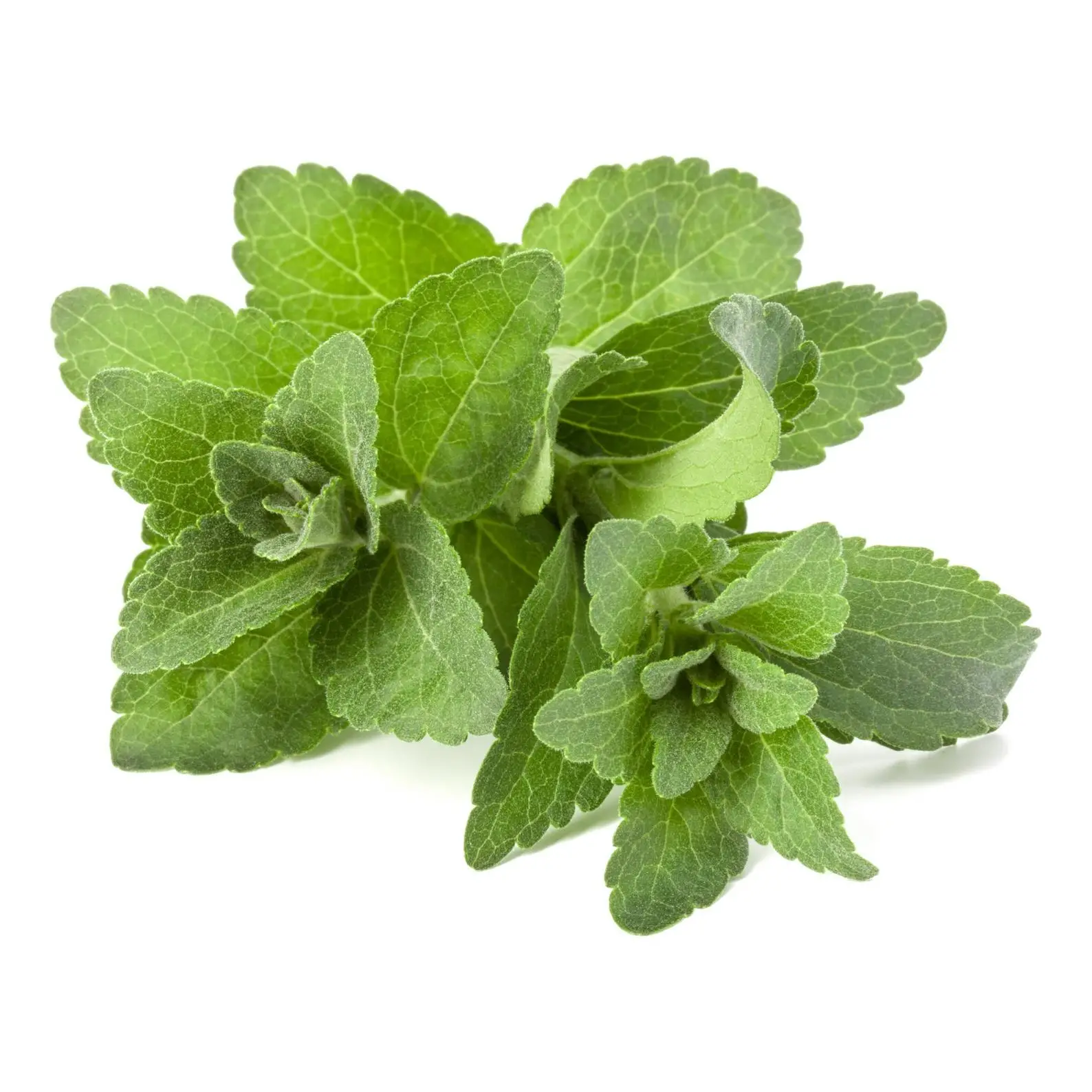
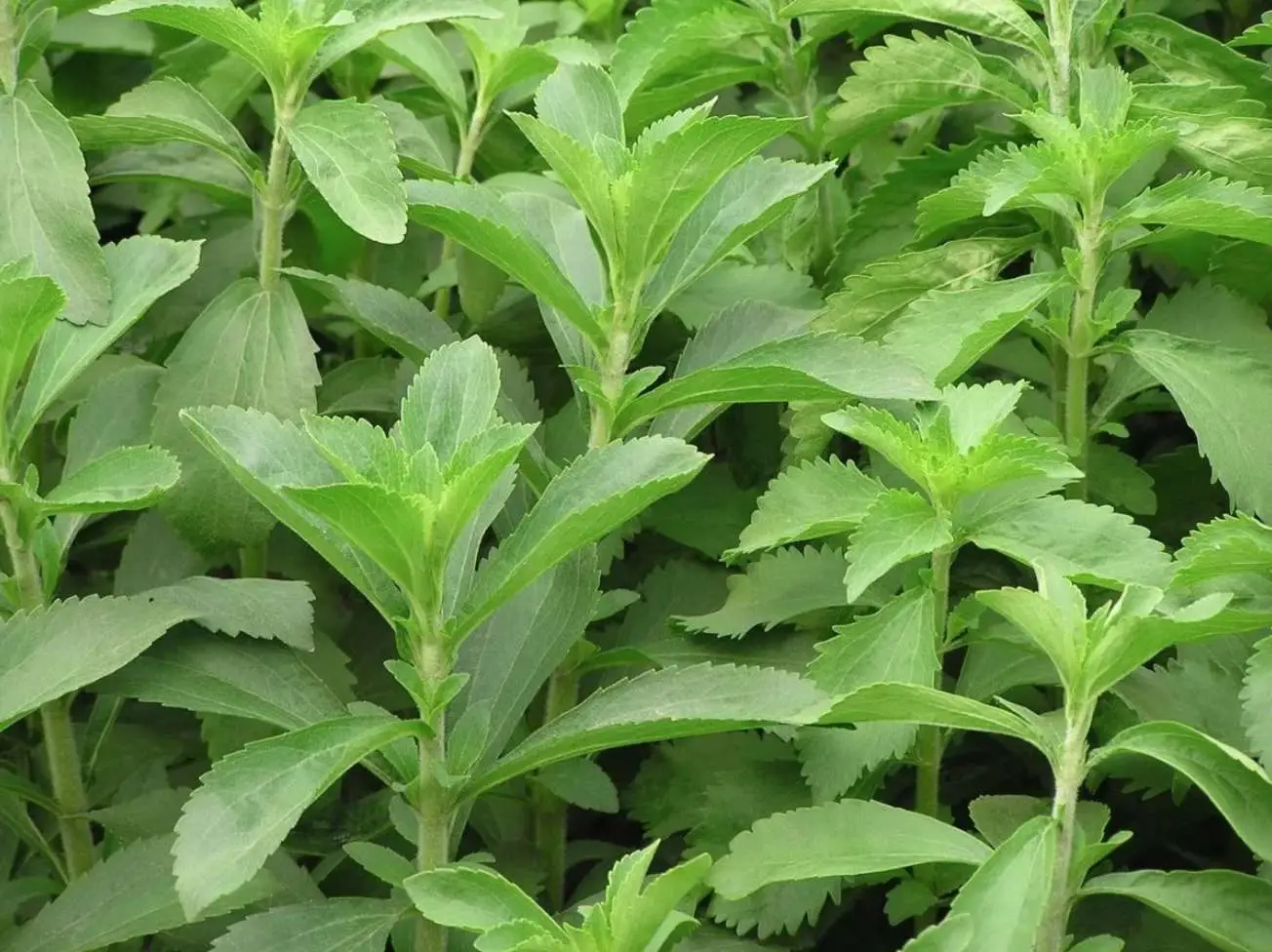
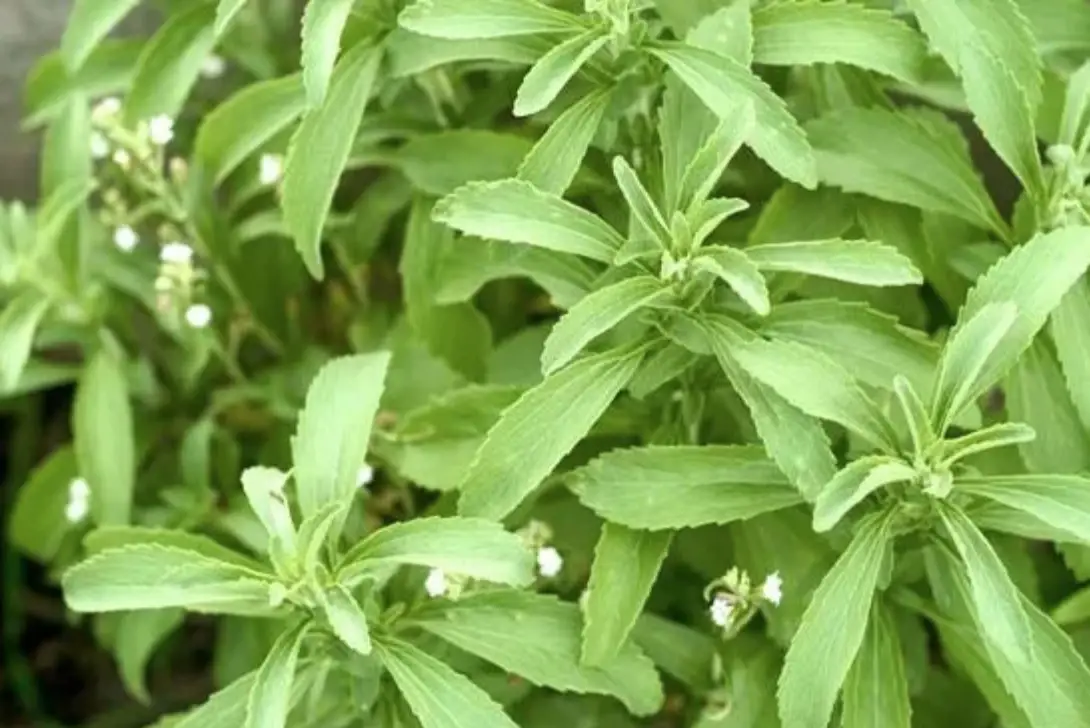
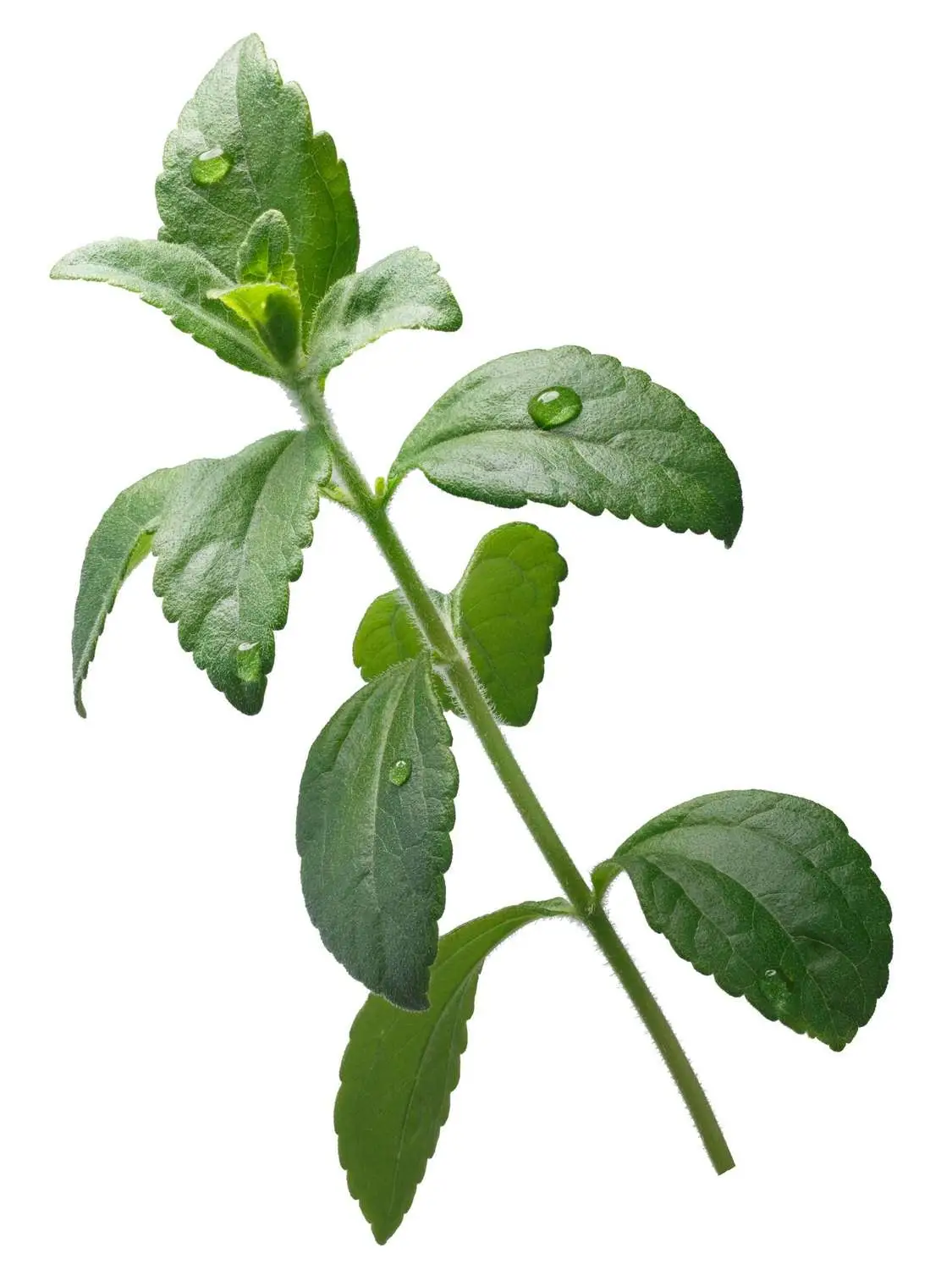
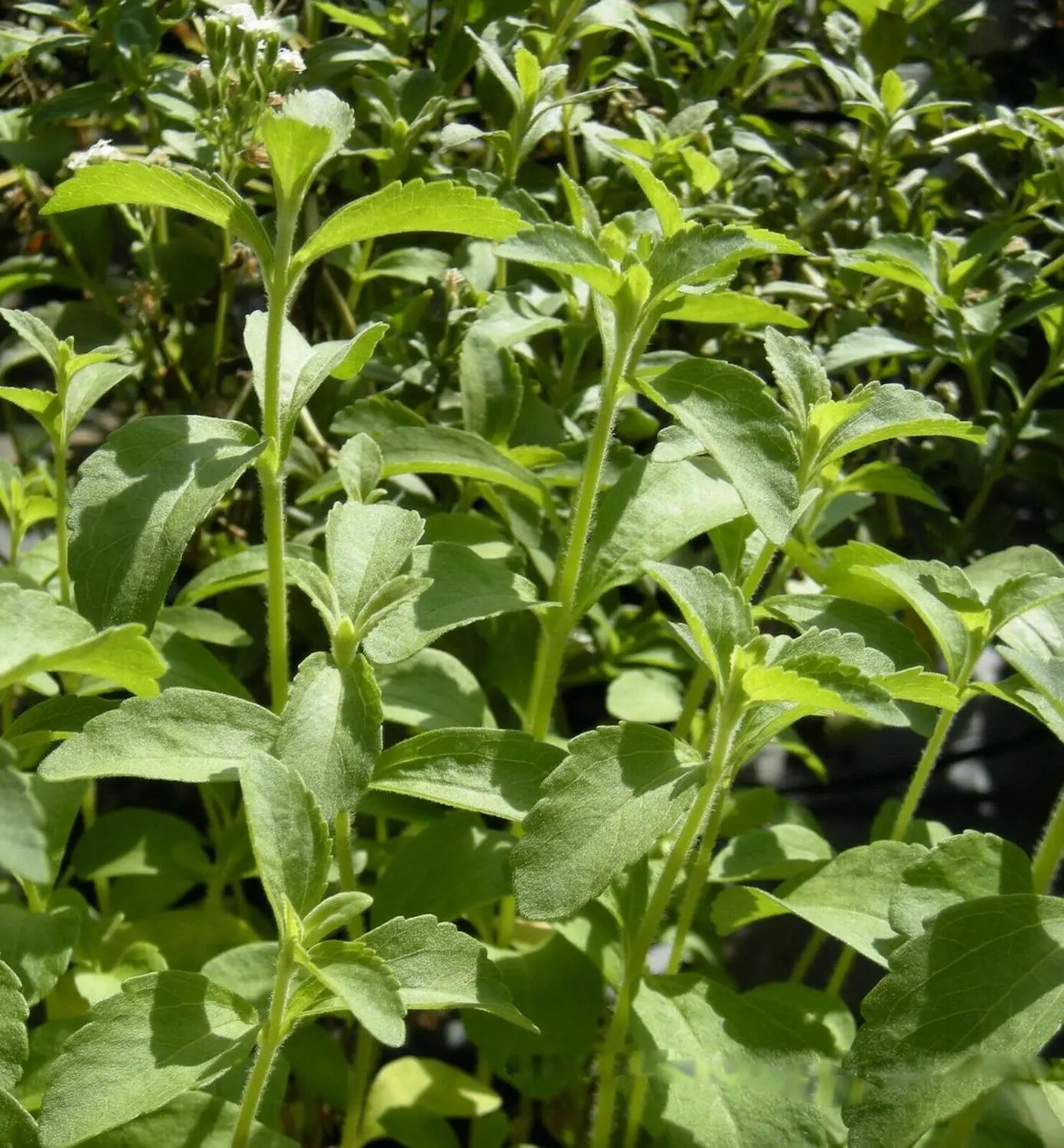
Stevia rebaudiana is a plant species in the genus Stevia of the sunflower family (Asteraceae). It is commonly known as candyleaf, sweetleaf or sugarleaf.
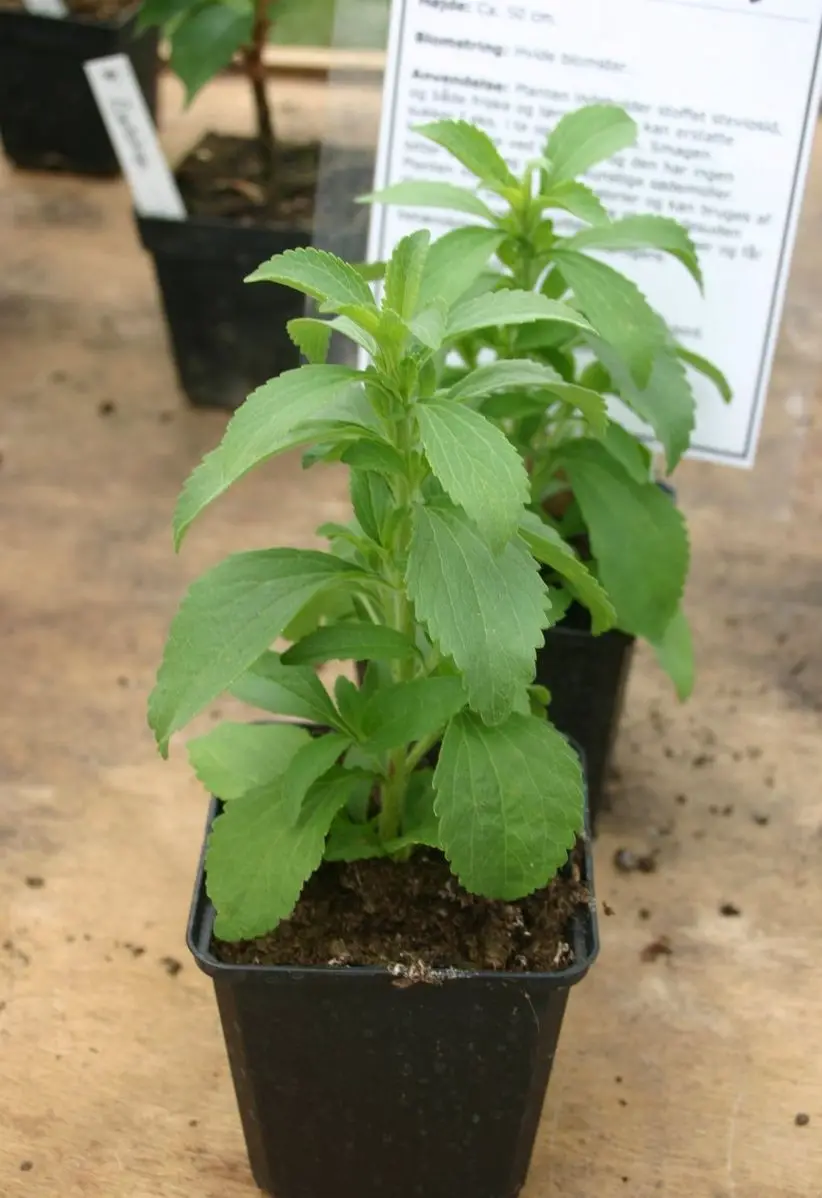
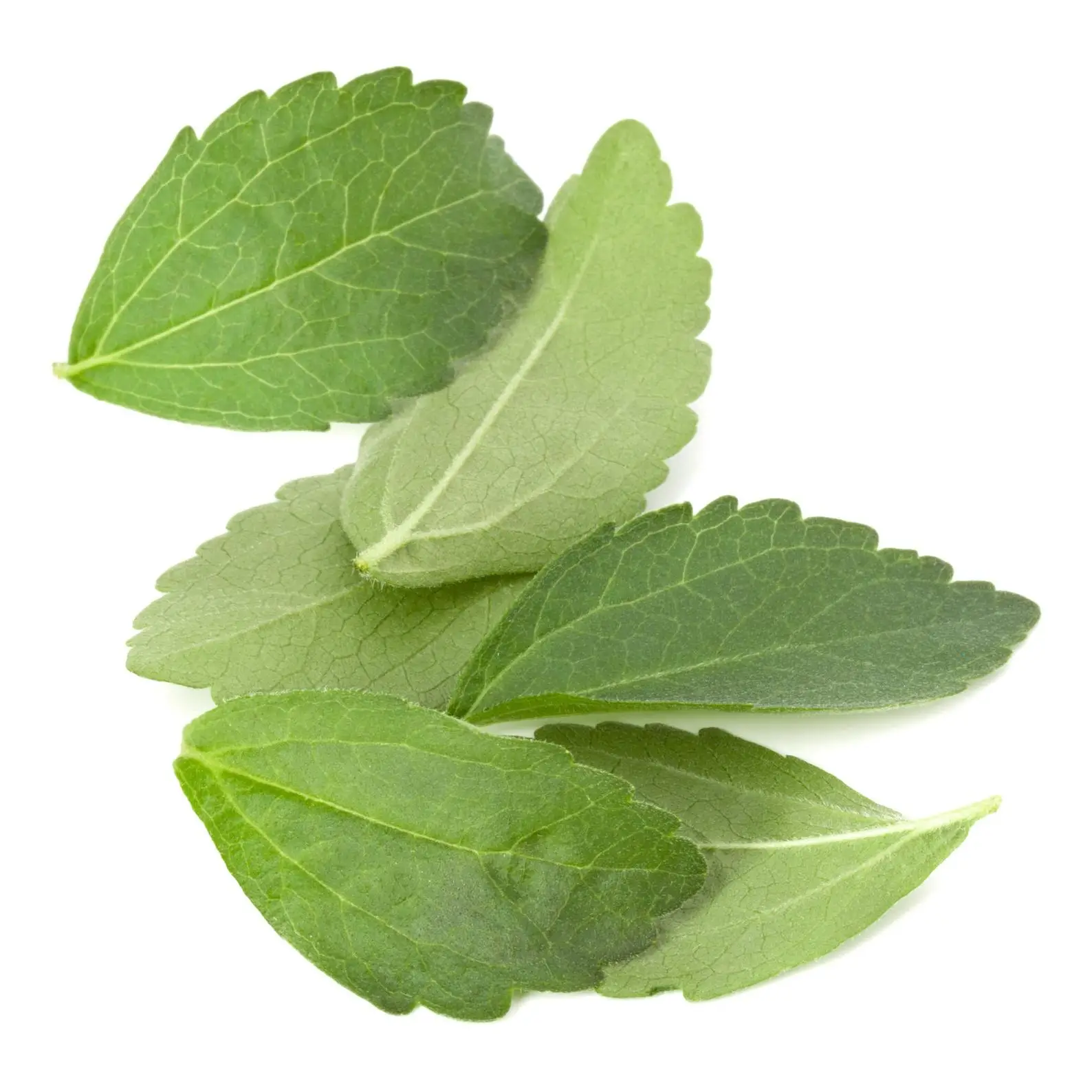
It is a small seasonal plant which grows to a height of 30–60 cm (0.98–1.97 ft). It has elongated leaves that grow along the stems and are lined up against each other. Flowers are typically trimmed to improve the taste of the leaves. Stevia is a tender perennial native to parts of Brazil and Paraguay having humid, wet environments.
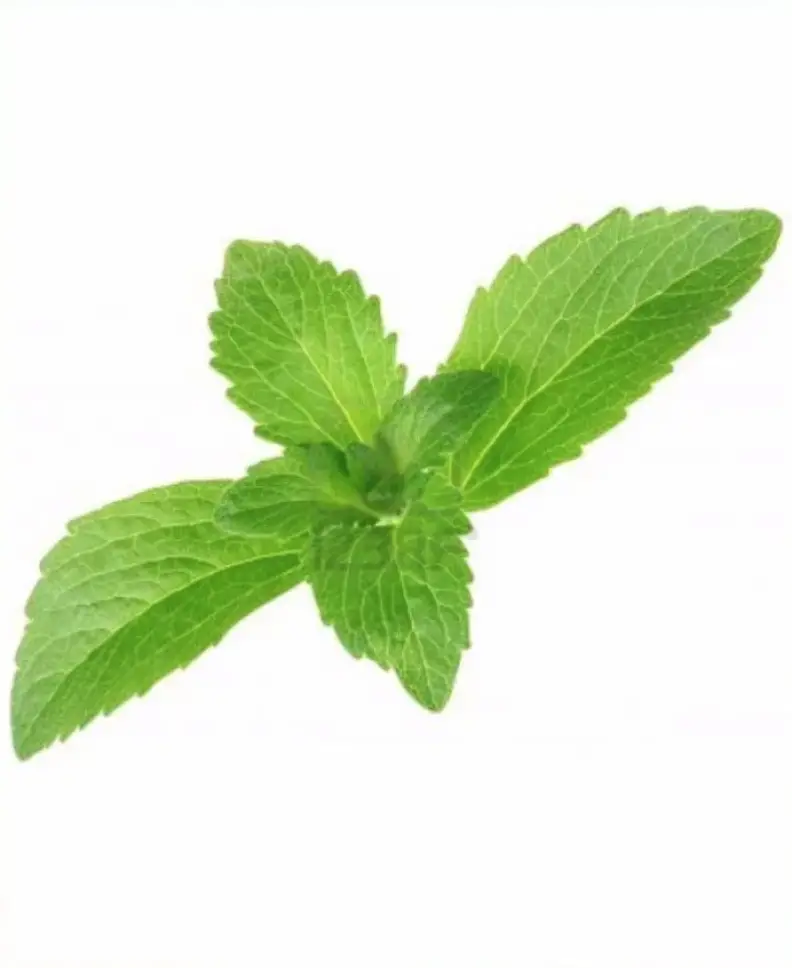
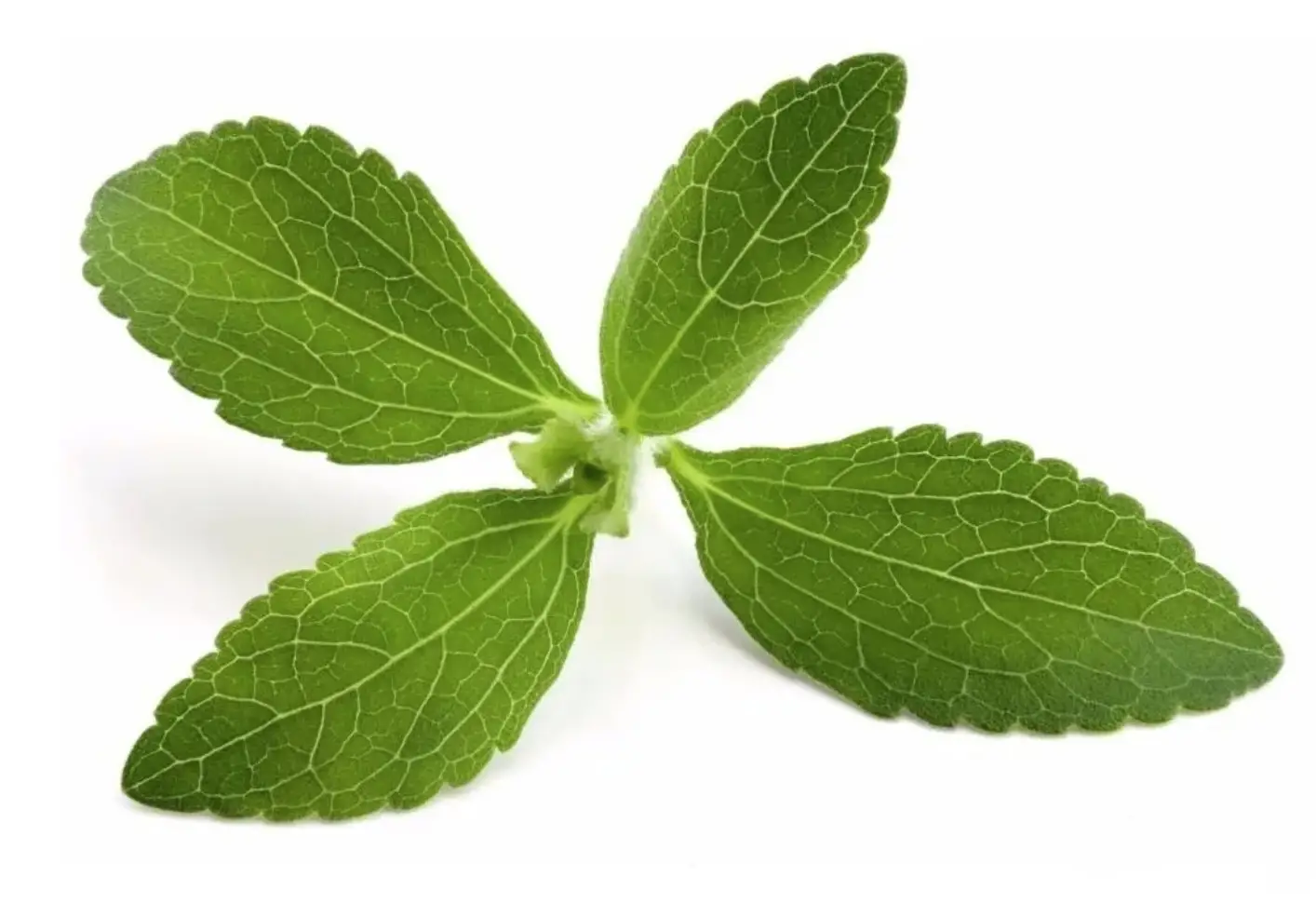
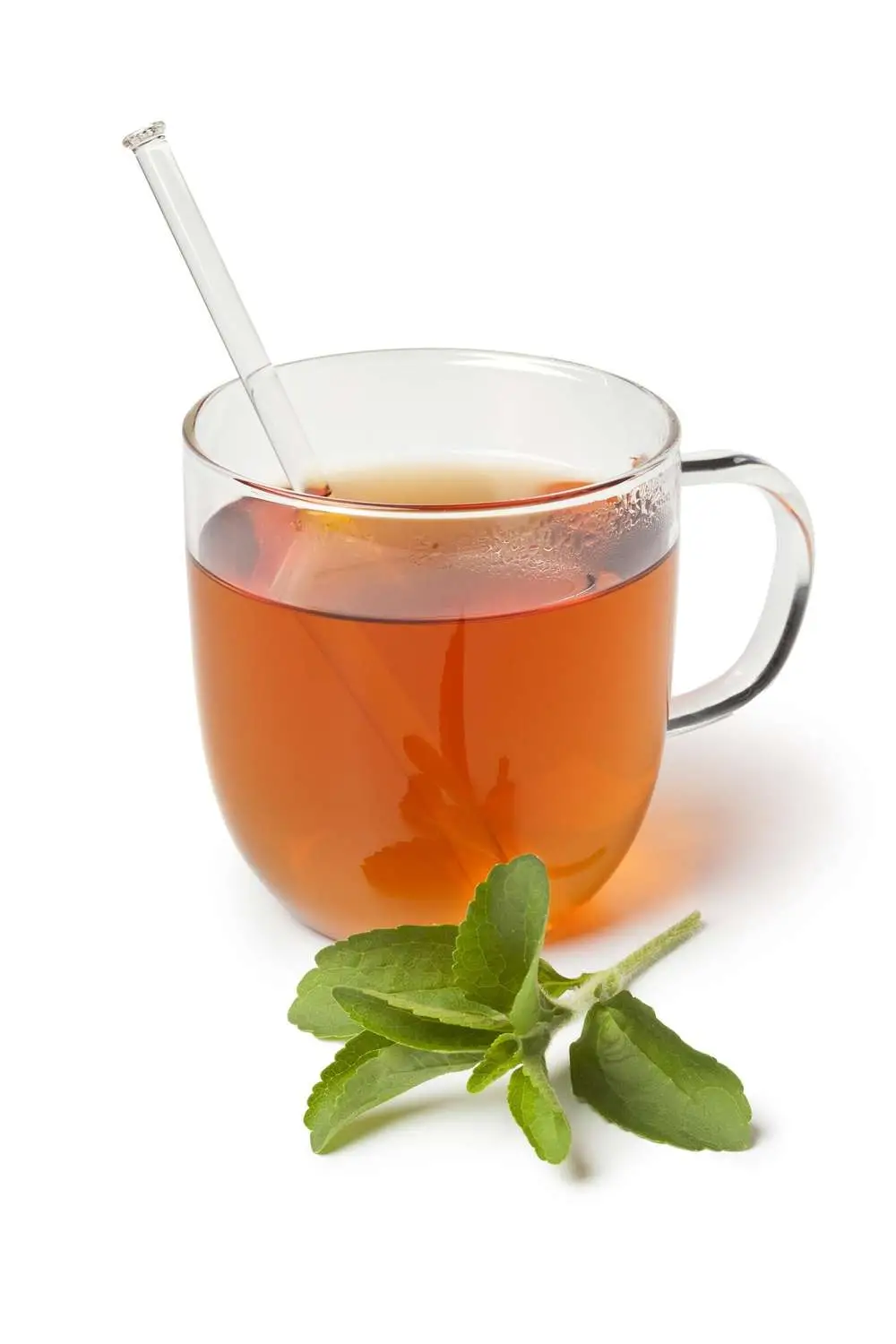
Stevia is widely grown for its leaves, from which extracts can be manufactured as sweetener products known generically as stevia and sold under various trade names. The chemical compounds that produce its sweetness are various steviol glycosides (mainly stevioside and rebaudioside), which have 200–300 times the sweetness of sugar. Stevia leaves contain 9.1% stevioside and 3.8% rebaudioside A.
Germination Guide
🌍 Paraguay and Brazil
Difficult
Stevia rebaudiana is a perennial herb native to Paraguay and Brazil, valued for its leaves containing steviol glycosides that are 200-300 times sweeter than sugar. Seed germination is notoriously challenging, with naturally low viability (10-40%) requiring careful attention to temperature, light, and humidity conditions for successful propagation.
Germination
Germination time
Expect germination in
7 – 21 days
Temperature
Min 18°C
Ideal 24°C
Max 30°C
🌡️ Temperature alternation recommended
— Alternating temperatures (15/25°C or 20/30°C) can improve germination rates in some accessions.
Substrate moisture
💧💧 High
Seed Pre-treatment
-
❄️
Cold stratification — 28 days at 4°C
-
📋
Additional notes
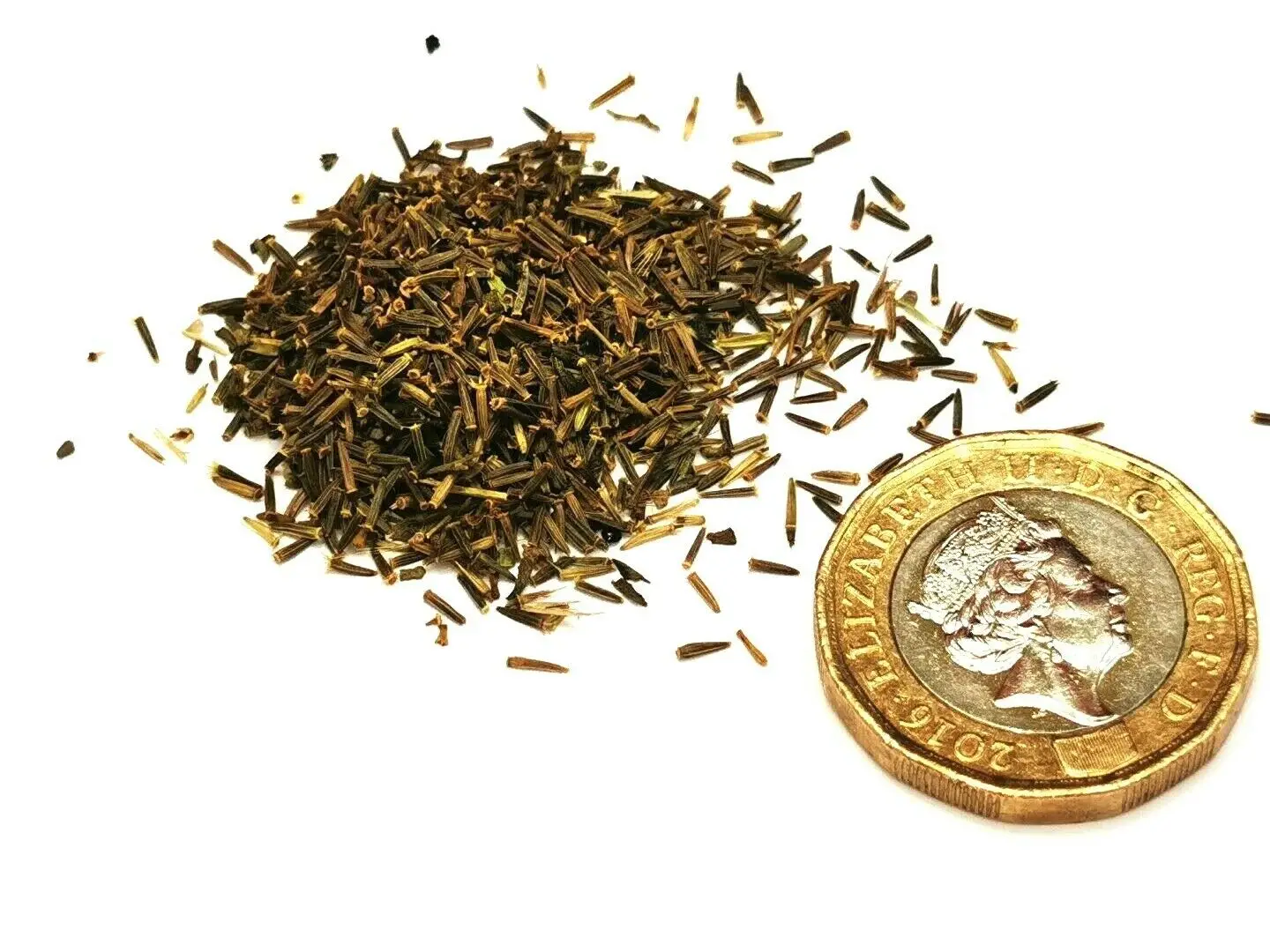
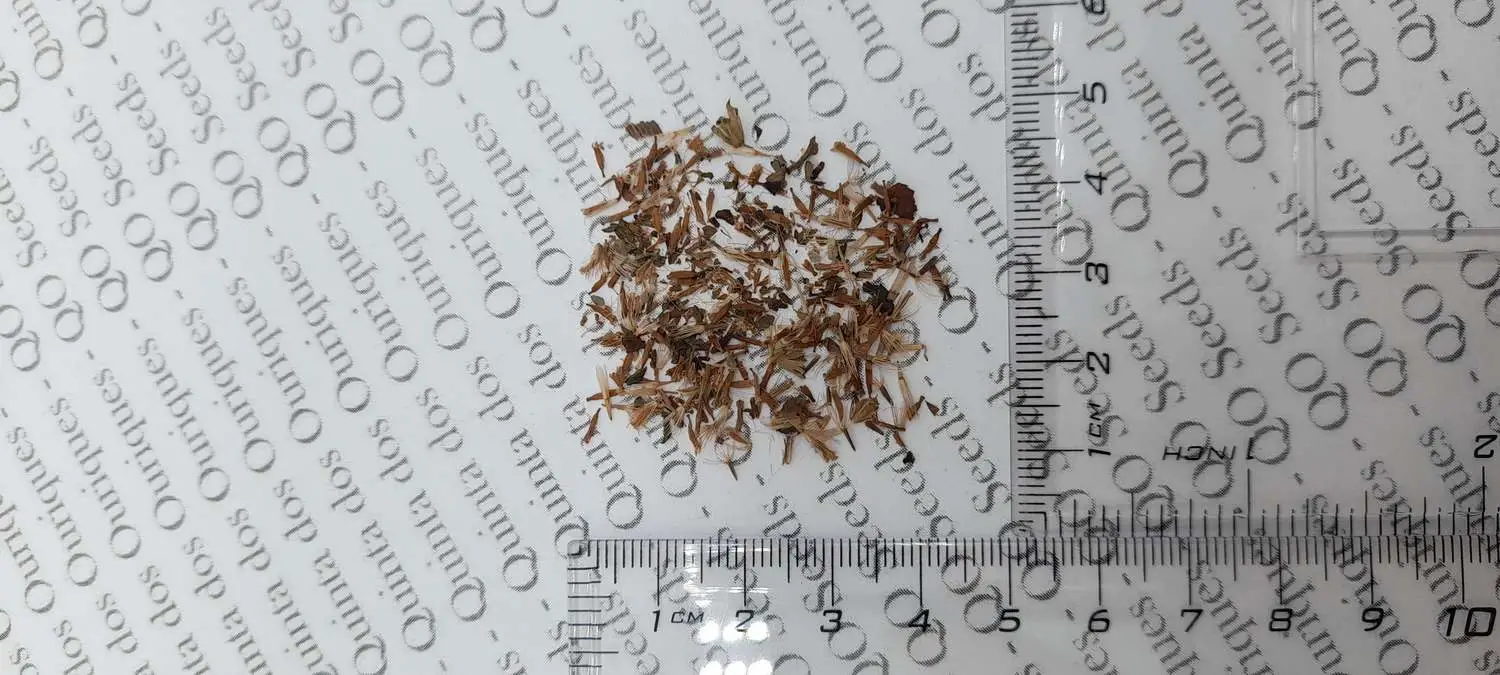
Cold stratification or seed priming with potassium chloride (KCl) for 32 hours improves germination rates. Select black viable seeds and discard tan seeds.
Substrate & Container
Recommended substrate
sterile seed mix, slightly acidic, sandy or sandy loam
Recommended container
seed trays or Bio Dome for humidity control
Growing Tips
Use black seeds only, discarding light-colored tan seeds which are inviable. Keep soil at 70-75°F with bright light and maintain high humidity using a plastic dome or wrap. Sow seeds on surface, pressing firmly but not covering, as light aids germination. Do not allow soil to dry out or become waterlogged to prevent damping-off. Consider seed priming with potassium chloride or cold stratification to improve germination rates significantly.
Only logged in customers who have purchased this product may leave a review.


Reviews
There are no reviews yet.