Get 30% OFF the entire store until the end of the month! Use coupon code GERMINATION30 FREE SHIPPING OVER €30 FREE SHIPPING OVER €30 Get 30% OFF the entire store until the end of the month! Use coupon code GERMINATION30

Get 30% OFF the entire store until the end of the month! Use coupon code GERMINATION30

Bromelia karatas – Bromelia Taste, Piñuelas, Plumier’s Bromelia

Botanical nomenclature: bromelia karatas
Common name: bromelia taste, piñuelas, plumier’s bromelia
Family: bromeliaceae
Origin: caribbean and central america
Height: 1 – 3 meter
Luminosity: full sun, partial shadow, shadow
Climate: see description below

1.92

You May Also Like

Description

The most common and popular edible bromelia is pineapple (ananas comosus) … For a good reason. But there are other bromelies that are also excellent food sources and as tasty as.

Various species of the genus bromelia have their fruits (technically a berry), harvested and eaten.

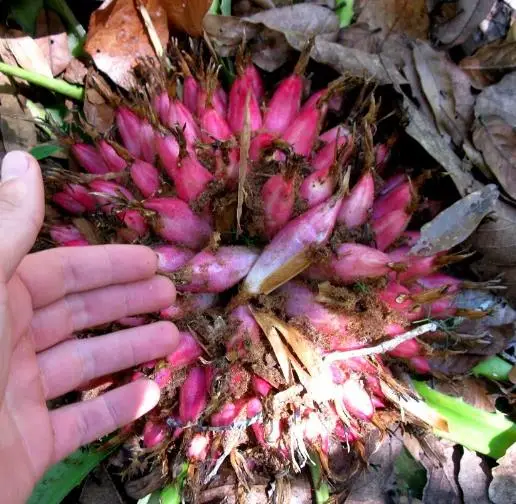
Let’s talk about bromelia karatas today with a huge ripe berry collection, commonly known as piñuelas.

Piñuela is a common name given to various species of bromelia, including bromelia karatas.

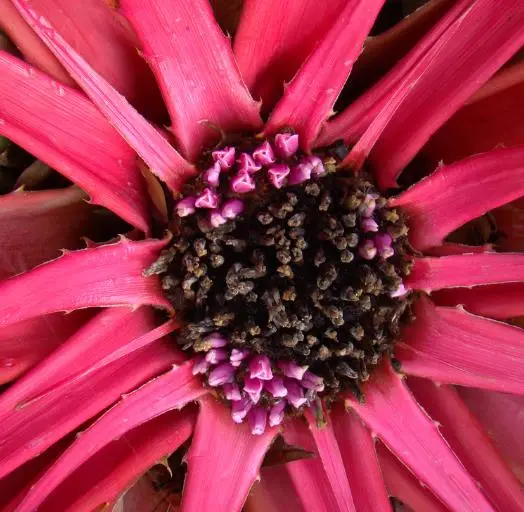
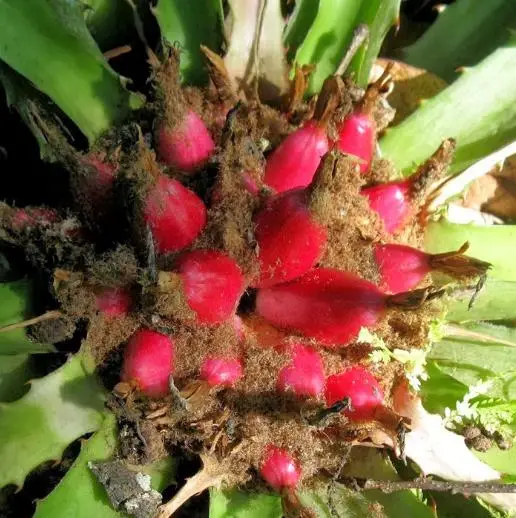
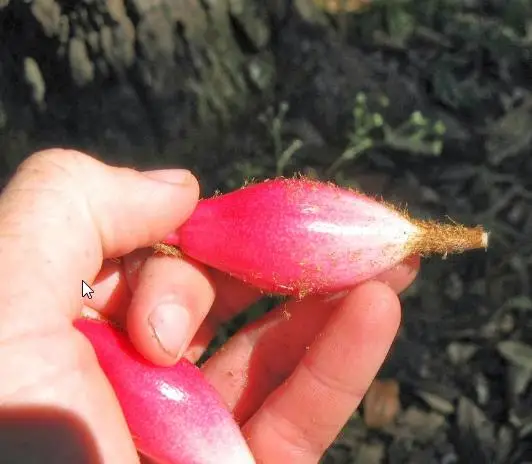
Bromelia karatas makes its fold flowers and juicy berries on the leaf roseta. A massive head of delicious berries and when genually when ripes are taste in natura, yes, delicious and cooling in natura.

Berries are ripe for in natura tasting when more of their half is pink and remaining only a small white part.

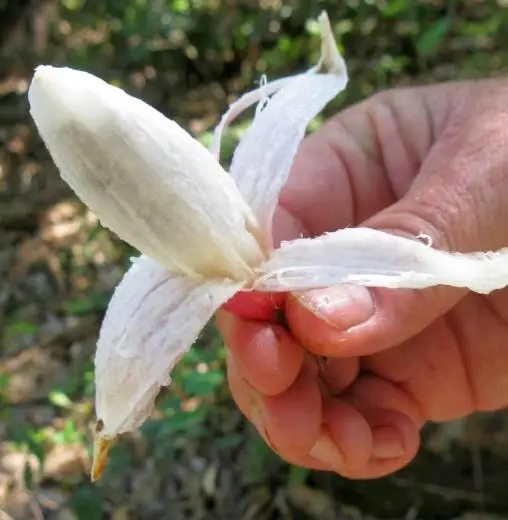
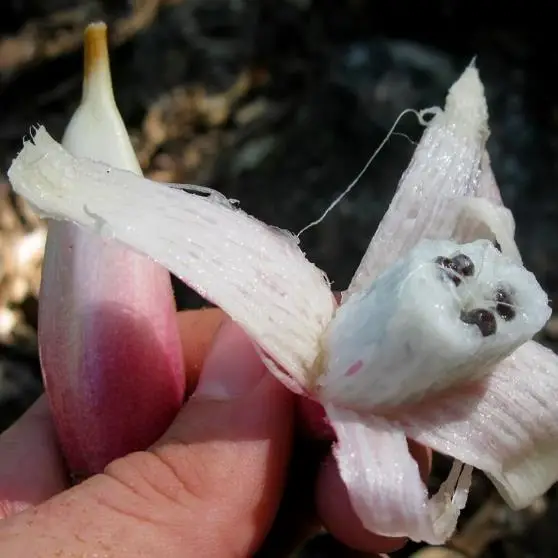
Shelled as mini bananas, a true treat in taste and sweet.

Refreshing how to taste a crocating watermelon, and the opportunity to prove the famous drink made from your fruits (pina atol).

Already forgetting; very ornamental and very easy to grow, does not require special care and can be planted to half shadow or full soil.

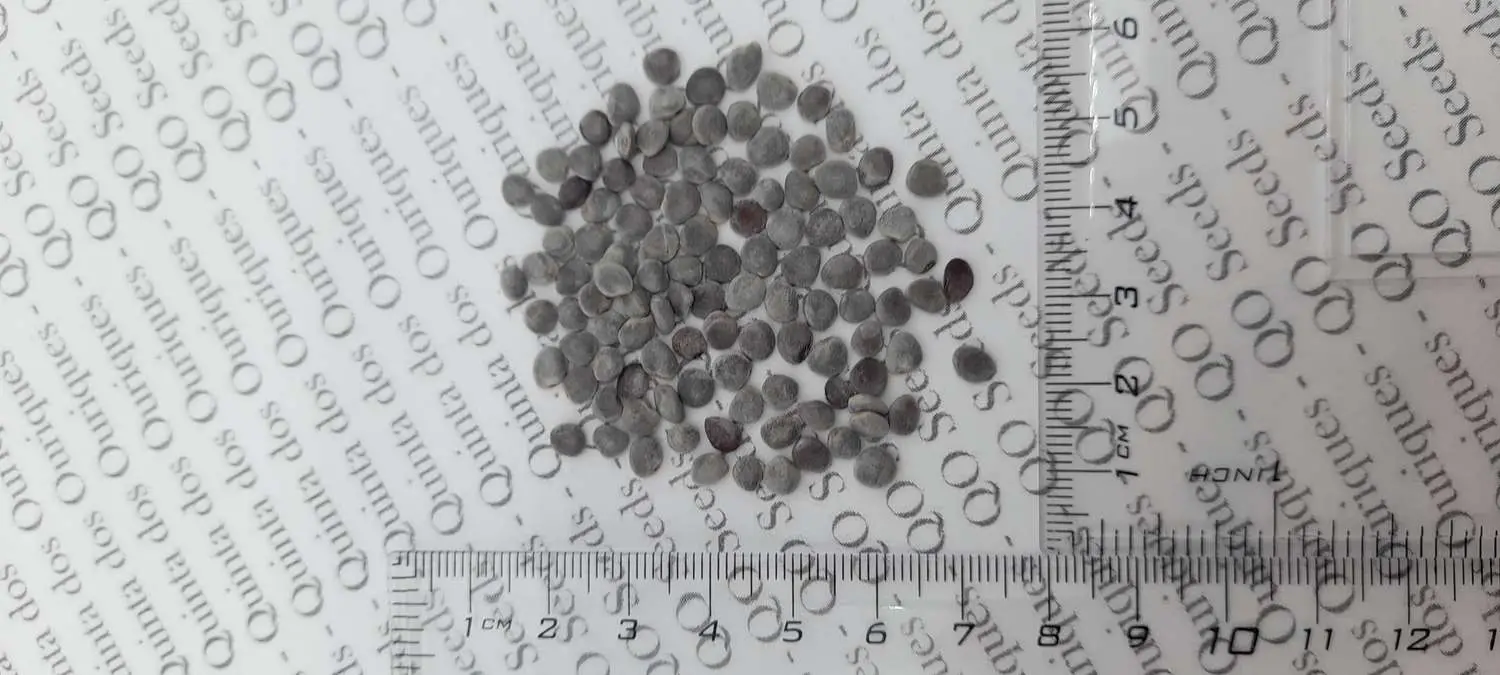
Very fresh seeds generally germin within 15 – 45 days.

A joker in our garden that presents us with its delicious fruits.

Germination Guide

🌍 Northern Australia, Papua New Guinea, Indonesia (Maluku Islands)
Easy

Acacia auriculiformis, commonly known as earleaf acacia or northern black wattle, is a fast-growing leguminous tree native to Australia, Papua New Guinea, and Indonesia. This multipurpose species exhibits significant seed dormancy that requires pre-treatment to achieve high germination rates. With proper pre-sowing treatments and optimal growing conditions, germination rates exceed 70-83%, making propagation relatively straightforward for experienced nursery practitioners.

Germination
Germination time
Expect germination in

7 – 35 days

Temperature

Min 20°C
Ideal 27°C
Max 30°C

Light
☀️ Light required

Substrate moisture
💧💧 High

Sowing depth
Lightly covered

Germination rate
83 %


Seed Pre-treatment
  • 💧

    Soaking — 18 hours
    Soak seeds in warm water for 12-24 hours. This standard Acacia treatment improves germination. Hot water treatment (80°C for 10 minutes) is the most effective method.
  • 🔨

    Hot water scarification
    Immersion in boiling water (80°C) for 10 minutes achieves highest germination success (83%). Alternatively, mechanical scarification with sandpaper (78% success) or sulfuric acid treatment (75-96% success depending on duration) can be used. Seeds can also germinate without pretreatment if freshly harvested.
  • 📋

    Additional notes
    Hot water treatment (80°C for 10 minutes) is the recommended pre-treatment for optimal germination. Without pretreatment, germination rate is only 43%. Scarification with sandpaper or sulfuric acid (5-10 minutes) are effective alternatives.

Substrate & Container
Recommended substrate
Well-draining, light, pathogen-free substrate. Mixture of topsoil, coconut husk, coarse sand, and fine sand (3:4:1:1 ratio) or blotting paper with consistent moisture.

Recommended container
Transparent plastic pots or containers with drainage holes; polybags suitable for nursery propagation


Growing Tips
For best results, use hot water treatment (80°C for 10 minutes) as the primary pre-treatment method. Sow seeds on substrate surface in well-lit conditions without direct sunlight; use fluorescent lighting if necessary. Maintain high substrate moisture using transparent lids to create humid microclimate. Provide 50% shade for newly emerged seedlings, transitioning to 70% full sunlight after establishment. Seedlings reach plantable size (25 cm height) in 3-4 months. Avoid heavy clay soils; prefer well-draining sandy or loamy substrates. Store seeds in airtight containers at room temperature for extended viability (up to 18 months or several years in air-conditioned storage).

Reviews

There are no reviews yet.

Only logged in customers who have purchased this product may leave a review.

Related Products