Description
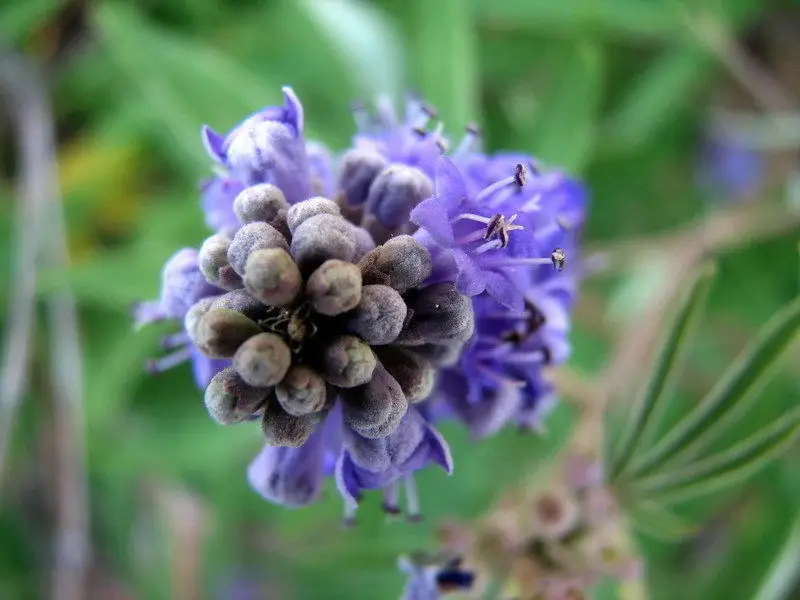
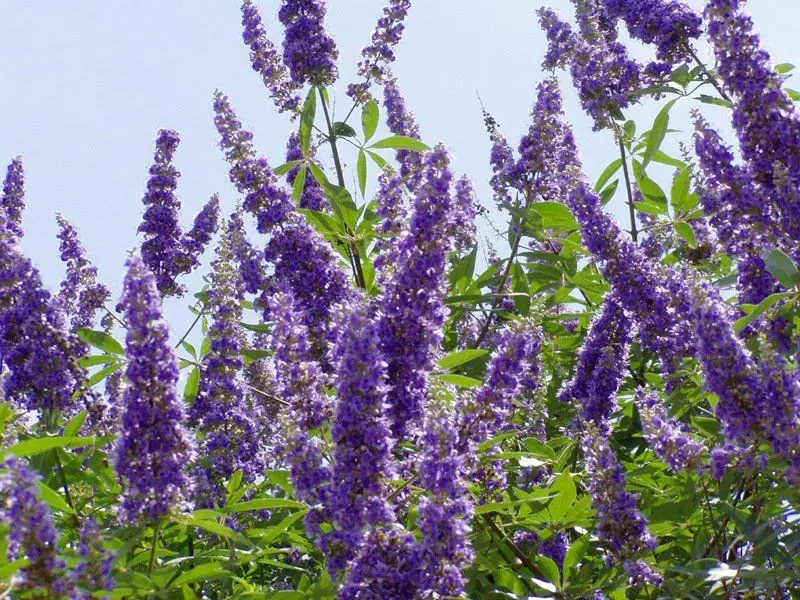
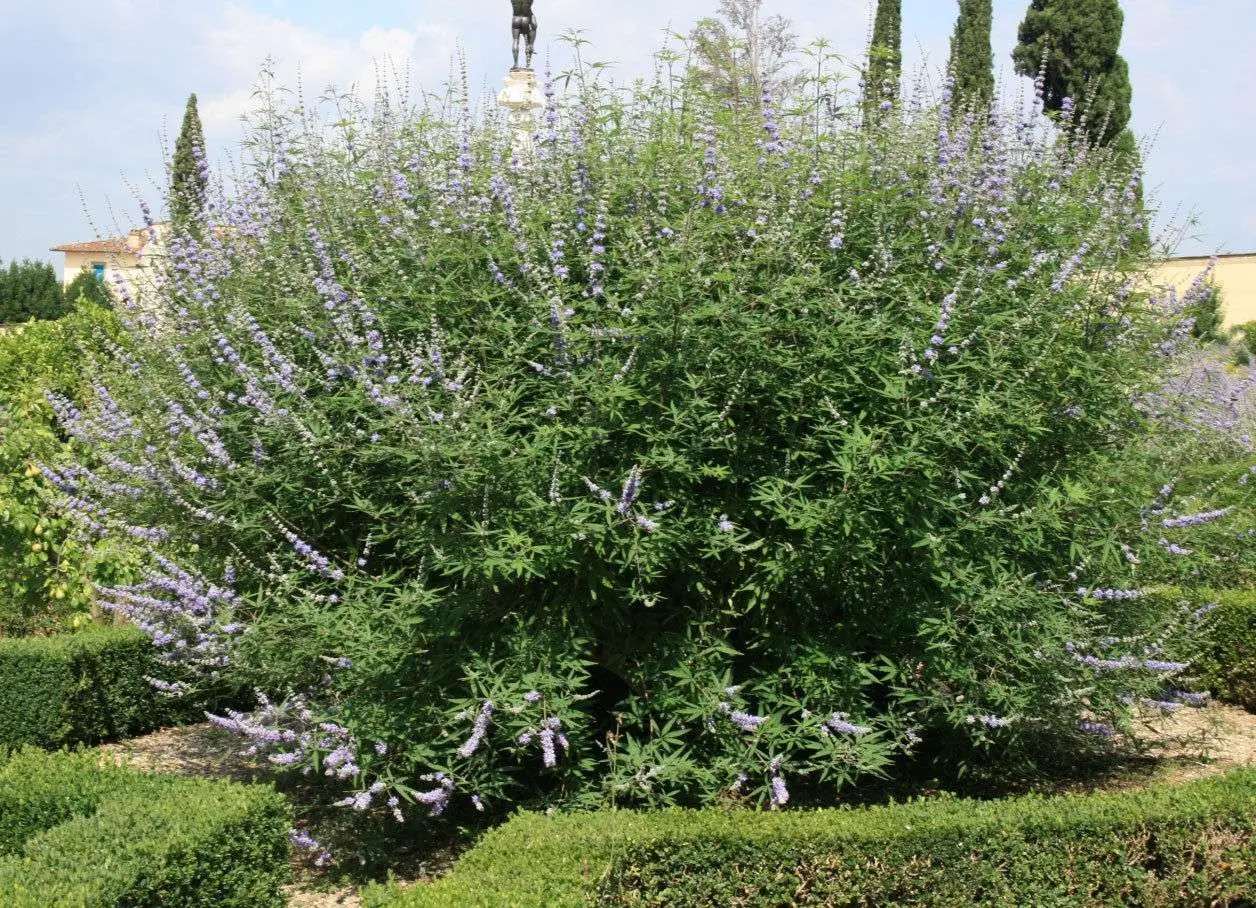
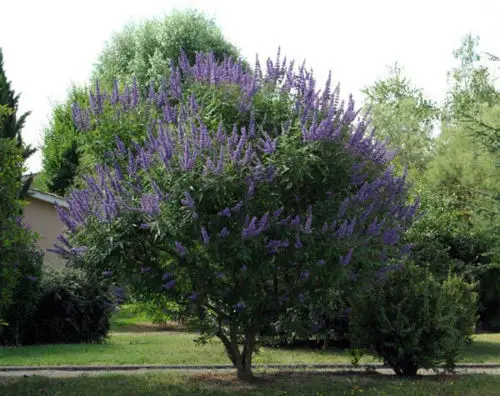
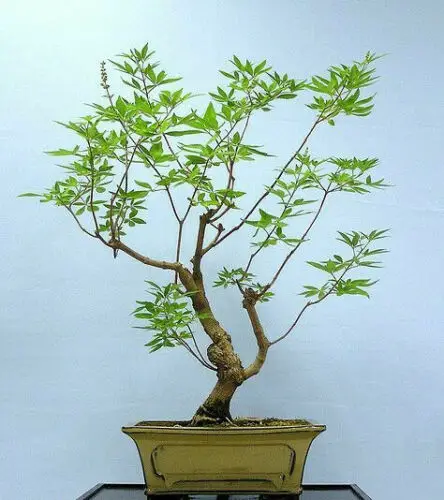
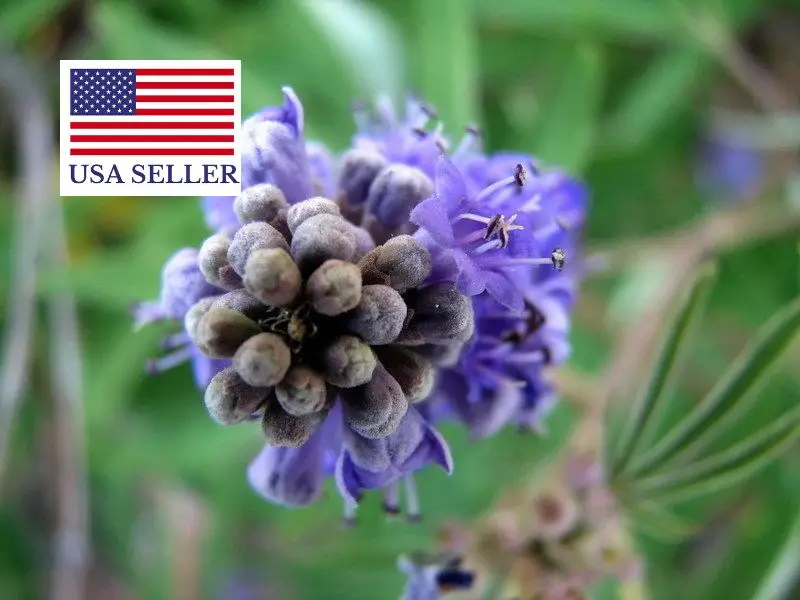
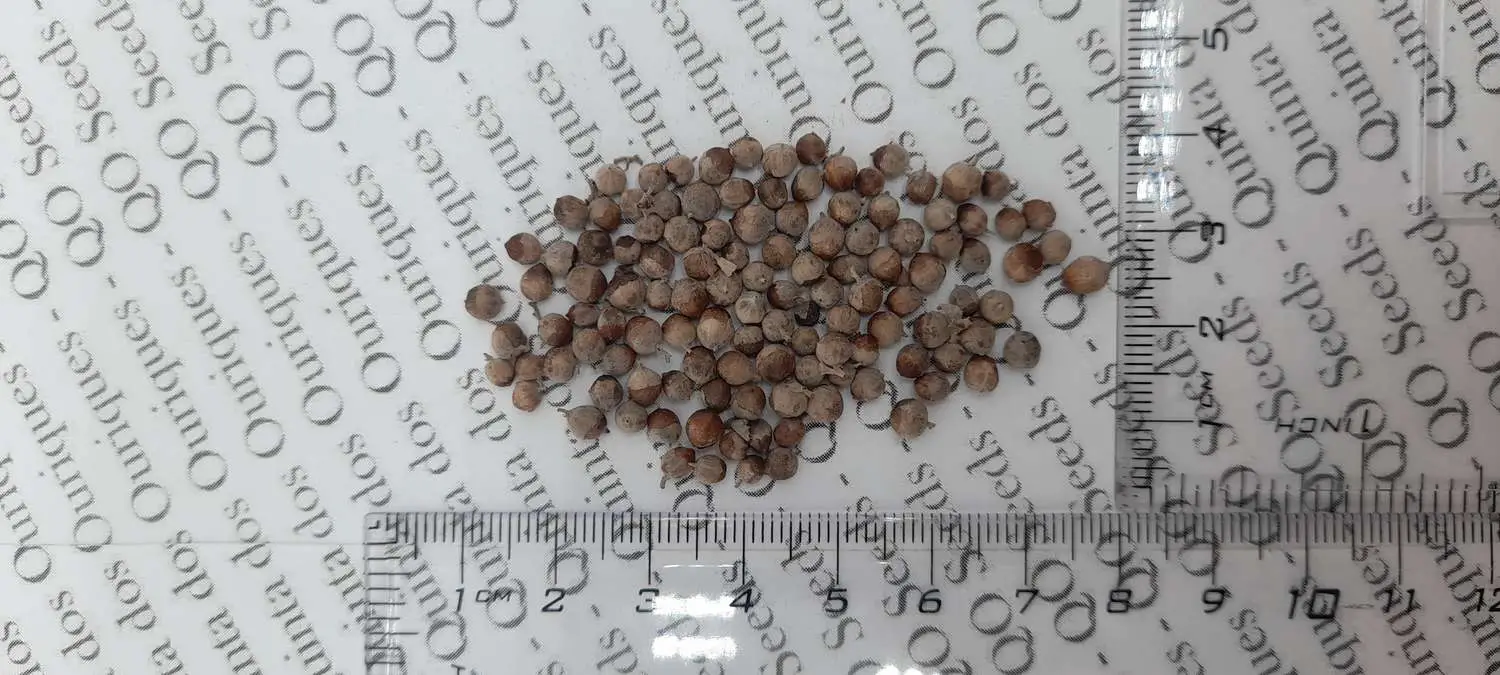
Vitex agnus-castus isn’t just a pretty flowering shrub—it’s a living pharmacy that rewards you with cascades of lavender blooms and small, precious fruits packed with centuries of herbal wisdom. Native to the Mediterranean and western Asia, this deciduous shrub has been revered since ancient Egypt, Greece, and Rome. For more than 2,500 years, its chasteberries have been the foundation of women’s herbal medicine across Europe, the Middle East, and beyond. The name itself tells the story: “agnus castus” derives from Latin, meaning “chaste lamb”—a plant so respected that medieval monks cultivated it in their gardens and ancient Greeks used it in sacred rituals. The true magic lies in the fruit. Chasteberries—small, peppery drupes the size of peppercorns—contain powerful bioactive compounds (iridoids, diterpenoids, flavonoids, and phenolic compounds) that gently support hormonal communication between your brain and endocrine system. European herbalists have formalized what traditional healers always knew: these berries help support natural hormonal equilibrium, making them a treasured remedy for premenstrual syndrome, menopausal symptoms, mood stability, and skin clarity. Modern clinical research continues to validate what women across the globe have experienced firsthand—consistent use of chasteberries cultivates noticeable shifts in well-being. Crush your homegrown berries into a tincture (steep with vodka for 2–4 weeks), brew them as a supportive tea, or take them dried. Your own harvest becomes your own medicine cabinet, crafted with intention in your garden. The leaves also carry medicinal properties and have historically been used as a spice. Many herbalists recommend daily use for 8–12 weeks to experience the full benefits—a commitment that deepens as your plant matures and rewards you with abundance. Vitex thrives in full sun or partial shade, needing only well-drained, neutral to alkaline soil. Once established, it’s genuinely drought-tolerant and low-maintenance, requiring minimal fussing. The plant reaches 1.5–5 meters in height depending on growing conditions and pruning, and it adapts to containers or garden soil with equal grace. In warmer zones, it becomes a small tree; in cooler climates (Zone 5–6), it dies back to the ground but springs back vigorously on new wood—flowers still reliable each season. Hardy to at least USDA Zone 6, it actually thrives in heat that would exhaust other plants. Starting from seed is rewarding; young plants develop quickly, and within a few years, you’ll harvest your first meaningful fruit crop. Spring pruning encourages denser flowering and stronger new growth. There’s something profoundly satisfying about growing a plant that nourishes your body and delights your garden at once. Chasteberries transform from delicate mauve flower spikes (beloved by butterflies and bees) into your personal herbal treasure. Start seeds now and in just 2–3 seasons, you’ll be harvesting fruits that connect you to thousands of years of women’s wisdom. Grow your own medicine. Grow Vitex agnus-castus.
Germination Guide
🌍 Mediterranean region and Central Asia
Difficult
Vitex agnus-castus, commonly known as chaste tree or monk's pepper, is a deciduous aromatic shrub native to the Mediterranean region and Central Asia. Seeds exhibit physical dormancy requiring pre-treatment with either chemical scarification or hot water, followed by stratification at cool temperatures and warm germination temperatures for successful propagation.
Germination
Germination time
Expect germination in
14 – 42 days
Temperature
Min 15°C
Ideal 25°C
Max 30°C
🌡️ Temperature alternation recommended
— Initial incubation at 20°C for 2 weeks followed by transfer to 30°C dramatically increases germination rates from 0-20% to 60-100%. Warm temperatures essential for germination.
Substrate moisture
💧 Medium
Sowing depth
Lightly covered
Seed Pre-treatment
-
💧
Soaking — 24 hours
Soaking in water for 24 hours or several weeks aids germination. Seeds can benefit from extended water soaking.
-
🔨
Chemical scarification
Sulfuric acid scarification for 30-120 minutes significantly improves germination rates. Hot water treatment also effective. Seeds exhibit physical dormancy requiring scarification.
-
❄️
Cold stratification — 60 days at 5°C
-
🔥
Smoke/Fire treatment
Heat treatment (dry heat or hot water immersion) significantly promotes seed germination and may simulate fire effects natural to Mediterranean origin.
-
📋
Additional notes
Seeds display seed coat and endosperm dormancy. Multiple pre-treatments significantly improve germination. Without pre-treatment, seeds fail to germinate. Best results with combination of scarification and warm temperatures.
Substrate & Container
Recommended substrate
Well-draining sandy compost or seed-starting mix
Recommended container
Small individual pots or cell trays
Growing Tips
Press seeds into soil at approximately 1/16 inch deep and tamp firmly. Maintain medium moisture, not wet. Use heating mat to maintain warm soil temperatures (24-30°C) after cold stratification. Germination is erratic and can extend 4-6 weeks or longer. Start seeds indoors in early spring. Seedlings grow rapidly and should be moved to individual pots when large enough to handle. Extended water soaking (several weeks) may improve challenging germination. Light is not required for germination.
Only logged in customers who have purchased this product may leave a review.

Reviews
There are no reviews yet.