

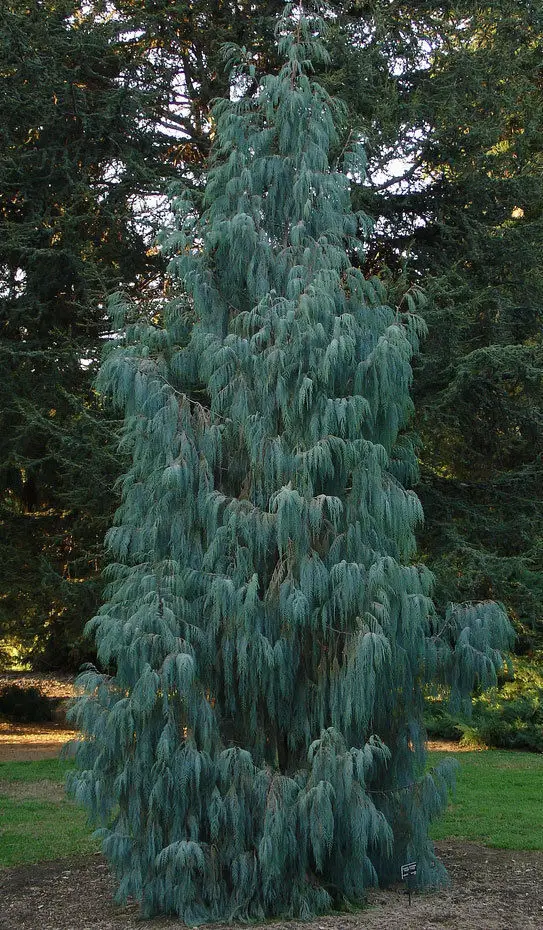
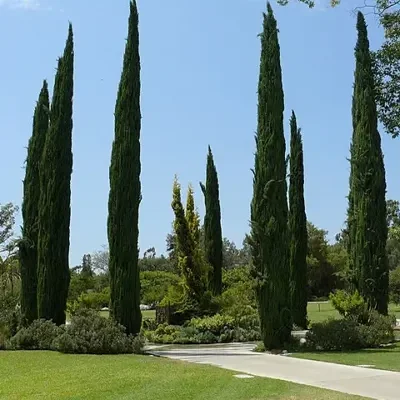
Imagine weeping blue-green branches that cascade like silk from a towering form—this is the Kashmir Cypress, regarded by cypress aficionados as the most beautiful and graceful of all conifers. Native to the eastern Himalayas, it grows fast (6+ meters in 10 years) and thrives in sun or light shade with moderate watering. The perfect ornamental specimen for gardens seeking timeless elegance. Grow from seed and witness a living masterpiece unfold.
€1.92
Cupressus cashmeriana, known as the Kashmir Cypress, is celebrated for its elegant, drooping foliage and serene aesthetic. This is not merely another conifer—it is the conifer that connoisseurs dream of.
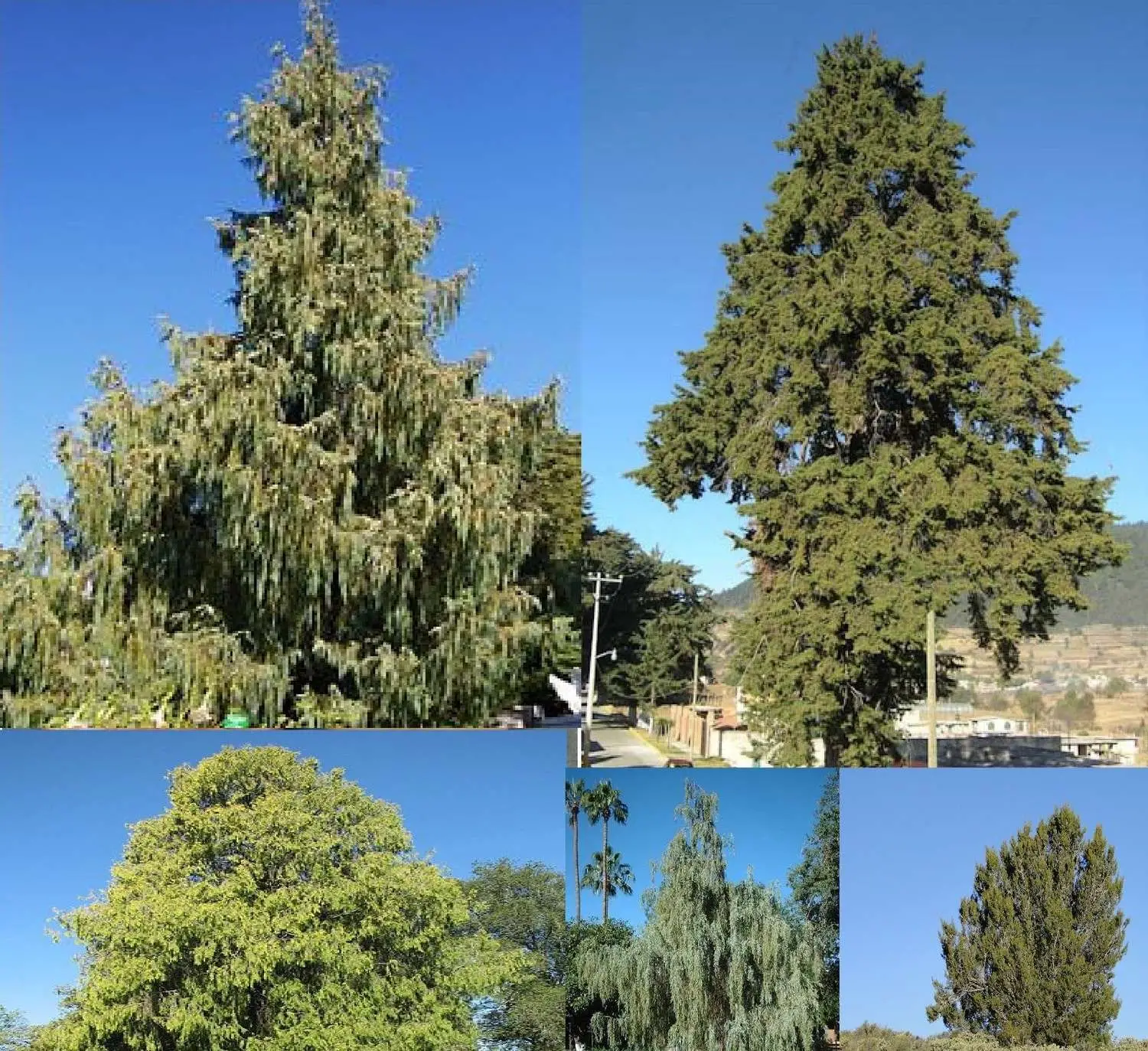
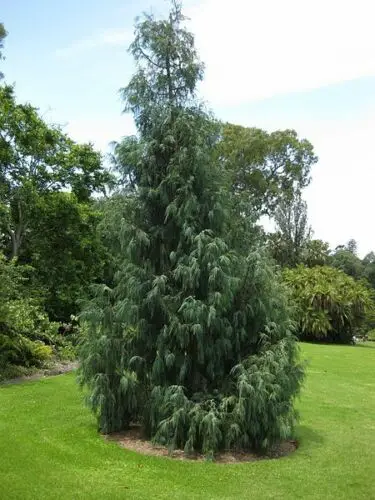
Native to the eastern Himalaya in Bhutan and adjacent areas of Arunachal Pradesh in northeastern India, this species grows in moderately high altitudes of 1,250–2,800 metres. This species is the national tree of Bhutan, where it is often associated with religious sites, where it is believed to bring harmony and peace. Most Cypress aficionados would consider the Kashmir Cypress to be the most beautiful and graceful of all Cypresses and perhaps of all conifers!
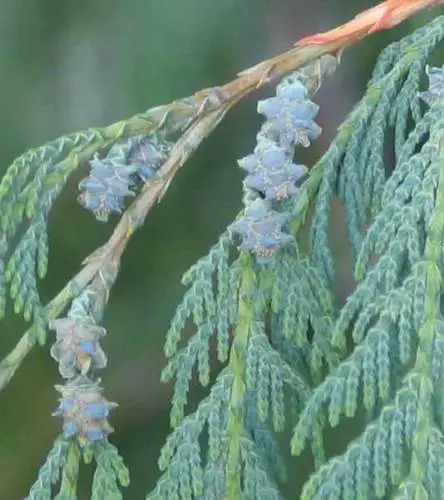
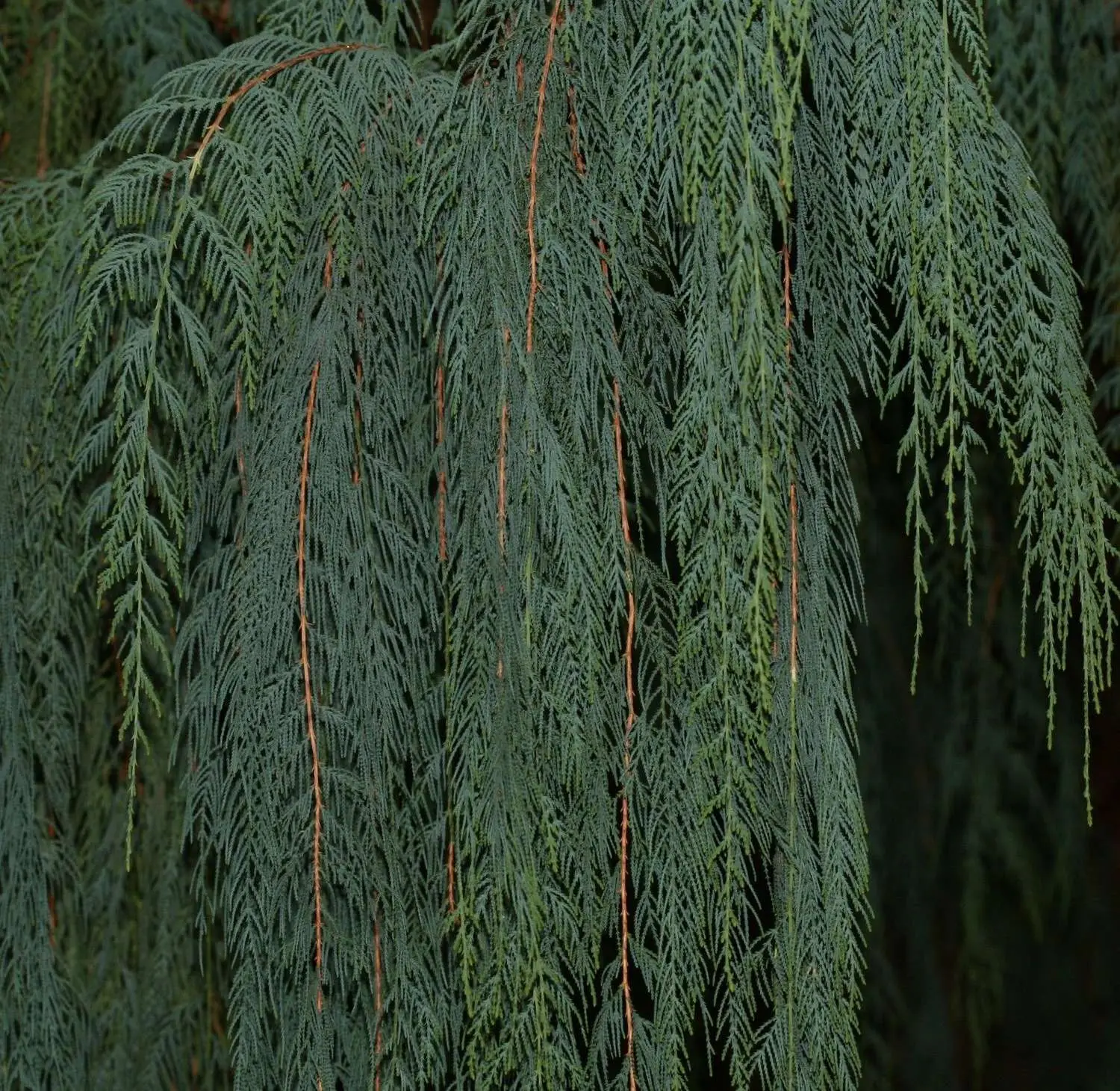
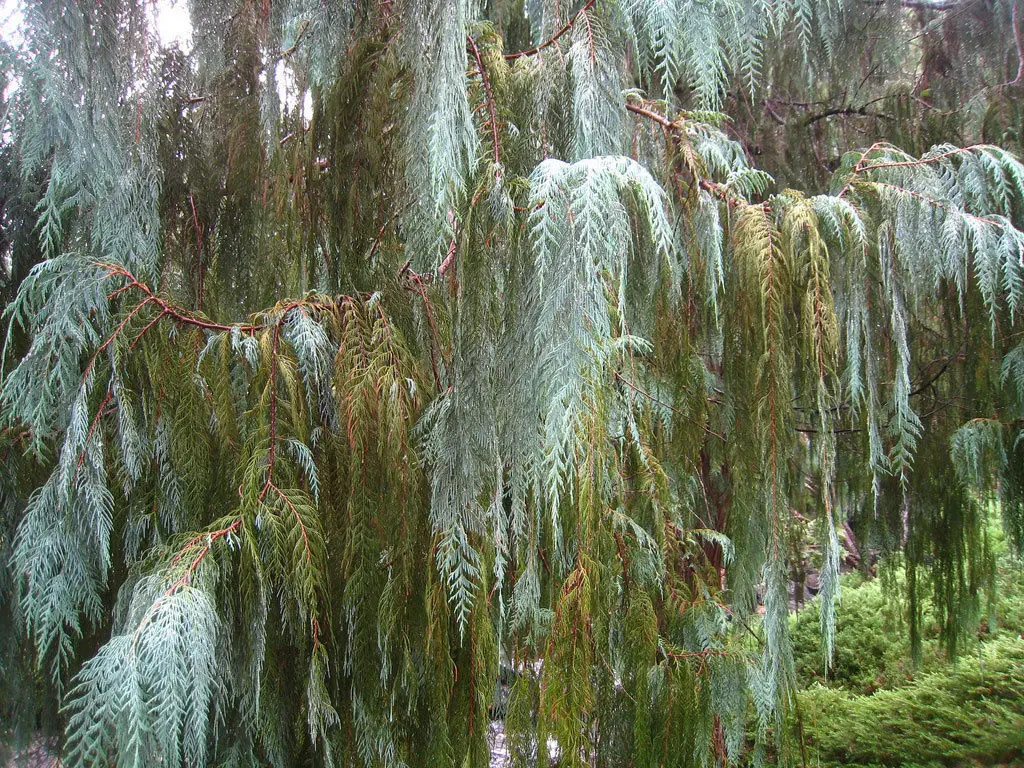
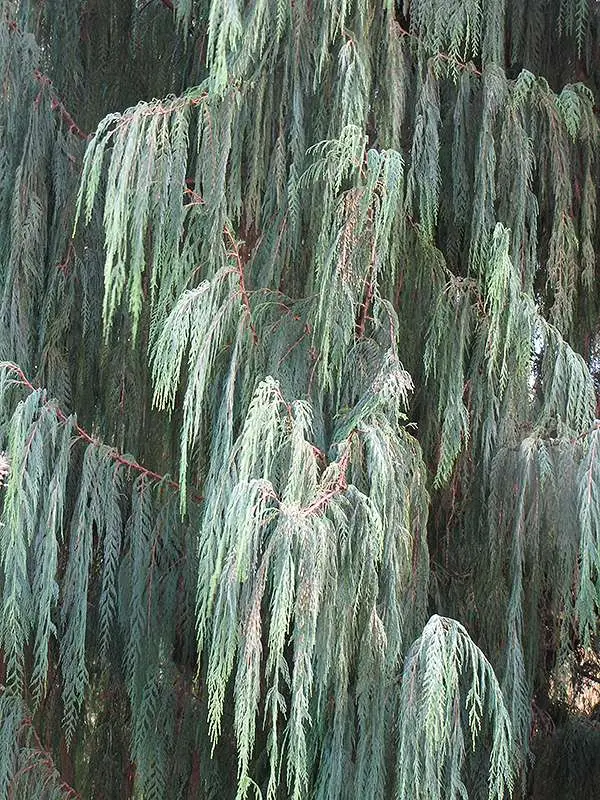
What sets this tree apart is its extraordinary ornamental form. The foliage grows in strongly pendulous sprays of blue-green, very slender, flattened shoots. This lovely blue foliage hangs languidly from the branches with the same grace as a Weeping Willow, but unlike a Willow, the Kashmir cypress holds its foliage year round. The foliage is striking blue-green or silver-blue, with branches cascading down in soft, feathery layers, making it an exceptional choice for ornamental landscaping. Young trees display soft needle-like leaves 3–8mm long, giving them a delicate, almost fairy-tale appearance. Beyond its visual splendor, uses include bonsai, cascading, container plant, fragrant foliage, lacy leaves, unique, winter interest, year round interest. With its fine leaves and elegant habit, the Kashmir Cypress is sometimes grown as a bonsai, making it a miniature representation of a full-sized tree. The root system of Kashmir Cypress helps stabilize soil, thus helping to prevent erosion on slopes and banks.
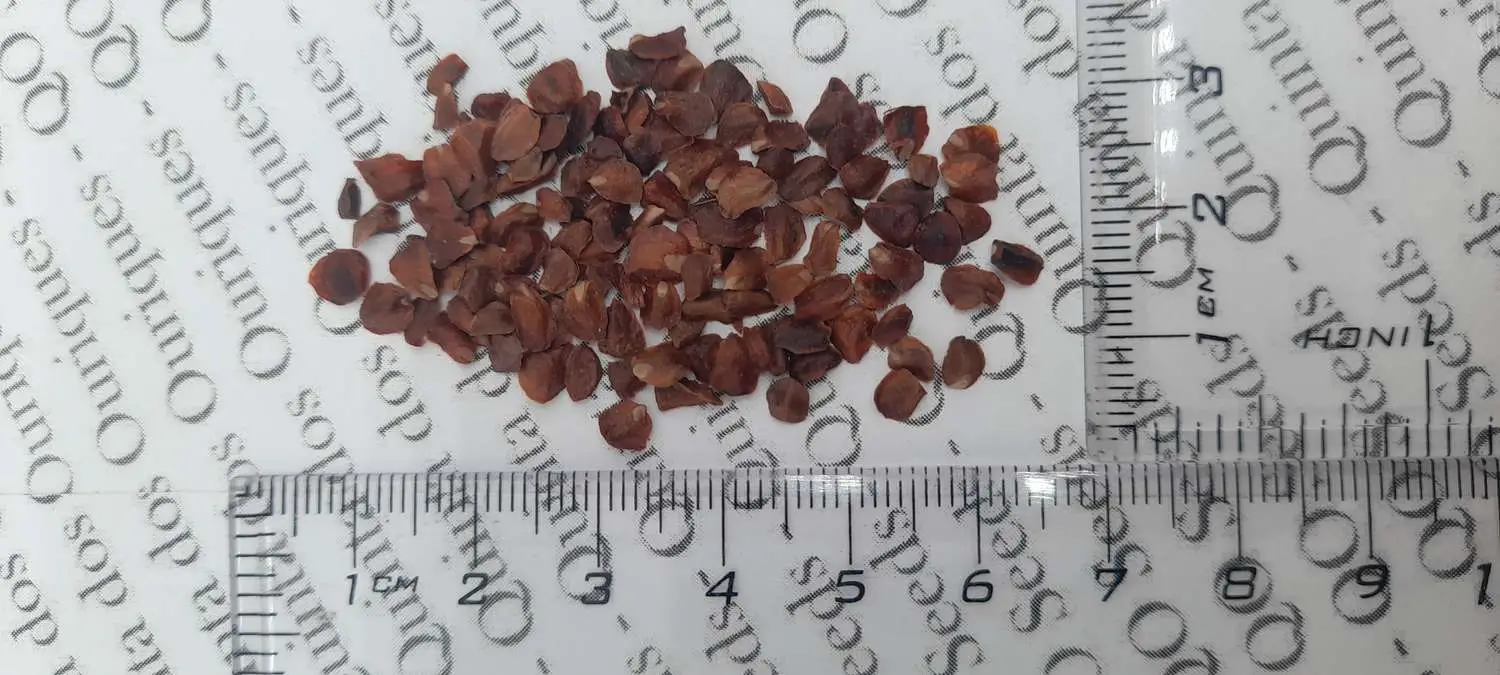
Growing this masterpiece is more accessible than its exotic origins suggest. In the right conditions, it is fast growing, reaching at least 6m in the first 10 years. It prefers warm, rich soil with high organic content, and is tolerant of both wet or dry conditions, full sun to light shade. Cupressus cashmeriana is a fast-growing evergreen conifer tree with green foliage. Drought tolerant once established. Adapts to various soil conditions. Getting Kashmir Cypress seeds to germinate is relatively easy if stratification is done prior to sowing. Luckily, Cupressus cashmeriana seeds take less time when compared to most other tree seeds. Cupressus cashmeriana thrives in full sun to partial shade, requiring at least 4–6 hours of sunlight per day for optimal growth. Full sun exposure helps maintain its dense foliage and vibrant blue-green color. Bhutan Cypress grows best in well-drained, slightly acidic to neutral soils. It prefers loamy or sandy soil with good drainage but can adapt to a range of soil types, including clay, provided there is no waterlogging. Regular watering is essential, especially during the tree’s early years. It adapts beautifully to containers and can be shaped as a stunning bonsai specimen for years before reaching its full, majestic height.
Grow this rare Himalayan treasure from seed. Watch as it transforms from a delicate seedling into a living sculpture—a weeping cascade of blue-green that brings spiritual tranquility and timeless elegance to any landscape. This is not just a tree; it is a living work of art, a connection to ancient Buddhist monasteries, a symbol of immortality. Begin your journey today.
Only logged in customers who have purchased this product may leave a review.

Reviews
There are no reviews yet.