
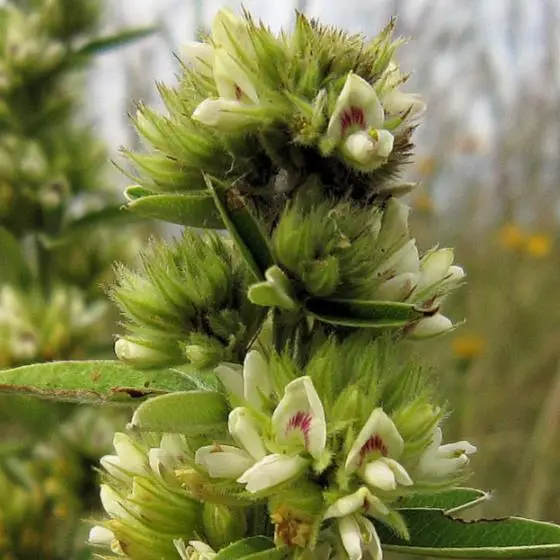
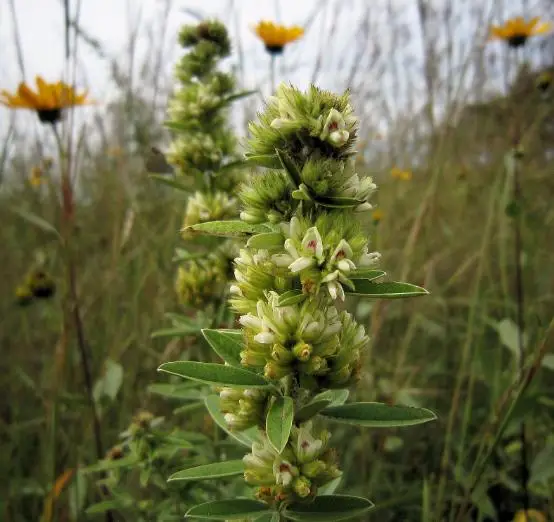
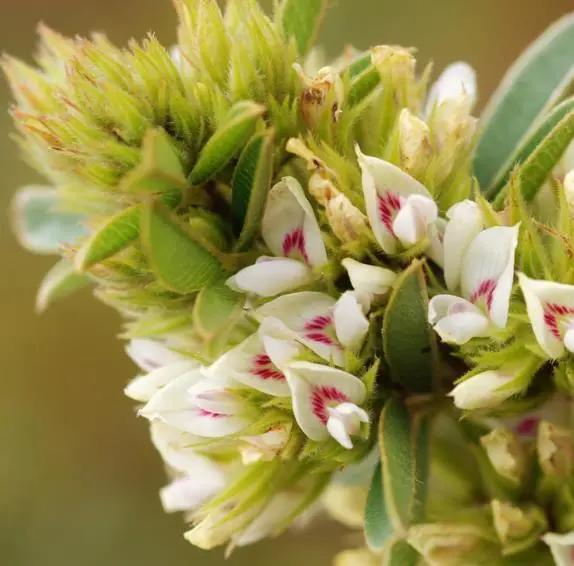
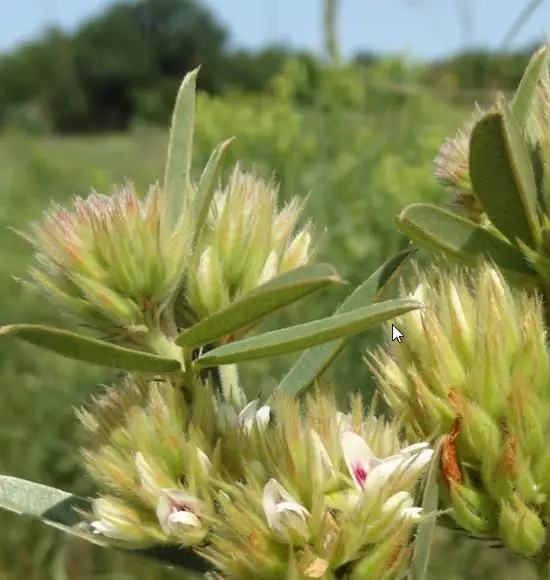
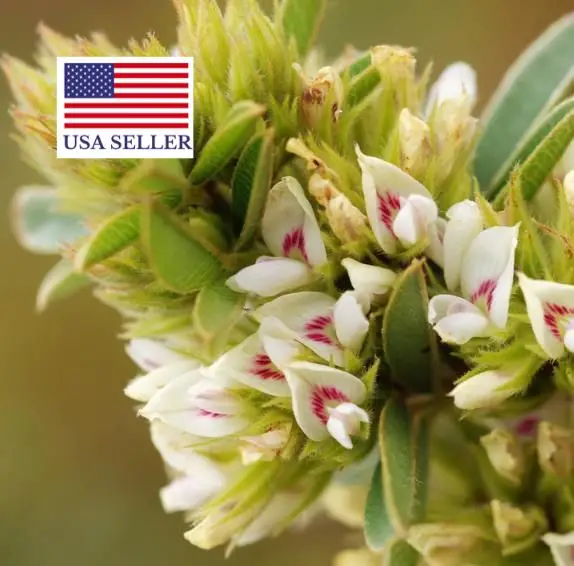
A silver-leafed native wildflower that blooms late summer through fall with delicate white-and-purple flower heads that bees adore. Rich in nectar and pollen, it transforms any sunny garden into a pollinator sanctuary while requiring almost no fussing—drought-tolerant, adaptable to rocky or poor soils, and dead-simple to grow from seed. Watch bees work the blooms, then enjoy persistent bronze seedheads all winter long.
Grow a true native magnet for the bees and butterflies your garden desperately needs.
Lespedeza capitata—round-headed bush clover, rabbit foot clover, dusty-clover—is a native wildflower belonging to the Fabaceae (bean) family, found across diverse habitats in North Carolina and the broader North and Southeastern United States. This perennial species thrives in woodlands, meadows, prairies, sand dunes, and along roadsides. For centuries, Indigenous peoples recognized it for its medicinal properties, valuing extracts for supporting urinary tract health and reducing water retention. Today, ecological restoration experts rank it among the very best native plants for bringing wild pollinators back to life.
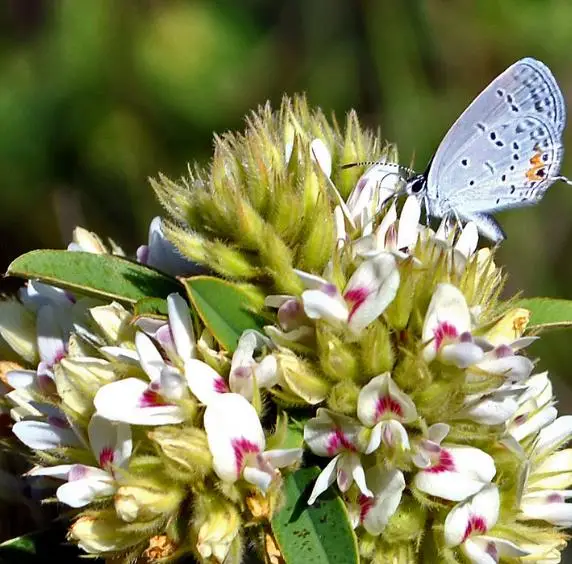
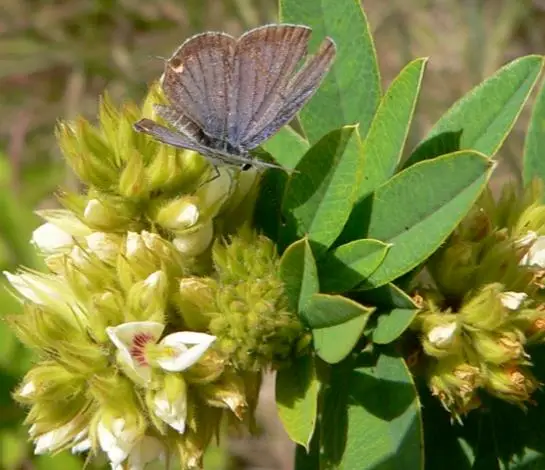
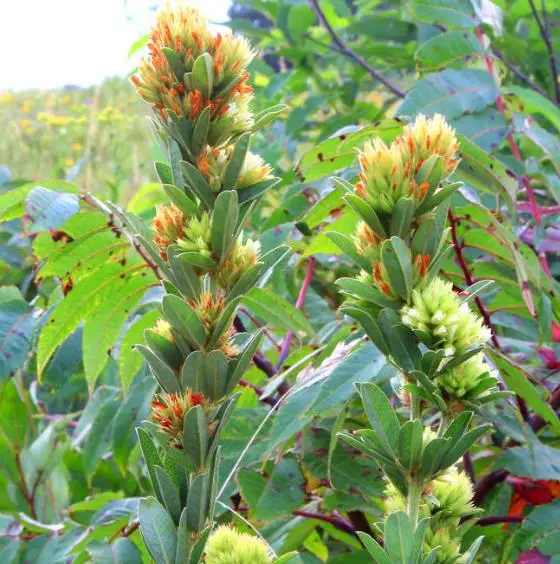
But the real story is the bees. Though individually small and not showy, the flowers are rich in nectar and pollen and attract a wide variety of native bees, including bumblebees, sweat bees, and small mining bees. The flowers are visited primarily by bees; butterflies may suck nectar from the flowers, but they are not effective pollinators. This is a plant that understands its job: feed the pollinators that sustain your entire garden ecosystem. Ecologists have ranked Lespedeza capitata as one of the top wildlife food plants of eastern and central North America. And the gift keeps giving all winter—its persistent seed heads are a resource that few other plants can match, with seeds consumed by at least 30 species of birds. Northern Bobwhite—a prairie bird in steep decline across its range—depends heavily on Lespedeza seeds through the cold months. Bonus: Traditional remedies utilized the aerial parts of the plant, particularly for their diuretic and tonic effects—you can brew a tea from your own harvest.
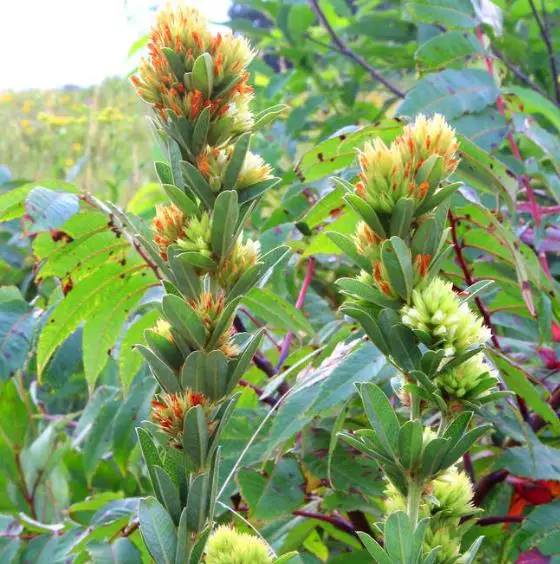
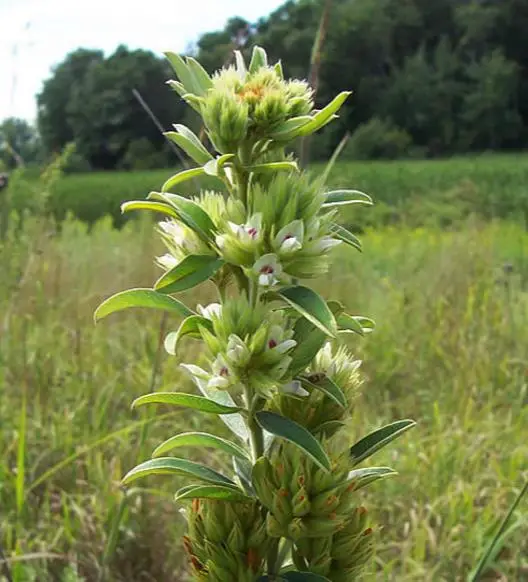
The plant is coated in silvery hairs; silvery-leaves, brown winter seedheads, and strong upright stature make a beautiful statement, especially when massed together. This plant produces small, delicate flowers from late summer to fall, typically from August to October, clustered in bristly heads at the top of the central stem, mostly white with a patch of purple near the throat. Height reaches up to 1.5 meters tall. The appeal grows stronger every season as those fuzzy seed heads darken and persist into deep winter—perfect for dried arrangements and winter interest in the garden.
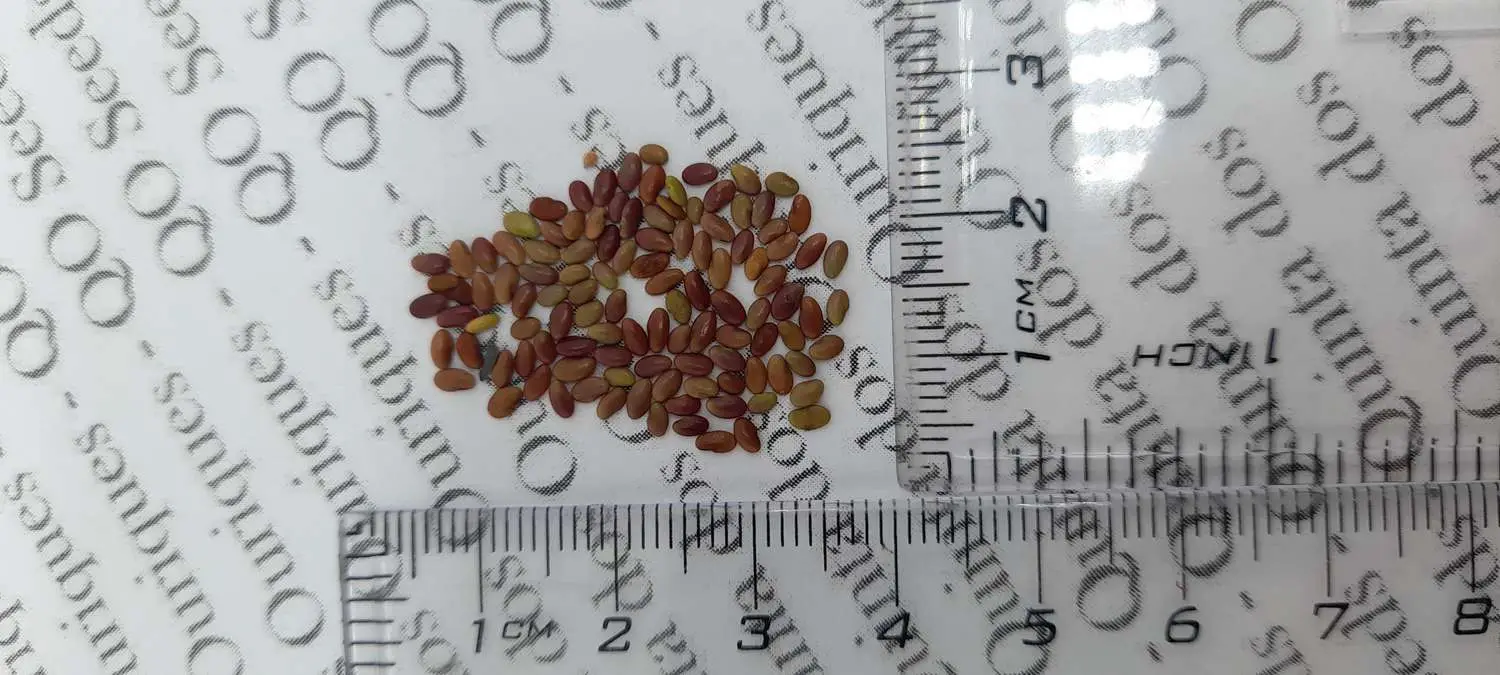
Growing Lespedeza capitata is almost laughably easy. The preference is full sun and mesic to dry conditions, and it is easy to grow. Its ability to grow in various soil types and conditions, including dry and rocky soils, makes it a robust choice for naturalized gardens and restoration projects. Suitable for light (sandy) and medium (loamy) soils and prefers well-drained soil; suitable pH: mildly acid, neutral and basic (mildly alkaline) soils. Once established this plant is quite drought tolerant and because it is a legume it will add nitrogen to the soil—meaning it actually improves the earth you plant it in, year after year. Prefers full sun exposure and should be watered when the soil is almost completely dry. In cooler climates, plants are usually cut back to the ground in all but very mild winters, though they generally resprout well from the base in the following spring and flower in late summer. Start from seed in spring with a cold treatment, or direct-sow in late fall for natural stratification. Hardy in UK zone 4 and USDA zones 3–8.
This is the plant you grow when you want your garden to hum with life—literally. Watch n
Only logged in customers who have purchased this product may leave a review.
Reviews
There are no reviews yet.