
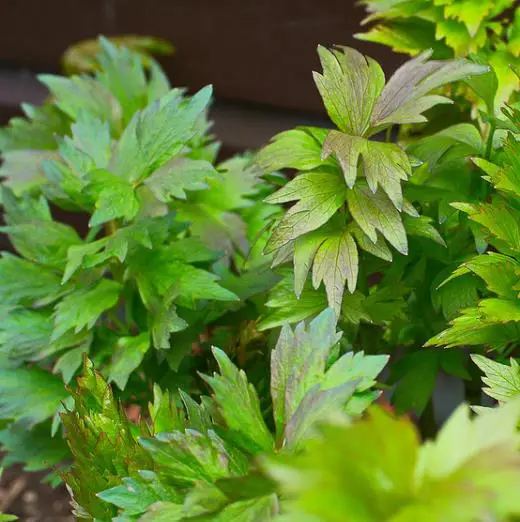
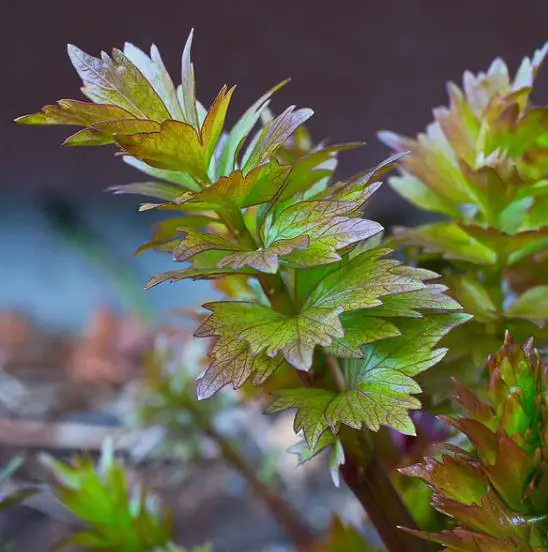
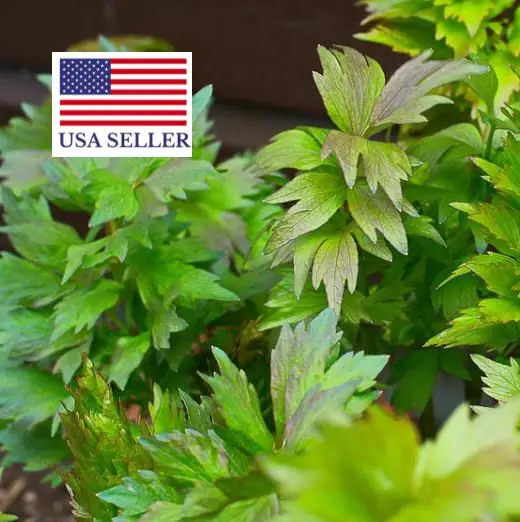
Plant one seed and harvest a pound of leaves weekly—Lovage is the culinary superstar your kitchen has been missing. Dark, ferny foliage topped with golden flowers. Intense celery-parsley-anise flavor that elevates soups, stews, salads, seeds for baking. Once established, it’s practically maintenance-free. Grow from seed this season.
€3.42
There’s a reason medieval monks grew lovage in every monastery garden and Charlemagne demanded it on his estates—this plant feeds you abundantly with minimal fuss.
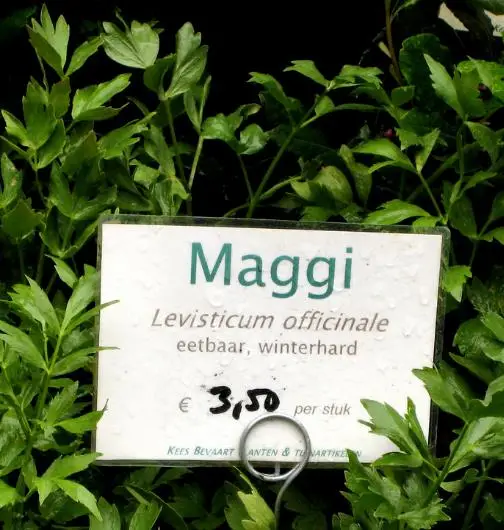
Native to the Eastern Mediterranean and southwestern Asia, Levisticum officinale is a tall, stately perennial that stands apart from ordinary herbs. It’s the forgotten treasure of European cuisine, particularly revered in Poland, Romania, and the Alpine regions where it remains a staple. Unlike trendy modern herbs, lovage carries centuries of culinary tradition and cultural significance.
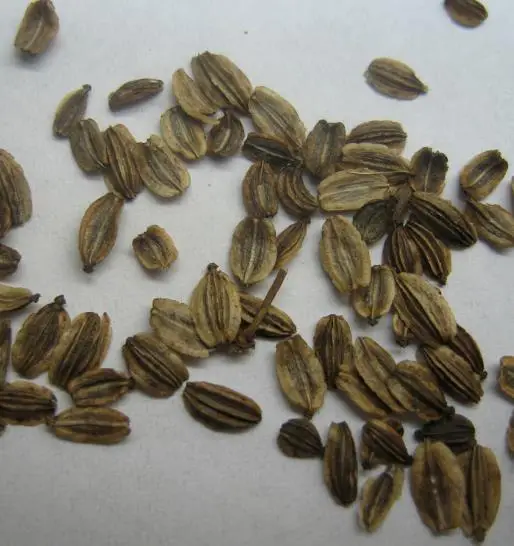
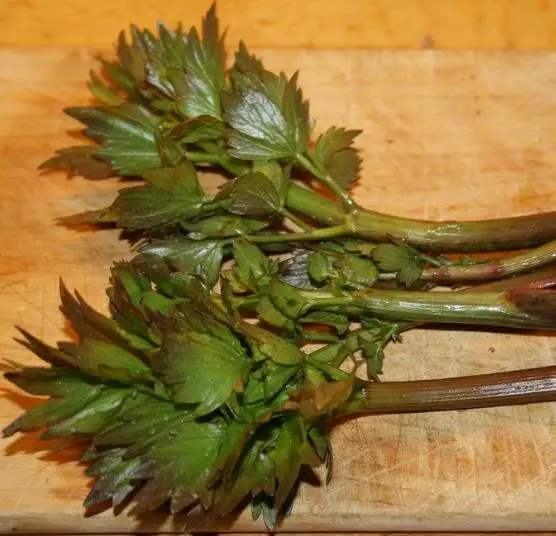
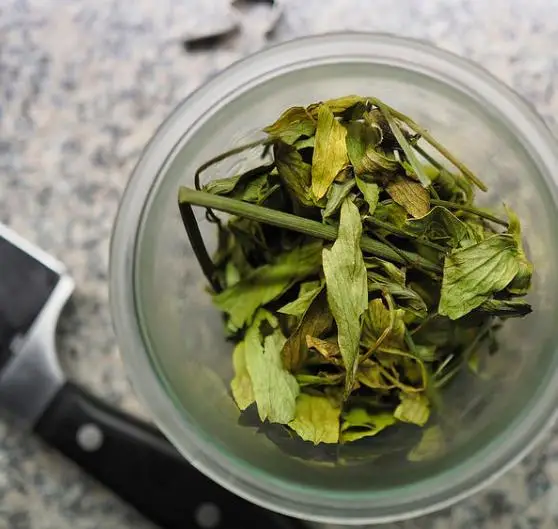
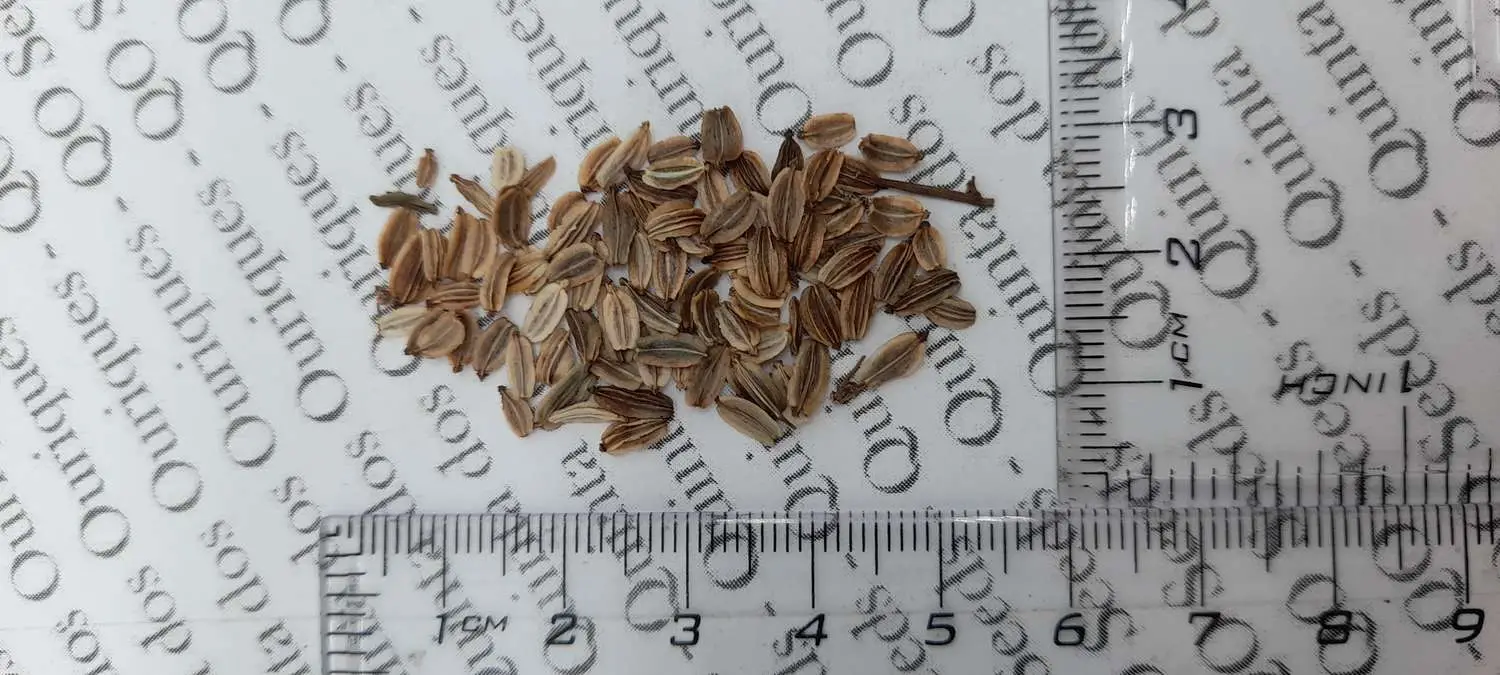
Here’s what makes lovage irresistible: every single part is edible and flavors dishes with an intensity that celery can only dream of. The leaves—fresh, dried, or frozen—carry a savory umami note combined with celery’s brightness and a whisper of anise. Use them to transform ordinary soups and stews into restaurant-quality dishes; chefs like Alice Waters swear by lovage for burgers and meatballs. Young stems blanch and cook like celery, with a sweeter, more delicate character. The seeds taste like fennel and caraway combined—perfect for bread, pastries, and pickles. Even the roots can be harvested after three years, diced raw into salads or cooked as a vegetable. A single plant yields roughly a pound of harvestable leaves per week during the growing season, meaning one or two plants will keep a family kitchen supplied from spring through fall.
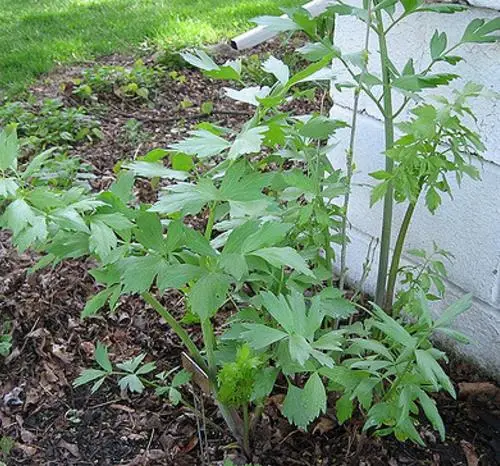
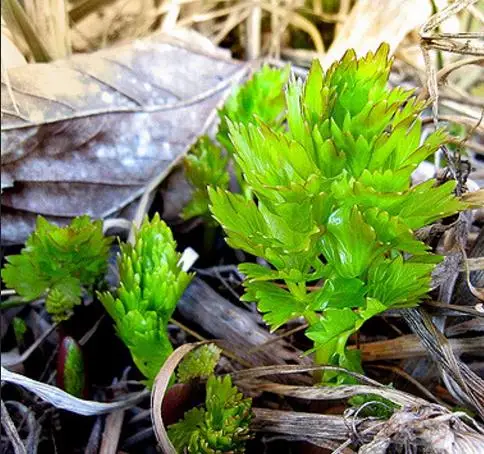
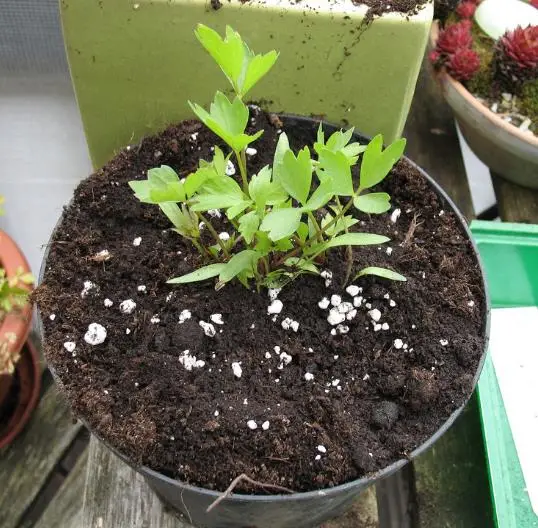
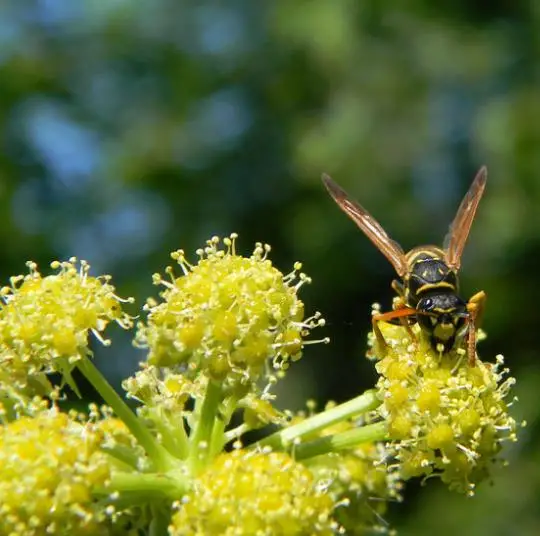
Growing lovage from seed is genuinely easy, though patience during germination (10-14 days) rewards those who wait. Plant in full sun to partial shade, in rich, well-draining soil with a neutral to slightly acidic pH. It thrives in cool climates and tolerates zones 3-9. Once established—and this is the beautiful part—lovage becomes practically invisible in terms of maintenance. It’s a perennial that dies back elegantly in winter and returns stronger each spring. Its tall, hollow stems reach 6 feet when mature, crowned with delicate umbrella-shaped clusters of golden-yellow flowers that magnetize bees and beneficial insects to your garden. Even ornamentally, it’s striking. Container growing works beautifully too; use a large pot (30cm+ diameter) and you’ll have fresh, peppery leaves all season.
Start your seeds indoors in early spring, or direct sow in late spring when soil warms. Within months you’ll be snipping leaves. This is the herb that transforms cooking, that brings you back to a time when people grew food that did real work in the kitchen. Grow lovage from seed and understand why it never truly disappeared from European gardens—some plants are too good to forget.
Only logged in customers who have purchased this product may leave a review.
Reviews
There are no reviews yet.