
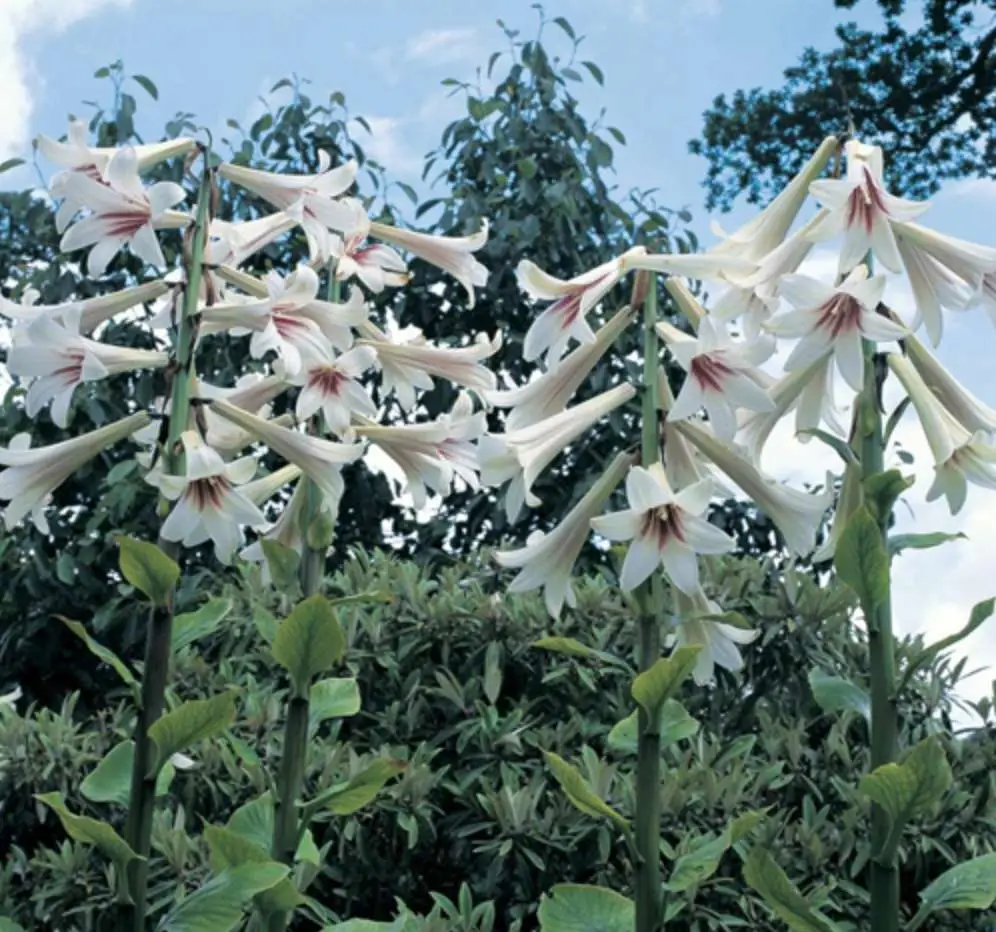
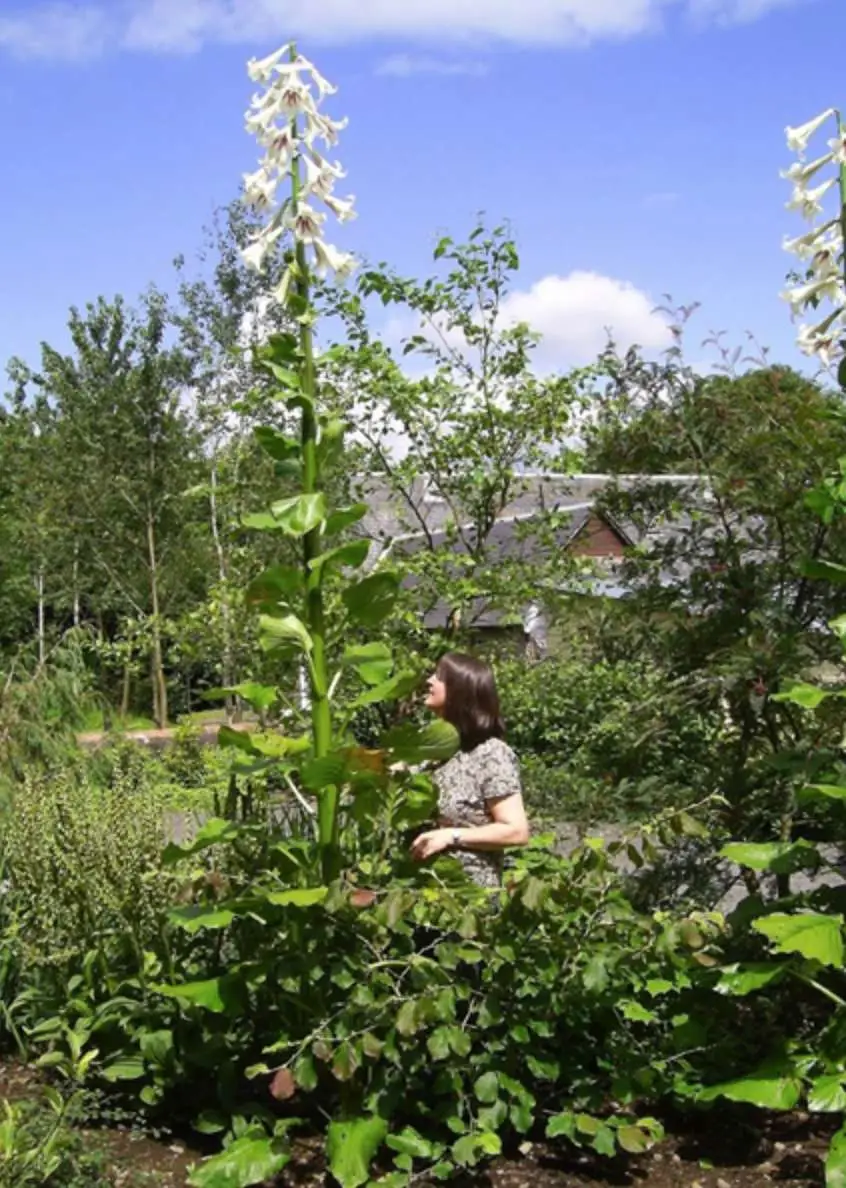
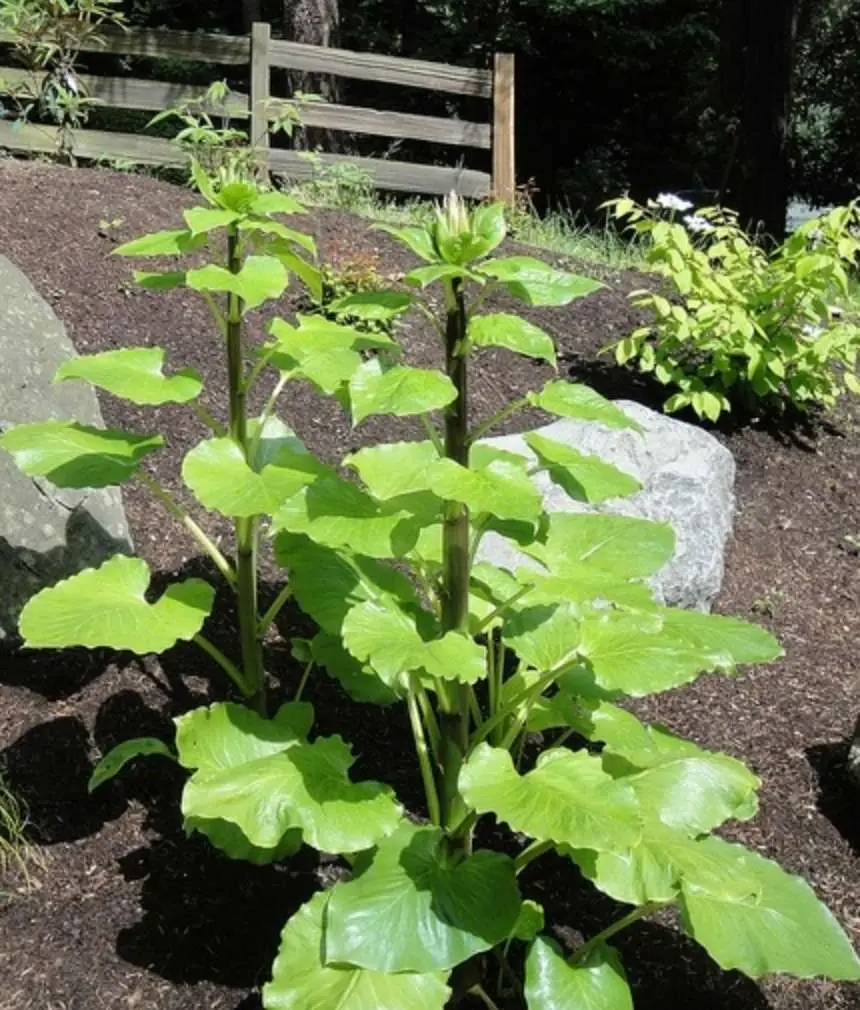
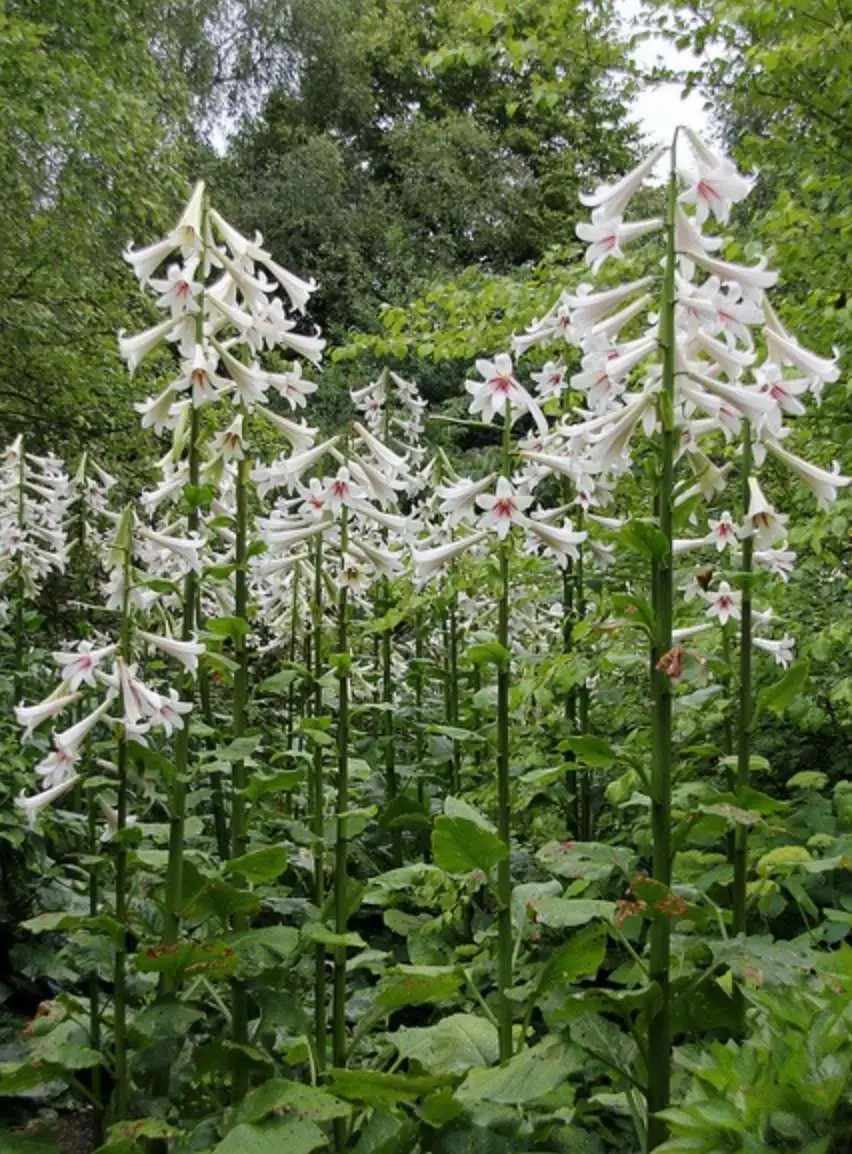
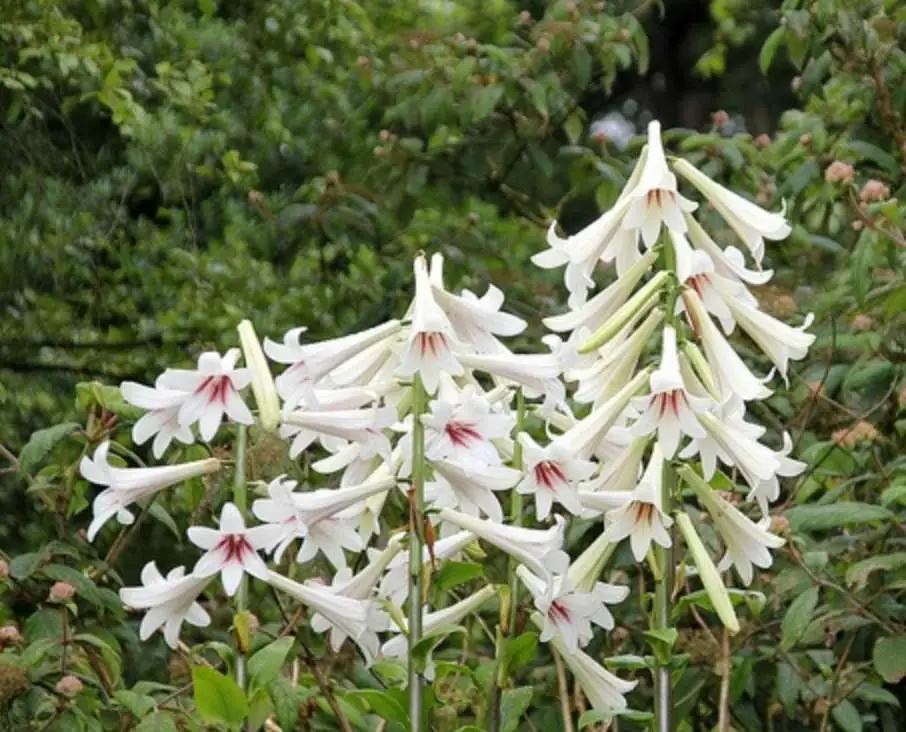
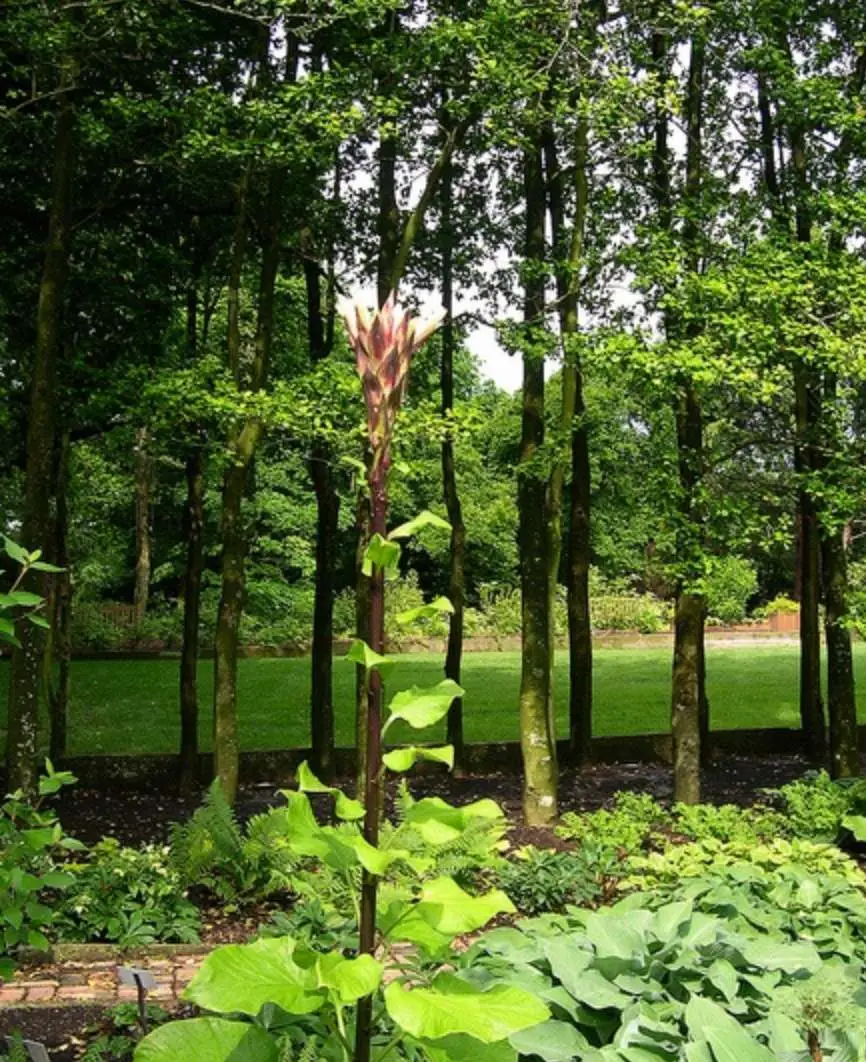
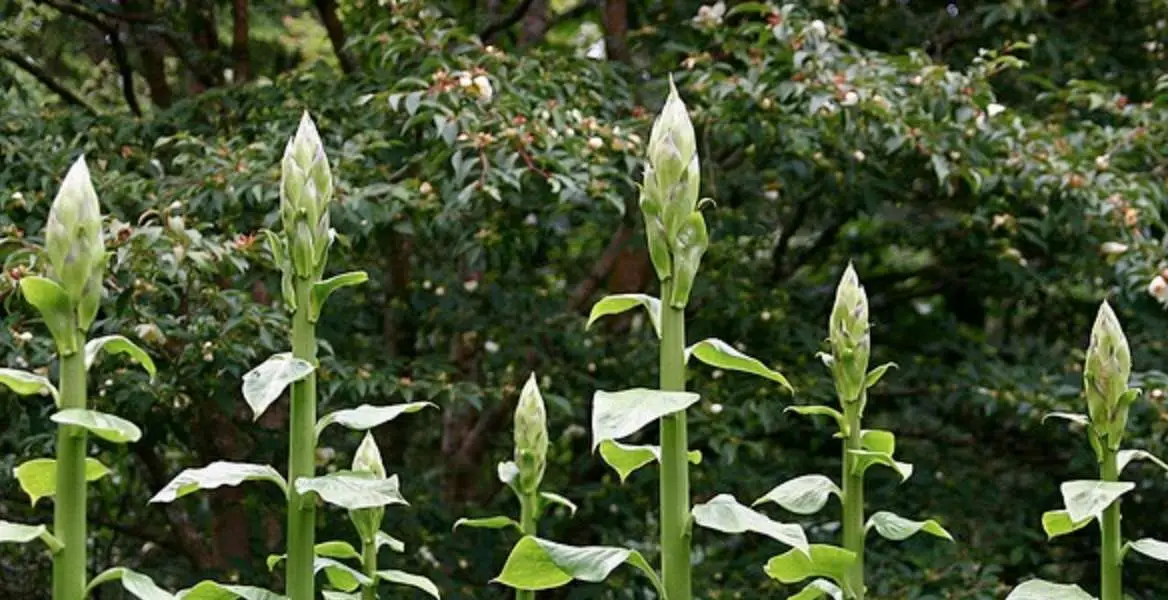
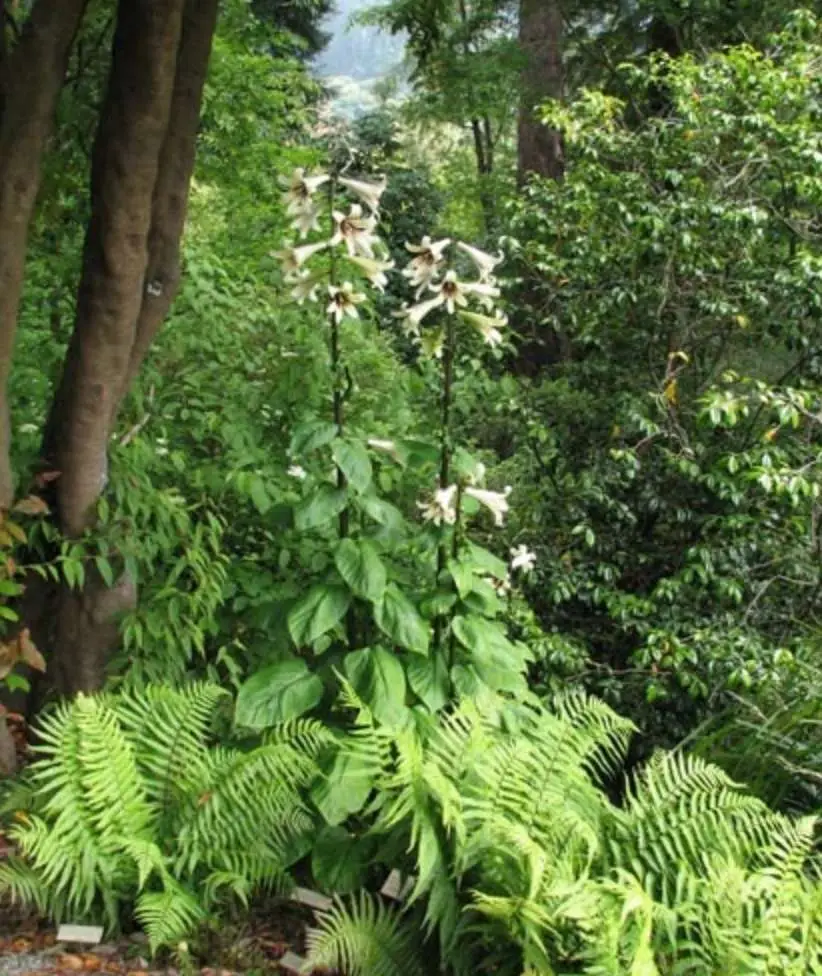
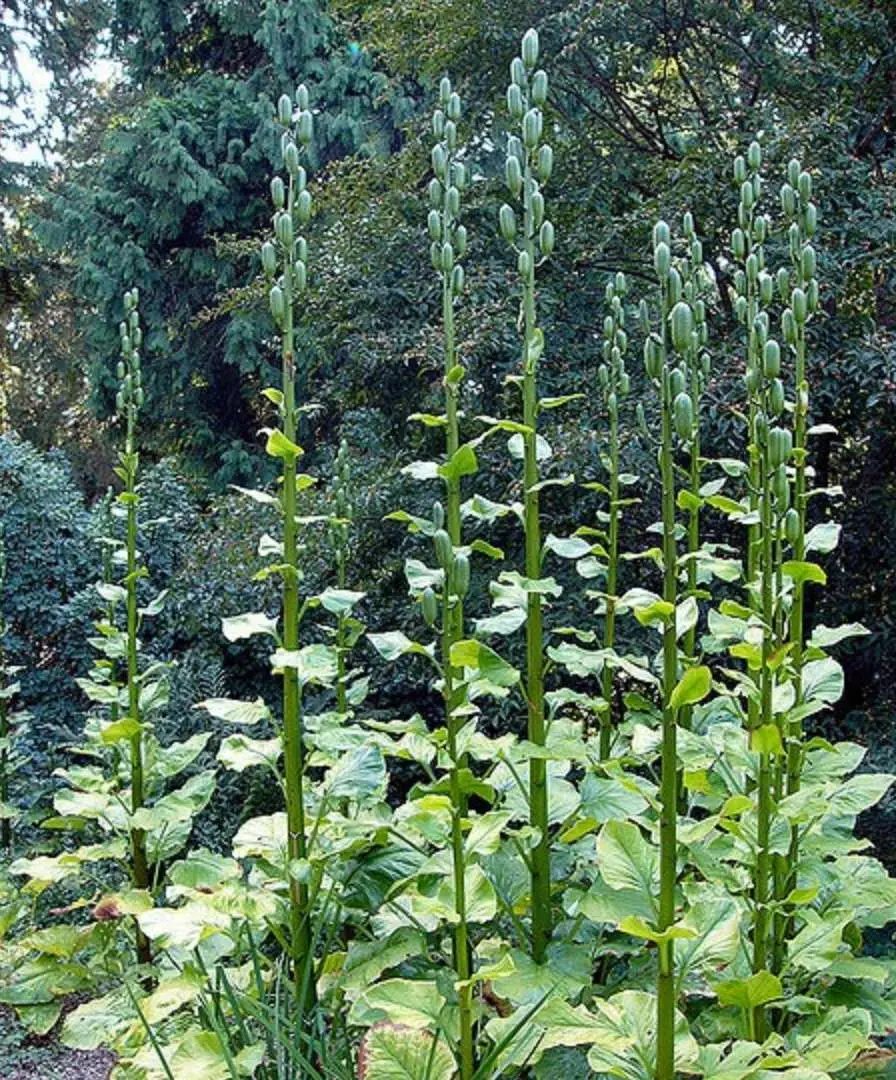
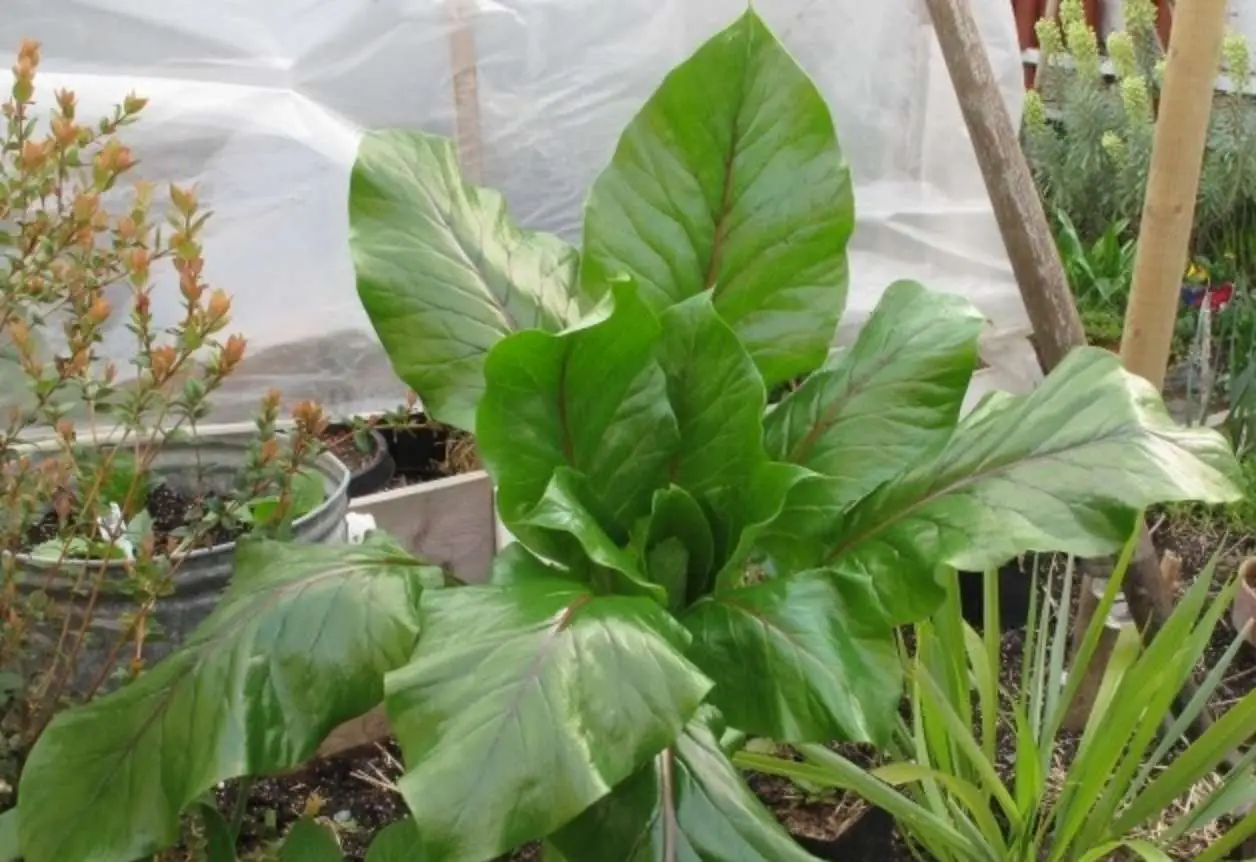
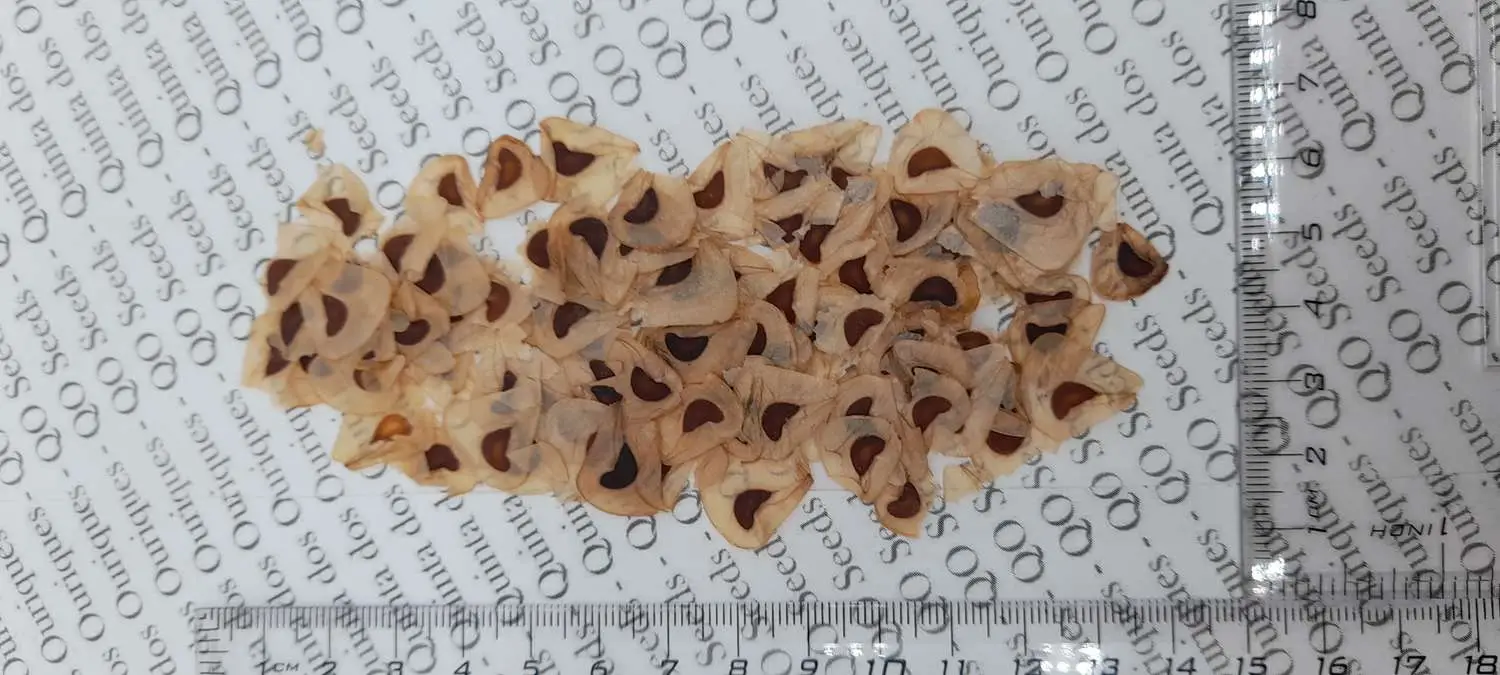
Imagine a 10-foot tower crowned with twenty enormous, creamy-white trumpet flowers that pour intoxicating fragrance across your entire garden—especially at dusk. This is the Giant Himalayan Lily, named one of the Royal Horticultural Society’s top 200 plants of the last 200 years. Heart-shaped, hosta-like foliage sets the stage for summer’s most unforgettable bloom. Patience is required (5–7 years from seed), but dedicated gardeners know: it’s worth every s
€1.92
Picture this: early summer, dusk falls, and your garden exhales a fragrance so intoxicating it stops visitors mid-conversation. A tower of pure white, impossibly tall—up to 14 feet in ideal conditions—rises above the woodland edge, crowned with up to twenty 8-inch trumpet flowers, their throats blushed with reddish-purple that deepens as evening approaches. This is Cardiocrinum giganteum—the Giant Himalayan Lily, the largest lily species on Earth, and a plant that doesn’t just live in a garden; it transforms it entirely.
Native to the misty montane forests of the Himalayas, China, and Myanmar, this species was first discovered by botanist Nathaniel Wallich in Nepal and introduced to British cultivation in 1852, where its flowering caused a genuine sensation. Its genus name—from the Greek words for “heart” and “lily”—honors the distinctive heart-shaped leaves that characterize it, setting it visually apart from its true lily cousins. That historical weight, combined with its sheer architectural presence, makes growing Cardiocrinum giganteum feel like tending a botanical treasure.
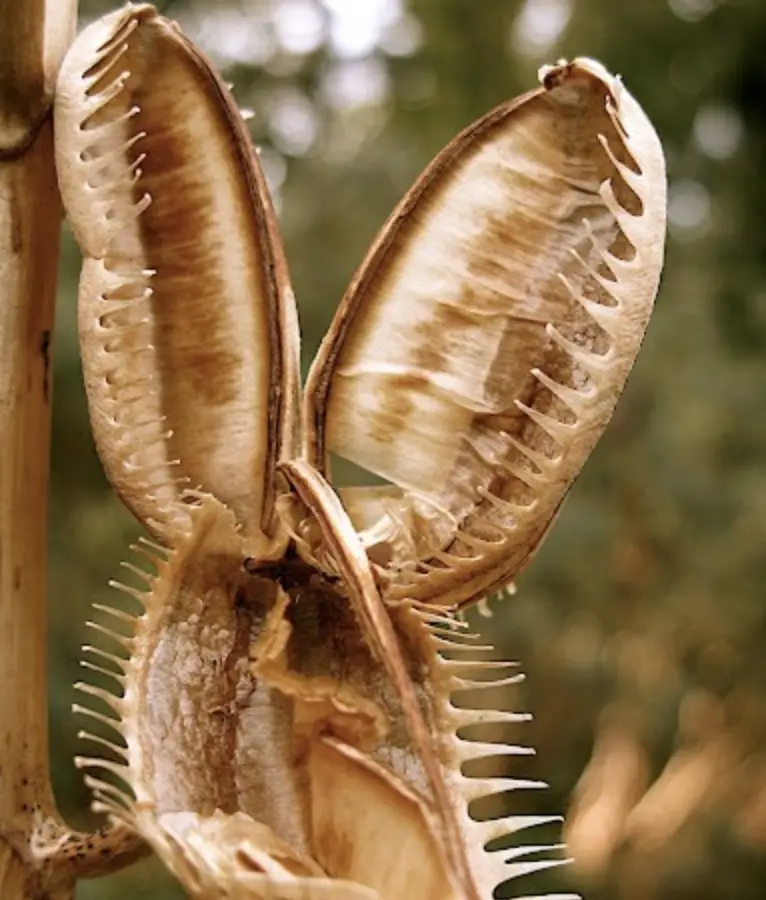
But here’s what clinches the obsession: fragrance and pollinator magnetism. This isn’t a mere ornamental; it’s an olfactory experience. The flowers release a vanilla-sweet, intoxicating scent that travels on evening breezes and fills an entire garden zone. Bees, butterflies, and hummingbirds arrive as if summoned. If you garden to feed pollinators, to create living, breathing ecosystems that attract wildlife, Cardiocrinum giganteum does it with operatic grandeur. It’s a cut-flower dream too—those massive, pristine trumpet blooms can adorn a room with presence and fragrance that lasts. Beyond the bloom, the decorative seed pods that follow become winter architecture in the garden, and yes, dried stems have even been traditionally hollowed to craft flutes. In traditional Asian medicine, the leaves are applied as cooling poultices for wounds, and the roots as treatments for bone injuries—a living bridge between ornament and ethnobotanical use.
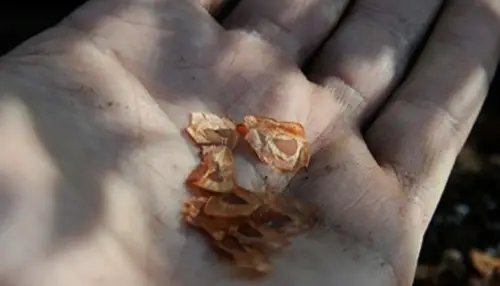
Growing Cardiocrinum giganteum is a study in patience and precision, which is precisely why serious gardeners pursue it. Start from fresh seed in autumn, sown barely covered in cool, humus-rich soil. Germination can take up to two years; the seedlings spend 3–4 years in pots in dappled shade and cool conditions before moving to their permanent home. Then comes the real wait: 5–7 years (sometimes longer) before the bulb stores enough energy to send up its flowering spike. This monocarpic nature means the main bulb exhausts itself in that single, spectacular bloom—but offsets remain to flower in subsequent years, and patience gardeners find themselves eventually cultivating small colonies. Site it in partial shade to dappled woodland conditions; it despises hot, dry positions and needs consistently moist (never waterlogged) soil rich in organic matter and leafmould. Well-drained, fertile, deeply humus-laden soil is non-negotiable. Hardy to USDA zones 5–9, though it thrives best in cooler, moister climates. Once established, it asks for little beyond regular moisture during the growing season and mulch for winter protection in colder regions. Early reports of poor performance in warm climates stemmed largely from inadequately stored bulbs; healthy, living specimens are far more adaptable than mythology suggests.
Grow this from seed, and you enter into an ancient gardener’s pact: tend something magnificent that demands time, attention, and faith. You’ll join the lineage of collectors who first gasped at its Edinburgh bloom in 1852. You’ll create a focal point so arresting that visitors stop mid-conversation when it flowers. You’ll feed pollinators on an operatic scale. And for those first five years while you wait, you’ll watch glossy, heart-shaped leaves expand season by season, knowing exactly what’s coming. That’s not patience—that’s anticipation. That’s desire. Start your seeds now. The giant Himalayan lily is c
Only logged in customers who have purchased this product may leave a review.
Reviews
There are no reviews yet.