



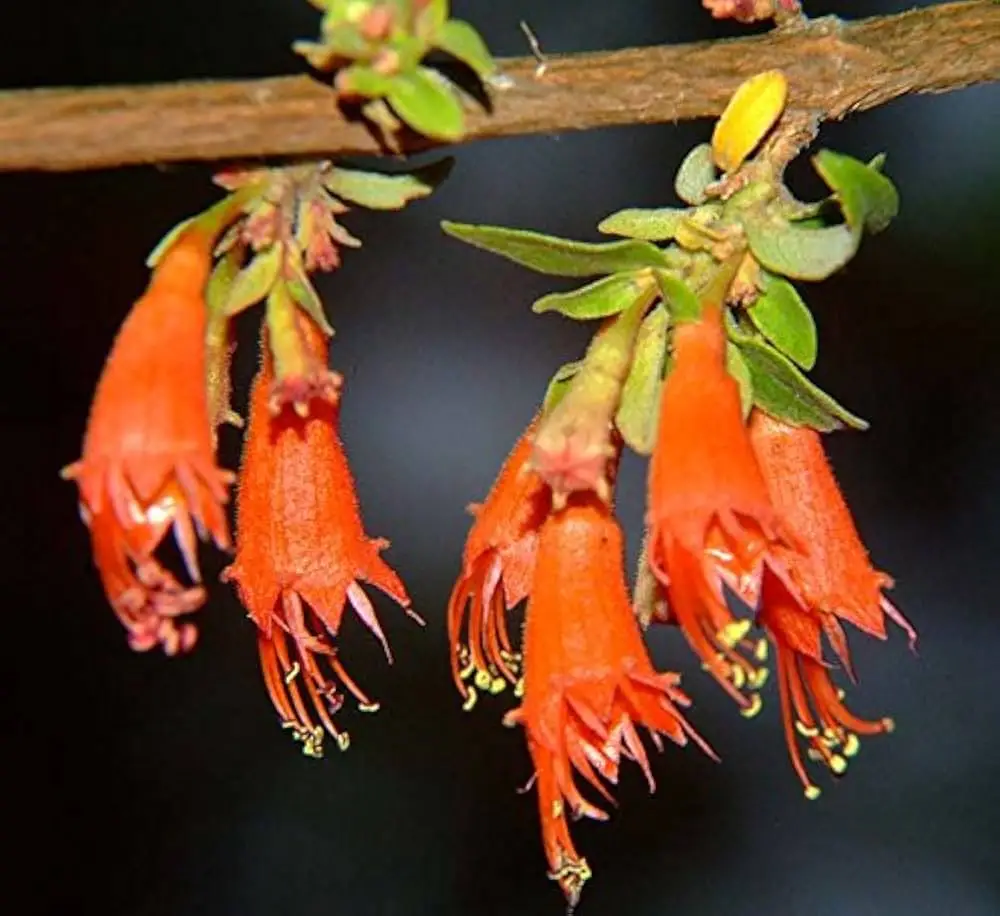
Grow the flower that powers Ayurveda’s most legendary tonics. Woodfordia fruticosa blooms in fiery red clusters—vibrant, abundant, irresistible—and has been the essential ingredient in Asava and Arishta fermentation for centuries. Harness these potent blooms for traditional herbal medicine, natural dyes, or garden drama. Easy to medium cultivation in warm climates; seeds germinate within days.
€3.47
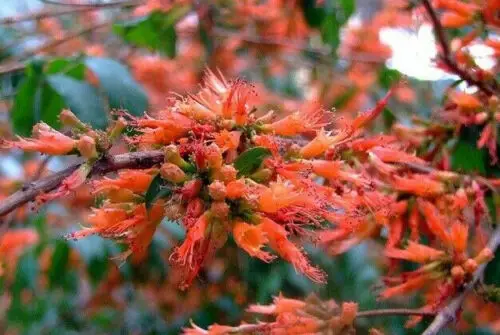
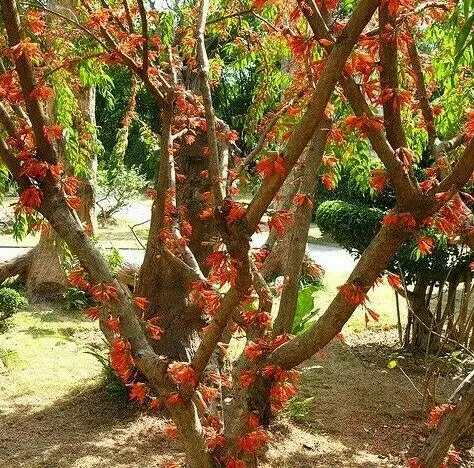
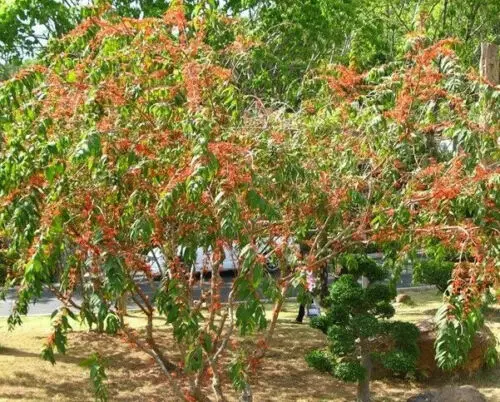
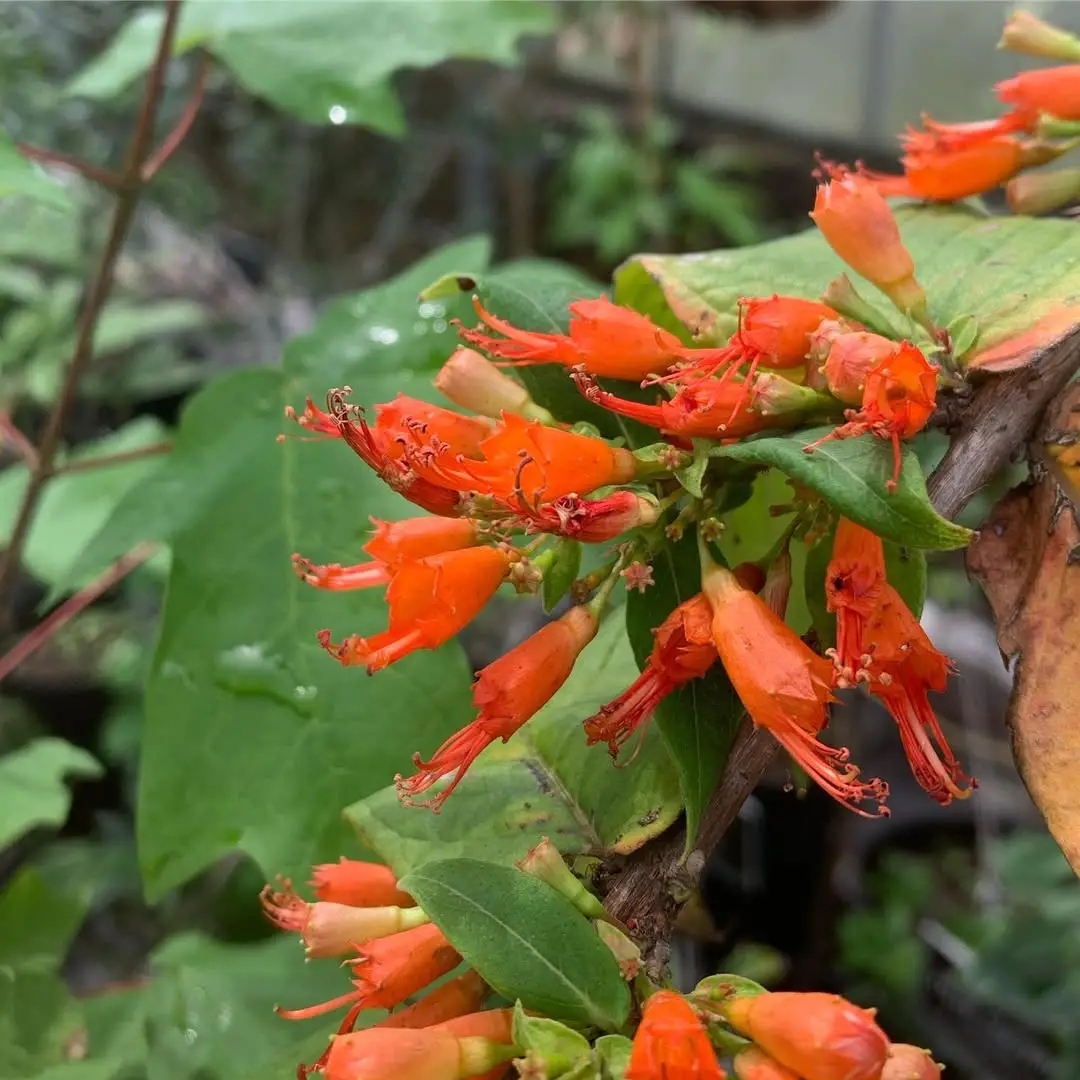
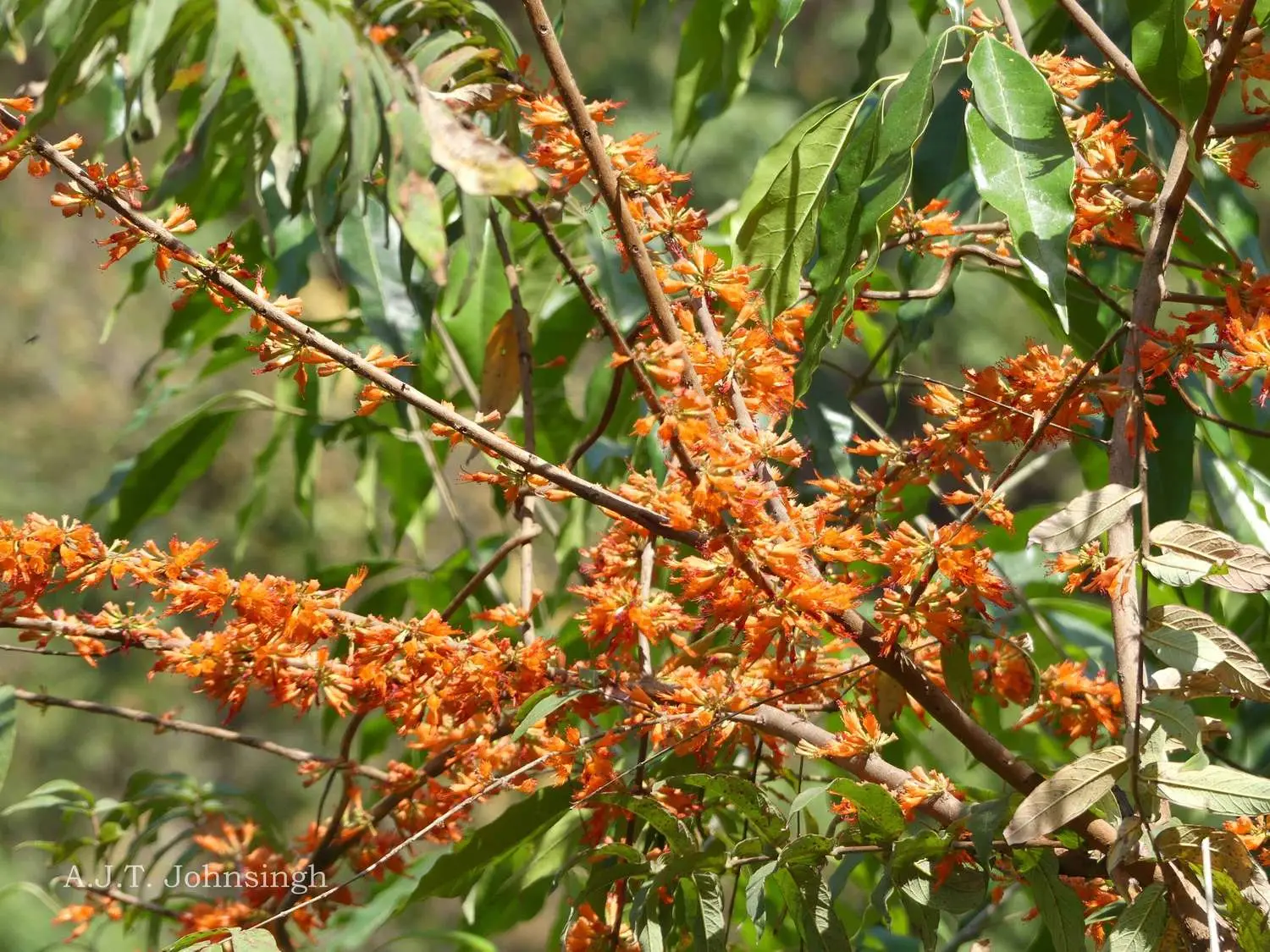
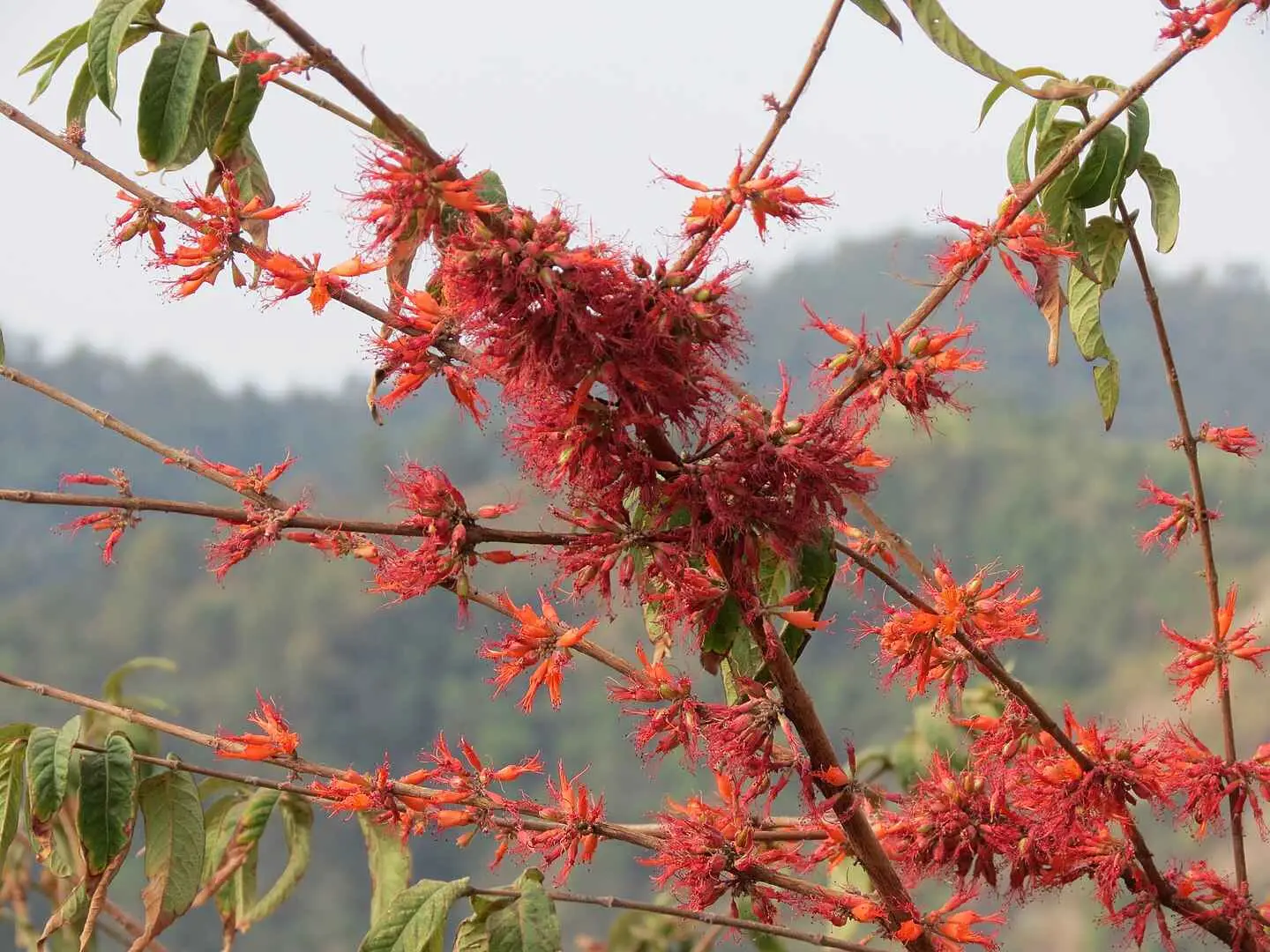
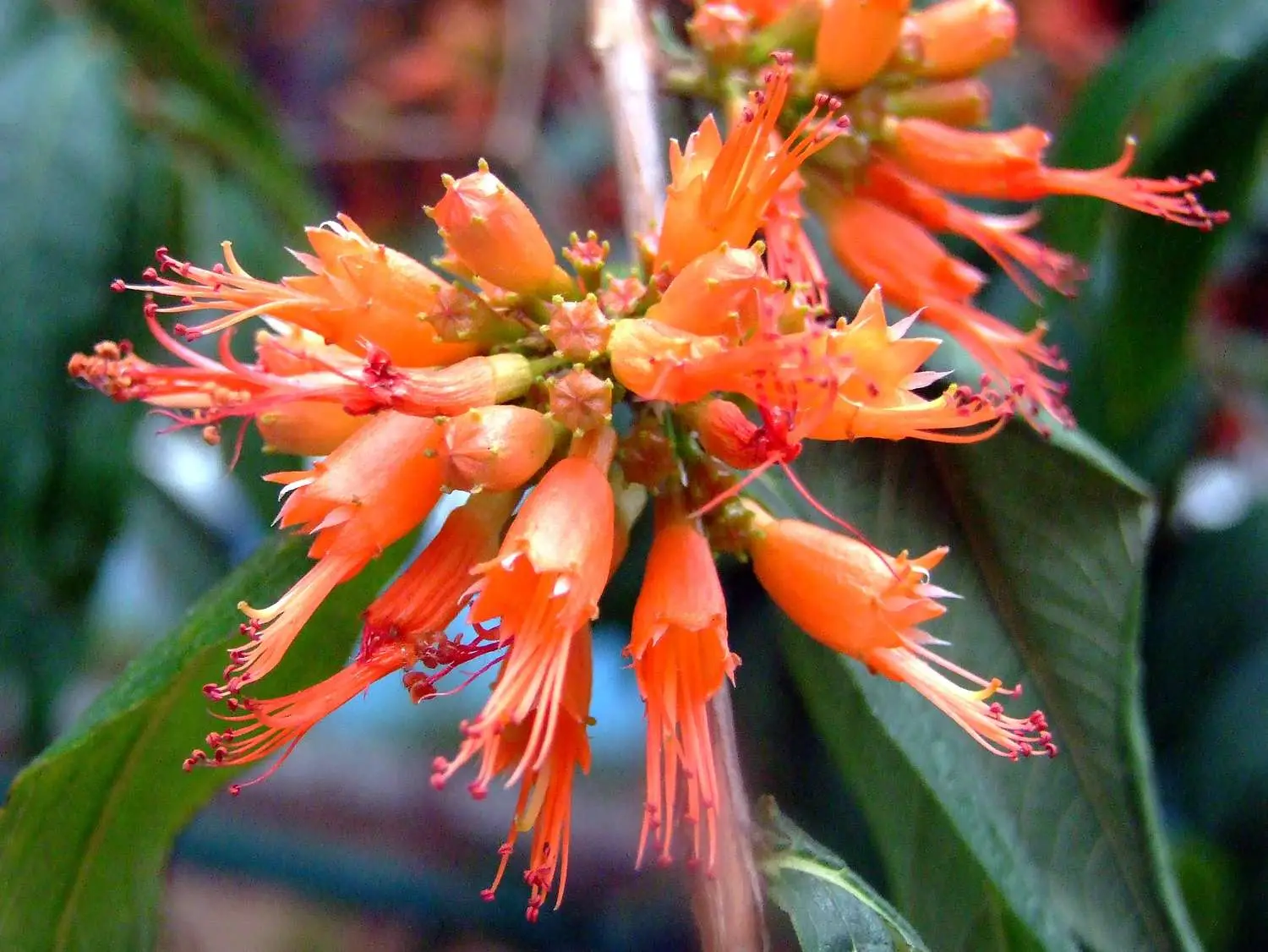
Individual flowers are large and red-orange, clustering magnificently on a shrub growing to 5 m (16ft) with reddish-brown bark that peels off in strips. This is pure botanical theatre—every flower a small flame.
Endemic to India, Woodfordia fruticosa has been woven into the fabric of traditional medicine for millennia. W. fruticosa plant parts either alone or whole plant have a long history of recommended use in the Indian medicine systems of Ayurveda, Unani, and Siddha (AUS). This is not a minor player; this is heritage medicine with modern validation.
Here’s what makes this plant transcendent: In the Ayurvedic medicinal industries, Dhataki is a plant of high demand and its Pushpa (flowers) are highly valued in the Indian system of medicine. More than that, it is used in the preparation of various Asava and Arishta, that’s why it is considered the backbone of Asava and Arista. Asava and Arishta are fermented medicinal wines—the crown jewels of Ayurvedic pharmacy—and Dhataki flowers are the essential catalyst. Used as an ingredient in the fermentation of many Ayurvedic medicines, antiseptic, is one of the main ingredients in almost all Arishtas and Asavas. If you’re serious about traditional herbal fermentation, you need this plant. Beyond fermentation, This plant is prominently known for its pharmacological properties, viz., antimicrobial, anti-inflammatory, anti-peptic ulcer, hepatoprotective, immunomodulatory, antitumor, cardioprotective, analgesic, and wound healing activities. The flowers yield a dye—specifically a crimson dye traditionally used for coloring textiles, particularly wool and silk fabrics in India. Its twigs and leaves produce a yellow dye which is used for printing and petals possess red-colored dye. Whether you’re an herbalist, dyer, or cosmetic maker, these flowers deliver.
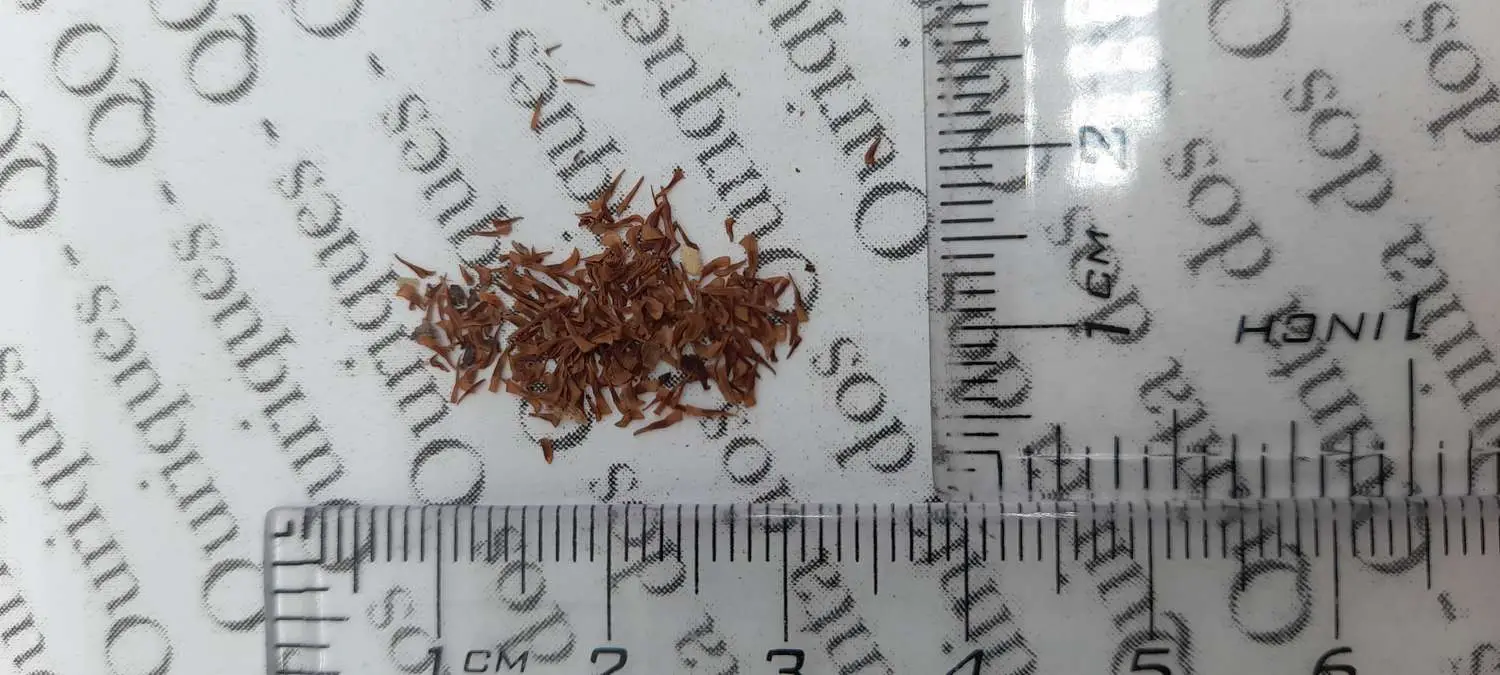
Cultivation is straightforward. Woodfordia fruticosa thrives in bright, direct sunlight and prefers moderate temperatures. It should be watered sparingly, allowing the soil to dry out almost completely between waterings. Suitable for: light (sandy), medium (loamy) and heavy (clay) soils, prefers well-drained soil and can grow in nutritionally poor soil. Suitable pH: mildly acid, neutral and basic (mildly alkaline) soils. Germination starts 7-12 days after sowing and is completed within one month. This plant doesn’t demand coddling—it rewards direct sun, minimal fuss, and patience. It prefers full sunlight and can tolerate short periods of drought, making it relatively low-maintenance.
Sow these seeds and you’re planting the same flowers that have powered Ayurvedic medicine for centuries. You’re growing fire—literal and medicinal.
Only logged in customers who have purchased this product may leave a review.
Reviews
There are no reviews yet.