
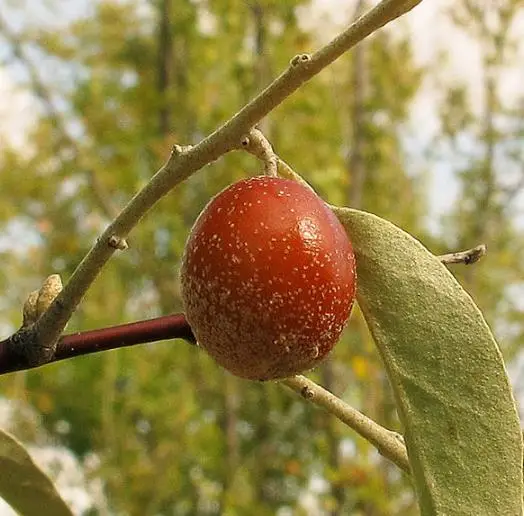
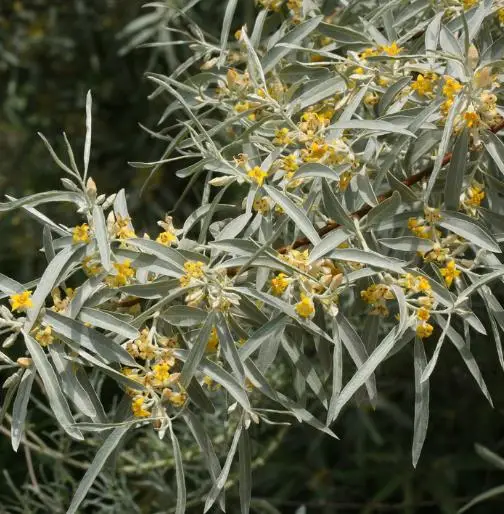
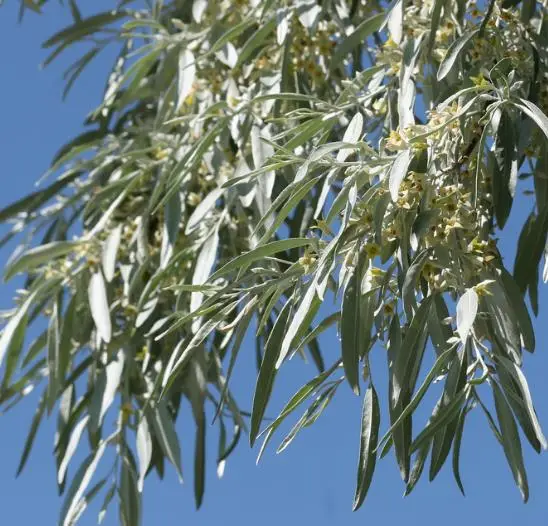
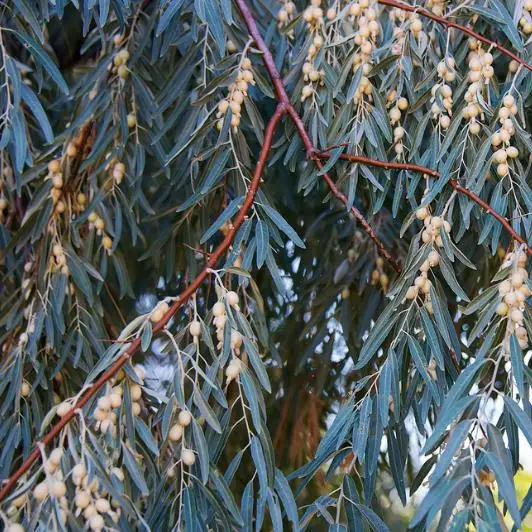
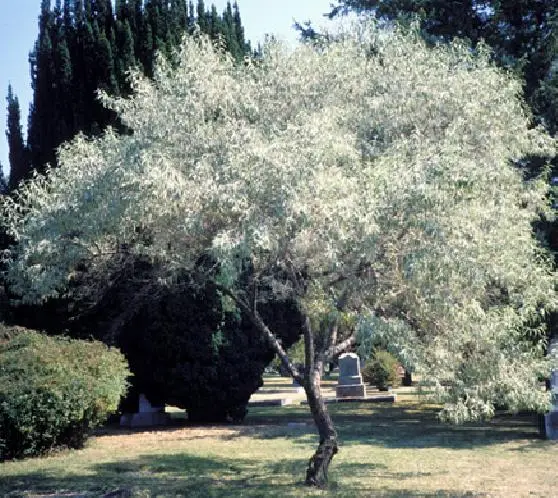
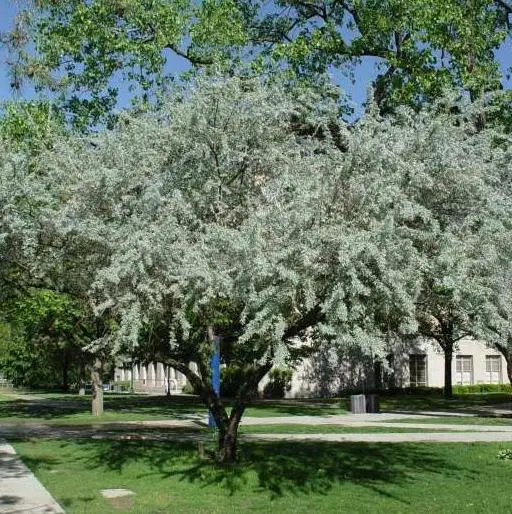
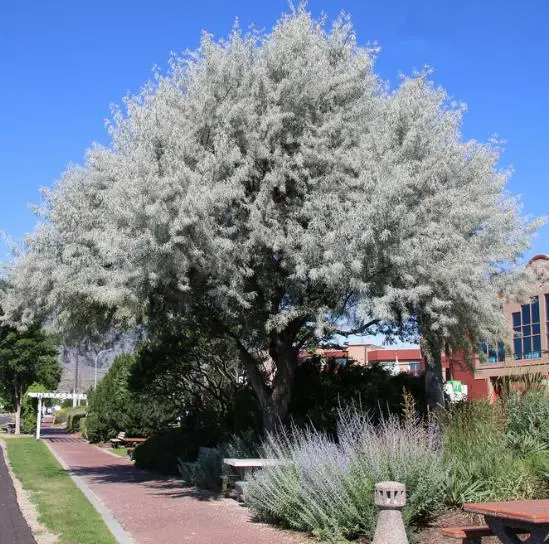
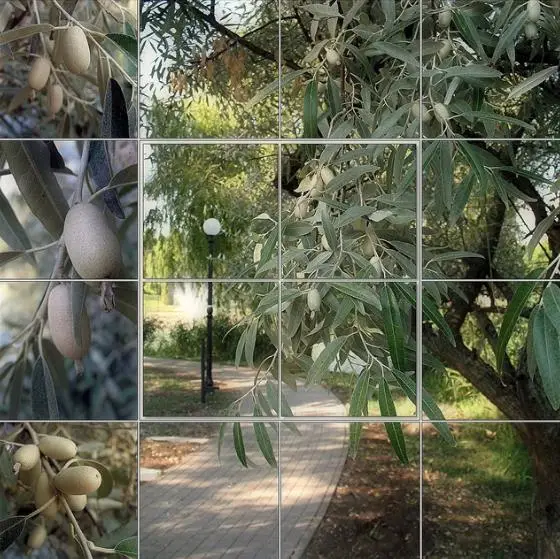
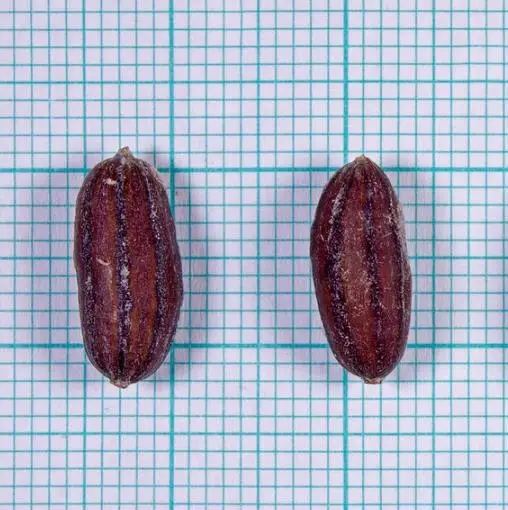
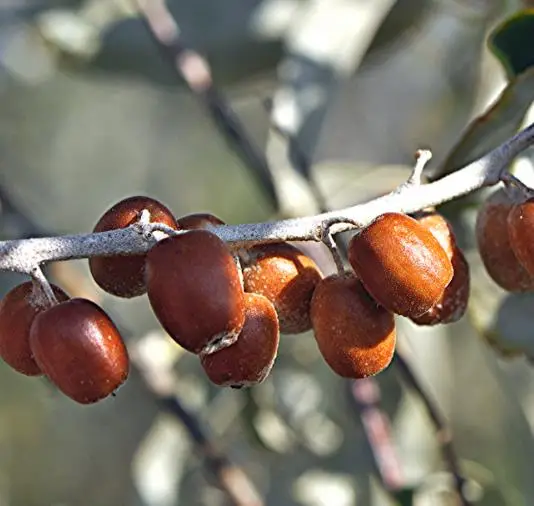
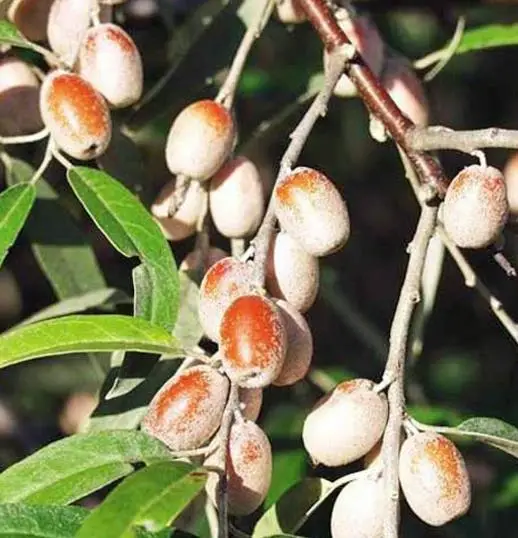
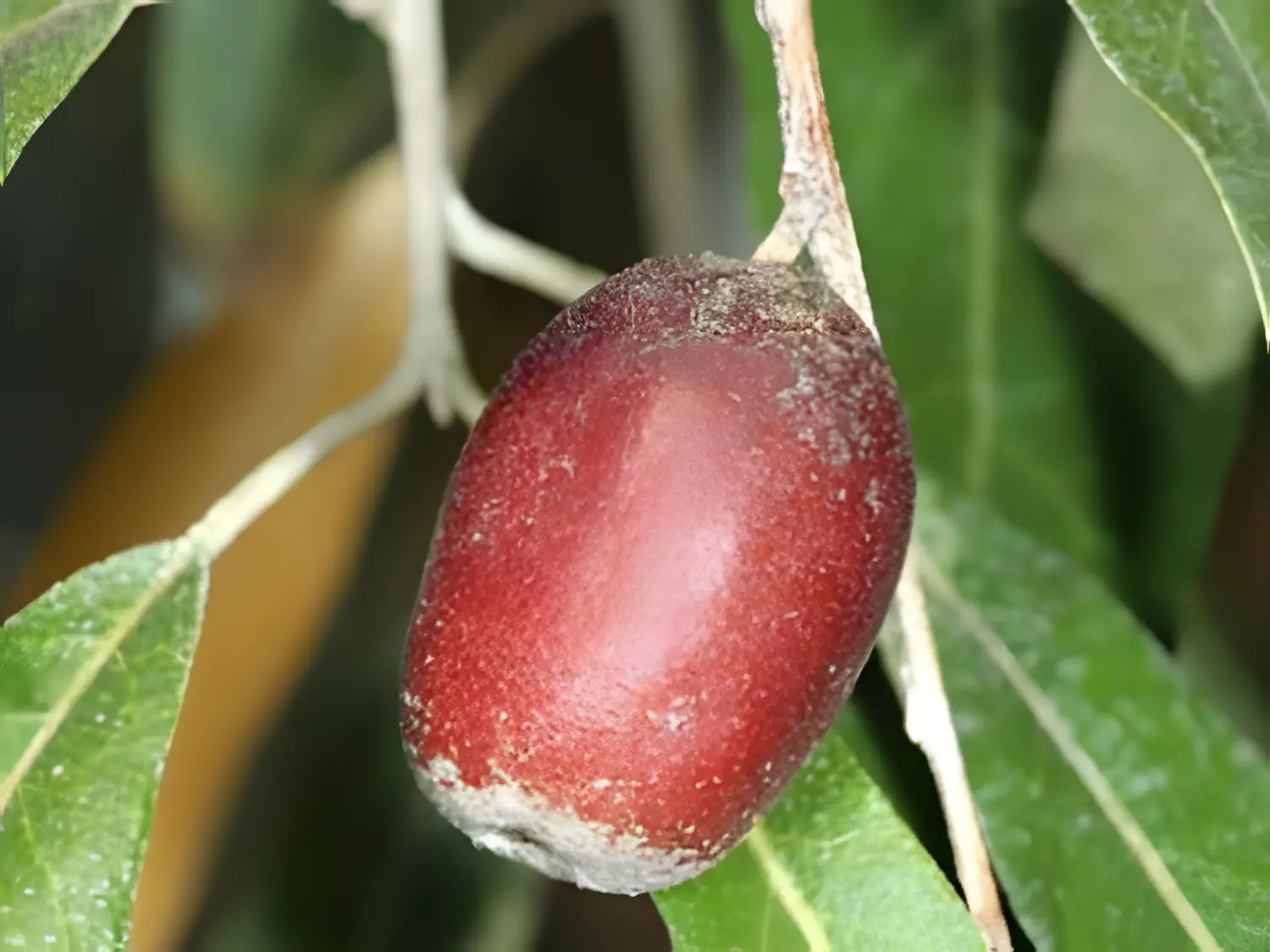
Grow the ancient medicinal marvel revered for centuries across Asia and the Middle East. Elaeagnus angustifolia produces small, nutrient-dense drupes packed with flavonoids, alkaloids, and powerful antioxidants—used traditionally as anti-inflammatory and antioxidant medicine. Plus: silvery foliage, intensely fragrant golden flowers, and remarkable hardiness. From seed to healing fruit in just a few years. Easy to grow.
€2.46
This is where legend becomes reality: a tree that bridges ornamental beauty and pharmaceutical potential, all in one graceful form.
Elaeagnus angustifolia—the Russian Olive, the Oleaster, the Parrot Olive—is native to the sun-baked regions of Central Asia, Iran, Kazakhstan, and the Middle East, where it has been treasured for centuries. It arrived in Europe by the 1600s and was grown for beauty and utility alike. Its Latin name alone hints at its power: ‘angustifolia’ speaks to its elegant, narrow leaves. But this tree’s real treasure lies deeper.
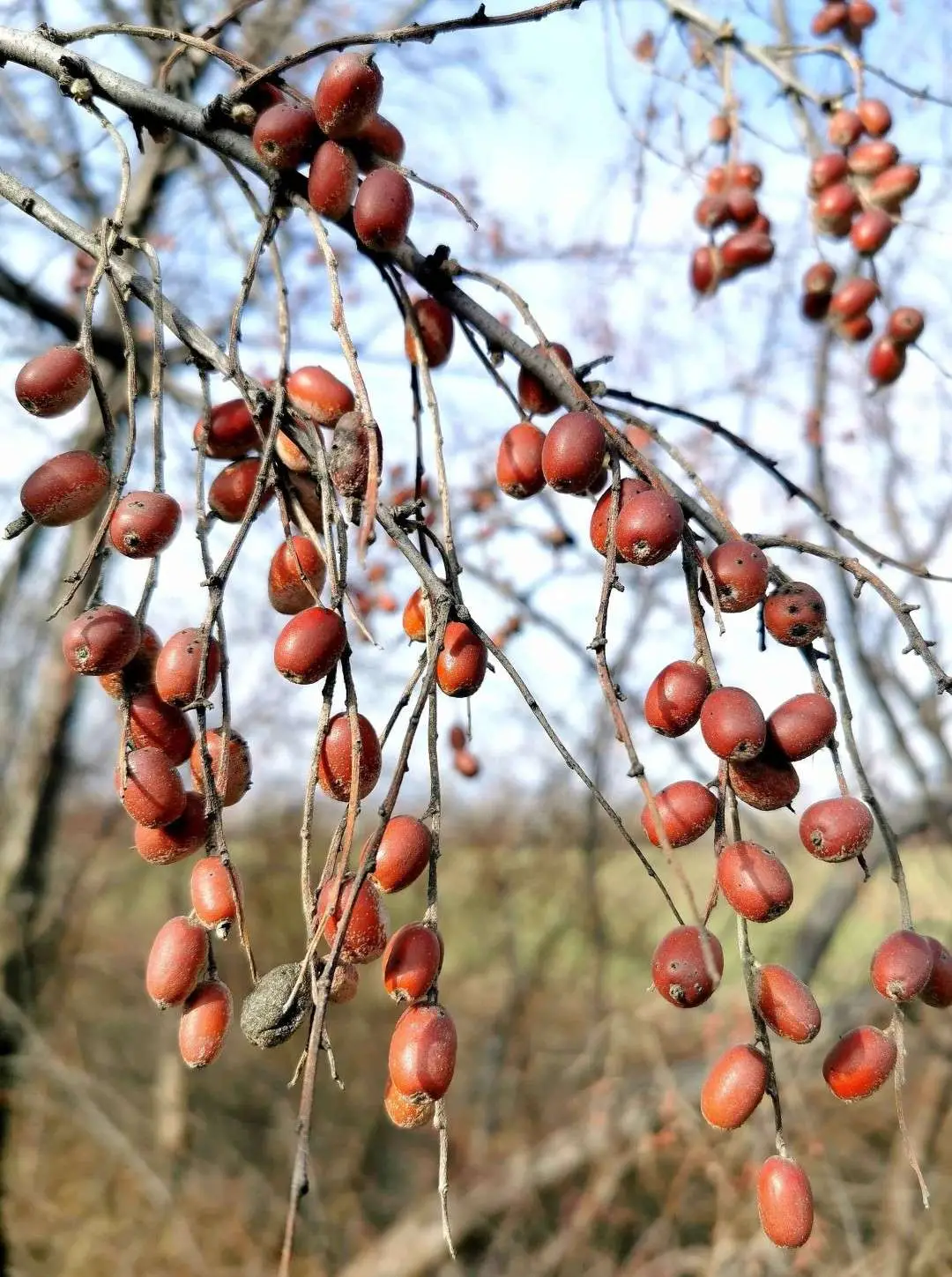
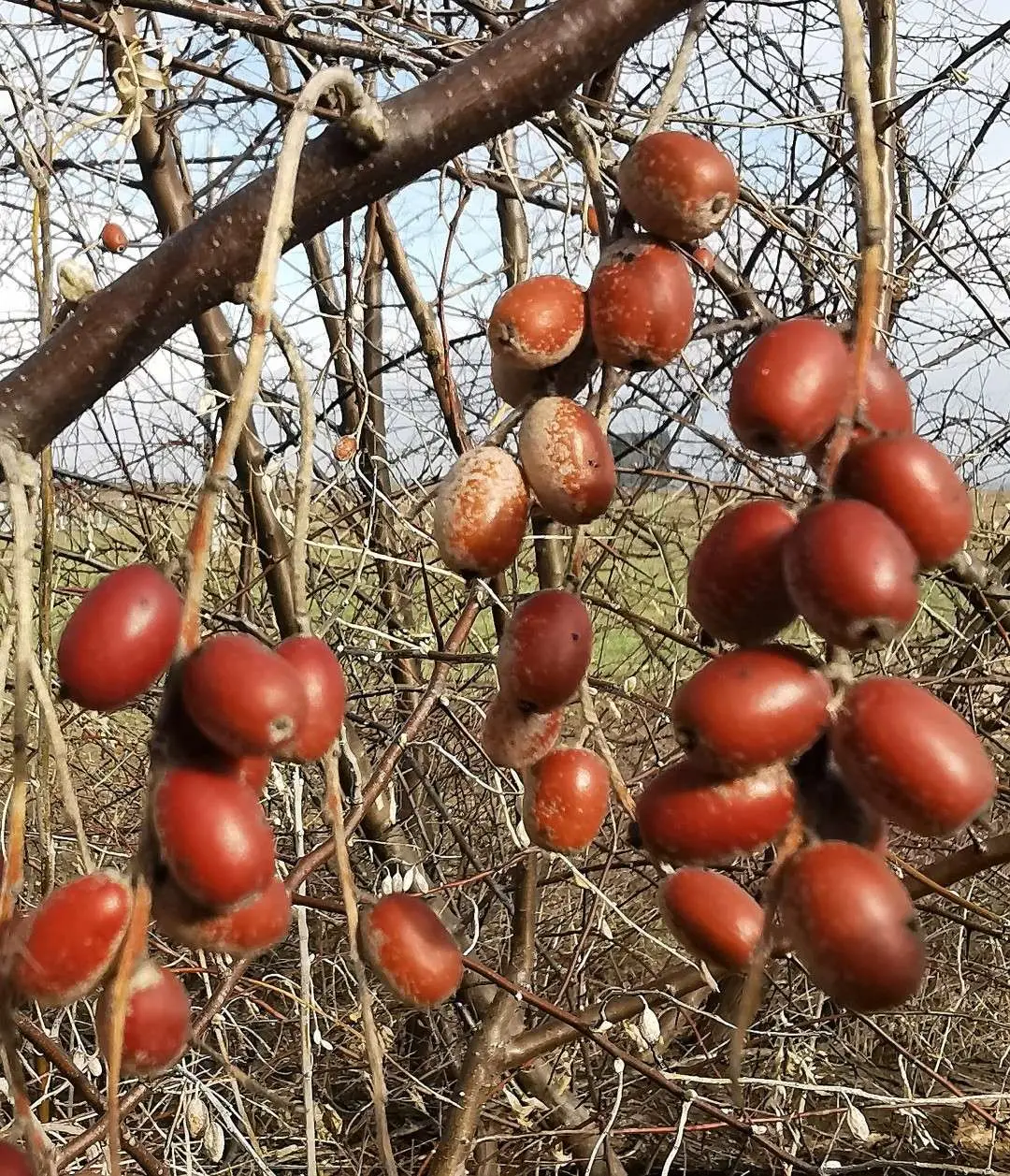
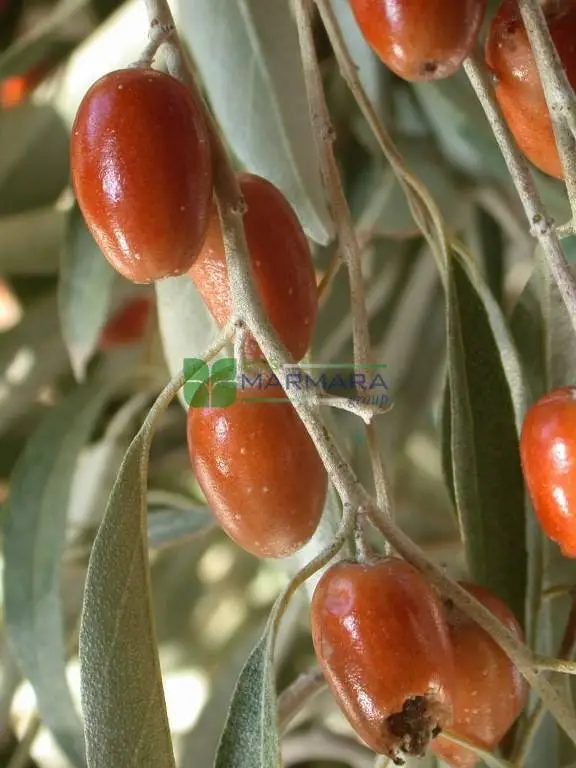
Here is where science meets tradition: every part of this tree—fruit, flowers, leaves, bark—contains a remarkable constellation of bioactive compounds that modern research has only begun to validate. The fruit is your primary focus of desire. These small, olive-like drupes (1-1.7 cm long) are a living pharmacy. Rich in flavonoids, alkaloids, vitamins A, C, and E, polysaccharides, and essential fatty acids (extraordinarily rare in fruit), they concentrate compounds like quercetin and beta carboline—the latter proven to protect neurological tissues and enhance cognitive function. For centuries, traditional practitioners across China, Uzbekistan, and the Uyghur regions have used E. angustifolia fruit for gastrointestinal healing, anti-inflammation, wound recovery, and immune support. Modern pharmacological studies have validated antimicrobial, anticancer, antioxidant, and anti-inflammatory properties. The fruit tastes dry and mealy but distinctly sweet, with a subtle cool quality—perfect for infusions, syrups, traditional decoctions, or drying for long-term medicinal storage. No wonder it is collected in the drug standards of the Chinese Ministry of Health and remains a cornerstone of Uyghur traditional medicine.
Beyond the fruit: the flowers deserve their own poem. In June, delicate clusters of four-lobed, creamy-yellow, bell-shaped blossoms emerge—intensely aromatic with a complex fragrance (dominated by ethyl cinnamate) that evokes honey, jasmine, wood, citrus, and a whisper of celery. This scent carries for hundreds of yards on a warm breeze and has been extracted for use in fine perfumery. The leaves and bark are equally valuable, containing compounds used in hair tonics, skin formulations, and gastrointestinal teas. Even the gum from the stem has been employed in traditional medicine for dry skin and barrier function repair.
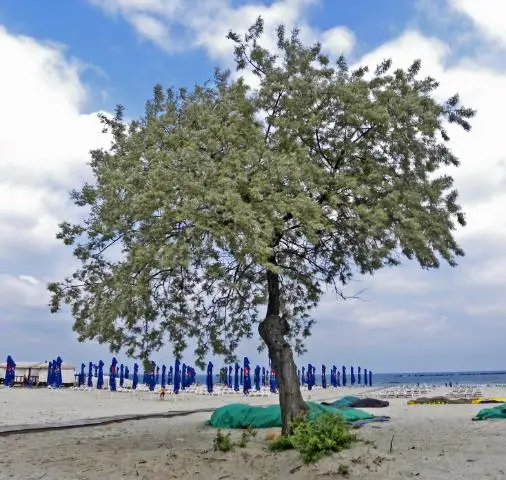
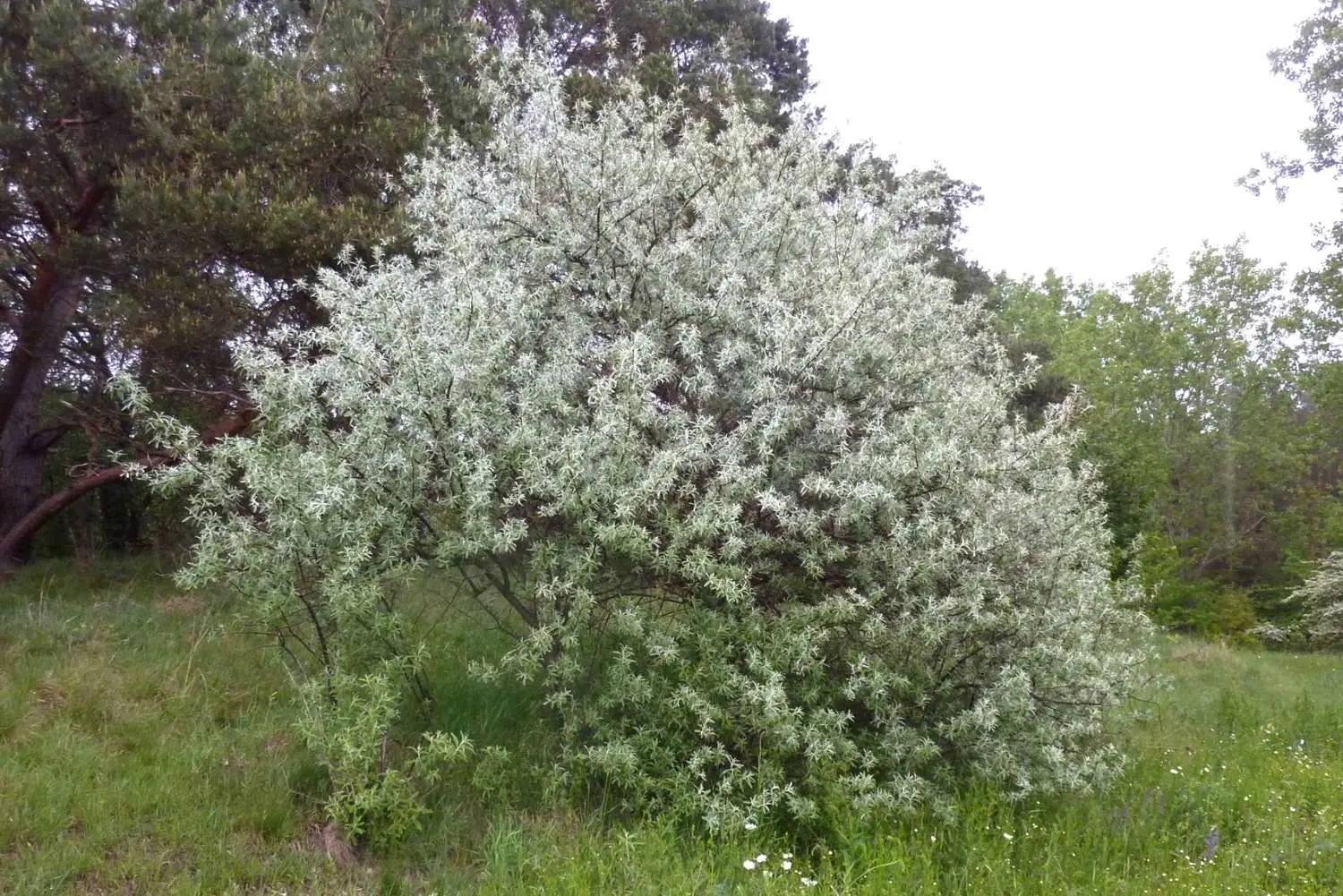
Cultivation is one of this plant’s greatest gifts—it laughs at adversity. Elaeagnus angustifolia is hardy to USDA zone 2 and thrives in full sun on poor, sandy, loamy, or clay soils where other plants surrender. It tolerates drought, saline conditions, alkaline pH, and even maritime salt spray. The tree forms a nitrogen-fixing partnership with soil bacteria, enriching depleted earth as it grows—a quality that makes it invaluable for ecological restoration. It grows at a vigorous pace (expect 23 feet tall and wide at maturity), blooms by year 3-4, and fruits prolifically. Light watering during establishment; thereafter, it demands virtually nothing. The silvery-gray foliage, which persists all season, provides a cool, Mediterranean aesthetic that complements any garden. Older bark peels in attractive strips, revealing gray beneath. Young twigs blush rusty-brown and occasionally bear thorns—architectural details that add texture and character, especially in winter silhouette.
Begin your relationship with this tree from seed. Sow in spring or stratify for autumn sowing. Watch as the seedling unfurls those distinctive narrow, silver-scaled leaves. By year three or four, you’ll stand beneath a flowering cloud, breathing in one of nature’s most compelling fragrances. Within five years, you’ll harvest your own medicinal fruit—a tangible link to healing traditions spanning millennia. This is not merely a tree you grow. It is a companion in your wellness practice, a living apothecary, a meditation on resilience and beauty unified. Sow it. Tend it. Harvest from it.
Only logged in customers who have purchased this product may leave a review.
Reviews
There are no reviews yet.