
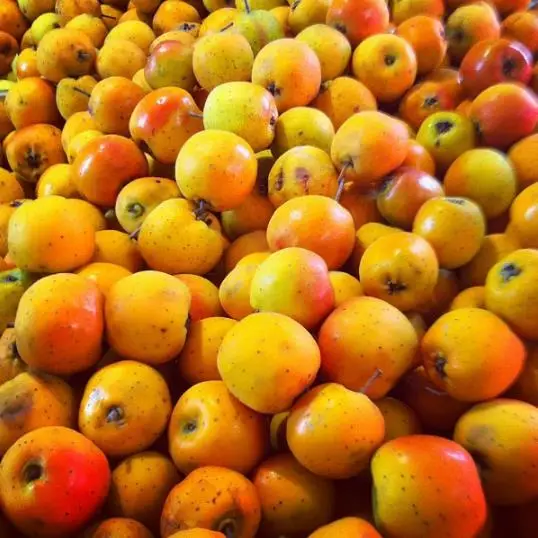
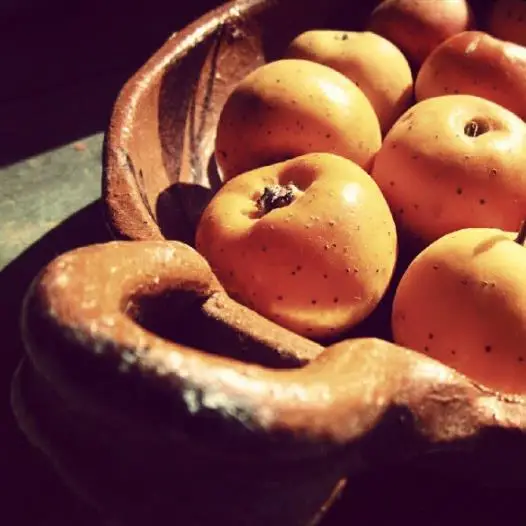

Imagine harvesting golden fruit each November to brew the exact ponche navideño your ancestors savored. Tejocote—the Mexican hawthorn—is a culinary heirloom dripping with centuries of tradition. The fruit is a key ingredient in ponche navideño, simmered with cinnamon, guavas, and piloncillo into a warming spiced drink. Beyond holidays, it’s medicinal too: high in Vitamin C, flavonoids, and antioxidants with
€6.71
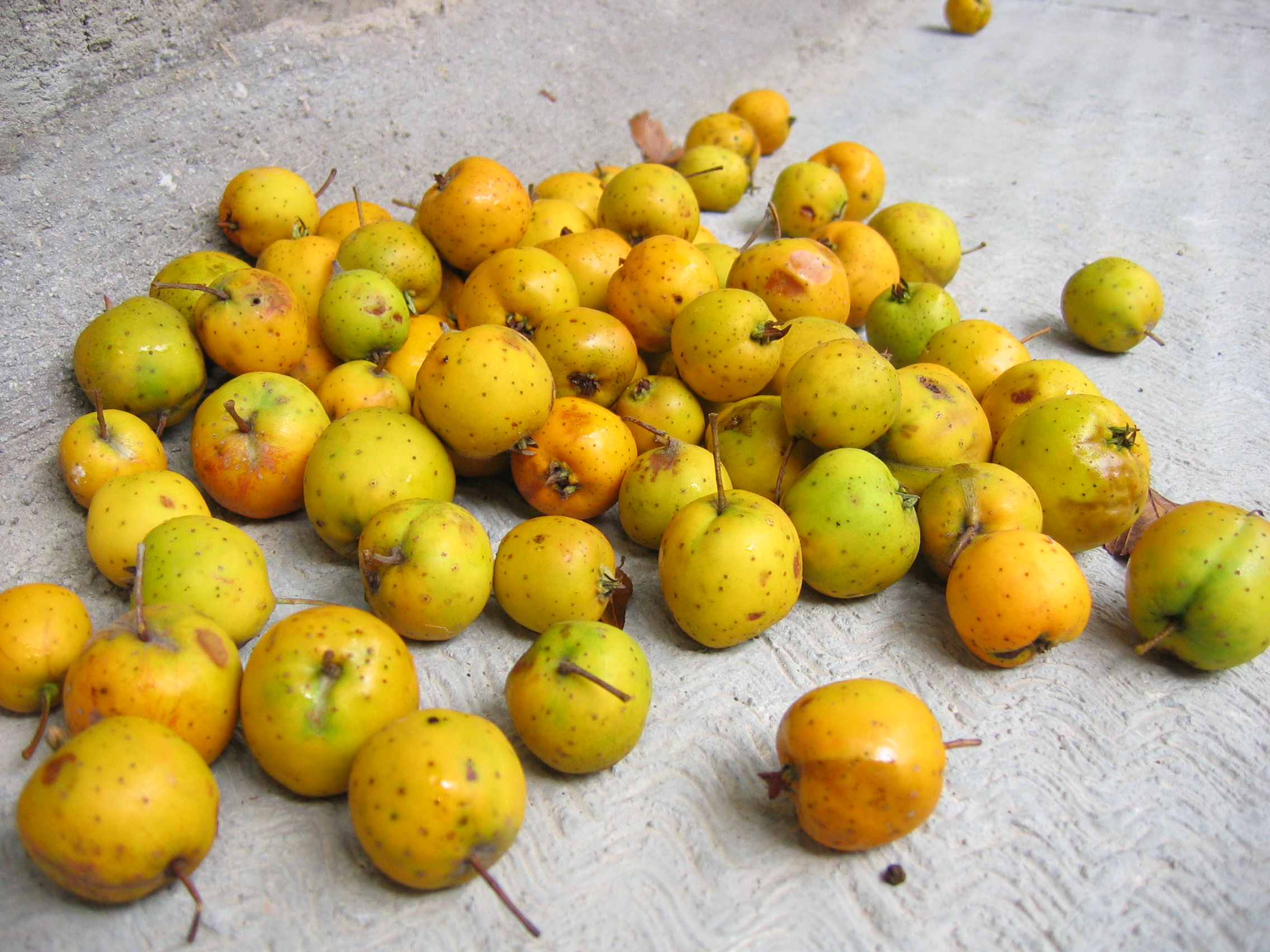
Tejocotes have graced Mexican history since the Aztec empire in the 1400s, and likely far earlier—once considered a forbidden fruit, these small, crab-apple-like fruits hold an integral role in Mexican culture.
Native to the mountains of Mexico and Guatemala, the name tejocote comes from the Nahuatl word texocotl, meaning ‘stone fruit’. For over five centuries, the Aztecs and indigenous peoples of Mexico used tejocote in traditional medicine to treat various ailments. Archaeological evidence suggests they were used by indigenous populations for both food and medicinal purposes since pre-Hispanic times. This is no ornamental; this is a living artifact.
**The Culinary Magic—Why You Need This Fruit**
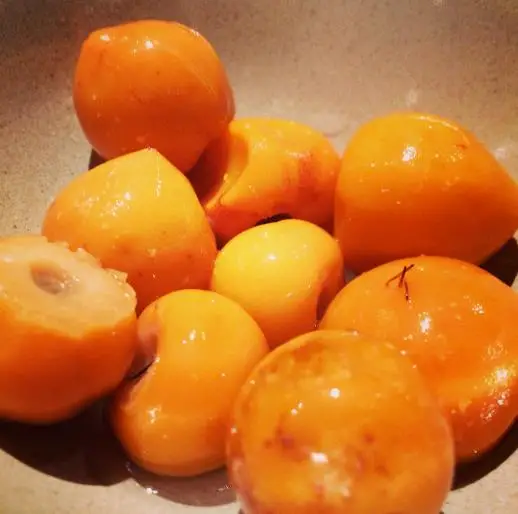
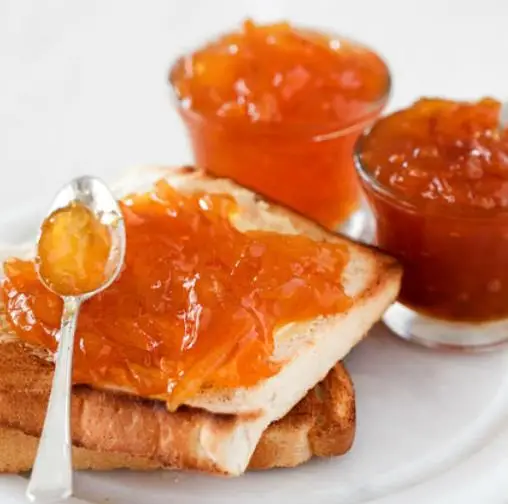
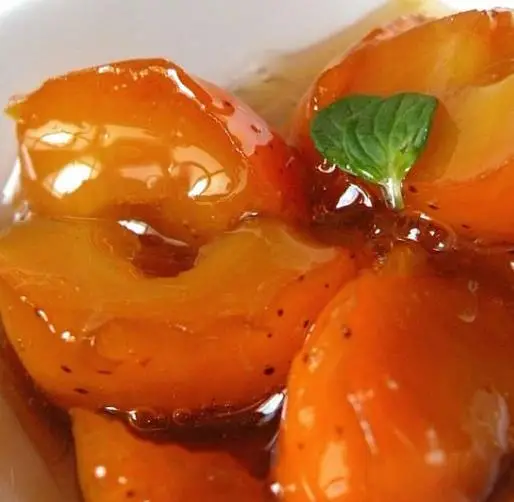
Tejocote is a key ingredient in ponche navideño, served during Christmas and New Year’s celebrations, with its harvest aligning perfectly with holiday customs. It’s one of the key ingredients in this traditional Mexican Christmas punch, simmered with cinnamon, guavas, sugar cane, and spices to create a warm and comforting holiday drink. But there’s more. On Day of the Dead, tejocote fruit and candy prepared from them are used as offerings to the dead, and a mixture of tejocote paste, sugar, and chili powder produces the popular Mexican candy called rielitos. The fruits are consumed fresh, cooked, or preserved; with their mildly acidic flavor reminiscent of crabapples, cooking methods soften and sweeten them, ideal for desserts or canned products. Every fruit becomes a story. Every harvest becomes a celebration.
Beyond the holidays, Crataegus mexicana is cultivated for its cosmetic, nutraceutical and medicinal uses, and its wood is popular for making tool handles. Due to its high pectin content, the fruit is processed to extract pectin for food, cosmetic, pharmaceutical and textile uses. The fruit is medicinal with high content of Vitamin A, Vitamin C, minerals, oligomeric procianidines, triterpenes, carotenes, flavonoids, polysaccharides and catecholamines, used since pre-Hispanic times. These compounds treat cardiovascular diseases, immune diseases, respiratory problems such as colds and cough, and have citotoxic, gastro protective, anti-inflammatory, anti-viral and anti-microbial activity. The fruit, root and leaves have been employed in decoctions and teas to soothe coughs, reduce fever, and stimulate the immune system.
**Ridiculously Easy to Grow**
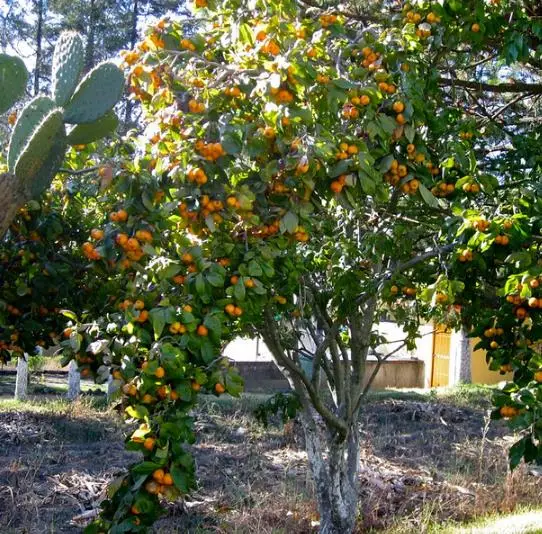
A very easily grown plant, it prefers well-drained moisture retentive loamy soil but is not at all fussy. Once established, it succeeds in excessively moist soils and tolerates drought, growing best in areas with dry climates. It thrives in full sun with above 6 hours of sunlight daily, and can also grow in partial sun with about 3-6 hours daily. Plants from suitable provenances tolerate short-lived temperatures down to around -18°C when dormant, making it a hardy companion even in cold regions. The plant is fairly low maintenance; planted outdoors it needs little watering, and larger plants typically do not require pruning. It grows 5–10 m tall with a dense crown—a compact, self-assured presence in any garden.
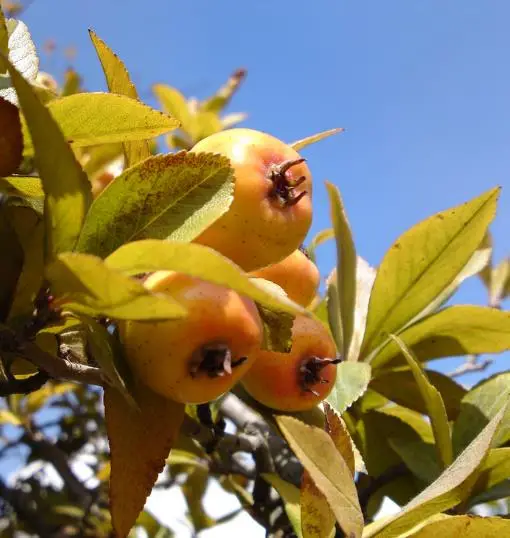
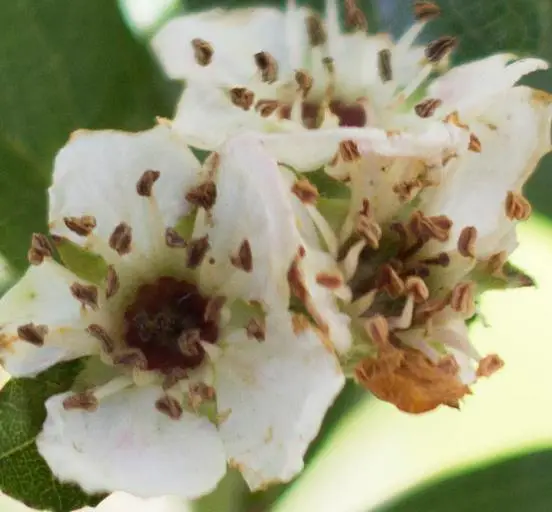
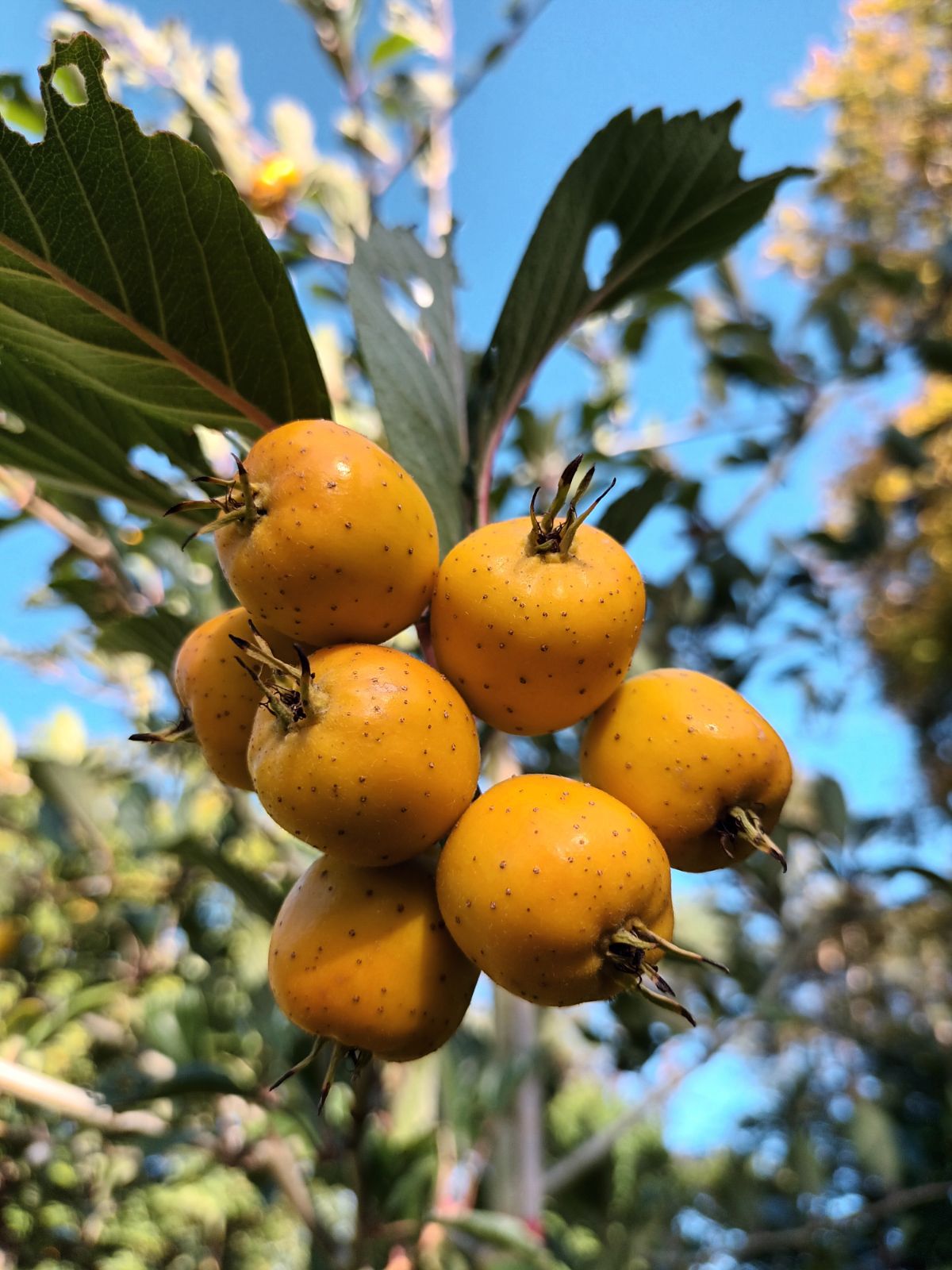
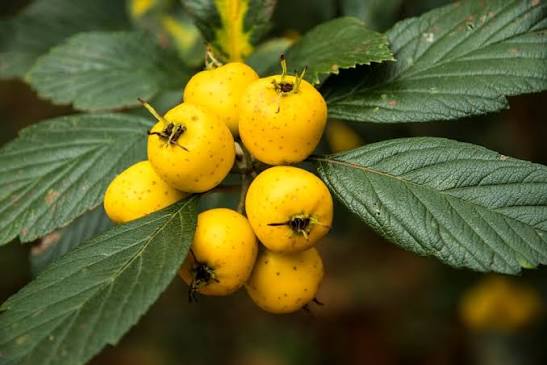
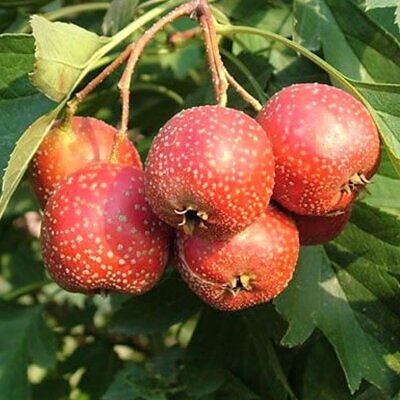
This semi-evergreen shrub or small tree has a spreading habit with thorny stems, glossy dark green leaves that are sometimes bronze in winter, and in late spring, clusters of white flowers adorn the plant, followed by large golden yellow berries that persist into winter.
Only logged in customers who have purchased this product may leave a review.


Reviews
There are no reviews yet.