
From Renaissance lutes to concert guitars, this legendary timber has been the acoustician’s dream for 500 years. Now grow your own piece of this storied wood—the tree whose heartwood resonates with the purest musical voice nature offers. With rich chocolate-brown heartwood streaked in black, compound emerald foliage, and hypnotic rose scent, Dalbergia nigra rewards patient growers with a tree that becomes a living instrument. Seed to maturity in 2-3 years
€9.98
The wood of this species has been much sought after since it was first introduced to the European market hundreds of years ago, and remains highly prized by classical and steel string guitar makers, who regard it as perhaps the best sounding wood for guitar backs and sides. Dalbergia nigra is calling. This is the tree that shaped musical history.
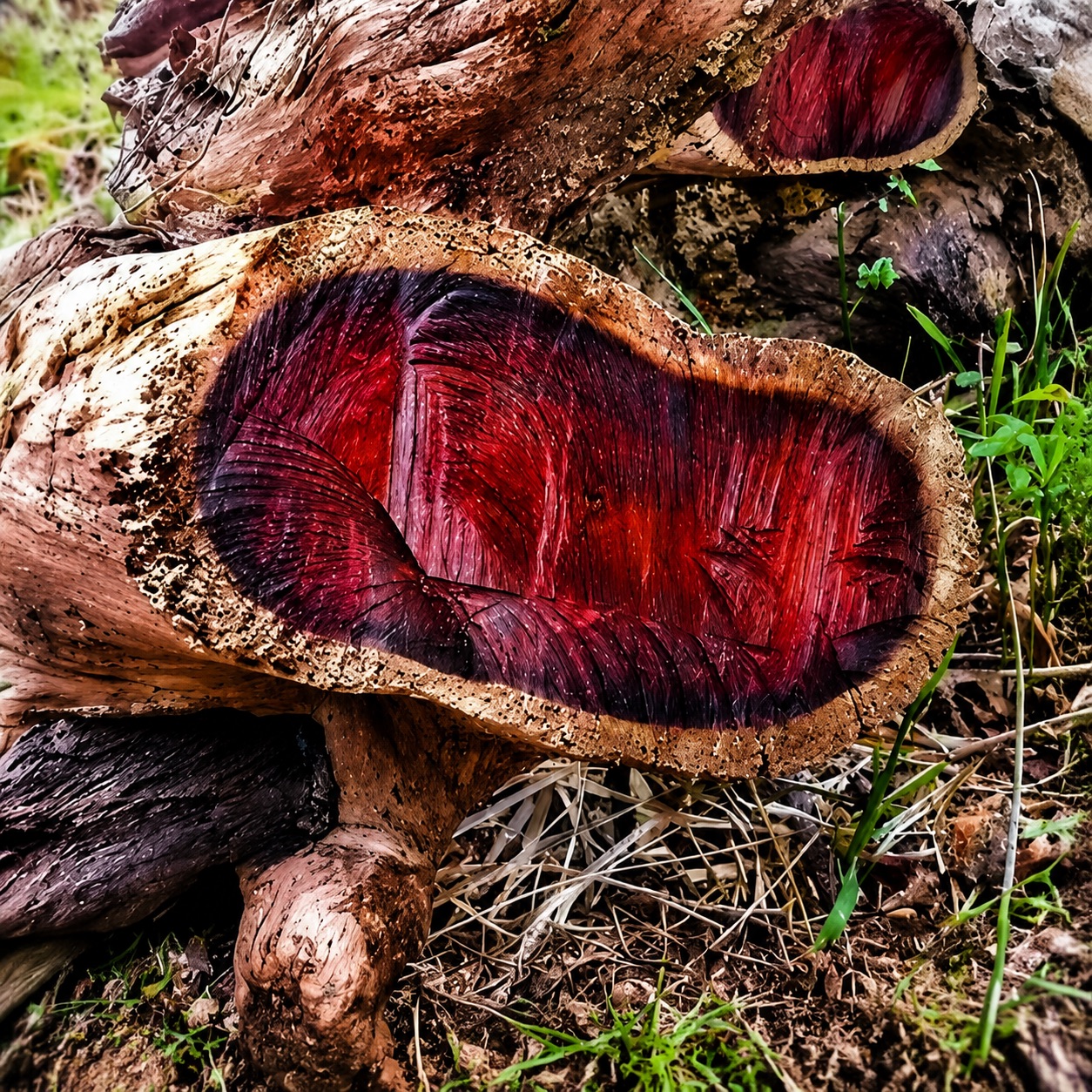
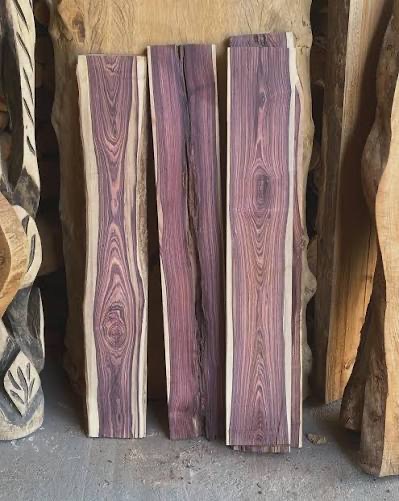
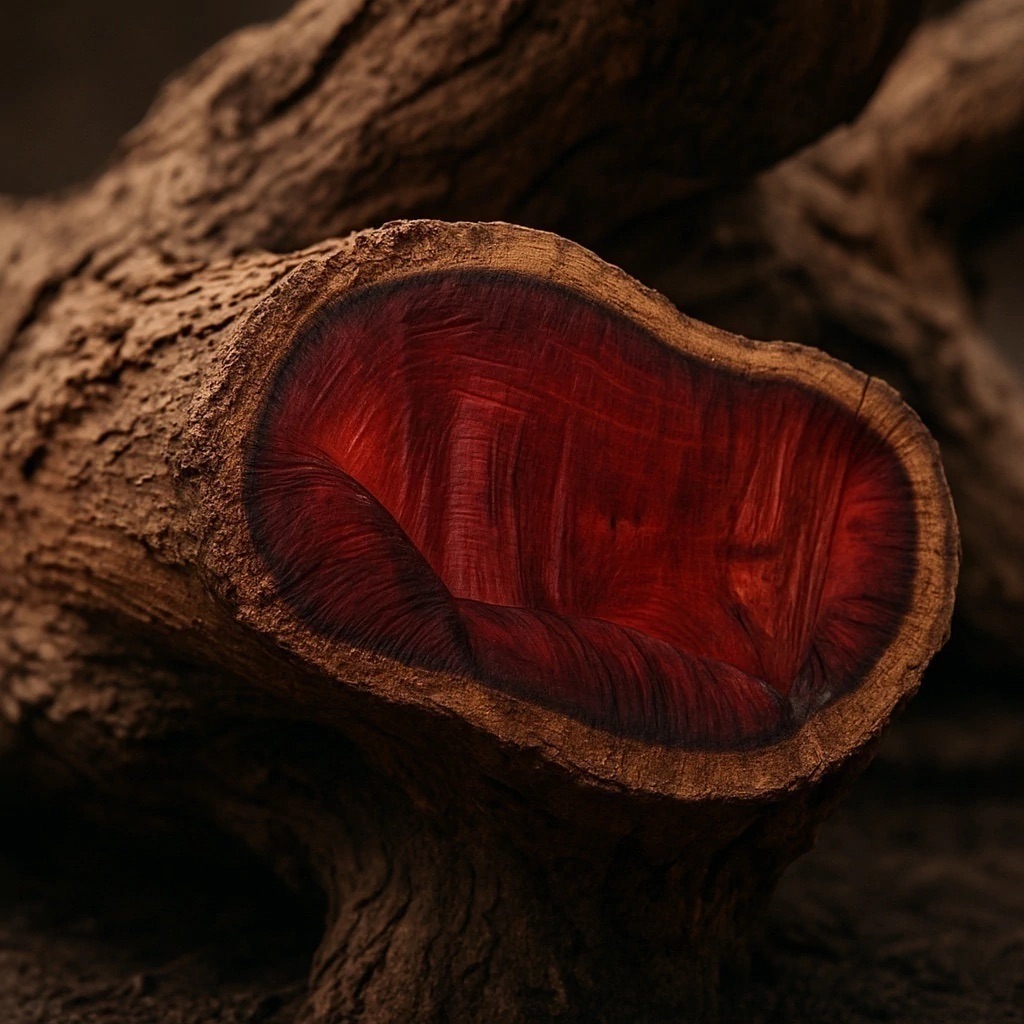
Dalbergia nigra is predominantly found in the humid tropical and subtropical forests of Brazil, particularly in the states of Bahia and Espírito Santo, and is native to the Atlantic Forest region of Brazil. The highly-figured timber has a rich, deep chocolate color with reddish or even purplish overtones, and its distinctive, black-marbled grain pattern—called spider webbing—can give it a striking, almost variegated appearance under certain circumstances. When worked, Brazilian rosewood gives off the unmistakable scent of roses—hence its name. But beyond mere appearance, this tree is a keeper of acoustic secrets.
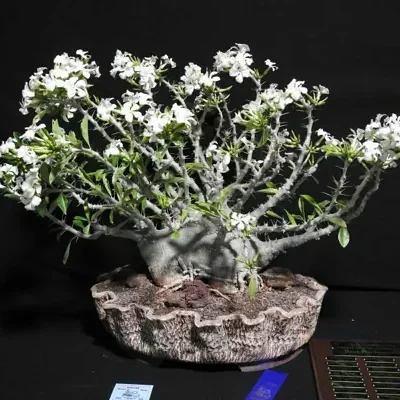
The wood’s outstanding resonance is distinguished by an evenly cut piece that, when tapped, emits a bright metallic ring that sustains, a property which combined with its beauty has made Brazilian rosewood a favorite of musical instrument makers for centuries. It was used in instruments as long ago as the late Renaissance and Baroque eras, when luthiers used it for lute backs and various parts of other stringed musical instruments, and was also used in woodwind instruments such as bassoons, flutes, and recorders. This is not decoration—this is the wood that makes music breathe. Growing Dalbergia nigra from seed gives you something extraordinary: a living connection to that 500-year legacy, and an ethical and artistic way to enjoy its beauty, with cultivated bonsai grown from seeds being a sustainable way to appreciate its natural charm. The Brazilian Rosewood is admired for its rich, dark wood, glossy leaves, and elegant growth habit. As your tree matures, its heartwood will develop that legendary density and character that made it irreplaceable in the world’s finest instruments.
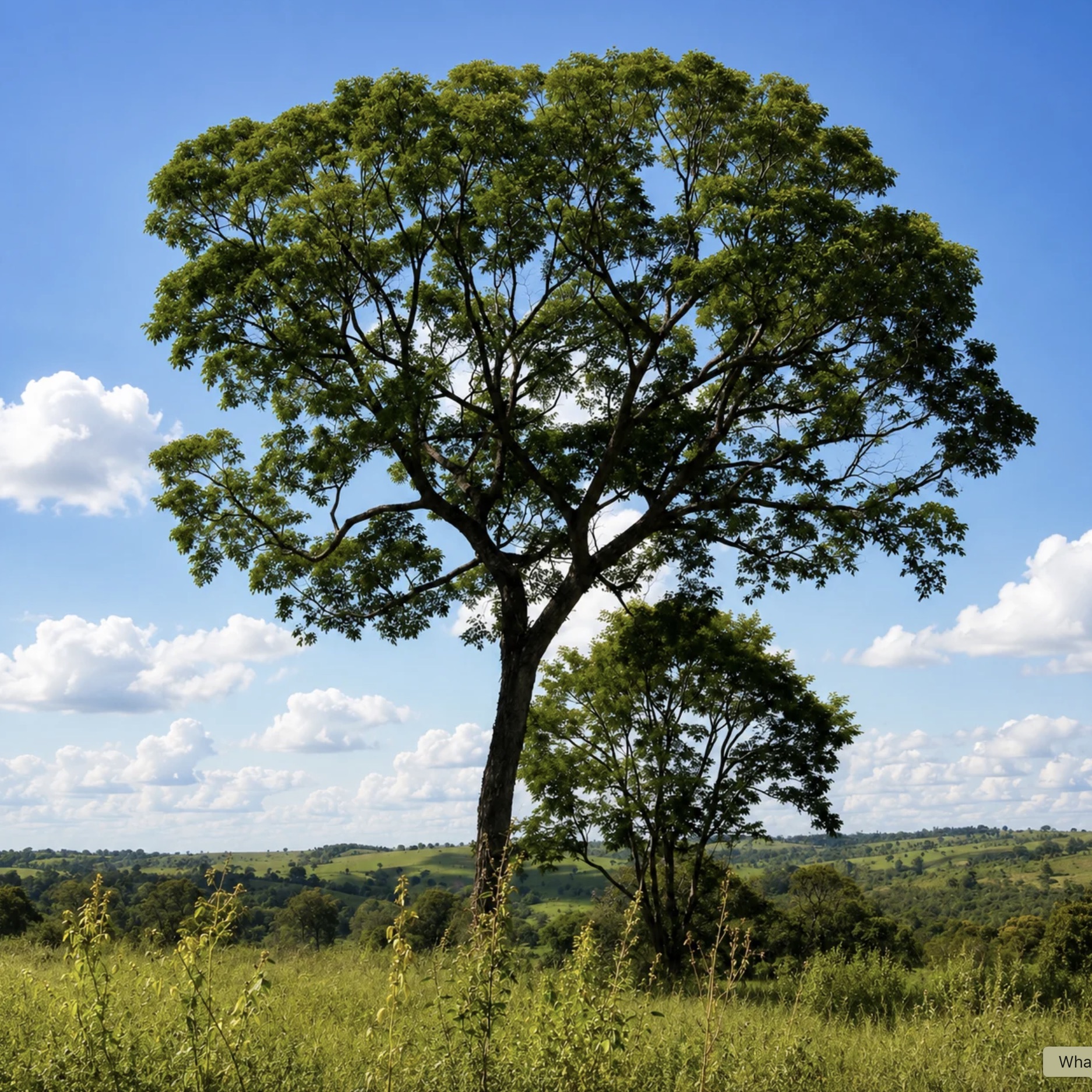
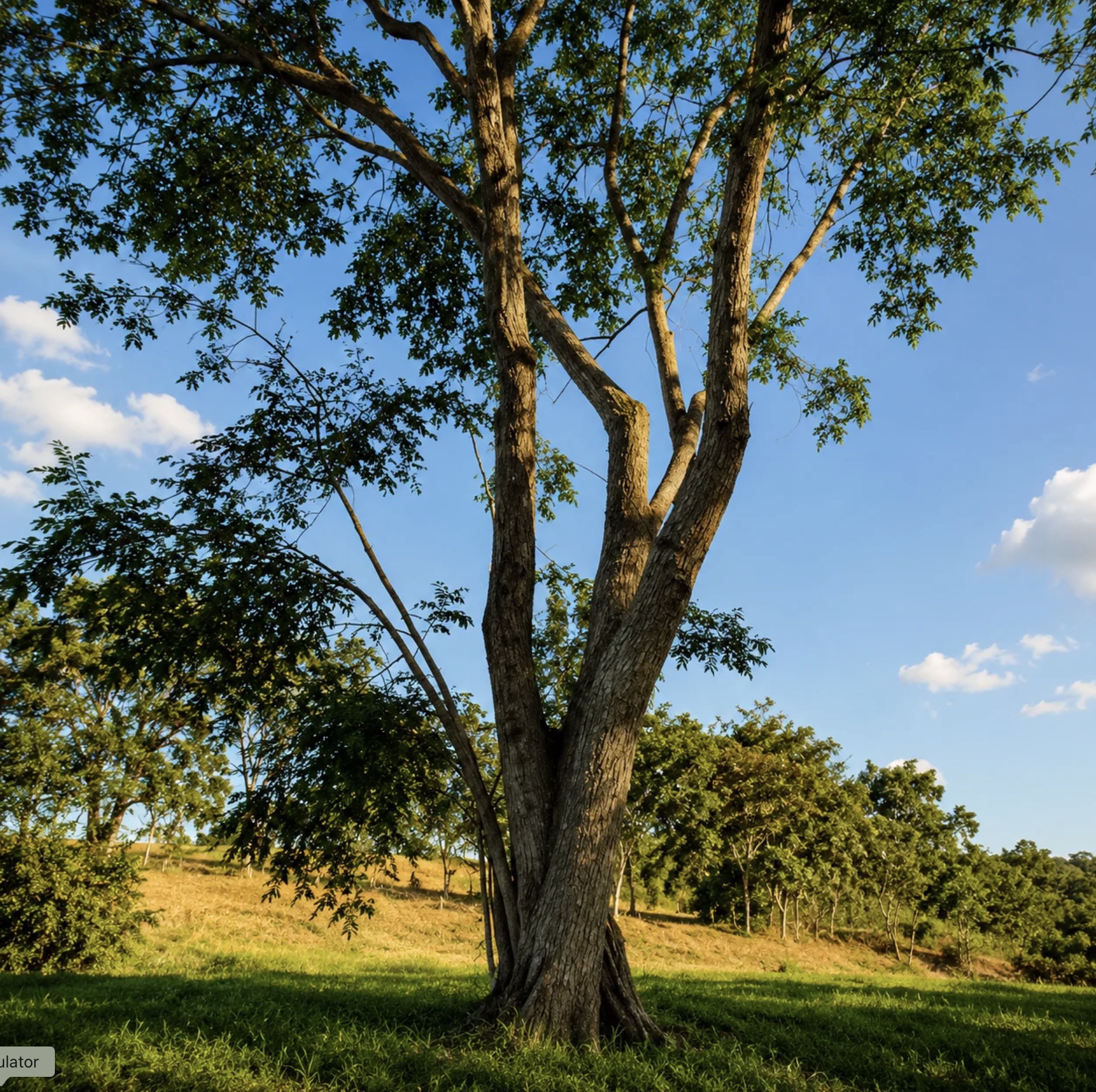
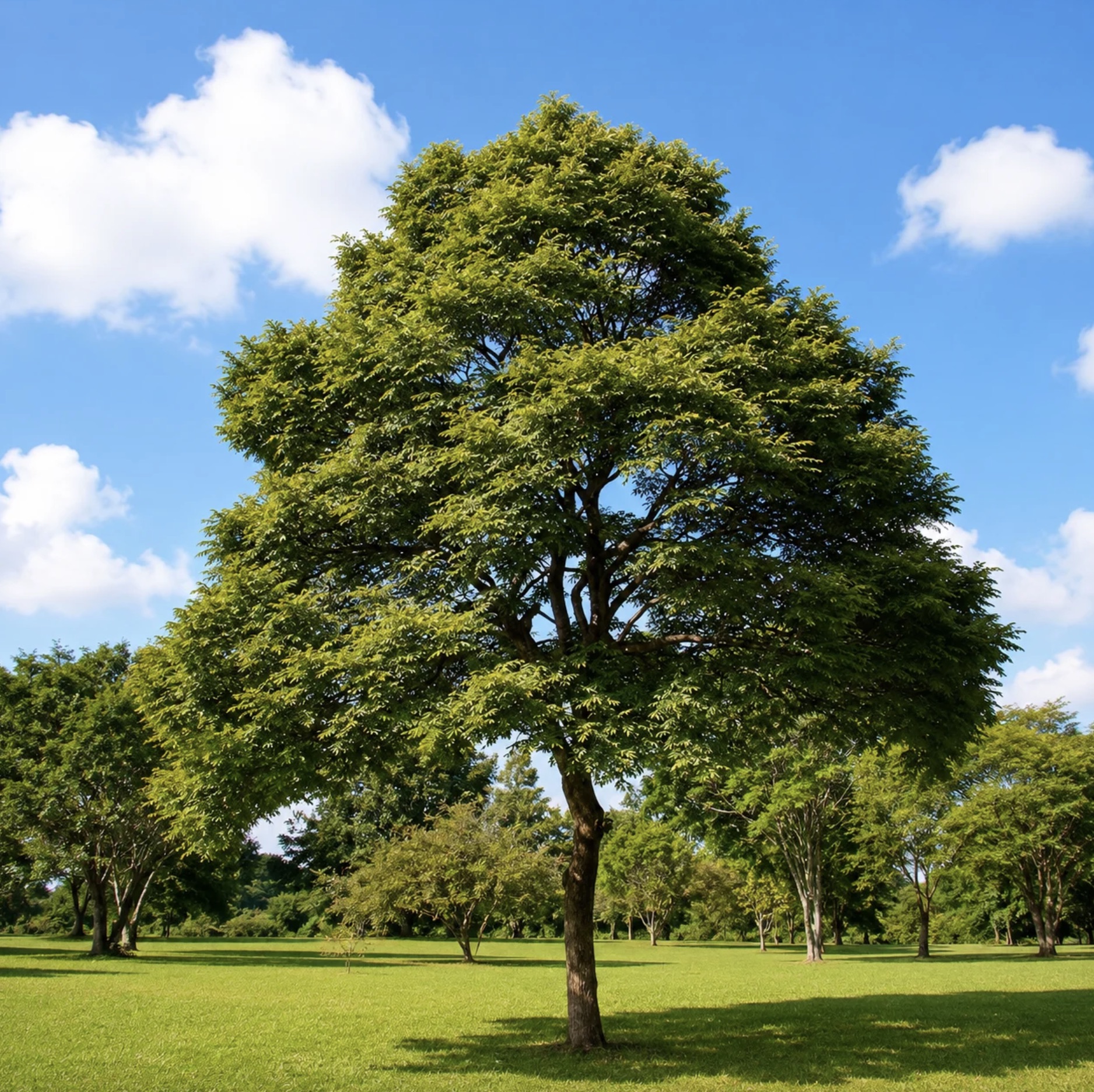
Dalbergia nigra is a deciduous tree growing to 20 m at a medium rate, suitable for light sandy, medium loamy, and heavy clay soils with a preference for well-drained soil and ability to grow in nutritionally poor soil, with suitable pH ranging from mildly acid to basic soils. It cannot grow in shade but prefers dry or moist soil and can tolerate drought. A germination rate in excess of 80% can be expected, with the seeds sprouting within 10-20 days. Start your seeds with a 24-hour warm water soak, plant them in well-draining potting mix, and place them where they receive full sun and warmth—a bright window or grow light is ideal. The tree can fix nitrogen, meaning it builds soil fertility as it grows. Indoors as a bonsai specimen, outdoors in tropical and subtropical gardens, or as a container tree moved to shelter in cooler seasons, Dalbergia nigra adapts beautifully. It is highly resistant to insect attacks. Patient, attentive care rewarded with a tree that becomes stronger, richer, more soulful with each year.
This is more than growing a tree. You are cultivating history. You are nurturing the living wood that has powered the world’s greatest luthiers for five centuries, now in your hands, from seed to something extraordinary. Let it grow. Listen to it sing.
Only logged in customers who have purchased this product may leave a review.
Reviews
There are no reviews yet.