
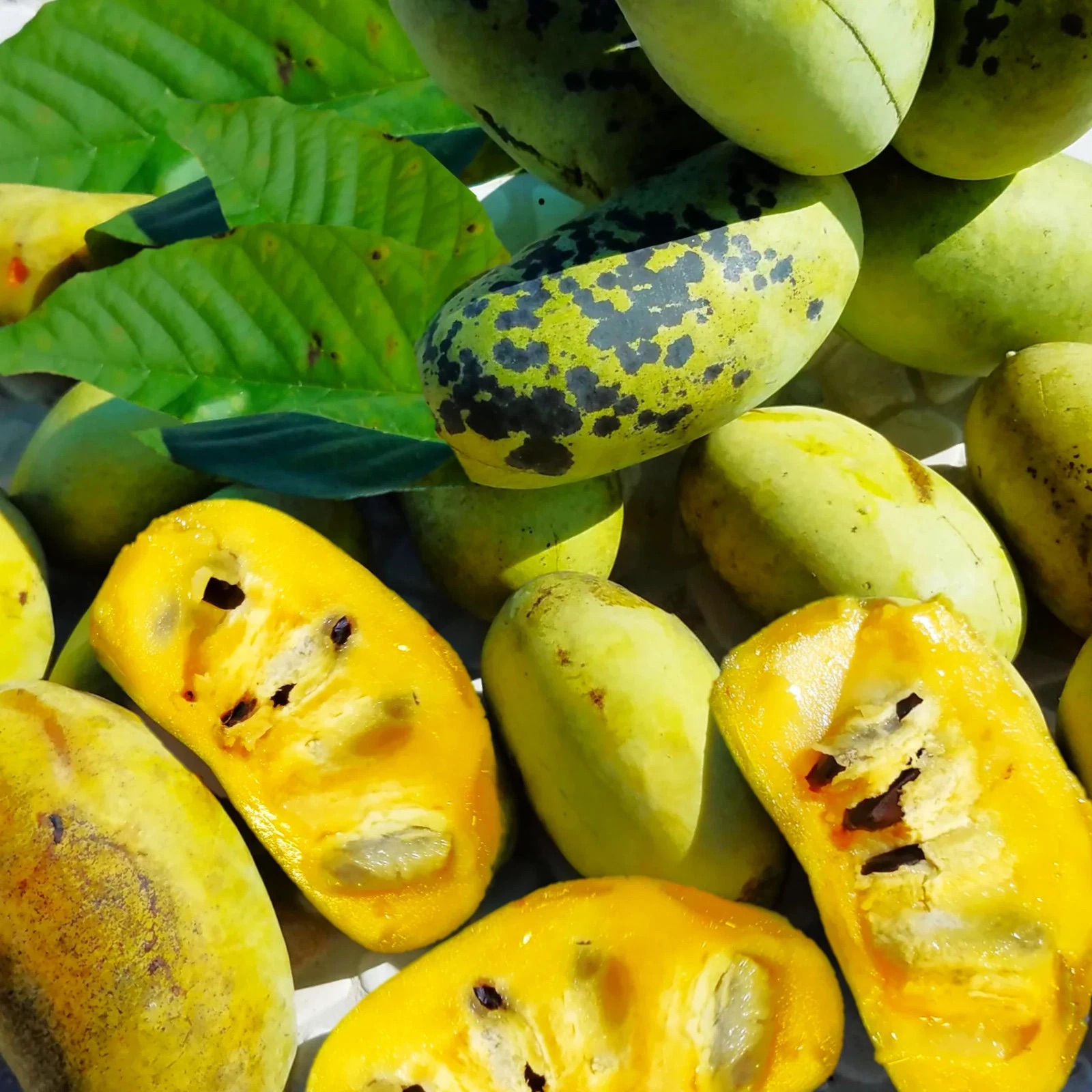
Taste custard, banana, and mango in one unforgettable fruit. Asimina triloba boasts the largest tree-borne fruit native to North America—and ripe fruits are sweet, with a custard-like texture and flavor somewhat similar to banana or pineapple. Rarely available commercially, you’ll grow the fruit foragers and heritage seekers hunt for. Once established, they
€7.98
The pawpaw, native to the United States from the Atlantic coast north to New York state and west to Michigan and Kansas, boasts the largest tree-borne fruit native to North America. If you’ve never tasted one, you’re not alone—this is the fruit that vanished from memory.
The fruit can have a tropical flavour, somewhat reminiscent of bananas and mango, and has a long history of use by Native Americans and early settlers. Pawpaws were first documented in the 1541 report of the Spanish de Soto expedition who encountered Native Americans who were cultivating pawpaws east of the Mississippi River. But much of the wild population was lost during colonial deforestation for agriculture. For centuries, the pawpaw faded into legend. Now, Asimina triloba has seen a surge in popularity in recent years among fruit enthusiasts but is rarely available commercially. Growing one from seed isn’t just gardening—it’s restoration.
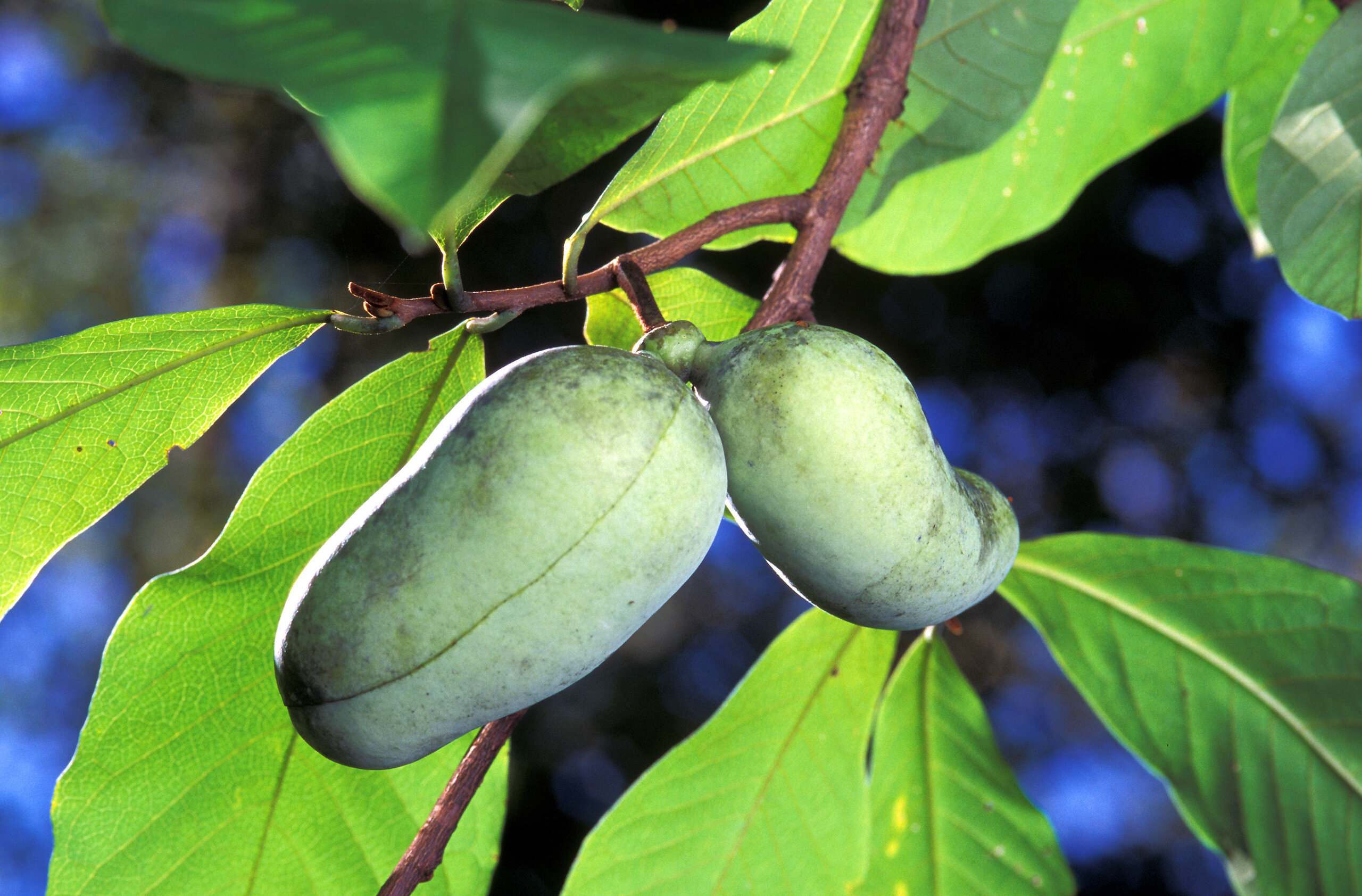
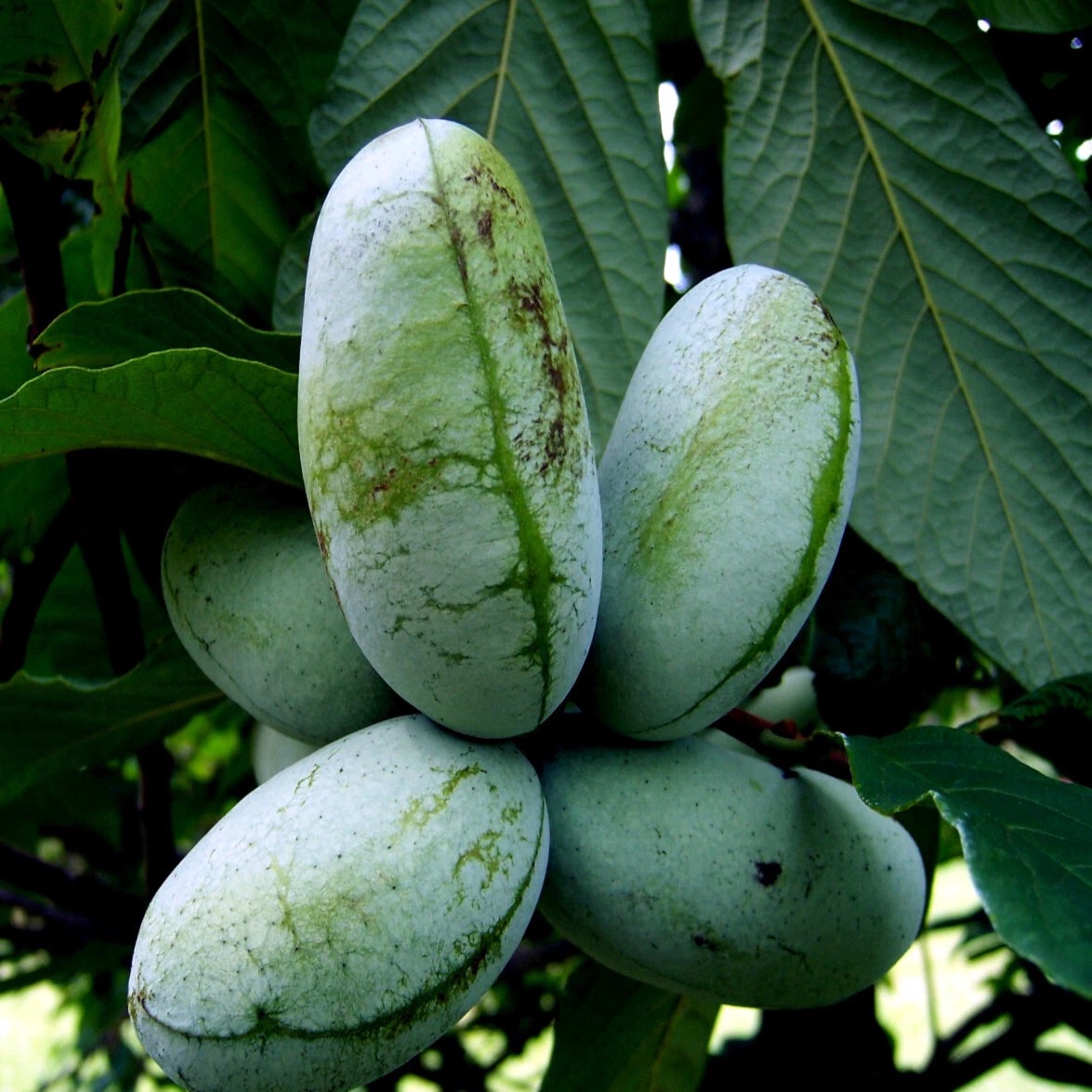
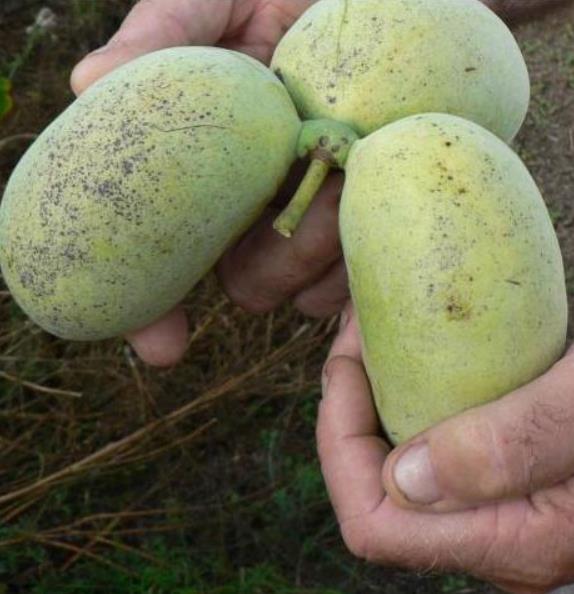
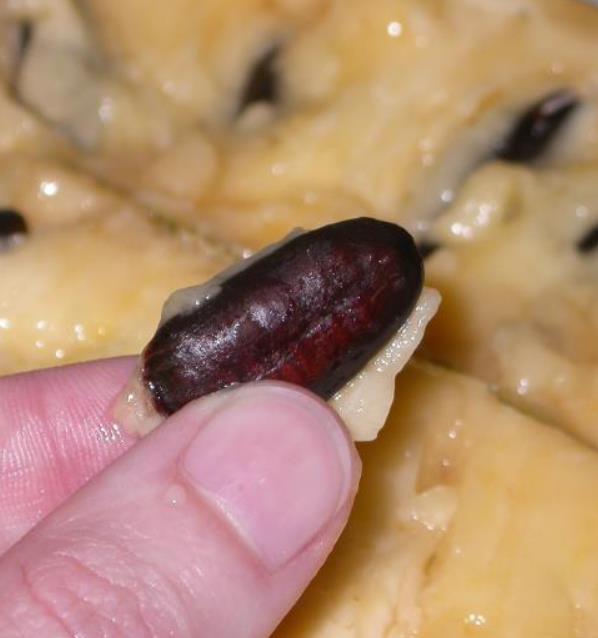
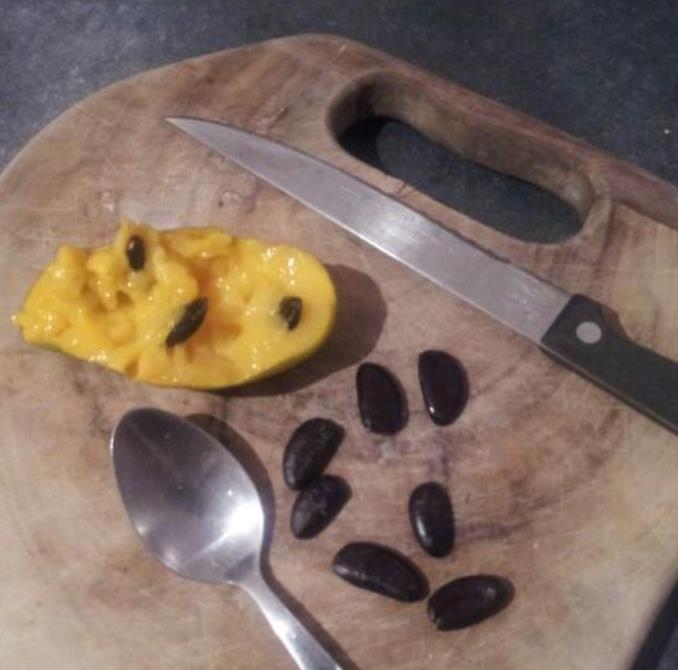
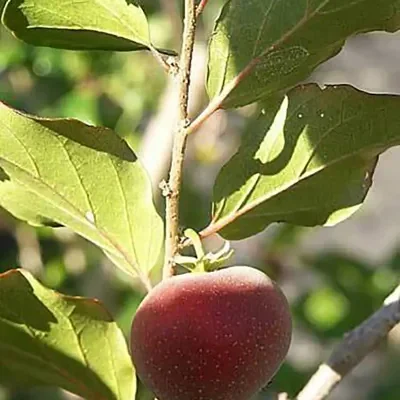
Here’s what will make you fall in love: the fruit itself. The ripe fruits are sweet, with a custard-like texture and a flavor somewhat similar to banana or pineapple. They are commonly eaten raw, but are also used to make ice cream and baked desserts. Picture this: large, yellowish-green to brown berries, 2–6 inches long and 1–3 inches broad, weighing from 0.7–18 oz, containing several brown or black seeds embedded in the soft, edible fruit pulp. The conspicuous fruits begin developing after the plants flower, initially green, maturing by September or October to green, yellowish green, or brown. When mature, the heavy fruits bend the weak branches down. The visual drama alone—golden-fleshed fruit draped from branches—turns heads. But the taste? It’s why people keep coming back. While wild pawpaws average about 3.6 inches in length by 1.4 inches in width, selected cultivars can get to be up to six inches by 3 inches—more pulp, more bliss.
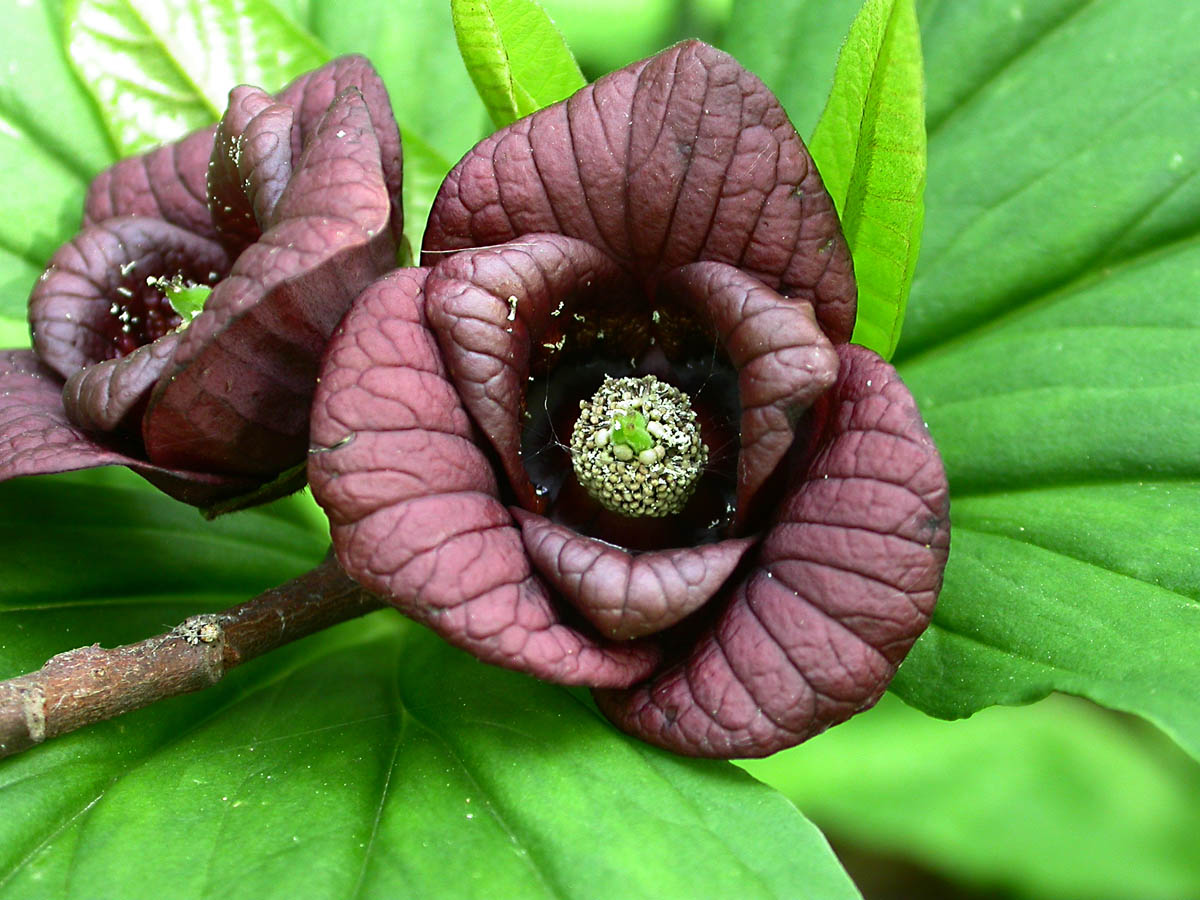
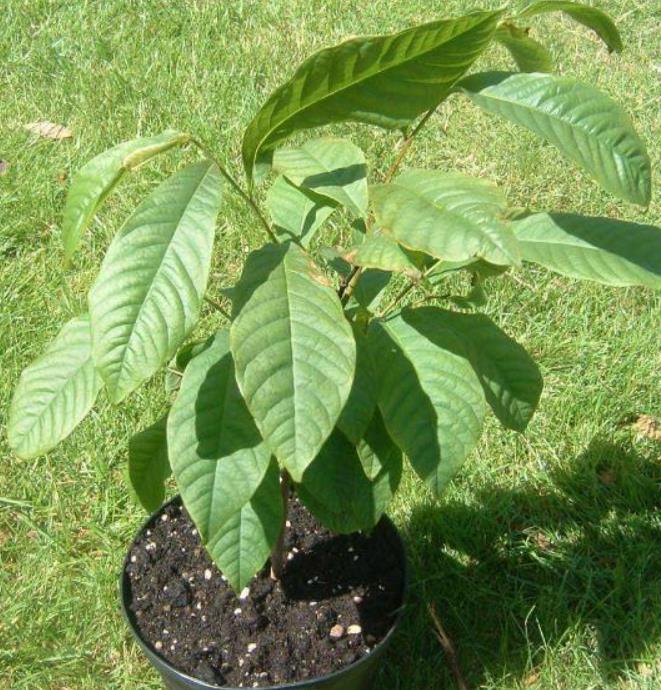
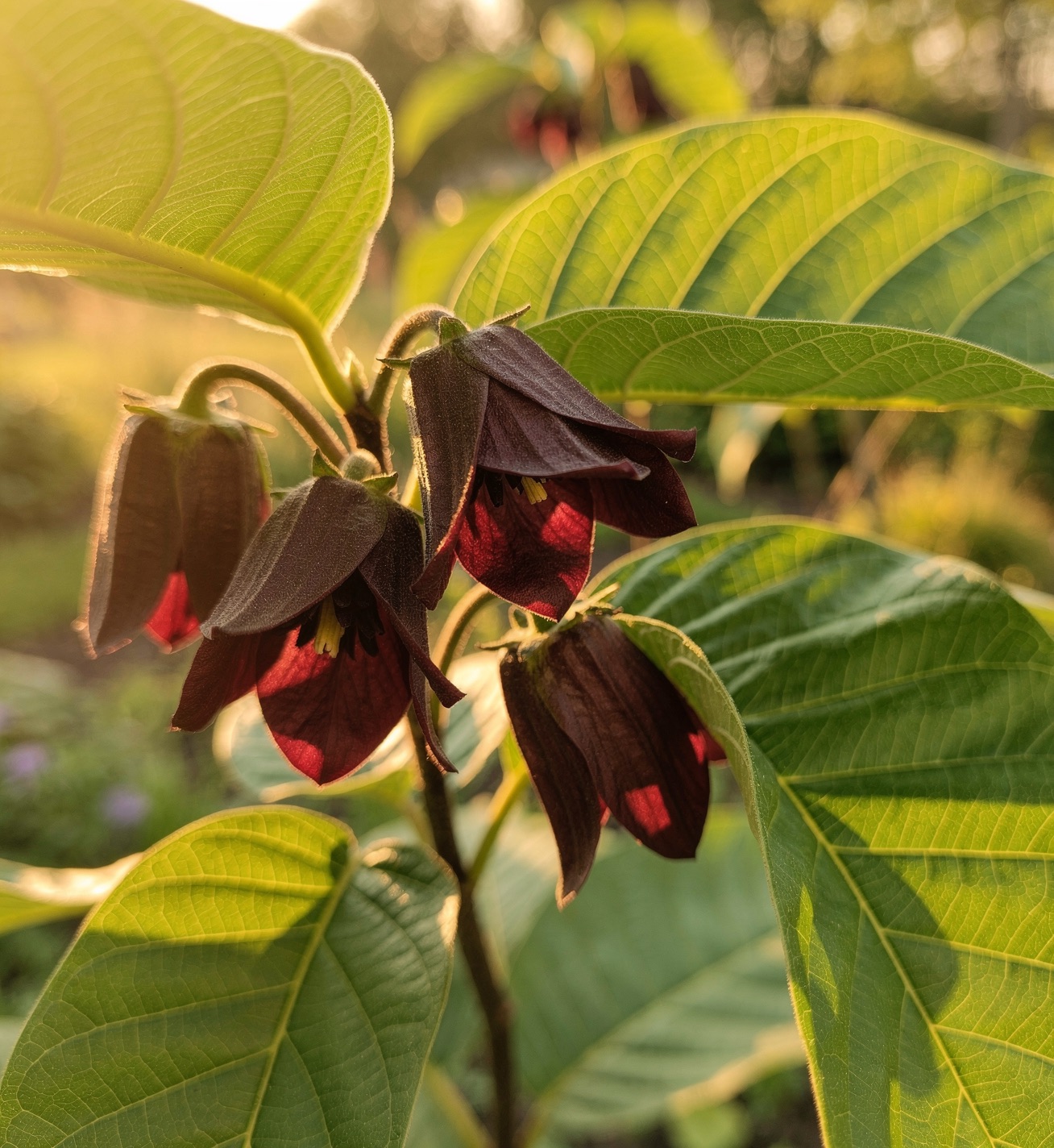
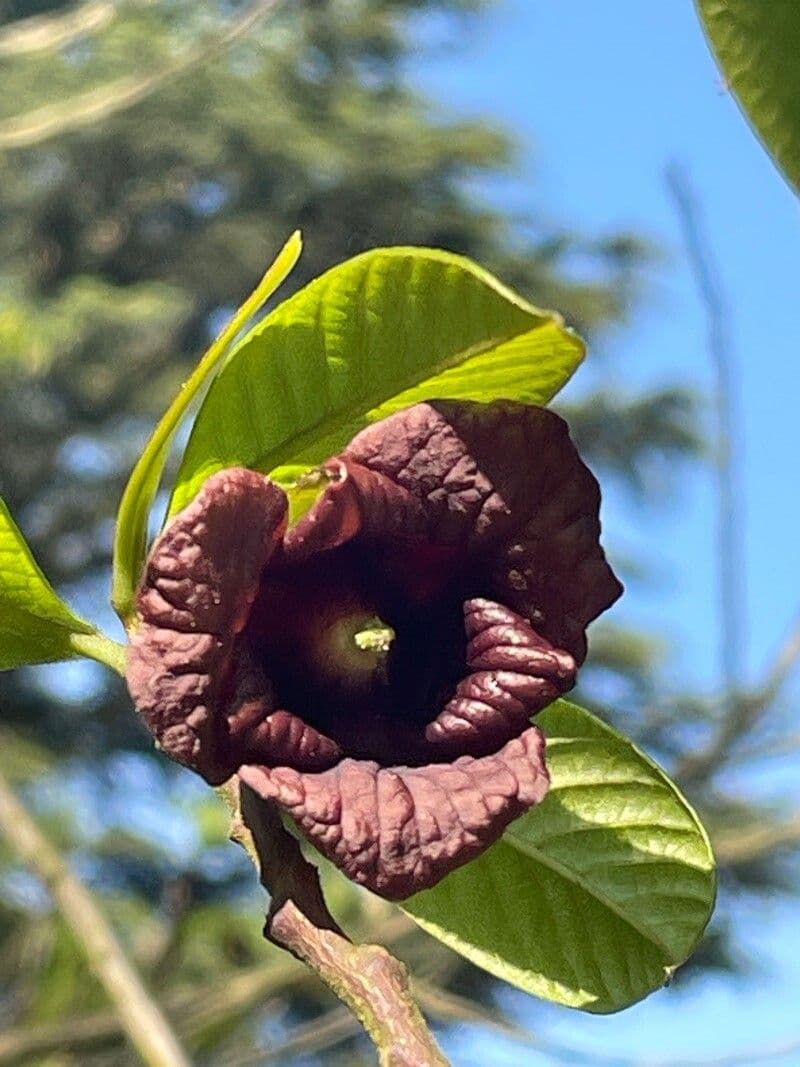
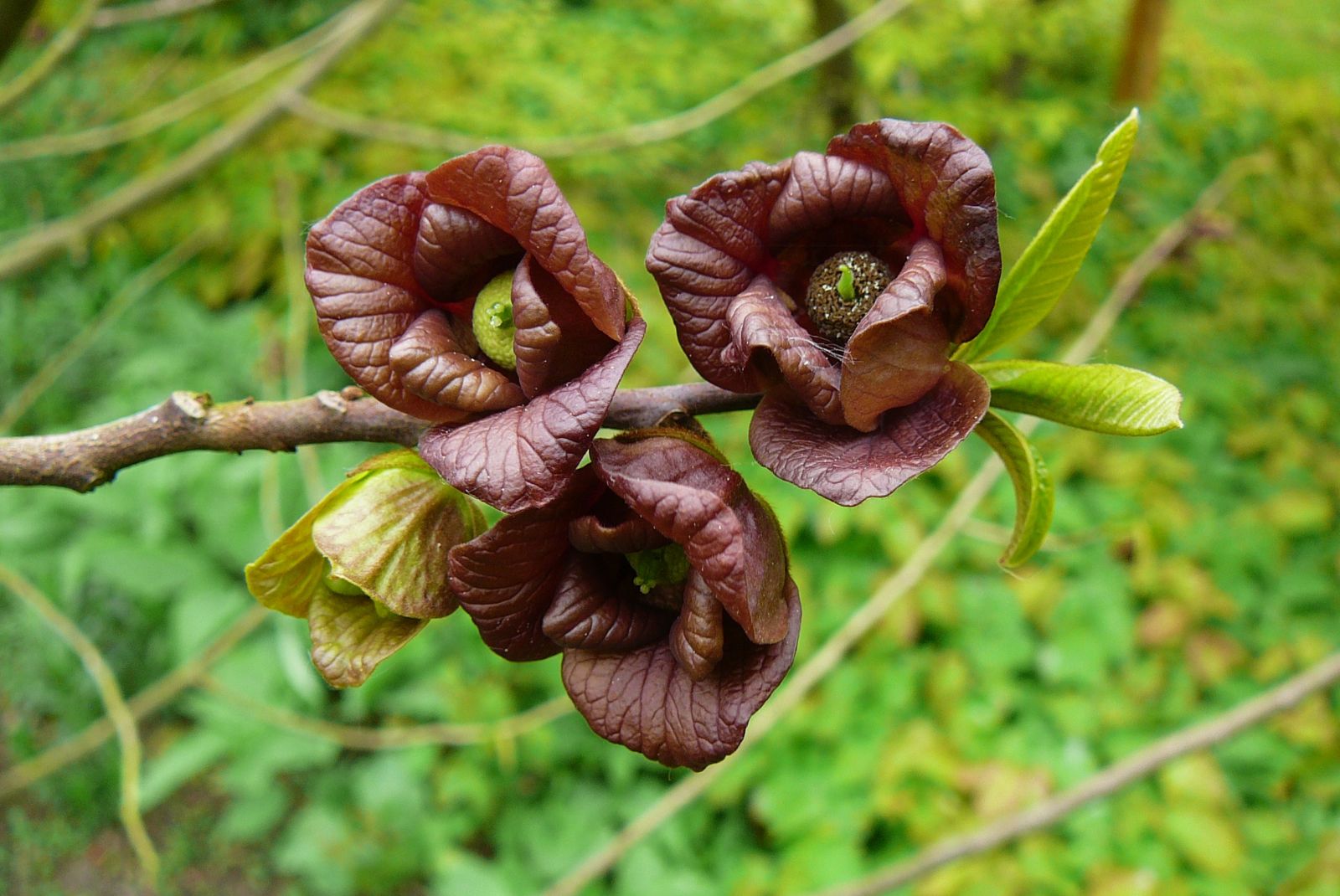
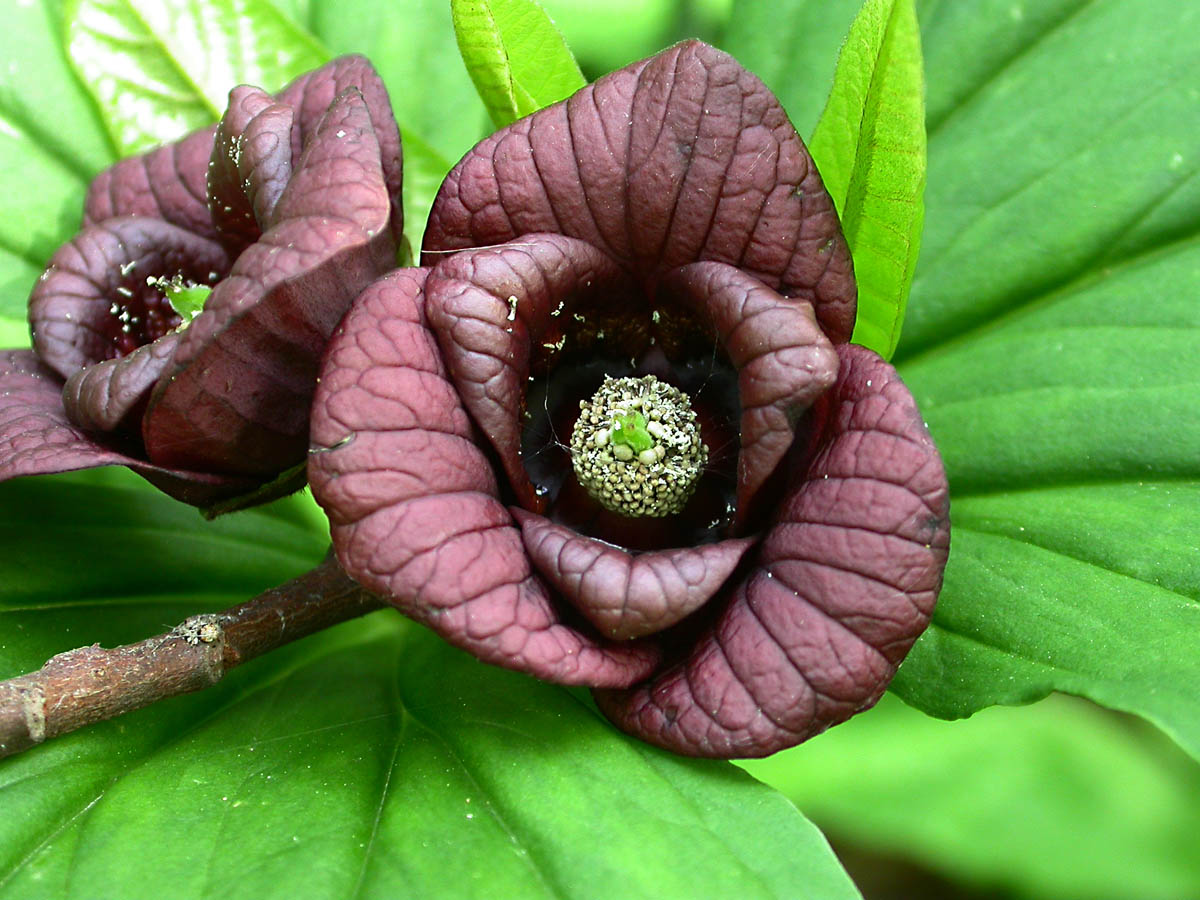
Growing pawpaw is easier than you might think. It prefers moist, rich, slightly acidic soils and tolerates Sun, Part Shade, or Shade. Naturally found growing as an understory tree, plants generally have an open and leggy habit, but will produce a dense and pyramidal form when grown in full sun. It shows good cold tolerance (USDA zones 5-9, minimum -25°C/-13°F), making it suitable for cultivation in temperate climates. Pawpaws are most fruitful in full sun, although they will also grow in dappled sun or partial shade. They like moisture-retentive soils but not permanently wet soil. Once established, they look after themselves with little or no effort from the gardener. The foliage is a bonus: leaves are drooping, 2″-4″ wide and can be up to 1′ long, which gives the plant a tropical-like appearance. Autumn color is usually yellow green but some plants have brilliant, clear yellow autumn foliage. And in spring? Pawpaw flowers are perfect and protogynous, about 1–2 inches across, rich red-purple or maroon when mature, with three sepals and six petals—striking before even one leaf unfolds. One important note: cross-pollination is necessary for fruit production, so it’s best to have more than one tree. But if space limits you, hand pollination can increase yields.
This is not a tree you’ll find on every block. Pawpaws may be difficult to find in nurseries. Growing yours from seed is an act of defiance against erasure, a return to flavor that shaped early America. Plant it, tend it through those first seasons, and in 4–6 years you’ll be biting into a fruit that tastes
Only logged in customers who have purchased this product may leave a review.

Reviews
There are no reviews yet.