
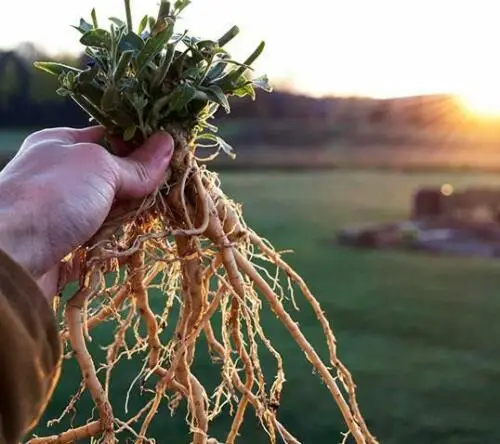
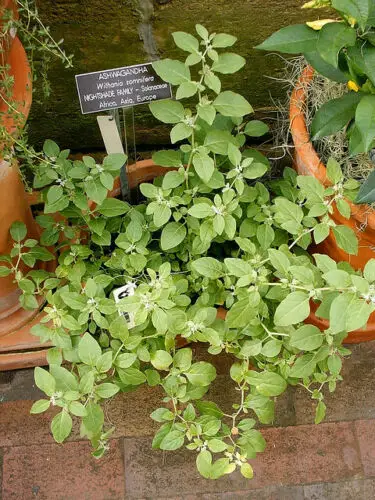




Grow your own living pharmacy. Withania somnifera (ashwagandha) is the legendary adaptogenic herb that herbalists and yogis have trusted for 3,000+ years to ease stress and restore calm. Its roots contain powerful withanolides—nature’s answer to modern anxiety. Easy to grow from seed in pots or garden beds, thriving in sun and dry soil. Harvest your own adaptogenic medicine, fresh and potent.
€1.92
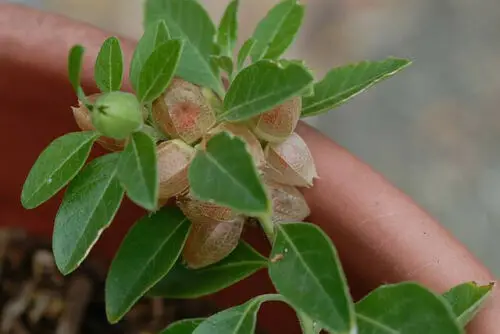
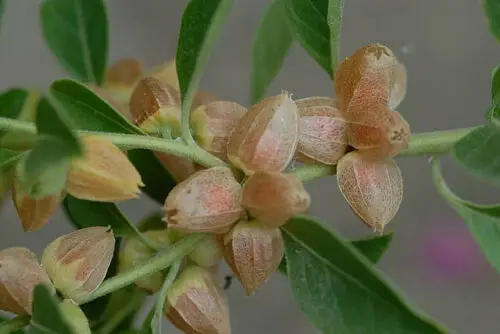
This is the plant that changed your grandmother’s nervous system, and it’s ready to change yours. Withania somnifera—the botanical guardian of stress-weary modern life—carries 3,000 years of Ayurvedic mastery in its elegant, hairy leaves and jeweled orange berries.
Native to the arid regions of India, Nepal, Pakistan, and Bangladesh, ashwagandha has journeyed across continents because it works. The Sanskrit name itself promises exactly what you need: ashwa (horse) + gandha (smell)—a reference to its distinctive root aroma and the strength and vitality it imparts. In a world obsessed with quick fixes, this is the slow, intelligent herb that actually rewires your stress response.
Here’s what makes ashwagandha non-negotiable: it’s a true adaptogen. Unlike stimulants that artificially spike your energy, ashwagandha works upstream, helping your body modulate cortisol—the relentless stress hormone that keeps you wired and worn down. Its roots and leaves contain exclusive compounds called withanolides, alkaloids, and saponins that gently recalibrate your nervous system. Clinical studies confirm it: regular use measurably reduces perceived stress and anxiety, improves sleep quality, sharpens mental clarity, and restores the calm your body has been begging for. It doesn’t mask stress; it teaches your body to metabolize it. For anyone managing the weight of modern anxiety, chronic tension, or the creeping fatigue that follows prolonged stress, ashwagandha is medicine that tastes like self-care.
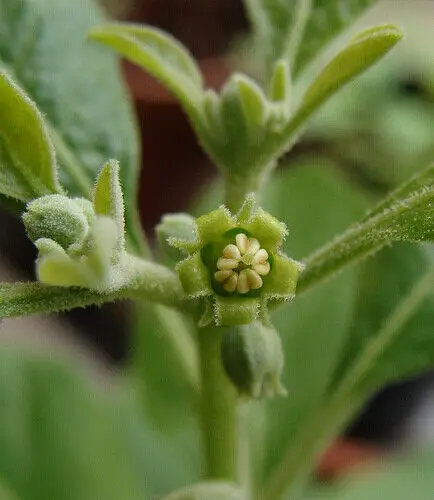
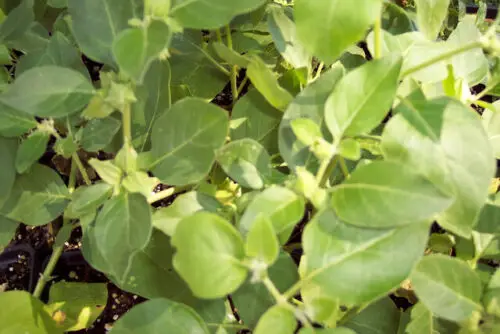
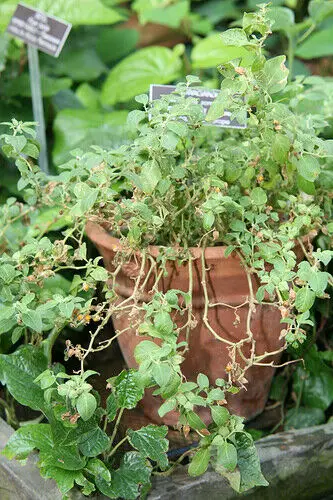
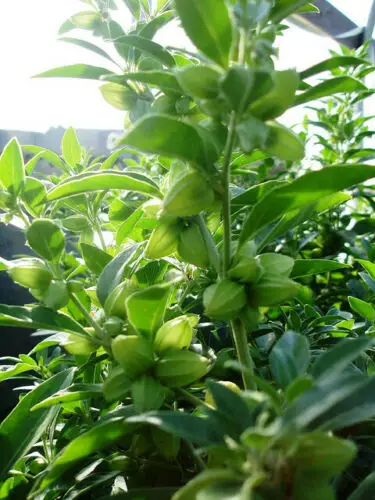
Growing ashwagandha from seed is surprisingly forgiving—it’s eager to partner with you. Seeds germinate in just 2-4 weeks in warm, humid conditions. The plant thrives in full sun to partial shade, loves dry soil (it’s drought-tolerant), and grows beautifully in pots or garden beds. It flowers prolifically in its first year, producing delicate pale yellow-green bell-shaped blooms and ornamental orange-red berries enclosed in papery, lantern-like calyces—the kind of detail that makes you pause and breathe while watering. The entire plant is softly clothed in silver-grey hairs, creating a gentle aesthetic that calms the eye as much as the root calms the mind. Water sparingly (it hates wet feet), plant it where it gets warmth and light, and let this ancient healer become part of your daily ritual. Come autumn, you’ll harvest roots rich in the very withanolides that the world’s most expensive supplements try to replicate.
Grow ashwagandha from seed. Tend it like a friend. Let it teach your nervous system what peace actually feels like.
Only logged in customers who have purchased this product may leave a review.

Reviews
There are no reviews yet.