FREE SHIPPING OVER €30 FREE SHIPPING OVER €30

Vitex negundo — Nirgundi | The Ancient Healer’s Sacred Shrub

Grow the most potent medicinal herb of Asia: Vitex negundo. For millennia, healers have harvested its leaves, flowers, and seeds for their extraordinary anti-inflammatory and pain-relieving powers—now yours to cultivate. Every part works: use fresh leaves as poultices, brew therapeutic teas, infuse oils for joint care. Hardy, aromatic, unforgettably effective. Easy to grow from seed.

1.92

SKU: P-2269 Categories: , , Tags: , ,

You May Also Like

Description

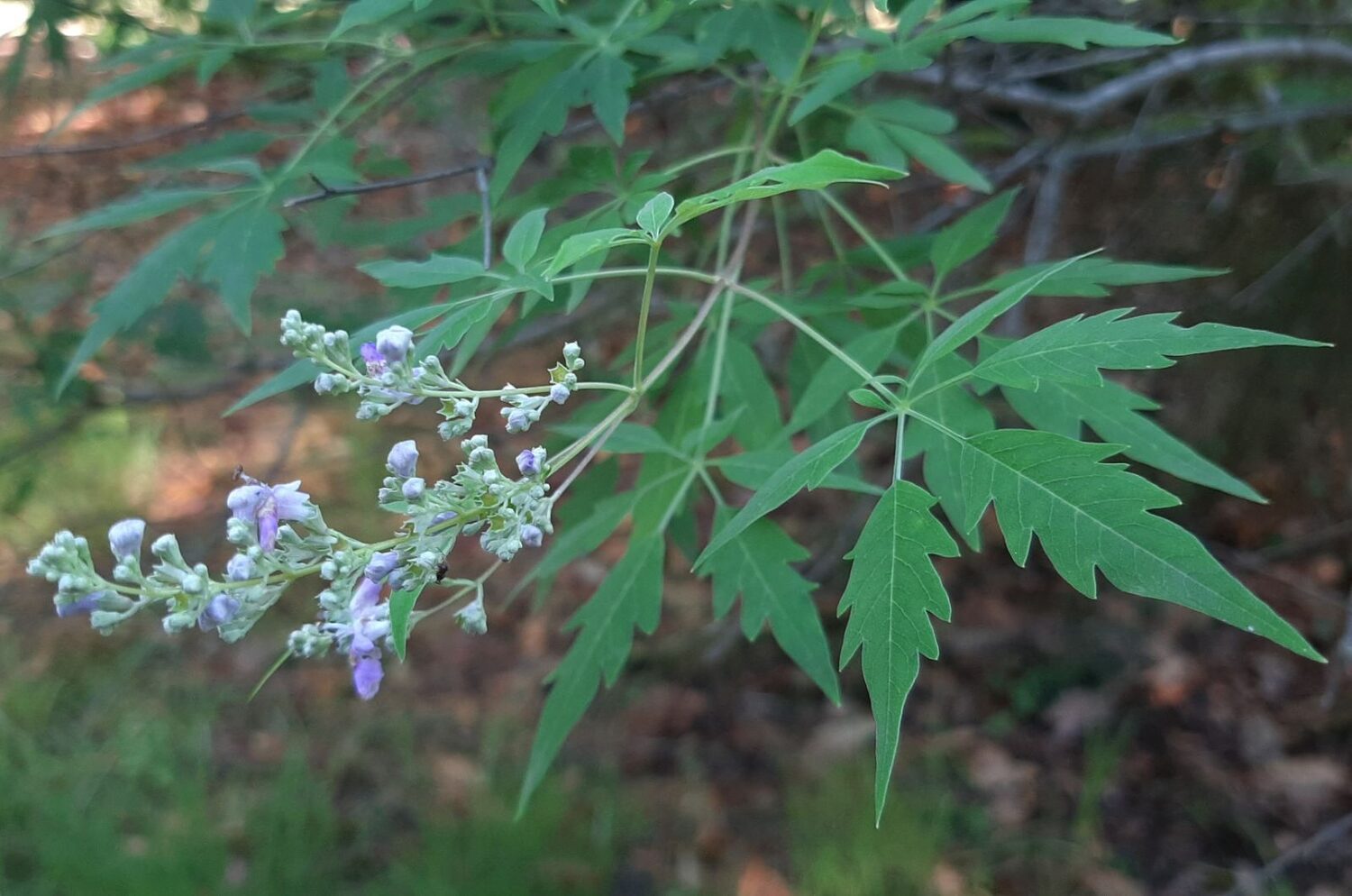
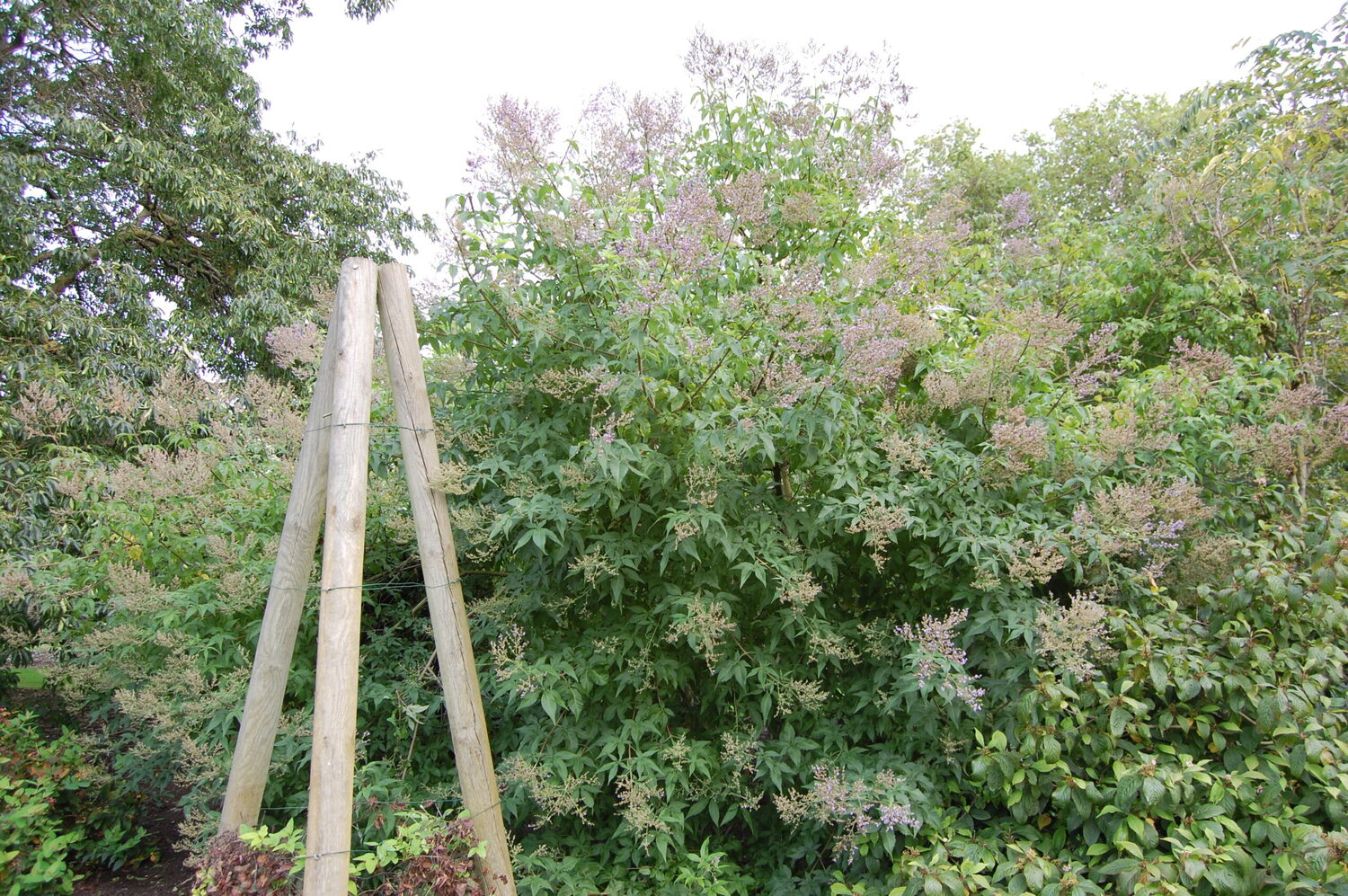
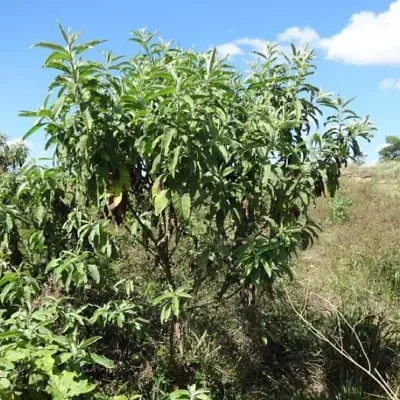
Vitex negundo, commonly known as the Asian chaste tree, five-leaved chaste tree, or nirgundi in Sanskrit and Hindi, is a highly regarded medicinal and ornamental plant native to South and Southeast Asia. Belonging to the mint family (Lamiaceae), this hardy shrub or small tree has a long-standing presence in traditional healing systems such as Ayurveda, Traditional Chinese Medicine (TCM), and Unani.

This is no decorative curiosity—this is medicine you grow yourself, a living pharmacy at your doorstep. Unlike many herbs that specialize in one effect, Vitex negundo stands out with its combination of anti-inflammatory, analgesic and anti-microbial properties all packed within its leaves, flowers and seeds. Vitex negundo is a traditional herb known for its medicinal properties in Unani, Ayurveda, Siddha, Chinese, Roman, and other traditional systems of medicine.

The therapeutic range is staggering. It is widely valued in Ayurveda for relieving joint pain, swelling, and inflammation, making it beneficial in conditions such as arthritis, sciatica, and muscle stiffness. The leaves are most effective due to their medicinal properties among the many conditions it has been used to treat including bronchitis, inflammation, eye disease, toothache, ulcers, fever, asthma, and headaches, digestive issues, sinusitis, analgesia, insecticidal, antibacterial, antipyretic, antihistaminic, and snakebite antidote. Practitioners have used its leaves, roots, seeds, and bark for a variety of ailments, including joint pain, inflammation, respiratory issues, and menstrual disorders. It has also been applied topically as a poultice or infused oil to treat wounds, swellings, and skin conditions. Vitex negundo shows strong analgesic, anti-inflammatory, anticancer, cardiotonic, antihistaminic, anti-asthmatic, anxiolytic, and hepatoprotective activities. Modern science is catching up: it has recently been reported to have cytotoxic properties against various types of cancer cells.

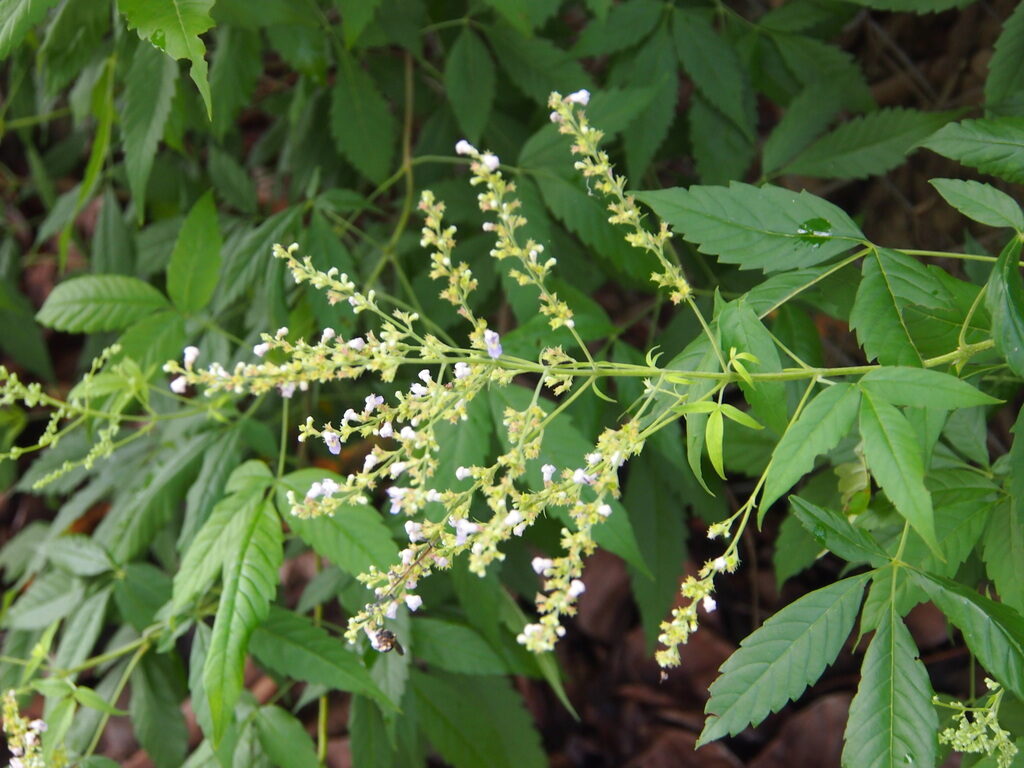
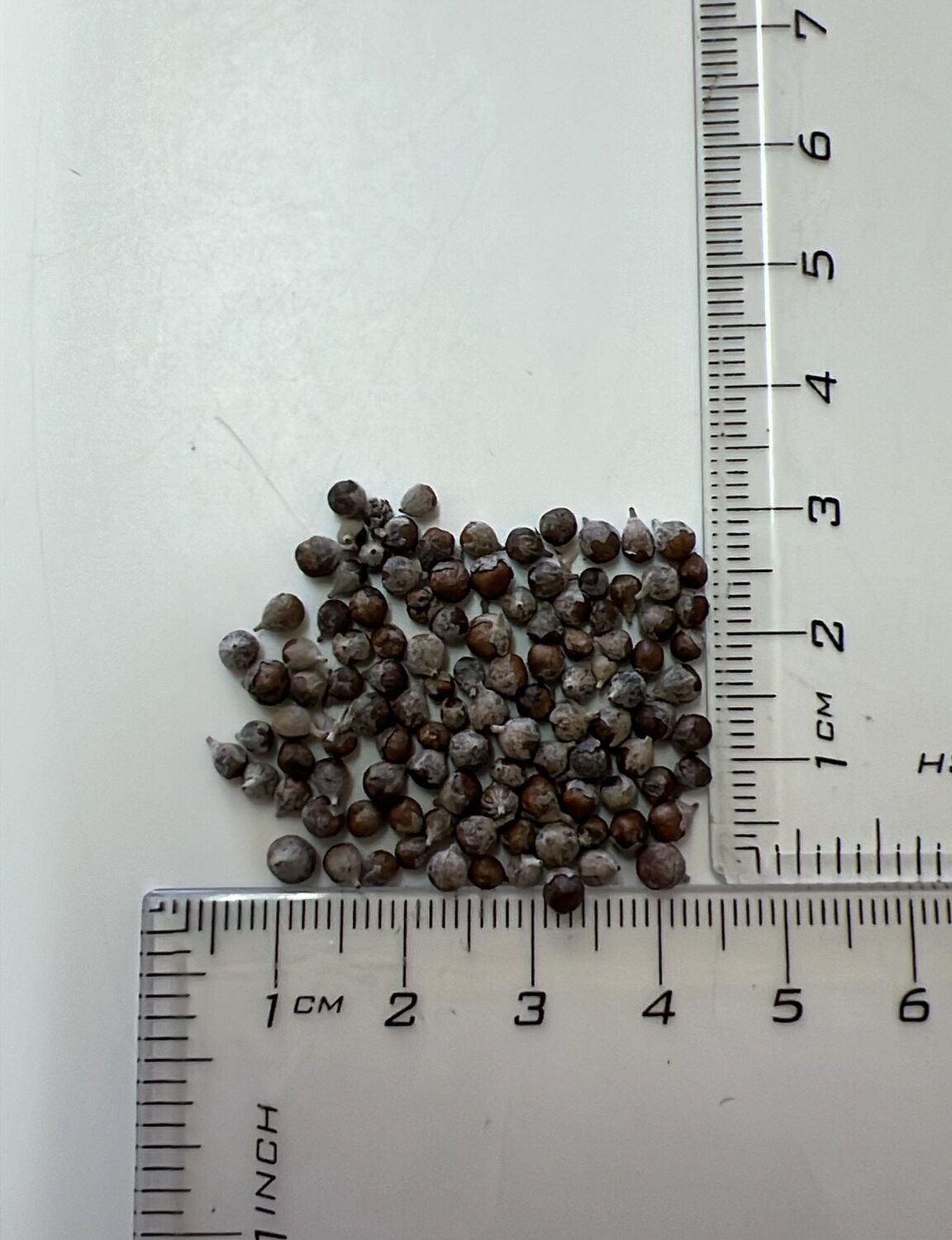
What makes nirgundi genuinely special for the home grower is its reliability and resilience. Vitex negundo is a deciduous shrub or small tree widely distributed across tropical and subtropical regions. It thrives in well-drained soils, often found along riverbanks or rocky slopes. It is suitable for light (sandy) and medium (loamy) soils, prefers well-drained soil and can grow in nutritionally poor soil. Suitable pH: mildly acid, neutral and basic (mildly alkaline) soils. This deciduous plant produces small, bluish-purple, fragrant flowers in large, pyramidal clusters (panicles). These are followed by small, round, black drupes (succulent fruits) when ripe. From spring to early fall, the plant produces elegant spikes of bluish-purple to pale lavender flowers, which rise above the foliage and attract bees, butterflies, and other pollinators.

You’re not just growing a plant—you’re cultivating centuries of healing wisdom. Harvest your own medicine, make infusions and oils, honor the traditions that built this plant’s legendary reputation. In Indian tradition, this medicine is referred to as Sarvaroganivarani which means it is a remedy for all diseases. Begin from seed and watch your own personal healer flourish.

Germination Guide

🌍 Tropical Eastern and Southern Africa, tropical and subtropical Asia including India, China, Southeast Asia, Afghanistan
Moderate

Vitex negundo, commonly known as the five-leaved chaste tree or Chinese chaste tree, is an aromatic deciduous shrub native to tropical and subtropical regions of Asia and Africa. Seeds germinate readily without pre-treatment, typically taking 4-6 weeks. This multipurpose plant is widely used in traditional medicine and as an ornamental, thriving in warm conditions with well-drained soil.

Germination
Germination time
Expect germination in

14 – 42 days

Temperature

Min 21°C
Ideal 24°C
Max 27°C

Light
☁️ Indifferent

Substrate moisture
💧 Medium

Sowing depth
Lightly covered

Press seed
👆 Yes

Germination rate
59 %


Seed Pre-treatment
  • 💧

    Soaking — 24 hours
    Submerge seeds in room temperature water for 24 hours before sowing to improve germination.
  • 🔨

    Hot water scarification
    Optional: Soak seeds in hot water (not boiling) for 24 hours before sowing to improve germination rate. Water soaking alone is sufficient.
  • ❄️


    Cold stratification — 90 days at 4°C
  • 📋

    Additional notes
    No pre-treatment is strictly required. Seeds germinate readily without special treatment.

Substrate & Container
Recommended substrate
Well-draining potting mix or sandy loam with good drainage

Recommended container
Seed trays, pots, or flats with drainage holes


Growing Tips
Sow seeds 1-2mm deep or lightly pressed into moist, well-draining substrate. Maintain warm temperature of 21-27°C (70-80°F) during germination. Keep soil consistently moist but not waterlogged. Germination is usually free and quick. Prick out seedlings into individual pots when large enough to handle. Optional 24-hour water soak improves germination rates. Light is indifferent but seedlings benefit from indirect light after germination.

Reviews

There are no reviews yet.

Only logged in customers who have purchased this product may leave a review.

Related Products