Dactylicapnos scandens — Golden Tears | Himalayan medicinal vine with cascading yellow hearts

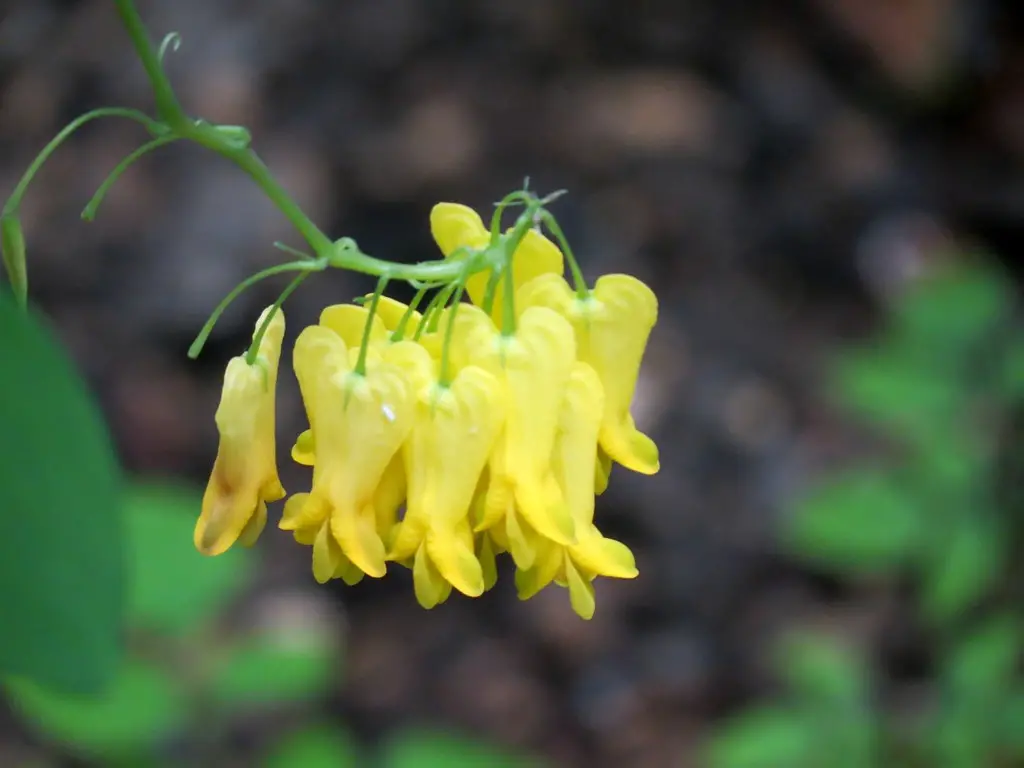
A thousand golden tears cascading from delicate tendrils—this is the Himalayan remedy vine that heals AND enchants. Rare, fast-growing, blooming nonstop from summer to frost, Dactylicapnos scandens produces bright yellow heart-shaped flowers that appear impossibly graceful yet vigorous. Traditionally used to treat high blood pressure, asthma, and promote blood health, its tuberous roots contain powerful alkaloids. Easy to grow from seed; prefers cool, mois

1.92

SKU: P-2263 Category: Tags: , ,

You May Also Like

Description

Imagine a vine so delicate it seems to whisper, yet strong enough to cover a fence in golden tears—this is Dactylicapnos scandens, one of gardening’s best-kept secrets.

Native to the Himalayas, Nepal, and Southeast Asia, this remarkable climbing perennial was long considered a horticultural oddity: a yellow-flowered bleeding heart that actually *vines*. Gardeners in cold Montana speak of it thriving in zones where it “shouldn’t,” rewarding neglect with masses of ethereal blooms. It’s the plant everyone wants cuttings of, the one that makes neighbors stop and ask, “What *is* that?”

But Dactylicapnos scandens is far more than ornamental magic—it is medicine. For generations, Himalayan and Southeast Asian healers have prized this plant’s tuberous roots. Traditional practitioners use its extract to treat high blood pressure, asthma, and excessive bleeding; modern research now confirms its potential for managing Type 2 diabetes through hepatic gluconeogenesis regulation. The roots contain powerful alkaloids—protopine, isocorydine, magnoflorine—compounds that modern science is only beginning to understand. This is a plant you grow not just for your garden, but potentially for your family’s wellness cabinet.

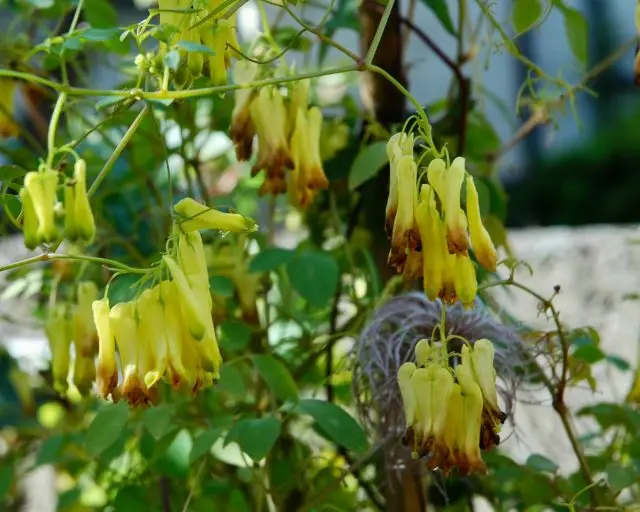
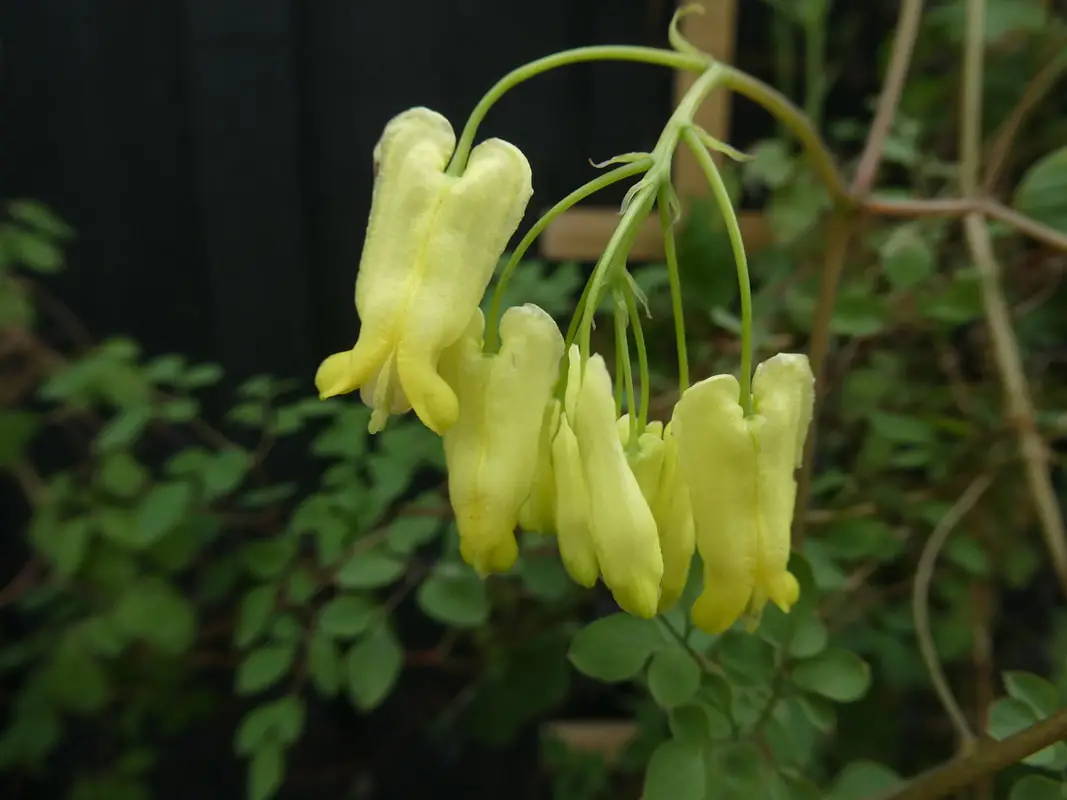
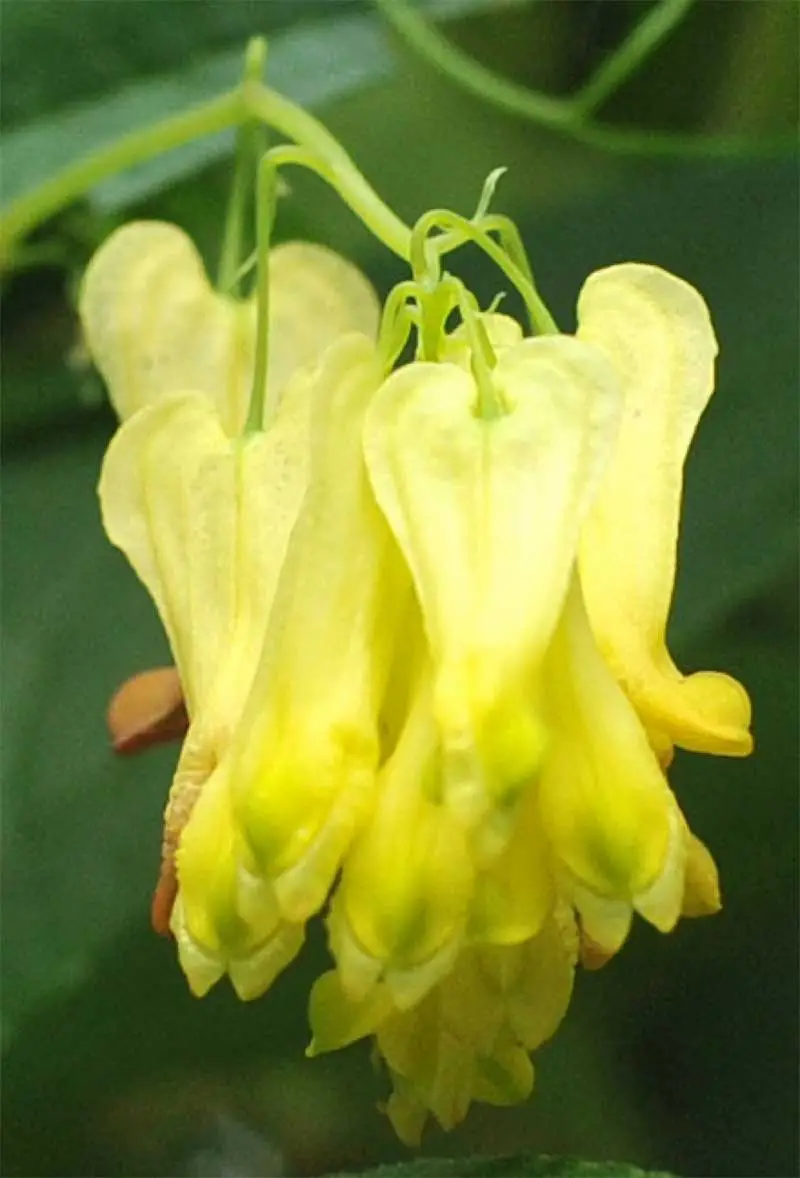
Here’s the magic of cultivation: despite its delicate, fern-like foliage and impossibly graceful heart-shaped flowers, this vine is a true workhorse. It grows rapidly, blooming continuously from mid-summer through the first frost with cascades of canary-yellow, dangling hearts that hummingbirds cannot resist. It reaches 10-12 feet and climbs via tender tendrils, perfect for arbors, fences, and trellises. The beauty? It thrives in medium conditions—rich, moist, well-drained soil with partial shade to light shade. It actually *prefers* cool soils with roots shaded while foliage climbs toward sun. Not fussy. Not demanding. Not invasive. Simply reliable. Many gardeners report it bouncing back vigorously from frost damage, reappearing year after year.

Grow it from seed and you’ll witness transformation firsthand. Soak seeds 12-24 hours to enhance germination, sow in warm, moist potting mix at 70-75°F, and within 2-4 weeks you’ll see green emerge. By midsummer, your seedlings will produce their first golden clusters. Within seasons, you’ll have a medicinal vine that addresses centuries-old wellness traditions while painting your garden with living gold. This is a plant worth starting from seed—a rarity you’ll have grown yourself, understanding every stage of its journey from Himalayan soil to your hands.

Germination Guide

🌍 Nepal, Southeast China (Yunnan, Guangxi), Myanmar, Thailand, Vietnam, Himalayas
Moderate

Dactylicapnos scandens is a frost-tender climbing perennial vine from Asia with distinctive yellow heart-shaped flowers and delicate fern-like foliage. Propagation by seed requires patience and proper stratification.

Germination
Germination time
Expect germination in

14 – 70 days

Temperature

Min 15°C
Ideal 21°C
Max 24°C
🌡️ Temperature alternation recommended
— Warm-cool-warm cycles beneficial; cold stratification followed by warm conditions optimal

Light
☁️ Indifferent

Substrate moisture
💧💧 High

Sowing depth
Lightly covered

Germination rate
50 %


Seed Pre-treatment
  • 💧

    Soaking — 18 hours
    Soak 12-24 hours in water to enhance water absorption and improve germination rates
  • ❄️


    Cold stratification — 56 days at 4°C
  • 📋

    Additional notes
    Seeds soaked in gibberellic acid recorded earliest germination; cold stratification through winter or in cold frame improves results

Substrate & Container
Recommended substrate
well-draining potting mix, vermiculite, or grit; humus-rich soil

Recommended container
seed tray, cold frame, or plastic bags for humidity control


Growing Tips
Fresh seeds benefit from immediate sowing followed by winter stratification. Long germination times (10-18 weeks possible). Can benefit from gibberellic acid treatment for faster germination. Multiple sources recommend cold frame stratification through winter. Seeds may germinate in spring following winter dormancy.

Reviews

There are no reviews yet.

Only logged in customers who have purchased this product may leave a review.

Related Products