Description
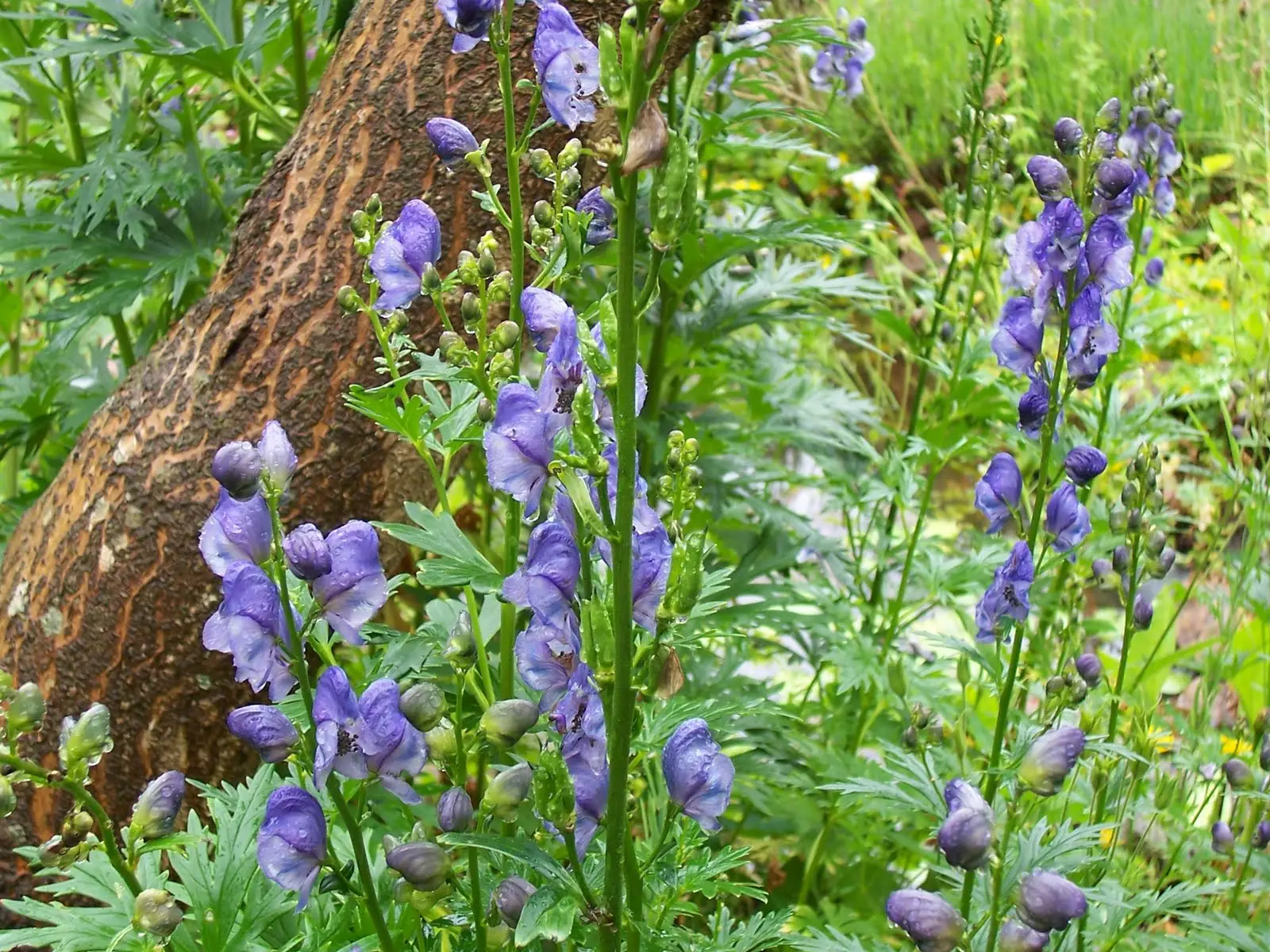
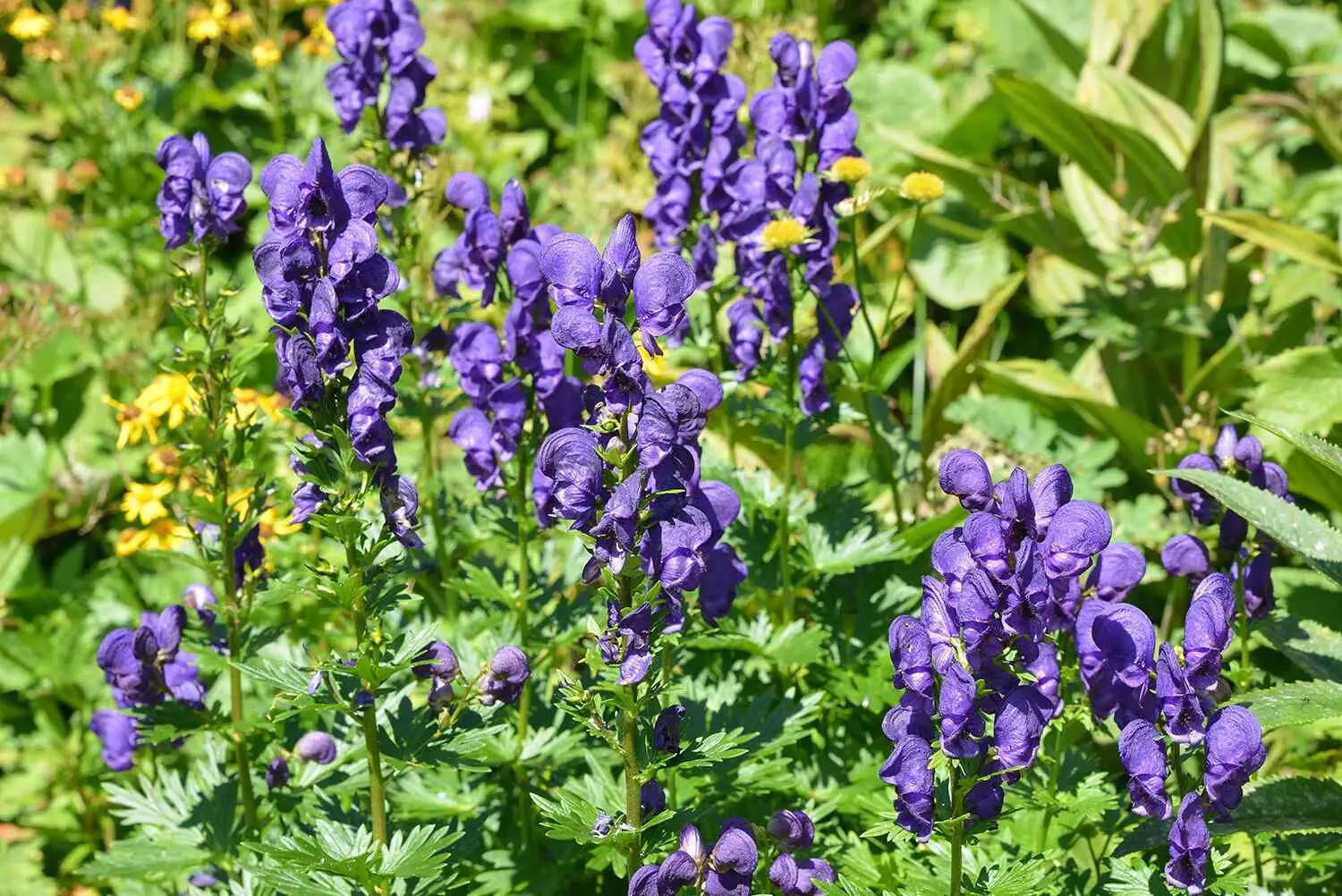
Aconitum heterophyllum, commonly known as Indian Atees or Ativisha, is a herbaceous perennial plant native to the high-altitude alpine and sub-alpine regions of the Himalayas. The plant has an erect stem and produces variable leaves, from ovate to deeply lobed, which is reflected in its species name “heterophyllum” (meaning “different leaves”).
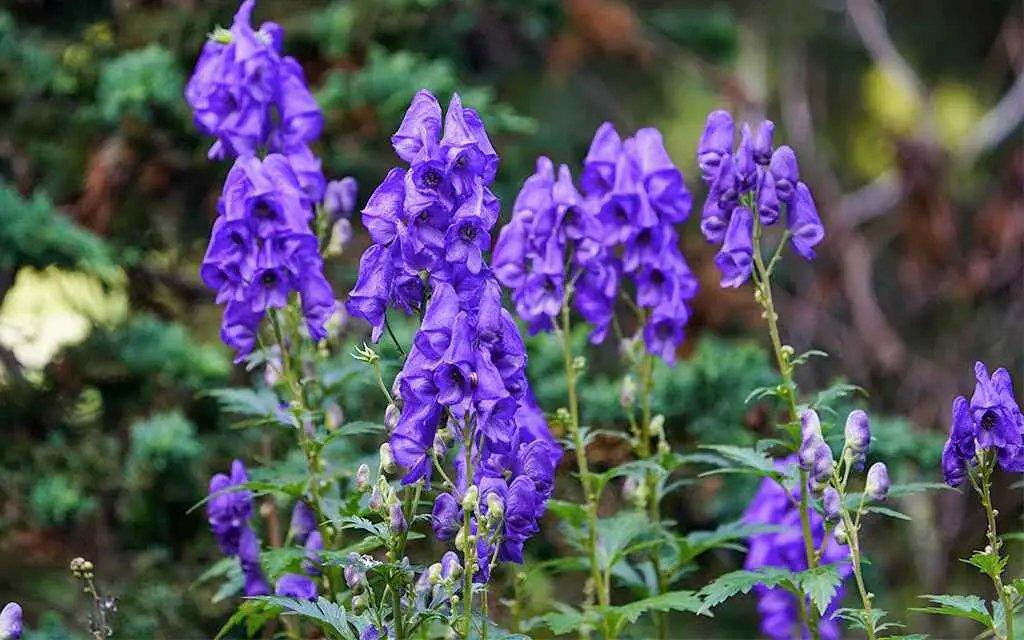
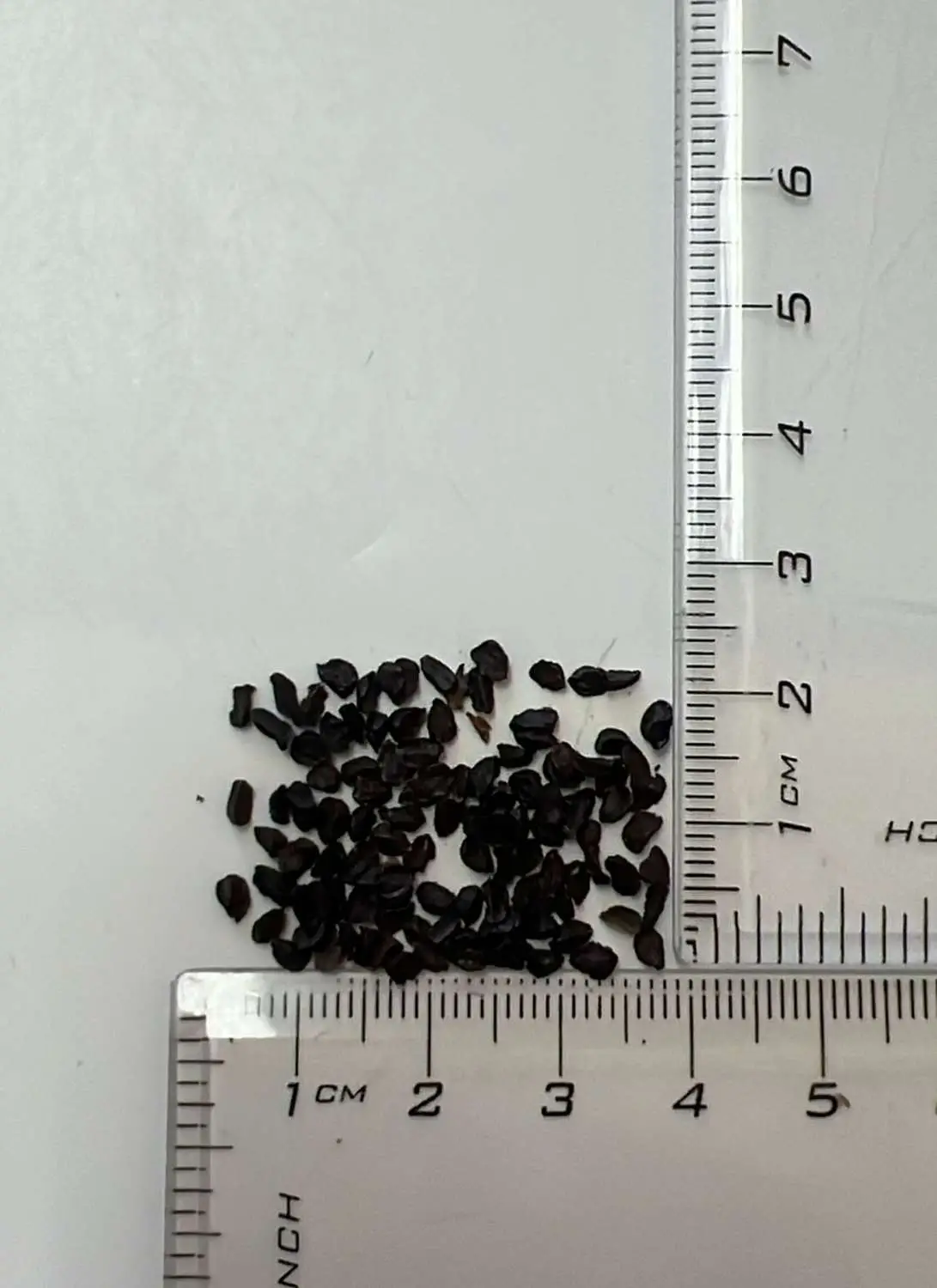
Its flowers are large, hooded, and can range in color from pale blue to greenish-purple. The seeds of Aconitum heterophyllum are produced within follicles after the flowers have bloomed. They are very small, and their successful germination typically requires a period of cold stratification, a process that mimics winter conditions to break dormancy.
Germination Guide
🌍 Northwestern Himalaya - India (Jammu & Kashmir, Himachal Pradesh, Uttarakhand), Nepal, Pakistan (northeast)
Difficult
Aconitum heterophyllum, critically endangered medicinal herb of the northwestern Himalayas used for centuries in Ayurveda for antipyretic, anti-inflammatory, and antidiarrheal properties. Seeds are very small, require cold stratification to break dormancy, and show poor germination in natural conditions, making propagation challenging.
Germination
Germination time
Expect germination in
30 – 365 days
Temperature
Min 4°C
Ideal 13°C
Max 15°C
Substrate moisture
💧💧 High
Sowing depth
Lightly covered
Seed Pre-treatment
-
🔨
Chemical scarification
H2SO4 treatment effective; hot water at 40-50°C for 90 seconds shows enhanced germination in non-native conditions
-
❄️
Cold stratification — 60 days at 4°C
-
📋
Additional notes
Cold stratification is most effective treatment; pre-chilling for 15-90 days enhances germination; seeds best sown immediately when ripe in cold frame
Substrate & Container
Recommended substrate
sandy loam, loamy, clay soils, humus-rich, moist, well-drained
Recommended container
cold frame
Growing Tips
Best propagation method: sow seeds immediately when ripe (Sept-Oct) in cold frame outdoors for natural stratification; if stratifying artificially, apply 60 days cold at 4°C then sow in spring but germination will be slow; seedlings grow in cold frame through first winter; prefers moist, shady, slightly acidic soils; extremely slow growth rate; seed viability decreases rapidly after collection; plant is endangered - sustainable cultivation recommended
Only logged in customers who have purchased this product may leave a review.



Reviews
There are no reviews yet.