FREE SHIPPING OVER €30 FREE SHIPPING OVER €30

Aeschynomene aspera — Sola Pith Plant | World’s Lightest Wood for Sculptural Crafts

Grow the legendary sola—the plant whose wood is among the world’s lightest, prized for centuries by artisans in Bengal and beyond. Your stems will yield the extraordinary material used to hand-carve ceremonial sculptures, decorative flowers, and pith helmets. A tropical aquatic herb that thrives in wetland conditions and rewards you with harvestable pith in just one growing season. Start from seed and unlock an ancient craft tradition.

1.92

SKU: P-2204 Categories: , Tags: , , ,

You May Also Like

Description

Imagine harvesting stems so ethereally light they float like expanded polystyrene—this is Aeschynomene aspera, the sola pith plant that has captivated artisans, craftspeople, and craftspeople for over a thousand years.

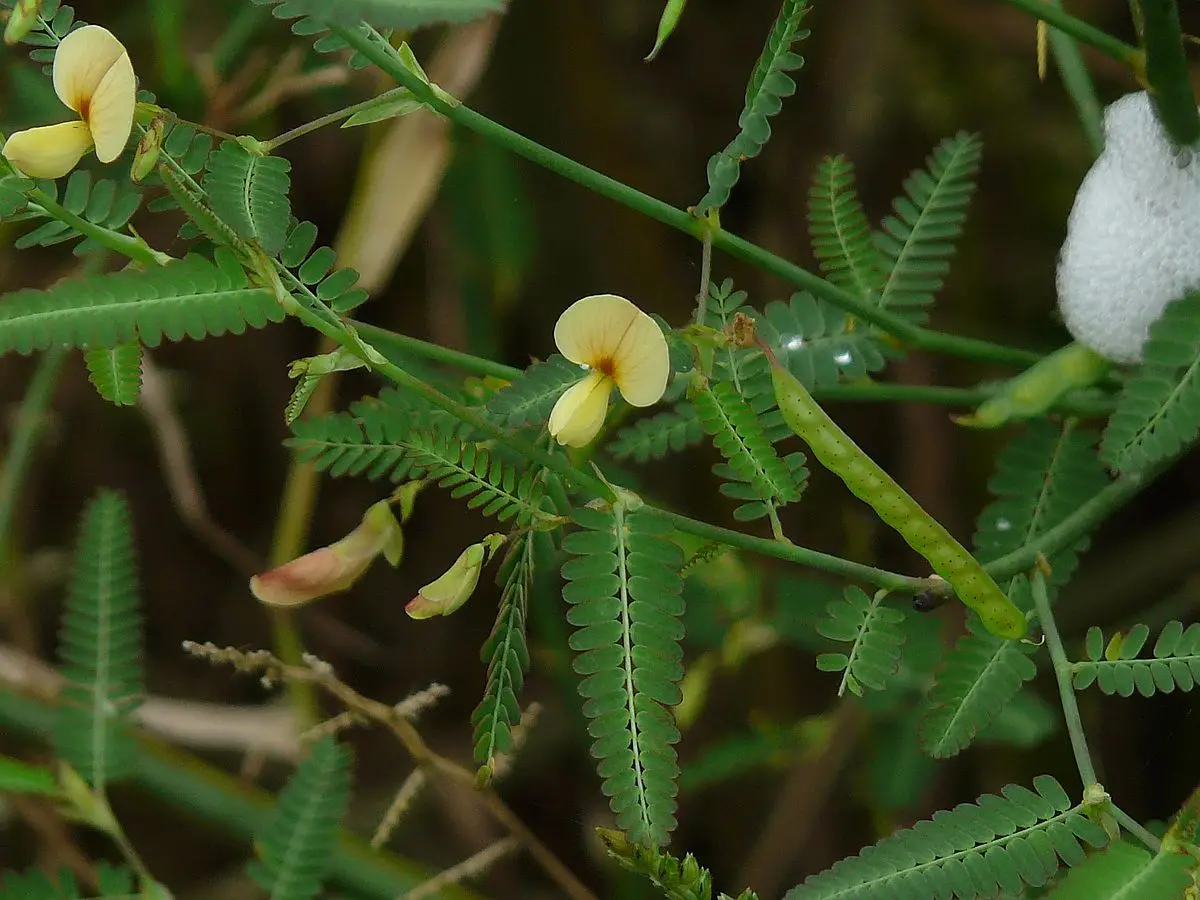
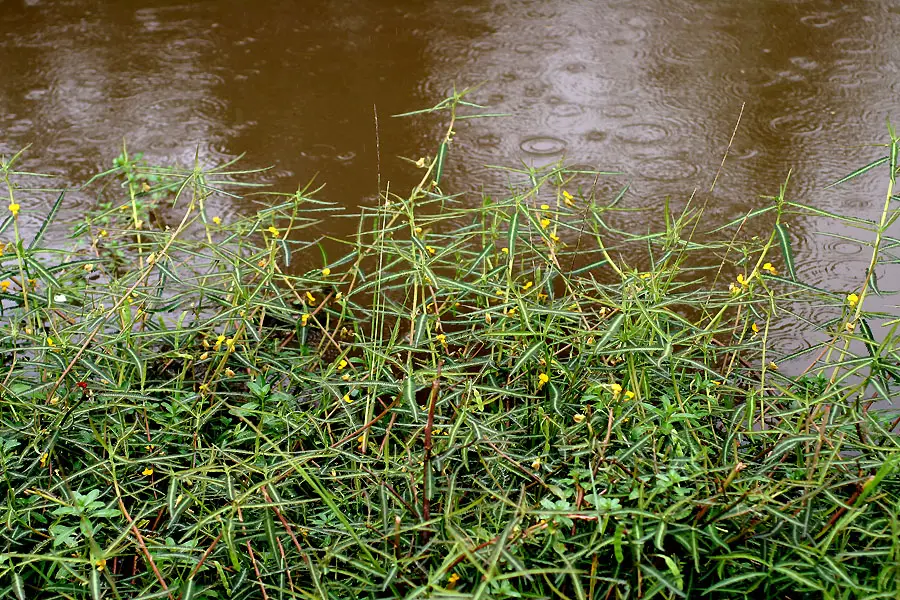
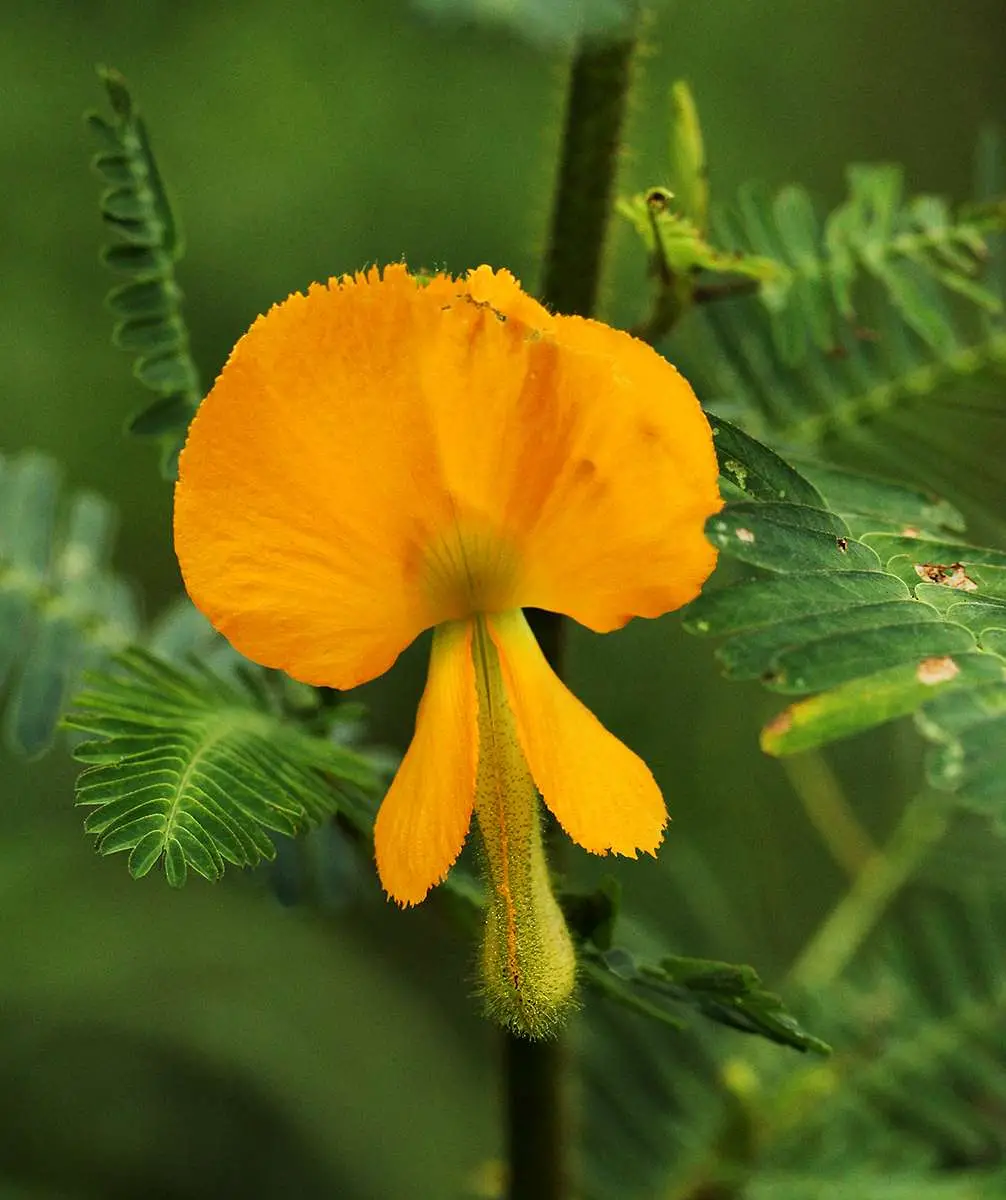
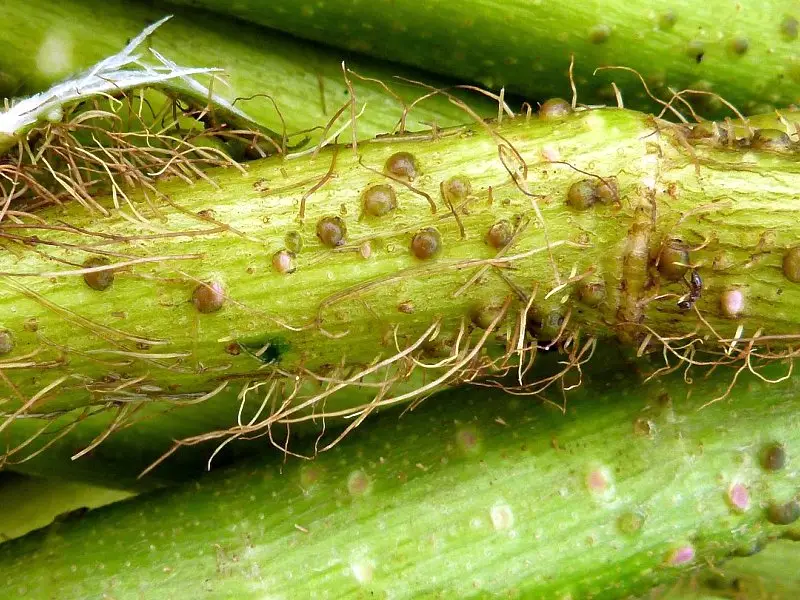
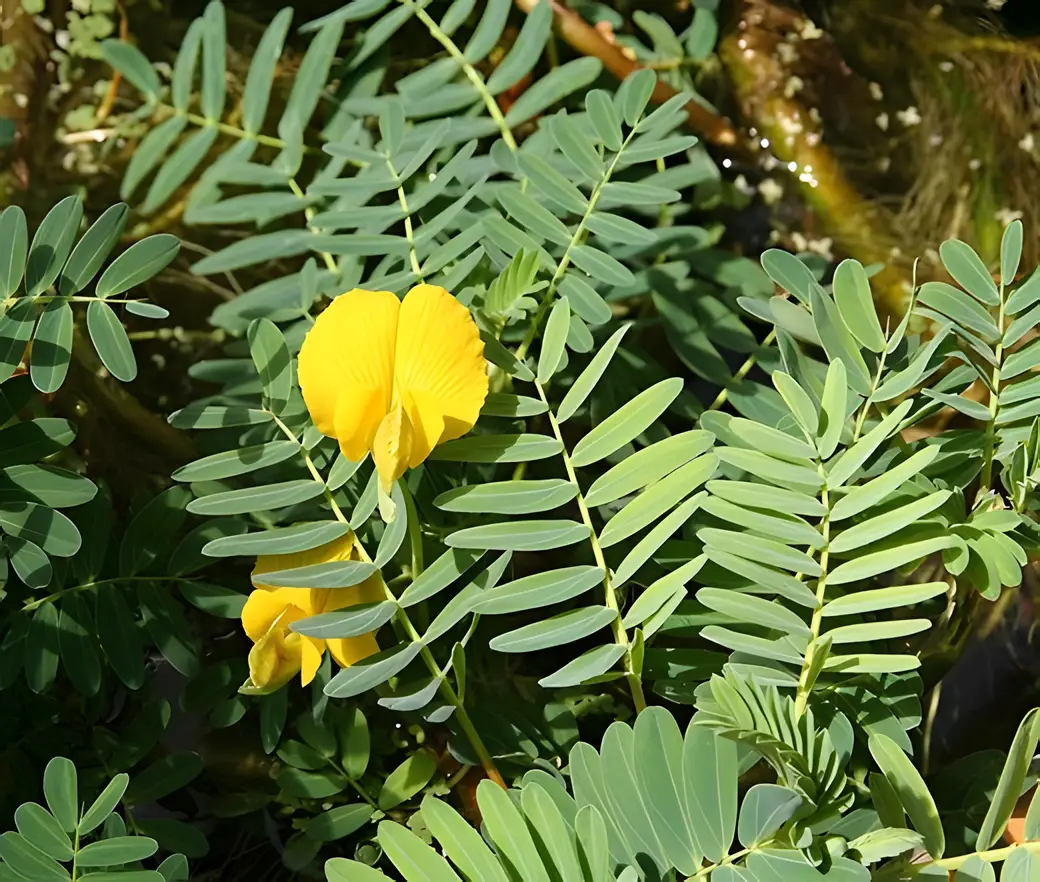
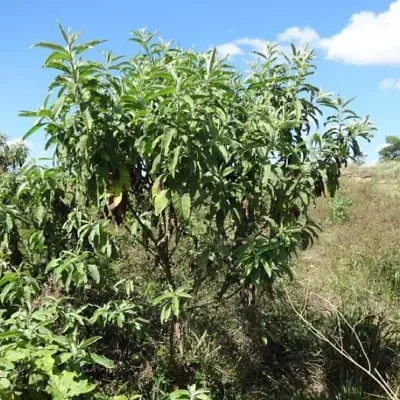
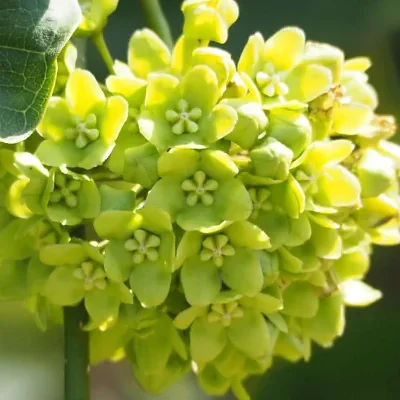
Native to Bangladesh, Bhutan, Cambodia, India, Indonesia, Laos, Malaysia, Myanmar, Nepal, Pakistan, Sri Lanka, Thailand, and Vietnam, this perennial herb native to freshwater wetlands, marshes, and the edges of water bodies in South and Southeast Asia is a true botanical marvel. The shrub grows about 2 metres tall, and has a distinctive appearance with its open, airy branching and small yellow flowers that bloom in the warmer months. What makes it extraordinary isn’t flashy beauty—it’s the hidden treasure within: stem pith that defies gravity.

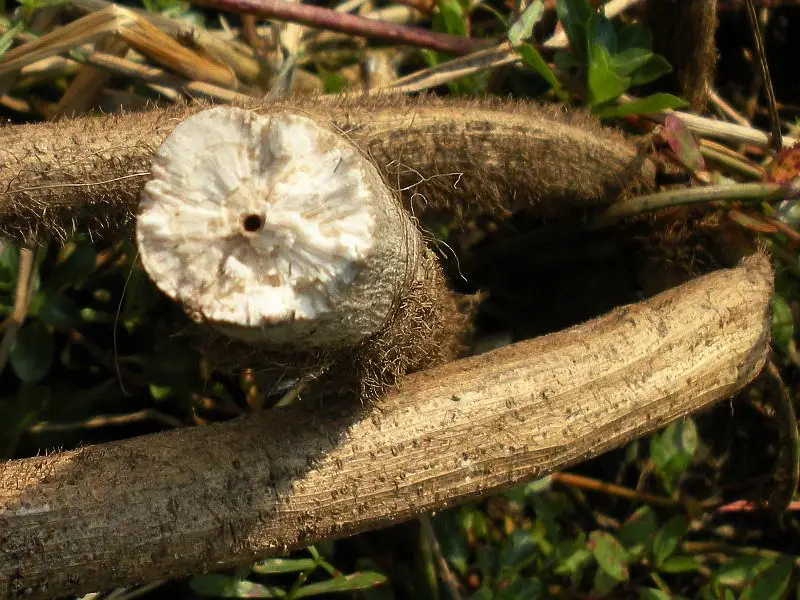
The magic lies in the wood itself. Aeschynomene wood is one of the lightest woods in the world. The wood feels like pieces of expanded polystyrene or even lighter, and has a corky texture. It weighs around 110–190 kilos per cubic metre and is one of the lightest known woods. This isn’t ornamental—this is functionally extraordinary.

For over a millennium, the craft finds its tradition in the Jagannath Temple, where the adornment of the idols and their decorations are done with Shola Pith. The extremely lightweight wood is widely used in traditional crafts, decorations, and ceremonial objects, especially in eastern India. Today, sholapith handicrafts have found a wider application in home décor such as Hindu gods and artistic objects. Once processed, the pith is sliced into thin sheets or shaped into decorative elements such as flowers, discs, or geometric forms commonly used in crafts and floral arrangements. Artisans carve it into wedding adornments, temple decorations, museum-quality sculptures—even contemporary eco-conscious designers prize it as a biodegradable, low environmental impact alternative to plastic and foam. It also provided the core of the famous pith helmets, or sola-topis, of colonial India, a historical use that speaks to its proven utility.

Growing sola from seed connects you directly to this heritage. Native to tropical and subtropical Asia, the plant grows in wetlands such as swamps, marshes, lagoons, and rice paddies, from sea level up to about 1,300 m. It thrives in warm, wet conditions—think tropical warmth and consistent moisture. It adapts well to the monsoon climates of the region. Plant it in rich, moisture-retentive soil, give it warmth and humidity, and keep the soil consistently wet. It’s a fast-growing annual or short-lived perennial that rewards patience with harvestable stems within a season. In cultivation, it can be grown as an ornamental in water gardens or naturalized in wetland areas. As a legume, it is notable for its ability to fix nitrogen through nodules on both roots and stems, making it valuable as a green manure in rice cultivation—a practical bonus if you’re thinking regeneratively.

To grow sola from seed is to step into a living tradition. You’re not just raising a plant; you’re cultivating the raw material for your own artistry—for carving, sculpting, crafting, decorating. Every stem becomes a canvas. Every harvest connects you to artisans in Bengal, Assam, and Odisha who have kept this craft alive for centuries. Begin with seed, nurture it through its tropical growing season, and you’ll hold in your hands the world’s most magical, weightless wood.

Germination Guide

🌍 Tropical and subtropical Asia including Indian subcontinent, China, Myanmar, Malaysia, Philippines, extending to northern Australia
Moderate

Semi-aquatic perennial subshrub in Fabaceae family reaching 2-3 meters tall. Dormant seeds with hard seed coat require high soil moisture or flooded conditions (but not exceeding 2cm standing water) for germination. Prolific seeding weed in rice paddies across tropical Asia.

Germination
Germination time
Expect germination in

5 – 14 days

Temperature

Min 20°C
Ideal 25°C
Max 35°C

Light
☁️ Indifferent

Substrate moisture
💧💧 High

Sowing depth
0.5 cm

Germination rate
90 %


Seed Pre-treatment
  • 💧

    Soaking — 24 hours
    Soaking 12-24 hours in warm water after hot water treatment to improve germination and speed
  • 🔨

    Hot water scarification
    Hard seed coat prevents easy germination; hot water treatment (nearly boiling water) followed by 12-24 hours soaking effective for breaking dormancy
  • 📋

    Additional notes
    Hard seed coat requires pre-treatment; dehulled seed shows germination up to 90-95%; intact hulled seed shows only 5-10% germination; scarification via mechanical or thermal methods highly effective

Substrate & Container
Recommended substrate
loam, sandy loam, waterlogged moist soil


Growing Tips
Use dehulled seed for faster, higher germination (90-95%). Plant at pH 6.4-7.0. Avoid standing water deeper than 2cm which inhibits seedling establishment. Seed survives about 6 months in soil seed bank. Native to wetland margins, lagoons, swamps, rice paddies. Nitrogen-fixing legume valuable as green manure.

Reviews

There are no reviews yet.

Only logged in customers who have purchased this product may leave a review.

Related Products