
Grow the herb revered for millennia as nature’s cognitive enhancer. Gotu kola rewires your brain—sharper memory, clearer focus, deeper learning. Eaten fresh in salads or brewed as a tea, this glossy-leaved creeper thrives in moist, shady corners with almost no fuss. Centuries of use. Modern science confirms it. Sow seeds now, harvest wisdom in weeks.
Here grows a plant that cultures have treasured as an elixir of longevity and mental clarity for over two thousand years—a living bridge between ancient wisdom and modern neuroscience.
Centella asiatica, revered across Southeast Asia as Gotu Kola or “the herb of longevity,” is native to the misty wetlands and shaded waterways where it has evolved to nourish the human mind. In Ayurvedic medicine, yogis and scholars consumed it to deepen meditation and strengthen memory. In traditional Chinese medicine, it appears in Song Dynasty texts as a supreme brain tonic. Today, what was once whispered in monasteries and studied in laboratories is finally reaching your fingertips—a seed that grows into one of the most scientifically validated nootropic herbs on Earth.
But let’s talk about what makes this plant truly extraordinary: its unparalleled ability to enhance cognitive function. Recent research has revealed that gotu kola’s active compounds—particularly asiaticoside and madecassoside—trigger the growth of new neural connections in the brain. Studies show that it enhances memory formation, boosts learning efficiency, and may even protect against age-related cognitive decline. Unlike stimulants that leave you wired and crashed, gotu kola works gently, supporting your brain’s natural neuroplasticity. Regular users report sharper focus, faster recall, and a calm clarity that feels like your mind finally has room to breathe. Some take it as a tea, others add the tender young leaves to salads for a subtle, slightly herbaceous note. Still others macerate it in alcohol or blend it with other adaptogens. The flexibility is yours. Beyond cognition, this herb has earned respect for wound healing, improving circulation, supporting skin regeneration, and calming anxiety—making it a true multi-system ally. It is, fundamentally, a longevity plant.
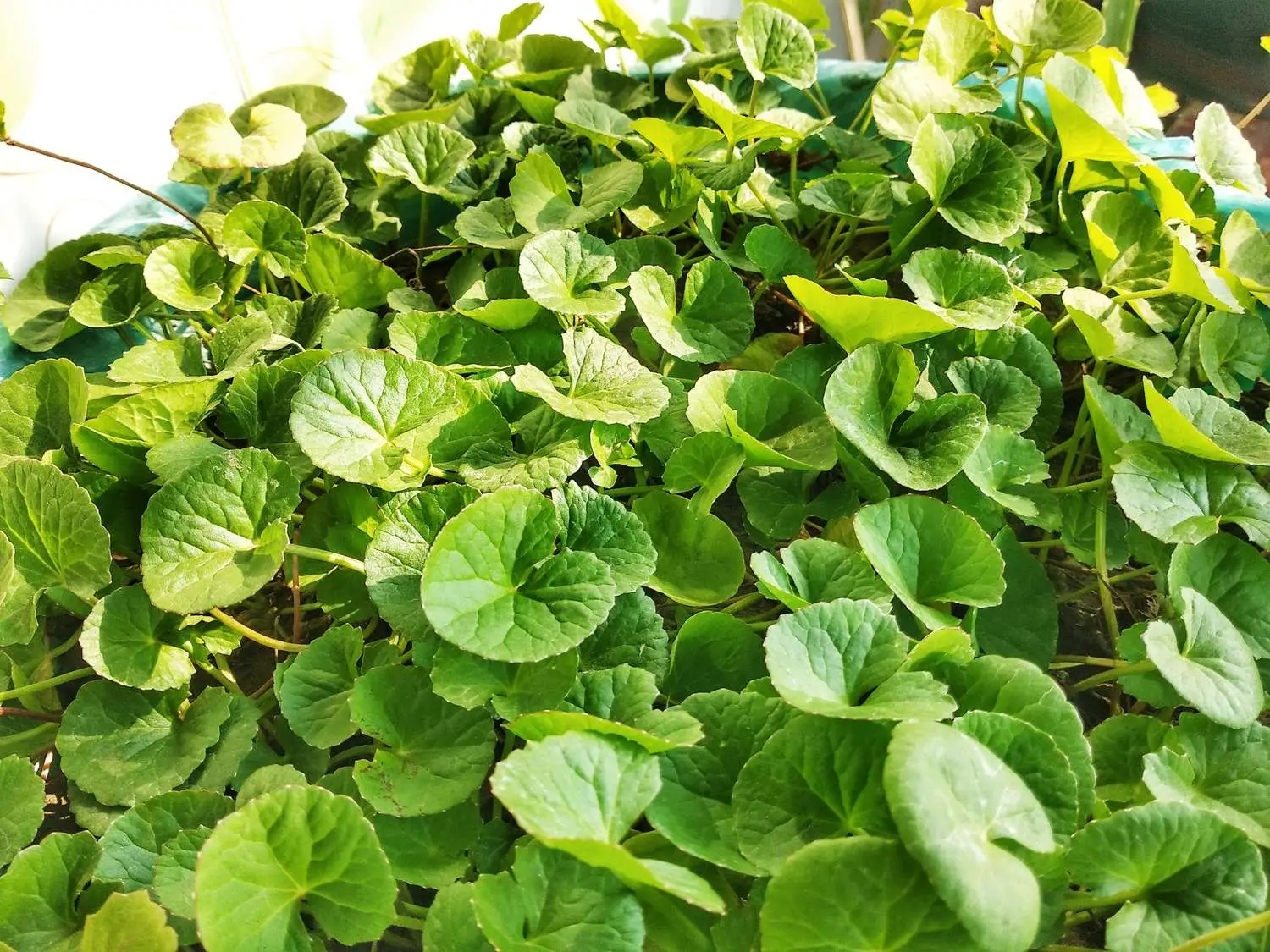
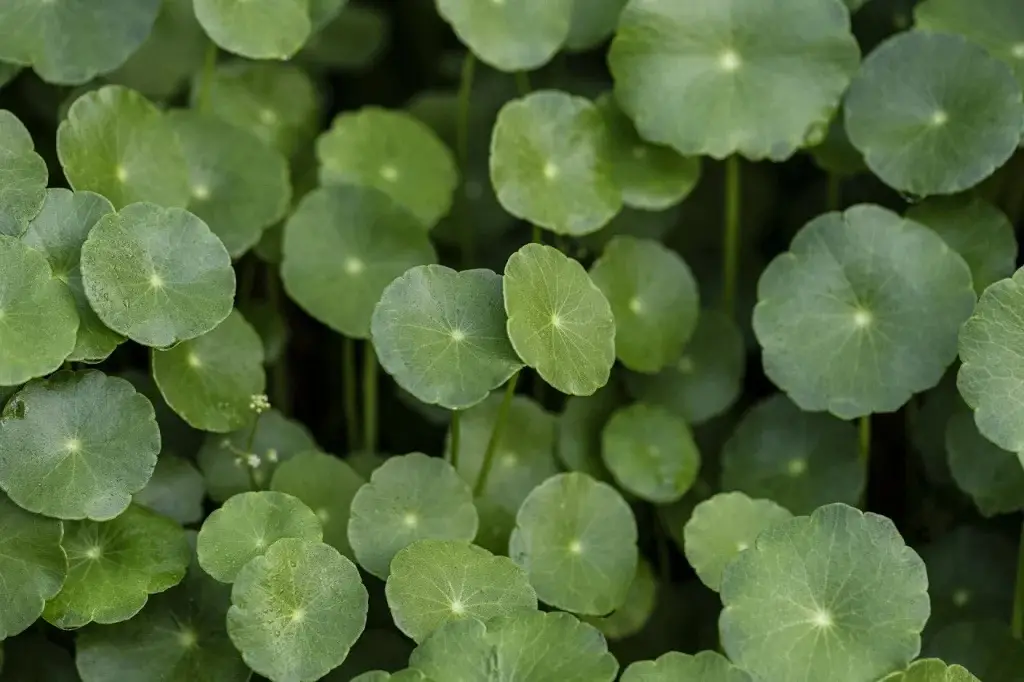
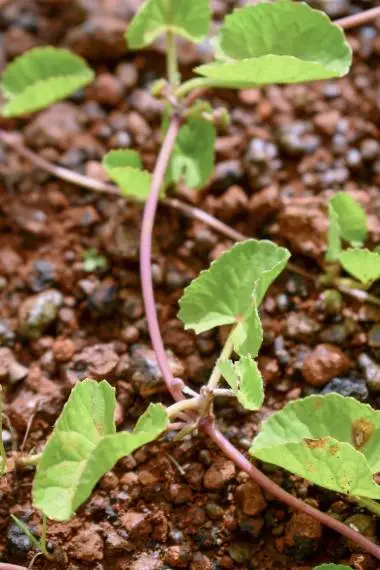
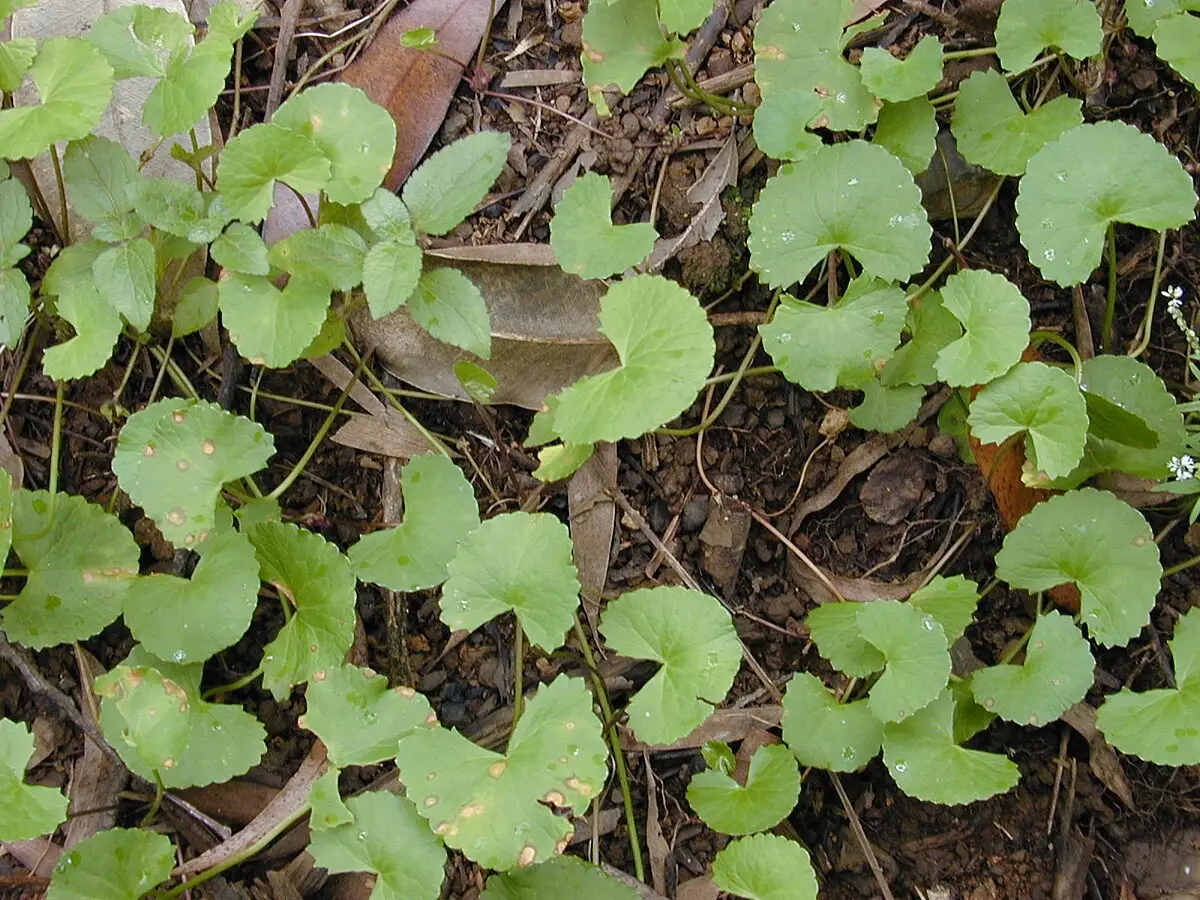
Growing Centella asiatica is a gift to yourself. This is not a finicky plant. It loves moisture and shade—the conditions most indoor gardeners accidentally create. It thrives in consistently moist soil (never soggy, never dry), in bright indirect light or even semi-shade, in any well-draining medium enriched with organic matter. It is supremely suited to pots, trays, or shallow containers; its creeping habit and modest root system make it perfect for windowsills, humid bathrooms, or shaded patios. In warm climates (USDA zones 9–11), it becomes an almost weedy groundcover, spreading with gentle determination. Even in cooler zones, it grows readily indoors year-round. Seeds germinate in 2–3 weeks under consistent warmth and humidity. The plant begins producing harvestable leaves within 6–8 weeks. Climate-wise, it prefers tropical to subtropical warmth but tolerates temperate conditions when grown as an annual or indoor perennial. Think of it less as a demanding specimen and more as a collaborator—one that asks for moisture, shade, and time, and rewards you with dense, glossy, coin-shaped leaves bursting with bioactive power.
To grow this seed is to tend an ancient promise made manifest. To harvest its leaves is to hold in your hand centuries of human trust in nature’s pharmacy. To consume it—as a brew, as a salad, as a tincture—is to invite the wisdom of wetland ecosystems into your body and mind. Centella asiatica doesn’t make bold claims; it makes quiet miracles. Start your seeds today, and in a few weeks, you will have a living, breathing source of neural nourishment. Your future self—the one with better memory, steadier focus, and sharper thinking—will thank you.
Only logged in customers who have purchased this product may leave a review.
Reviews
There are no reviews yet.