Cucumis melo var. dudaim — Victorian Pocket Melon | Ancient Perfume in Your Pocket

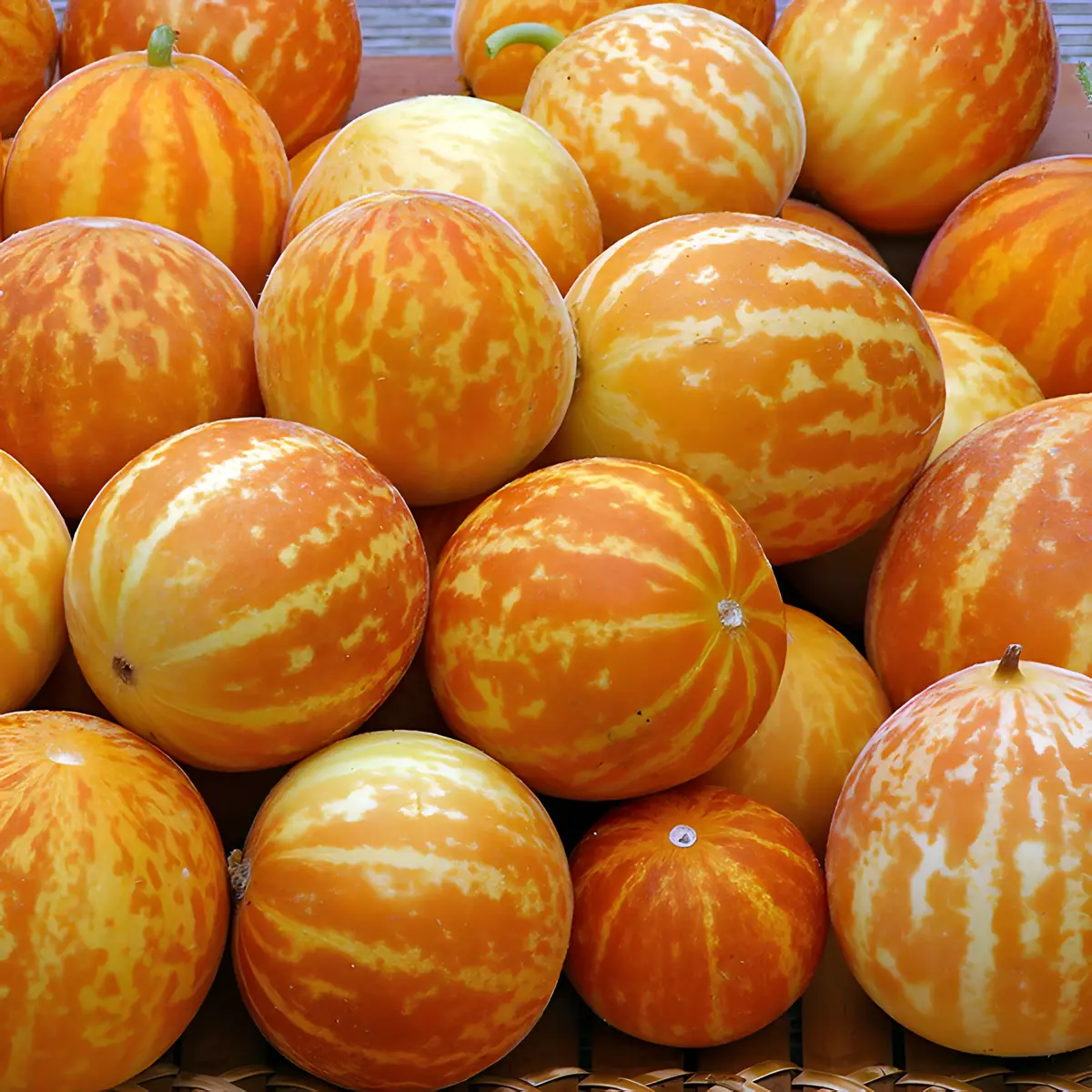
Grow your own living perfume: tennis-ball-sized melons with extraordinary fragrance—pineapple, jasmine, and ripe cantaloupe colliding in one intoxicating scent. These striped orange beauties sat in the pockets of Victorian women, then nearly vanished from the world. Easy-to-grow annual vines, prolific fruiting. Start from seed and reclaim a 300-year-old treasure. One melon perfumes an entire room.

2.57

SKU: P-2191 Category: Tags: , , ,

You May Also Like

Description

One of these little melons will perfume an entire house, especially in the heat of summer. You’re not growing a melon you’ll eat. You’re growing bottled history—a living, breathing fragrance that costs nothing but seeds and warmth.

This tiny heirloom melon was brought to North America by a Portuguese general in the early 1700’s. It was very popular in the Victorian era where woman and men would carry these highly aromatic melons in their pockets to counteract body odour. Before deodorant, before synthetic perfume, this was luxury. In 9th century Iran, the fruits were called “dastanbouya,” a word that translates to “hand perfume.” For over a thousand years, Queens and commoners alike tucked these melons into their clothing—not for food, but for the air itself.

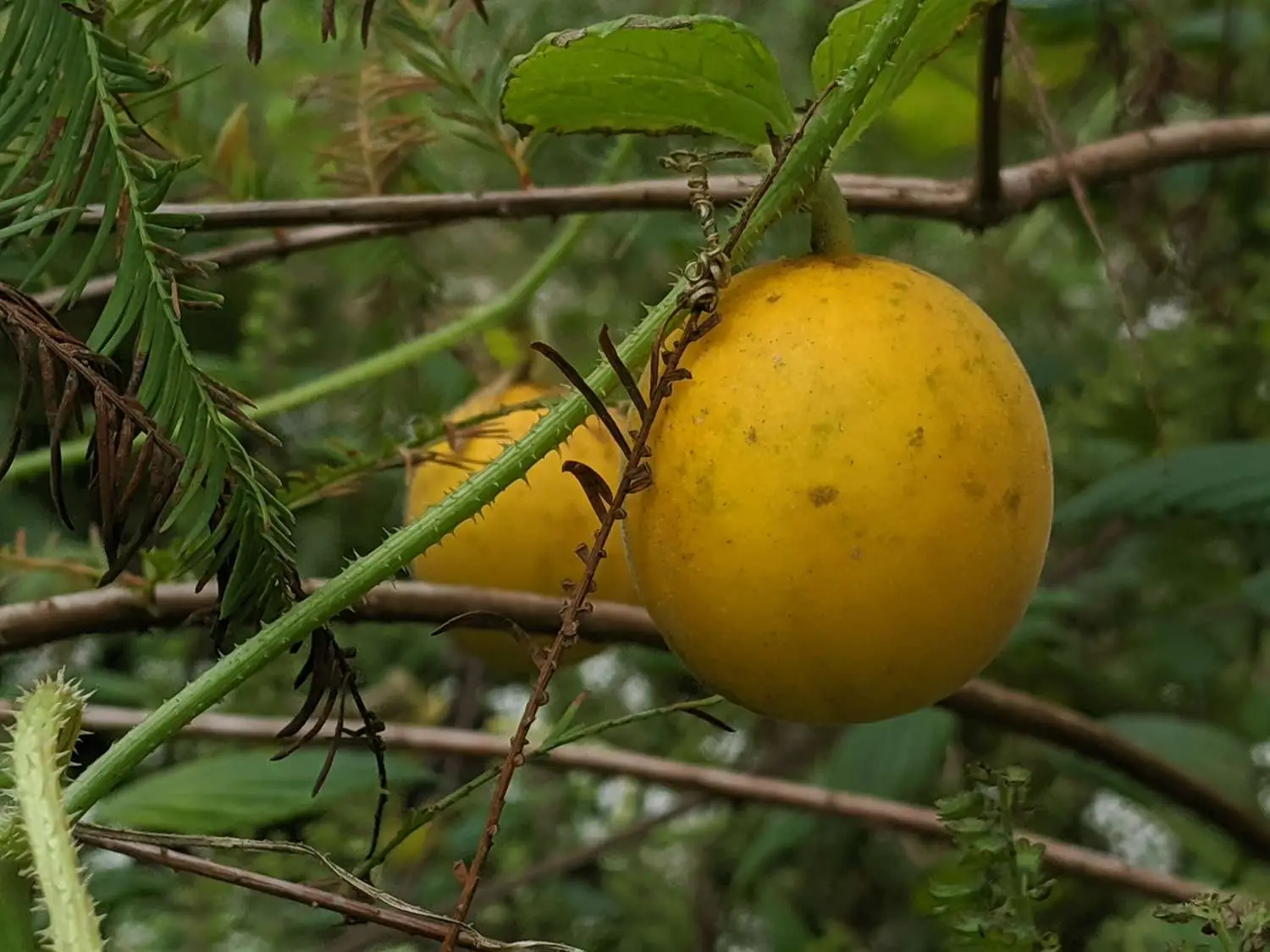
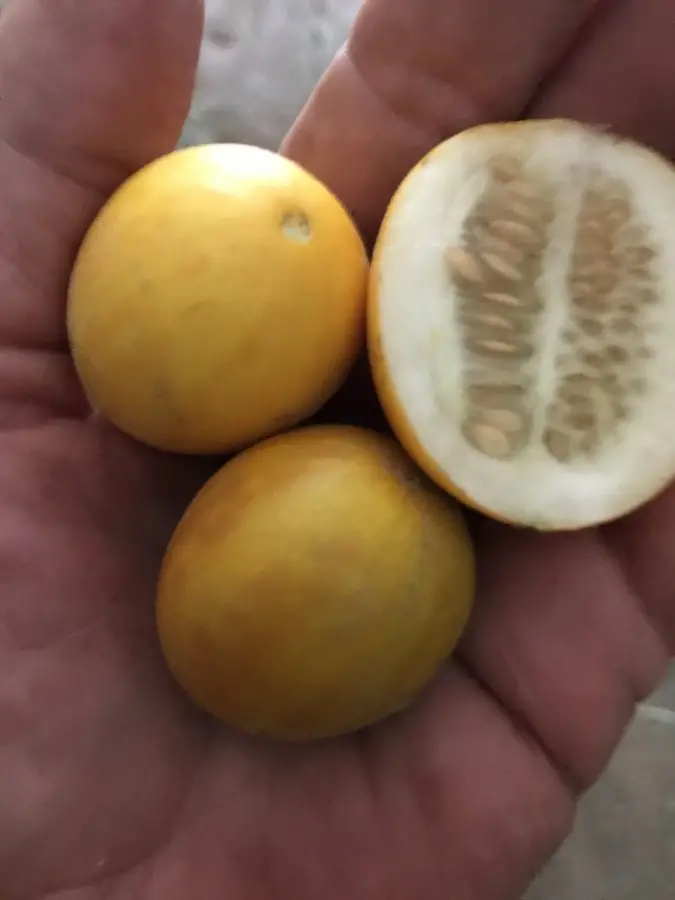
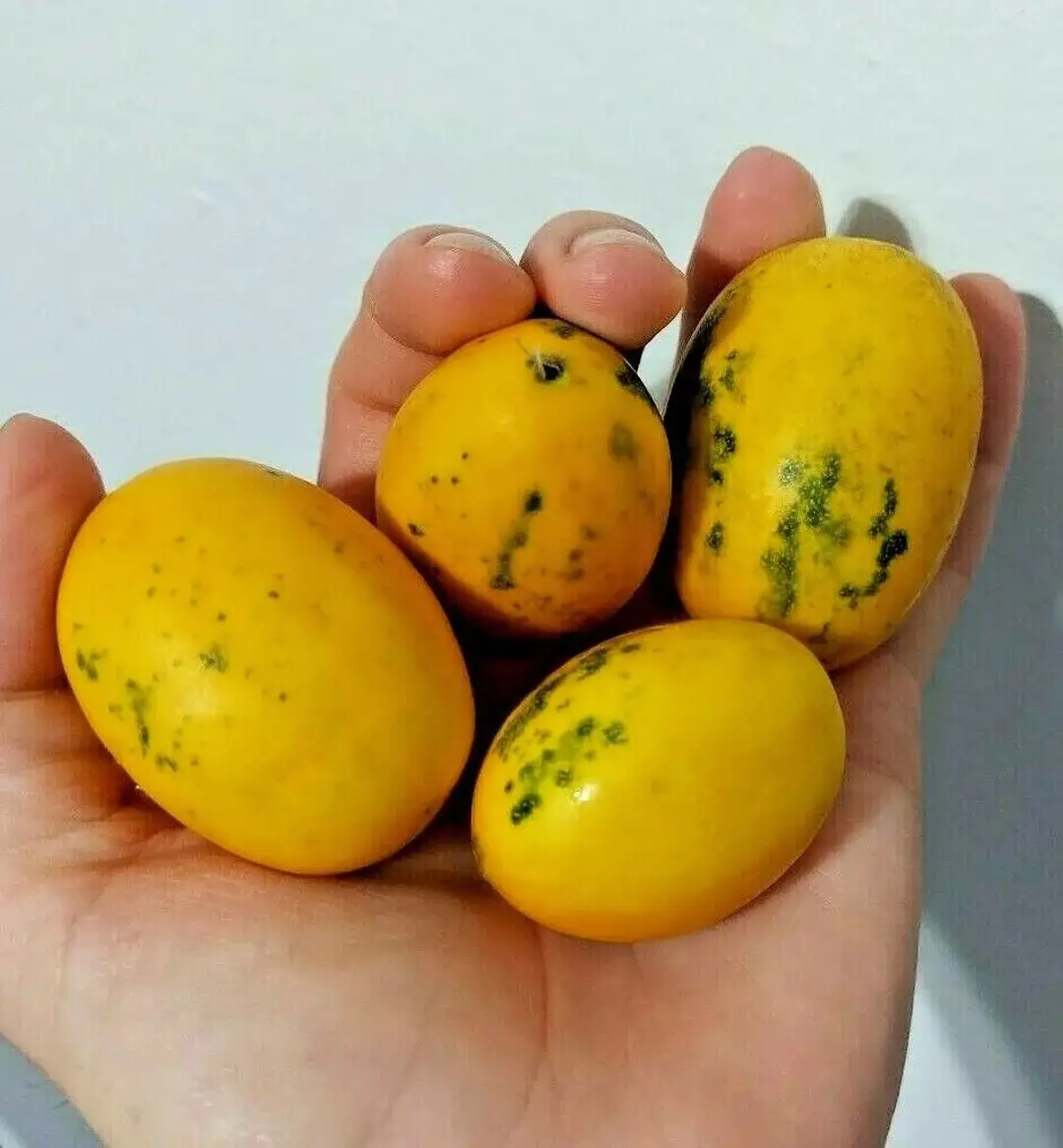
Here’s what makes this melon pure magic: The fruit varies from the size of an apricot to a lemon, and turns a beautiful deep orange to maroon with yellow striping when ripe. Textured, velvety skin. Small enough to cradle in your palm. And the scent? In addition to a strong melon scent, like an intensified honeydew or cantaloupe, writers describe notes of jasmine or pineapple. Some find it almost overwhelming—it is almost obscene, and indeed sometimes intolerable, similarly to Jasmine, whose extreme headiness in an enclosed space is indicative of indole. That’s not a flaw. That’s the point. They’ve been used to scent homes for generations, and nefarious fruitmongers even hid them in crates to mask the scent of their spoiling wares. A melon so fragrant it could mask decay itself.

Place them in a bowl on your kitchen counter. Line your windowsill. Carry one in your pocket or purse—yes, really, even now. The fruits were used in bowls and baskets as a natural air freshener with their sweet, perfume like scent and carried in pockets as a perfume, before the invention of deodorant. Your entire home becomes a subtle, natural fragrance diffuser. When heat builds—summer sunshine through your windows—the scent amplifies. It’s gentle, then intoxicating, then somehow addictive. (Fair warning: their white flesh is mushy and has little flavor, so skip eating them. They’re not for your mouth. They’re for your senses.)

**Growing these is straightforward.** 2-3 inch round striped fruits mature in 70-75 days. The plant is an annual able to climb with the help of tendrils, but more commonly sprawling along the ground. Full sun, warmth, and well-drained soil—standard melon conditions. Germinates in 5-10 days. A prolific fruit producer on 5-6 ft vines. Grow them on trellises to save space, or let them sprawl. They reward you generously: one plant produces dozens of these aromatic jewels over the season. Attracts bees making it an excellent addition to pollinator gardens.

This is heirloom gardening at its most intimate. A nearly extinct and rare variety that needs to be preserved. The melons had enjoyed a resurgence in interest by the 1870’s when it was reported that having “once [been held] in high repute, was so nearly extinct that a few seeds only were saved by accident”. Growing these seeds now means you’re participating in a quiet act of botanical preservation—saving something precious that almost vanished. When you harvest, save your seeds. Pass them forward. This melon deserves a second life in your garden, and a third, and a hundredth. Start from seed today and bring home 300 years of fragrant history.

Germination Guide

🌍 Persia (Iran) and Central Asia
Easy

Cucumis melo var. dudaim, commonly known as Queen Anne's Pocket Melon, is a fragrant ornamental melon variety with origins in Persia and Central Asia dating back to the 9th century. Seeds germinate readily within 2 weeks under warm conditions (70-90°F/21-32°C) and require light, well-draining soil. This cold-intolerant species prefers consistently warm temperatures with optimum germination around 27°C.

Germination
Germination time
Expect germination in

3 – 14 days

Temperature

Min 21°C
Ideal 27°C
Max 35°C

Light
☀️ Light required

Substrate moisture
💧 Medium

Sowing depth
1 cm

Germination rate
81 %


Substrate & Container
Recommended substrate
sandy loam or sandy-clay loam, well-draining, rich

Recommended container
Small pots or soil blocks, 2-3 seeds per container


Growing Tips
Sow seeds indoors 3-4 weeks before last frost, approximately 0.25-1 inch deep in sterile seed-starting mix. Maintain soil moisture (not waterlogged) and provide bottom heat if needed. Temperature below 45°F severely stunts growth; keep minimum at 70°F during germination. After germination, reduce temperature to 75°F. Thin to strongest seedling when first leaves appear. Transplant 15cm tall seedlings after all frost danger and soil has warmed. Avoid direct sowing in cold, wet soil. These seeds are sensitive to excessive soil moisture. Provide bright light and good air circulation to prevent damping off.

Reviews

There are no reviews yet.

Only logged in customers who have purchased this product may leave a review.

Related Products