
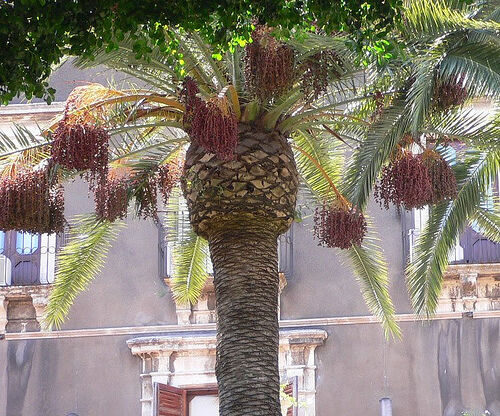
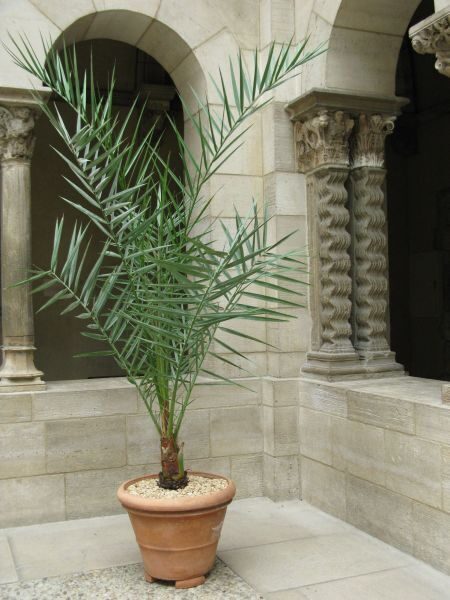
Imagine harvesting your own dates: sweet, nutrient-dense, sun-warmed fruit born from a majestic 80-foot palm crowned with graceful fronds. Phoenix dactylifera is far more than ornamental—it’s the legendary ‘tree of life,’ cultivated for 5,000 years and treasured across the Mediterranean, Middle East, and beyond. Rich in fiber, minerals, and antioxidants, each date is a nutritional powerhouse and a taste of ancient cultivation history. Full sun and well-dra
€5.17
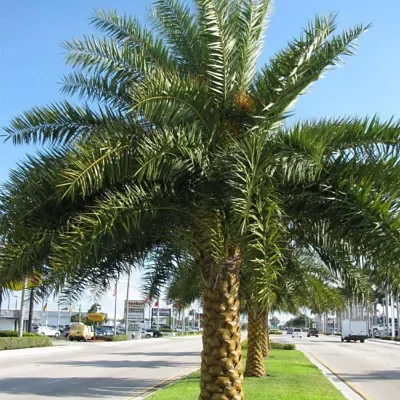
Phoenix dactylifera, the True Date Palm, is an iconic symbol of arid beauty—a stately evergreen towering up to 50-80 feet, crowned with feathery arching fronds stretching 10-16 feet long, native to the arid regions of Northern Africa and the Arabian Peninsula.
This is one of the longest cultivated plants in the world, having been grown at least 5,000 years ago. The most probable area of origin was in or near what is now Iraq, and dates became a major food source and income source for local populations in the Middle East and North Africa, playing significant roles in the economy, society, and environment. When you grow Phoenix dactylifera from seed, you’re inheriting a legacy as ancient as civilization itself.
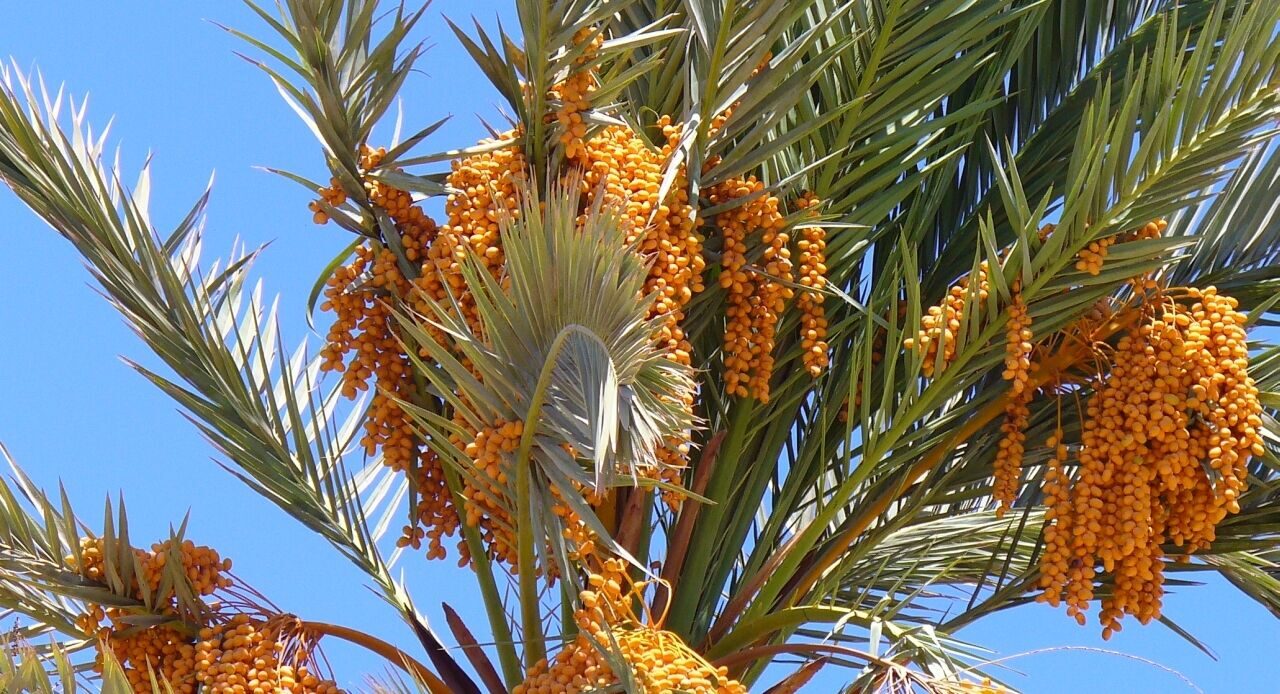
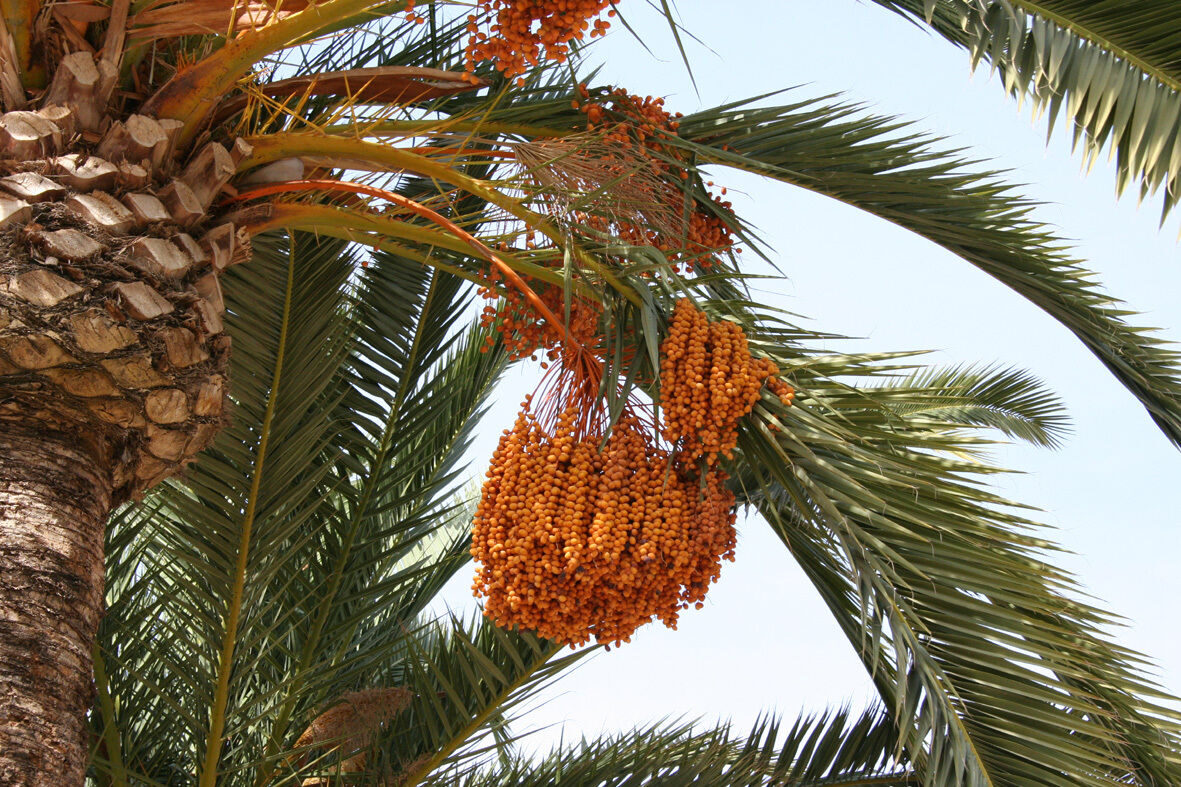
But this palm’s true glory lies in its fruit. The fruits are yellow or orange when ripe (turning brown when dried), 3-5 cm long, with large seeds; the fruit pulp is edible and delicious, and forms the basis for a major fruit crop of global importance. The flowers on female palms give way to showy clusters of large, edible, very sweet fruits with a thick layer of fruit pulp, changing from green when unripe to yellow, golden brown, mahogany red, or black as they ripen. Mature trees can produce 70–140 kg (150–300 lb) of dates per harvest season. This isn’t decorative fruit—it’s genuine nutrition. Dates are a rich source of carbohydrates, dietary fibers, certain essential vitamins and minerals. Scientific investigations have revealed that the fruits contain anthocyanins, phenolics, sterols, carotenoids, procyanidins and flavonoids, compounds known to possess multiple beneficial effects. Rich in essential nutrients, antioxidants, and bioactive moieties, date fruit provides numerous health benefits including managing metabolic disorders such as dyslipidemia, hyperglycemia, liver toxicity, kidney toxicity, obesity, and cardiovascular diseases. Every date you eat is dense with antioxidants and centuries of human wisdom about food as medicine.
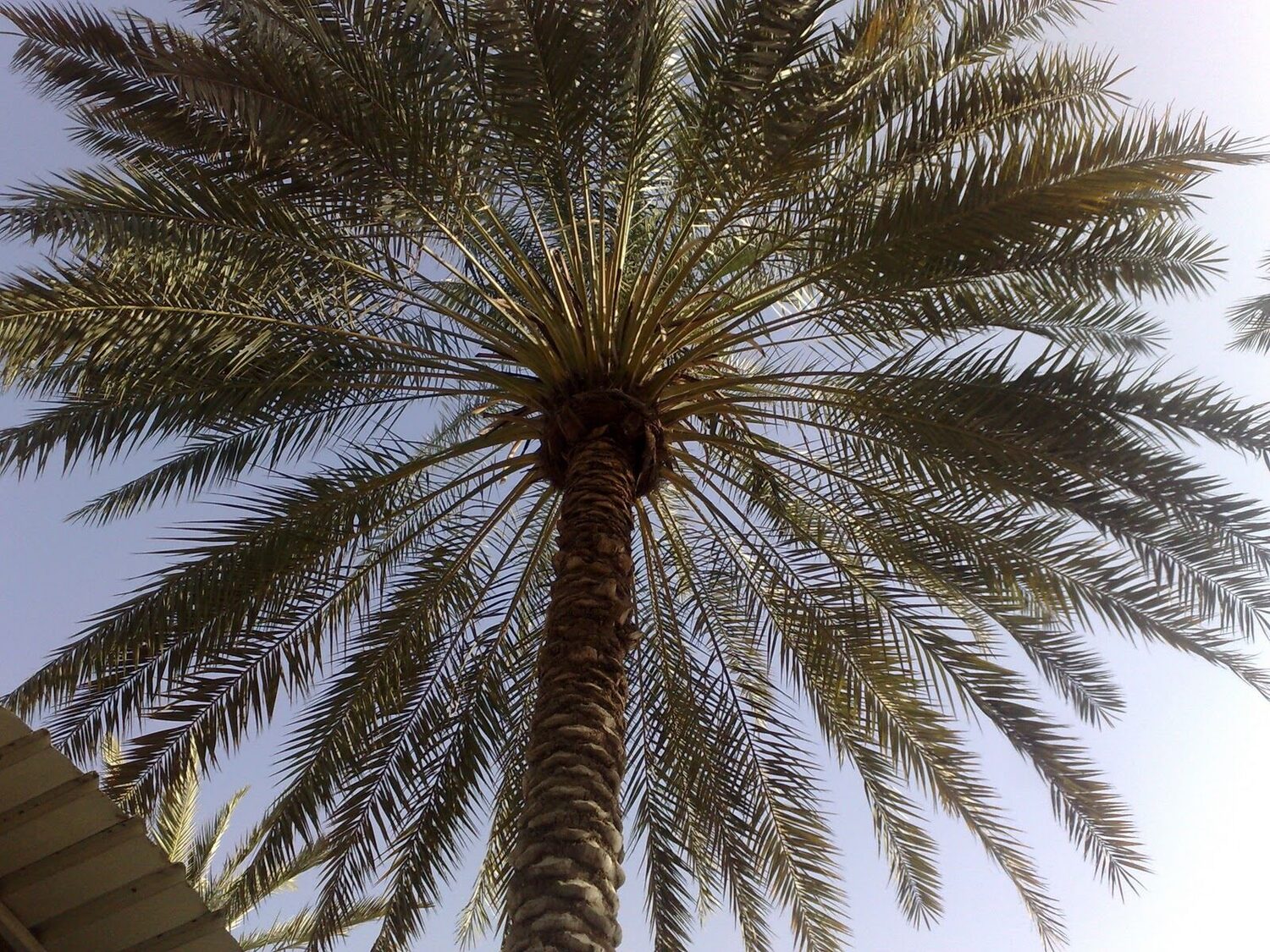
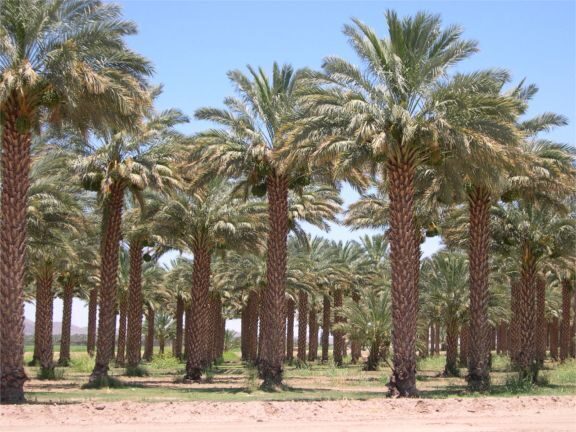
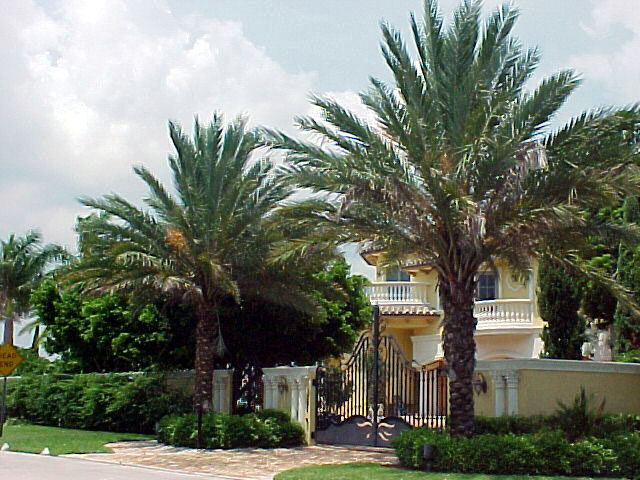
Wild beauty is a bonus. This tall evergreen palm tree has a slender trunk topped with a crown of 100-120 gracefully arching, feather-like fronds, with each gray-green, waxy, pinnate leaf divided into about 150 stiff, sharp pointed leaflets. The distinctive knobby trunks lend a rustic elegance to landscapes, while the diamond-shaped patterns on hand-cut trunks augment their aesthetic appeal. In a garden, the Date Palm serves as both a source of delicious dates and an ornamental focal point, with its tall slender trunk topped by a crown of gracefully arching fronds exuding elegance and beauty.
Growing Phoenix dactylifera demands respect for its desert heritage—but rewards patience generously. Date palms thrive in full sun or part shade and need low amounts of water once established. They are suitable for light (sandy), medium (loamy) and heavy (clay) soils and prefer well-drained soil, thriving in neutral and basic (mildly alkaline) soils and can grow in very alkaline and saline soils. The palm tolerates extreme heat (50°C+) and soil salinity that would kill most crops. Once established, it asks little. These palms thrive in hot, dry climates with well-drained soils and require minimal maintenance. The trade-off: patience. Years before fruiting range from 3-8 depending on cultivar, and they are in full production after 15-20 years. This is not a quick win—it’s a commitment to legacy. Plant it for yourself, your children, and the centuries beyond.
Grow Phoenix dactylifera from seed and you become a stew
Only logged in customers who have purchased this product may leave a review.

Reviews
There are no reviews yet.