Description
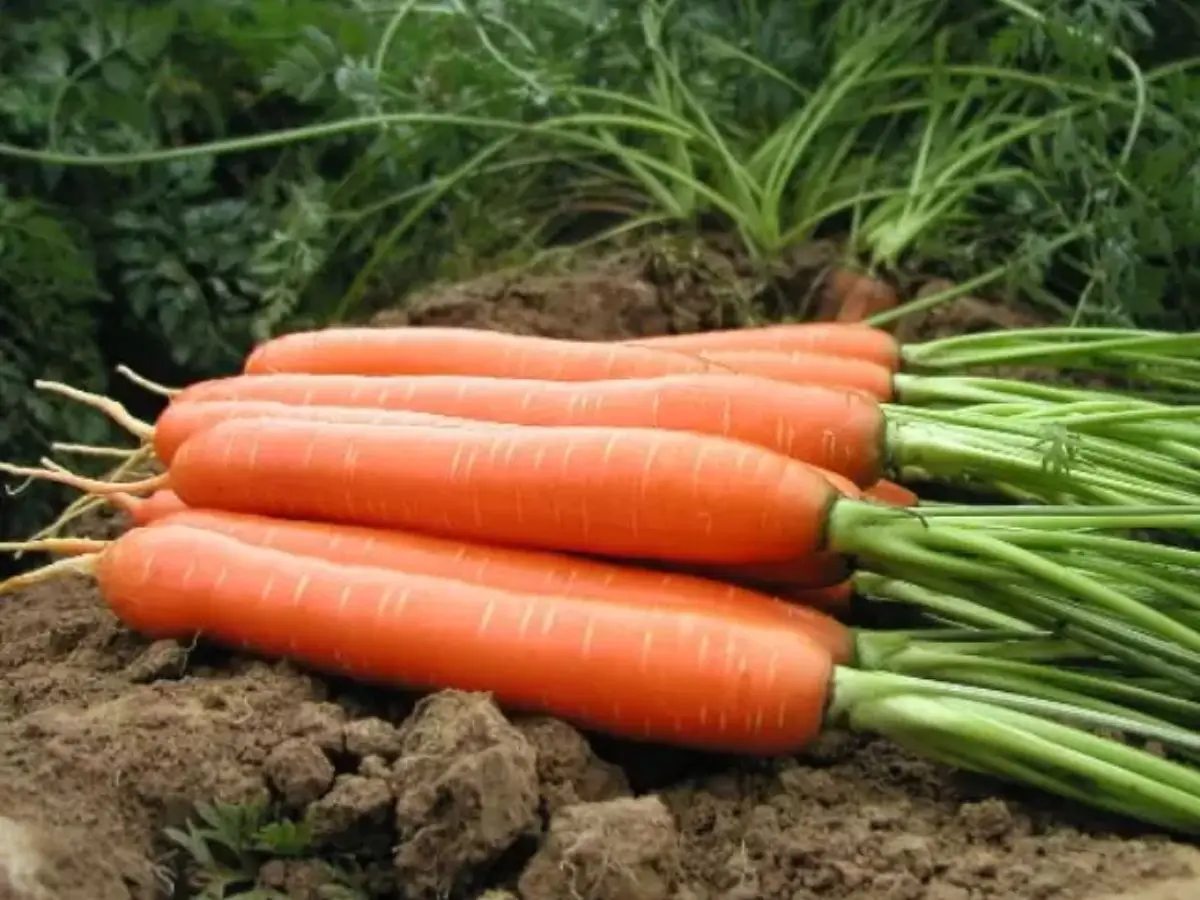
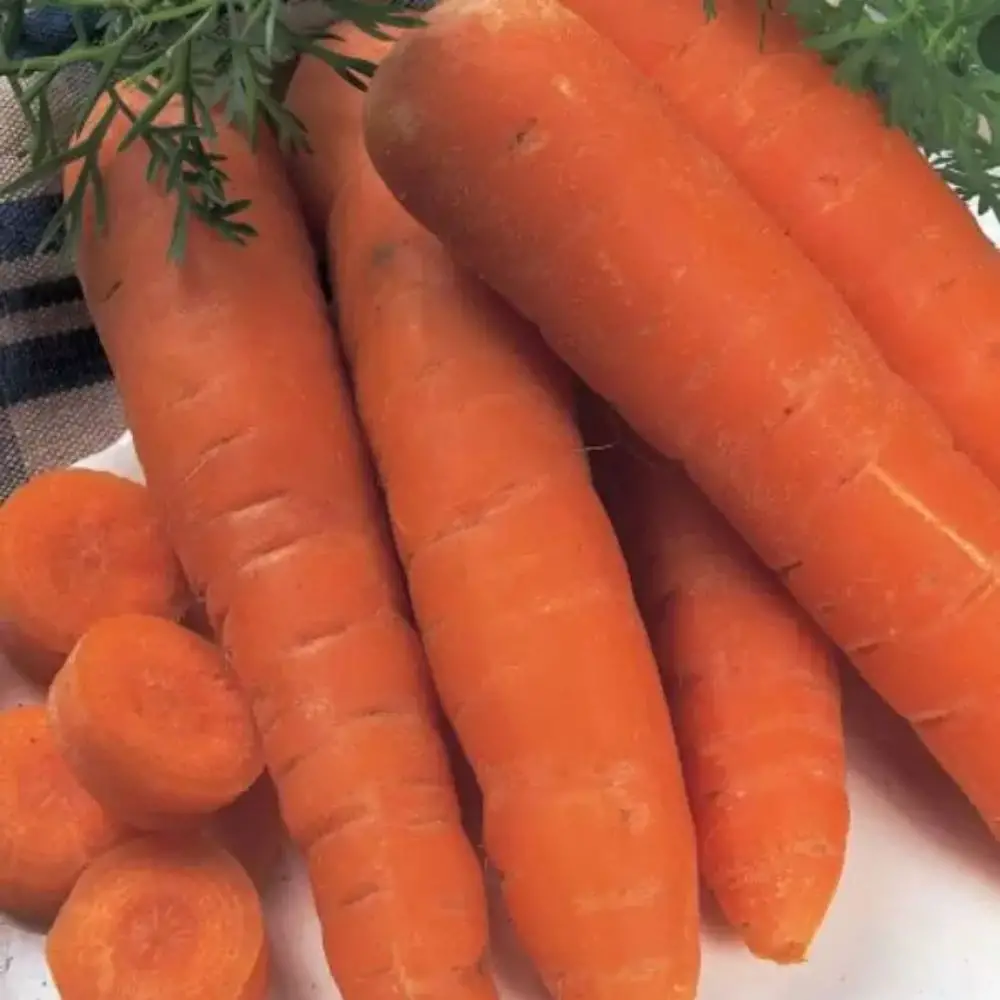
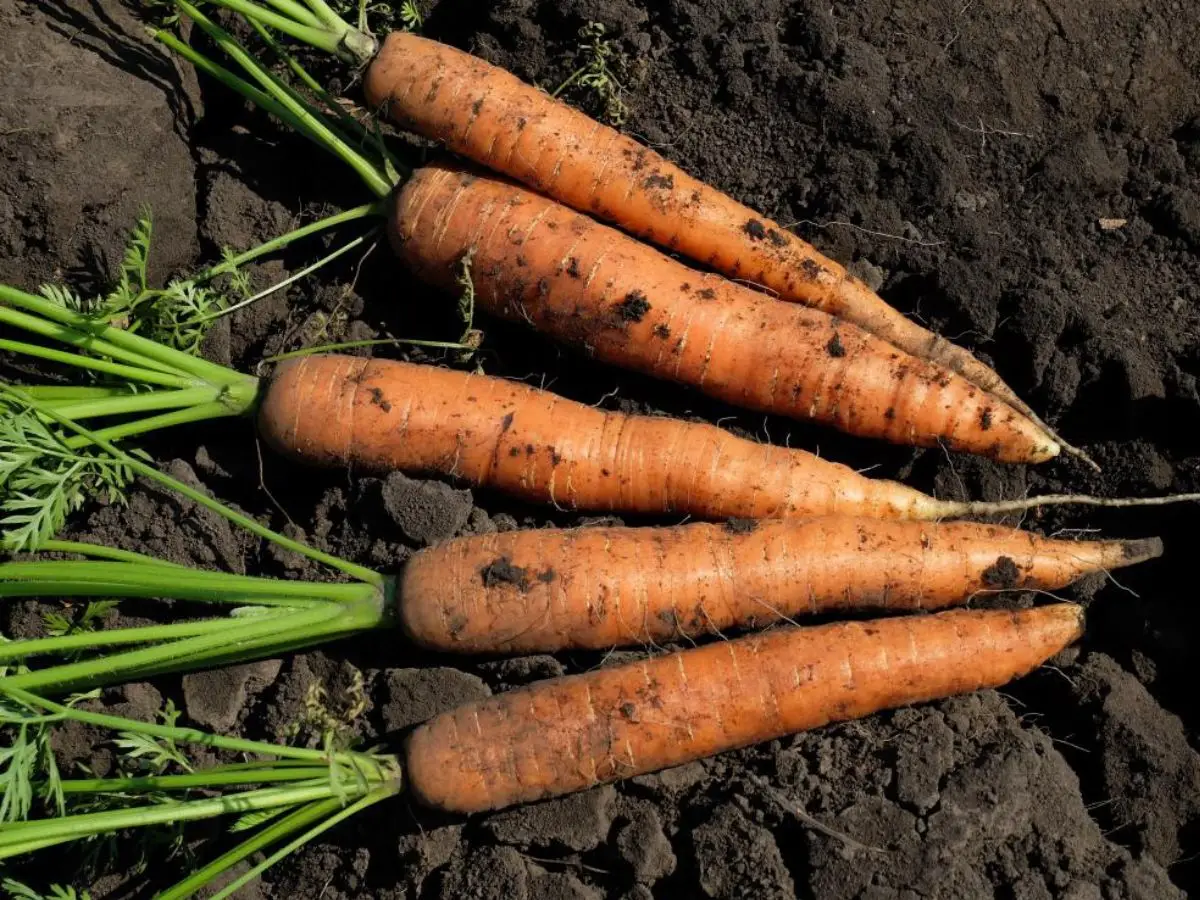
A beautiful orange-colored cultivated carrot that has stood the test of time and is a favorite for its reliability and great flavor. The roots are long, tapering and tough, and they store well: they can be left in the ground over the winter or lifted up and packed in boxes of damp sand, where they will remain as good as new for months.
A relic of Nantes (France).
In Europe the culture of this ‘heirloom’ variety of carrots is also used as a supplementary feed for horses, pigs and cattle.
Variety that stands out for its excellent internal and external color, it is one of the best known varieties in Europe.
They are extremely firm, magnificent conservation and quite crunchy.
Its beautiful color and flavor made it one of the most appetizing carrots.
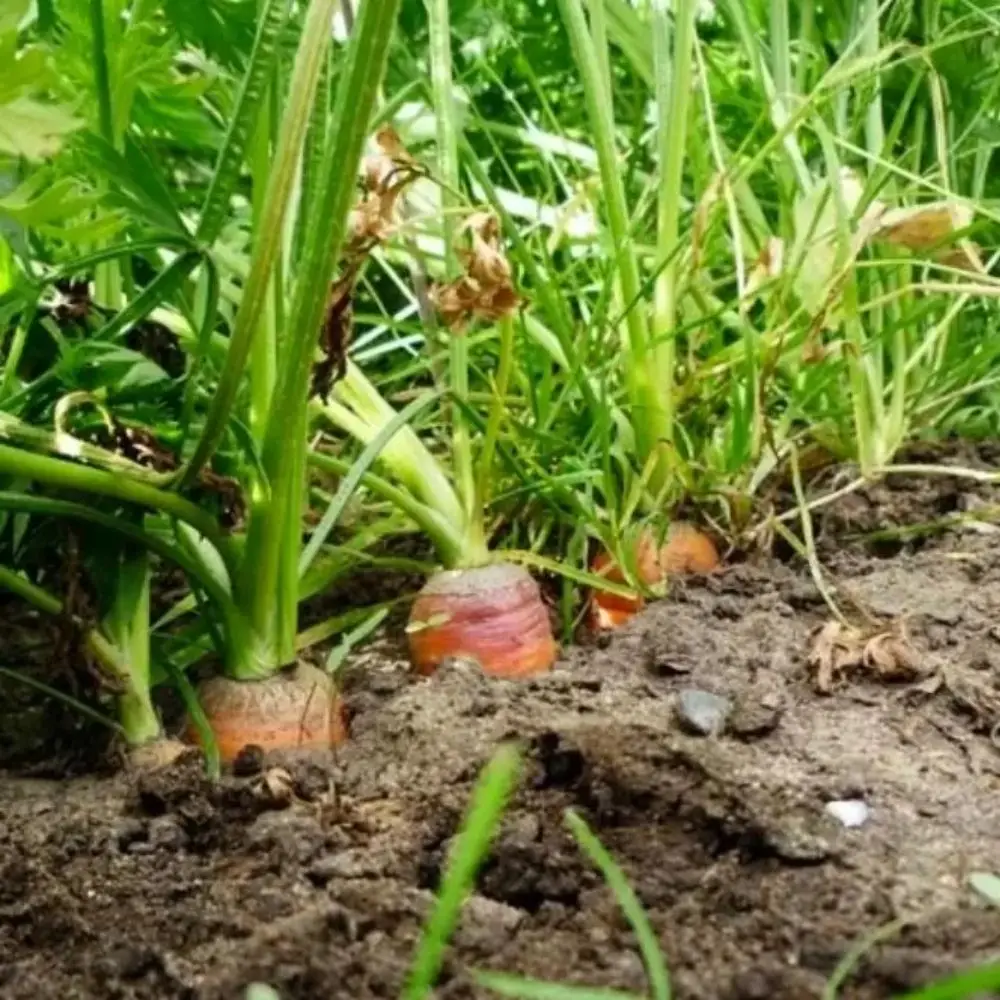
Harvesting takes place through the winter, or it can be left in the ground to harvest “giant carrots”.
Harvest: 68 days or more.
Germination Guide
🌍 Central Asia and Afghanistan
Moderate
Daucus carota subsp. sativus (cultivated carrot) is a widely recognized vegetable belonging to the Apiaceae family, native to central Asia and Afghanistan. Seeds require consistent moisture and proper temperature for germination, with slow and variable germination being a known challenge.
Germination
Germination time
Expect germination in
6 – 21 days
Temperature
Min 10°C
Ideal 16°C
Max 29°C
Light
🌑 Darkness required
Substrate moisture
💧 Medium
Sowing depth
Lightly covered
Seed Pre-treatment
-
💧
Soaking — 12 hours
Soaking seeds in lukewarm water for 12 to 24 hours softens seed coat and promotes quicker sprouting
-
❄️
Cold stratification
-
📋
Additional notes
Hydro-priming or seed soaking recommended for faster and more uniform germination
Substrate & Container
Recommended substrate
Loose, fertile, well-drained sandy loam soil free of rocks and clay
Recommended container
Direct seeding preferred; minimum container depth 10 inches if using containers
Growing Tips
Keep soil surface moist to prevent crusting. Seeds are slow to germinate; can be planted before last frost date. Thin seedlings when 1-2 inches tall. Avoid transplanting as it damages taproots. Prefers neutral to slightly acidic pH (6.0-7.5). Full sun preferred but tolerates partial shade.
Only logged in customers who have purchased this product may leave a review.



Reviews
There are no reviews yet.