Pterocarpus santalinus — Red Sandalwood | Premium Skincare Heartwood

Grow the tree that centuries of Ayurveda revered for radiant skin. Red sandalwood’s deep crimson heartwood yields powerful antioxidants, anti-inflammatories, and natural santalin pigment—nature’s answer to acne, pigmentation, and irritation. Thrives in warm, dry climates with moderate rainfall. Own your own source of this endangered botanical treasure.

2.63

SKU: P-2177 Category: Tags: , , ,

You May Also Like

Description

This is the tree that turns healing wood into skincare gold.

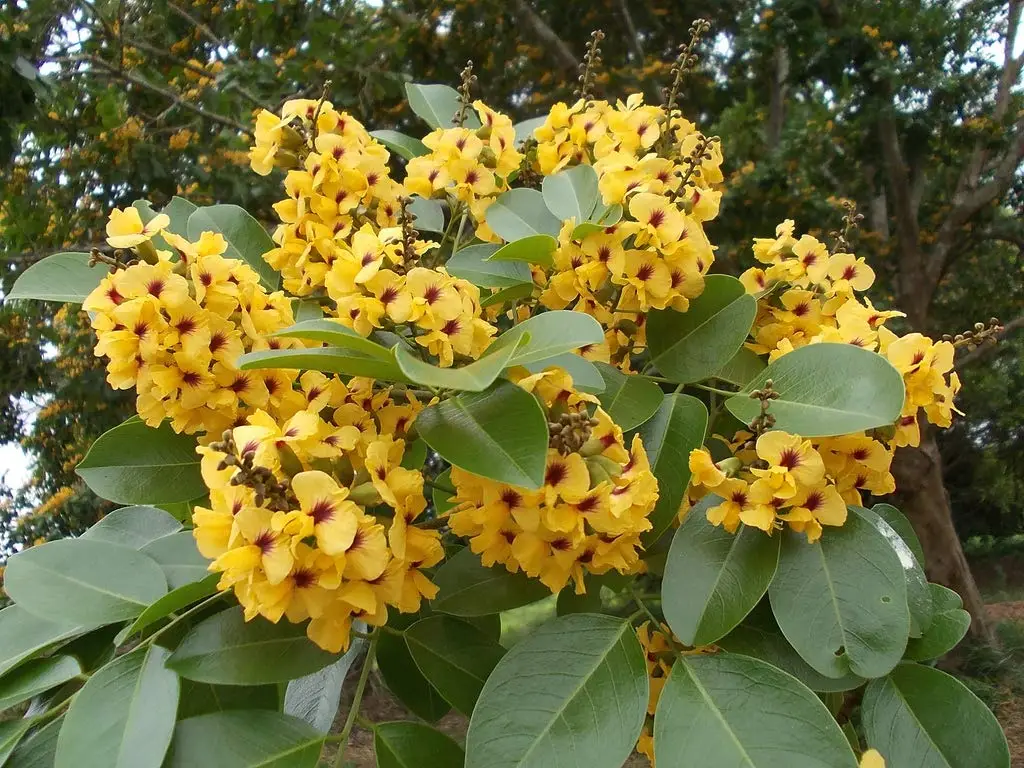
Pterocarpus santalinus—red sandalwood, Rakta Chandana—is a native of India’s Eastern Ghats, where it has lived quietly for centuries in the hearts of spiritual and medicinal traditions. Unlike its fragrant cousin (white sandalwood), red sandalwood trades aroma for something far more commercially potent: a dense, jewel-like heartwood that pulses with compounds Ayurveda has trusted for millennia. The wood itself is architectural beauty—deep crimson shot through with light purple veins, the kind of color that makes you believe in nature’s intelligence.

But here’s what makes this tree sing in 2026: it’s the skincare botanist’s holy grail. Red sandalwood contains santalins and pterocarpols with antioxidant, anti-inflammatory, and antimicrobial power. This heartwood yields a precious natural pigment—santalin—that’s become essential to the premium skincare industry. When ground into powder or extracted, it targets acne, melts pigmentation, fades scars, controls oil, and delivers cooling relief to inflamed skin. Every beauty brand hunting for authentic, plant-derived actives is pursuing this. The wood is used in cosmetics, medicinal preparations, fabric dyes, and traditional wellness formulations. Growing your own means access to pure heartwood for face masks, tinctures, infusions, or simply the profound satisfaction of owning a tree whose very essence is used in high-end skincare across Asia and beyond.

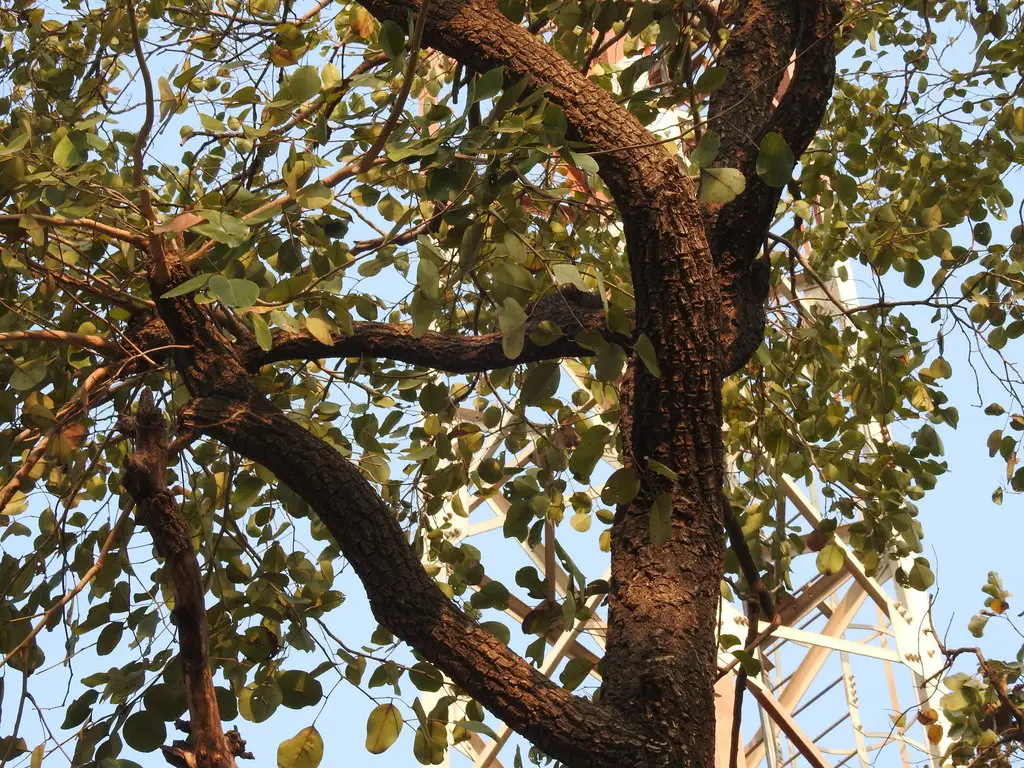
Cultivating Pterocarpus santalinus is a long-term commitment rewarded by medium ease. The tree thrives in tropical and subtropical climates with temperatures between 20-30°C (68-86°F). It loves well-draining, slightly acidic soil enriched with organic matter—think red loam with compost worked in. It needs 800-1,000 mm of rainfall annually, which means dry-hot climates suit it best; it regenerates vigorously under those conditions. Plant it in full sun, water moderately (avoid waterlogging), and fertilize during the growing season. From seed, germination takes several weeks in warm, moist conditions. The tree grows slowly to medium height (8-15 meters), so patience is part of the poetry—but that slow accumulation of heartwood is what creates the dense, pigment-rich timber that commands premium prices.

There’s also profound meaning in growing this tree now. Red sandalwood is endangered, protected under Indian forest laws and CITES. Every seed you germinate is an act of botanical stewardship, a small rebellion against overexploitation. You’re not just growing a tree; you’re resurrecting a heritage of healing into your own garden. By the time your red sandalwood reaches heartwood maturity, you’ll have created something irreplaceable: a living connection to Ayurvedic wisdom, a source of natural skincare actives, and a tree whose very wood tells the story of restoration. Start from seed. Grow your own medicine and beauty in one slow, magnificent tree.

Germination Guide

🌍 Southern Eastern Ghats, India (Andhra Pradesh, Tamil Nadu, Karnataka)
Moderate

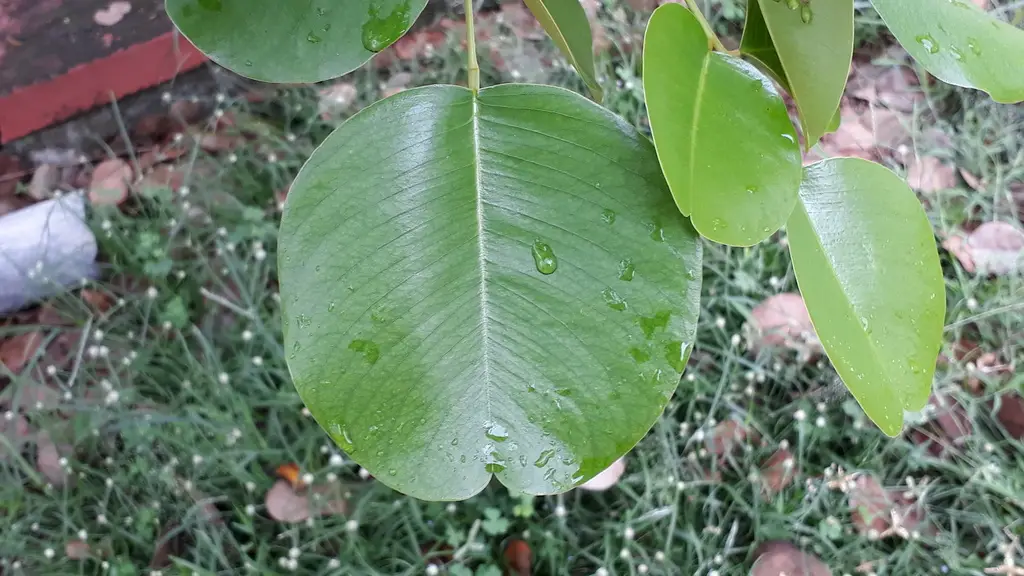
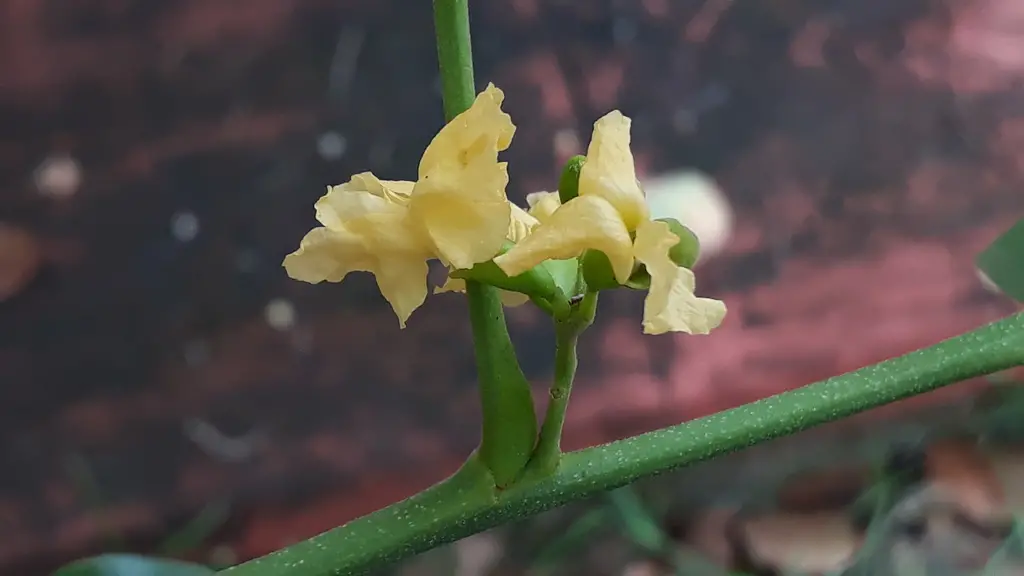
Pterocarpus santalinus (red sandalwood) is a light-demanding deciduous tree native to southern India, prized for its red heartwood. Seeds have hard coats requiring scarification or chemical treatment for germination.

Germination
Germination time
Expect germination in

10 – 21 days

Temperature

Min 7°C
Ideal 26°C
Max 46°C

Light
☀️ Light required

Substrate moisture
💧💧 High

Sowing depth
Lightly covered

Germination rate
55 %


Seed Pre-treatment
  • 💧

    Soaking — 24 hours
    Cold water soaking for 72 hours or cow dung slurry soaking for 72 hours as alternative treatments
  • 🔨

    Mechanical scarification
    Hard seed coat requires scarification; can also be soaked in water for 24 hours or in cow dung slurry for 72 hours
  • 📋

    Additional notes
    GA3 (gibberellic acid) + BA (benzyladenine) at 250 PPM improves early and optimum germination

Substrate & Container
Recommended substrate
Well-drained red loam soil with sand and farmyard manure mixture; slightly acidic

Recommended container
Polybags or nursery beds


Growing Tips
Keep soil moist and warm; seedling survival approximately 40%. Light is essential for germination. Tree grows best in tropical/subtropical climates with mean annual temperature 26-32°C and 800-1000mm annual rainfall. Not frost tolerant (killed below 0°C).

Reviews

There are no reviews yet.

Only logged in customers who have purchased this product may leave a review.

Related Products