Description
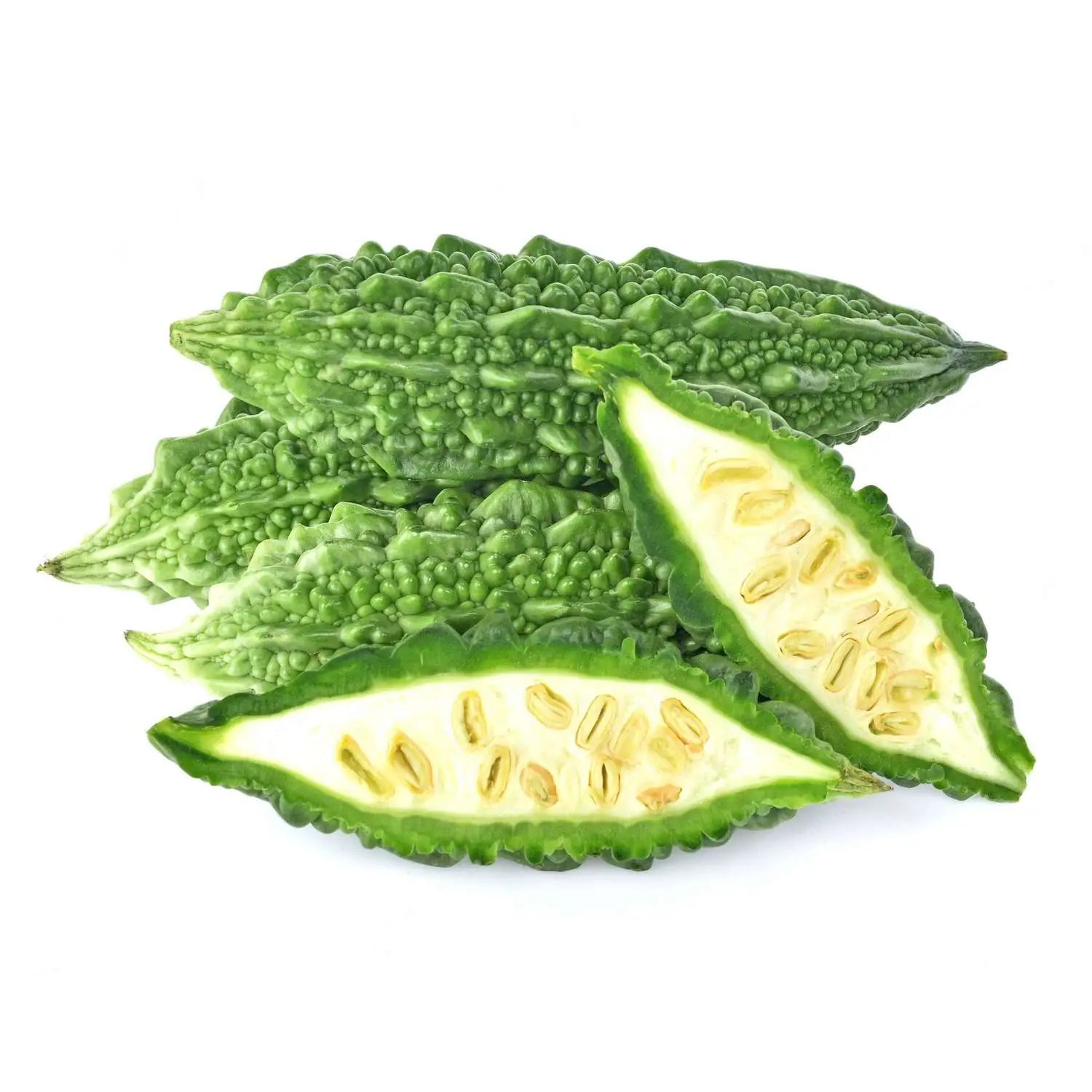
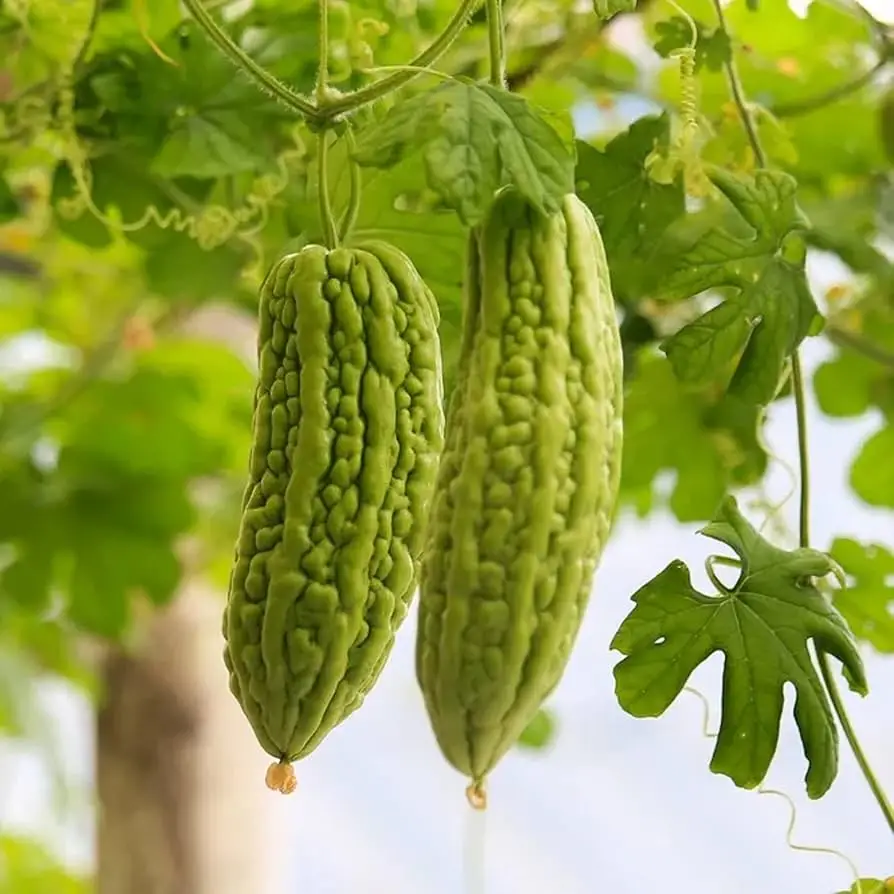
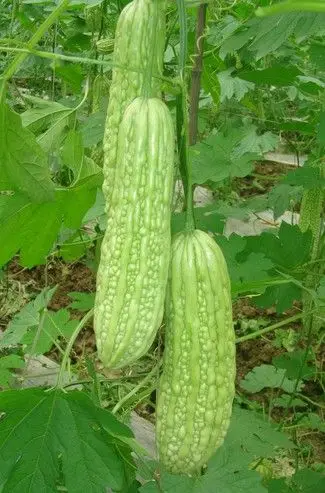
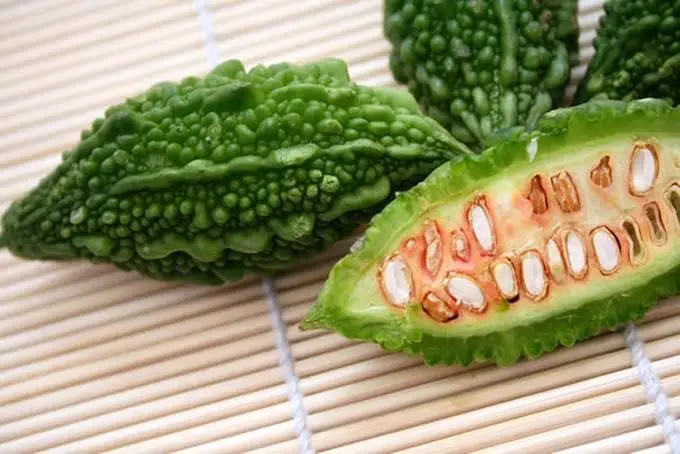
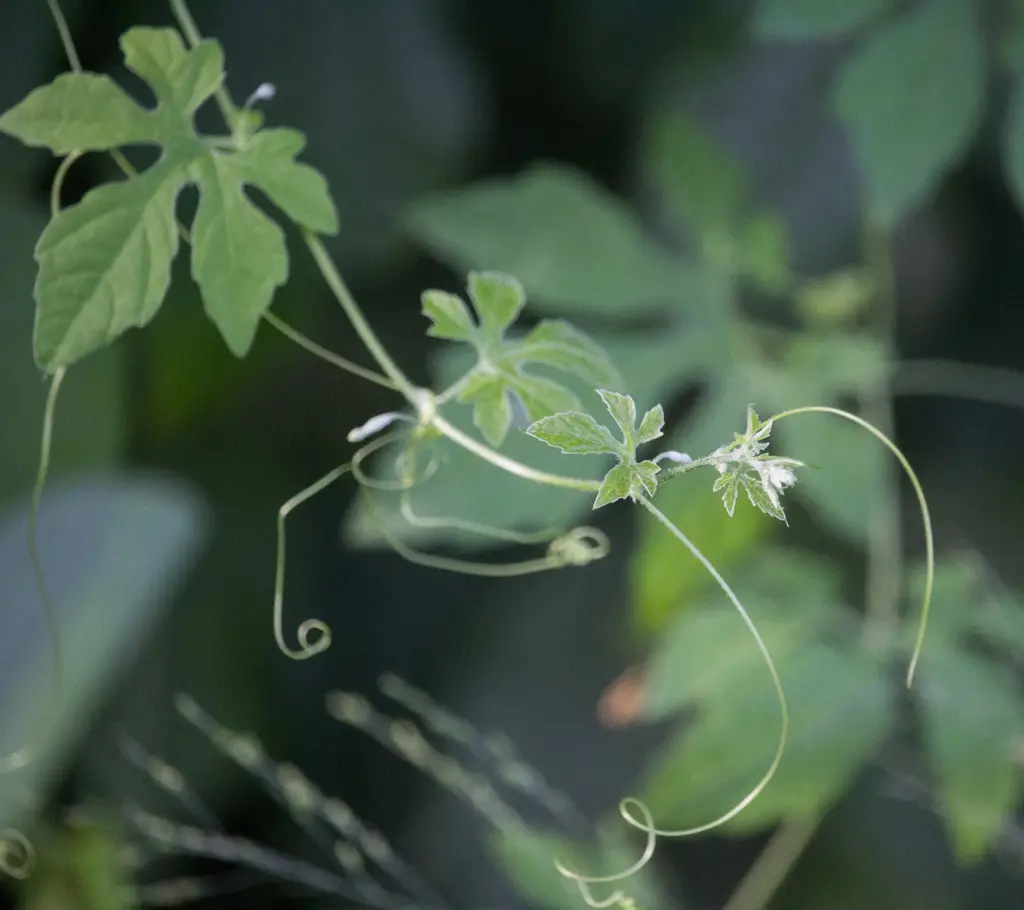
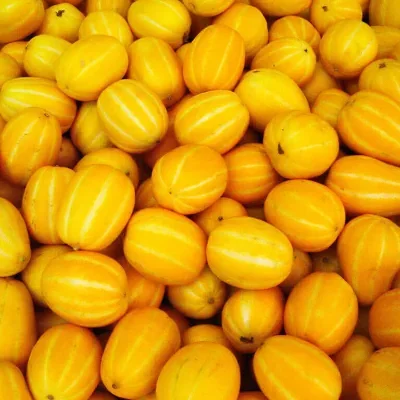
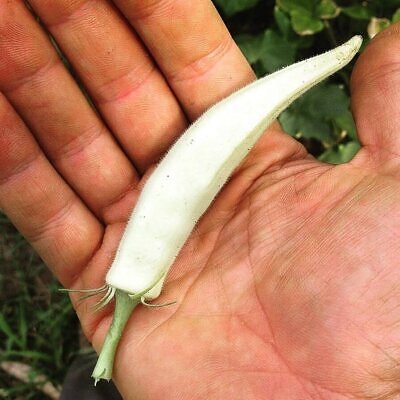
Momordica charantia (commonly called bitter melon; bitter apple; bitter gourd; bitter squash; balsam-pear) is a tropical and subtropical vine of the family Cucurbitaceae, widely grown in Asia, Africa, and the Caribbean for its edible fruit. Its many varieties differ substantially in the shape and bitterness of the fruit.
Bitter melon originated in Africa where it was a dry-season staple food of ?Kung hunter-gatherers. Wild or semi-domesticated variants spread across Asia in prehistory, and it was likely fully domesticated in Southeast Asia. It is widely used in the cuisines of East Asia, South Asia, and Southeast Asia.
Germination Guide
🌍 Tropical Africa and Asia
Moderate
Momordica charantia, known as bitter melon or bitter gourd, is a tropical climbing vine of the Cucurbitaceae family native to tropical Africa and Asia. It produces elongated fruits with characteristic bumpy surfaces and intense bitter flavor, valued in Asian, African, and Caribbean cuisines, and used in traditional medicine for various health applications.
Germination
Germination time
Expect germination in
7 – 21 days
Temperature
Min 20°C
Ideal 27°C
Max 32°C
Substrate moisture
💧💧 High
Seed Pre-treatment
-
💧
Soaking — 24 hours
Soak in warm water 12-24 hours; softens hard seed coat and improves water absorption
-
🔨
Mechanical scarification
Nick or file seed coat with nail clipper or sandpaper; gently scratch without damaging embryo
-
📋
Additional notes
Seed coat is extremely hard; pretreatment is essential. Without treatment, germination rates drop below 30%
Substrate & Container
Recommended substrate
well-draining potting mix rich in organic matter; sandy loam soil
Recommended container
seed tray or individual pots with plastic cover to maintain humidity; heated mat beneficial
Growing Tips
Requires warm soil temperatures (minimum 70°F/21°C, optimal 75-90°F/24-32°C). Seeds germinate slowly without pretreatment. Use heated mat set to 27°C (80°F) for consistent warmth. Maintain high humidity during germination. Plant seeds 1 inch deep. Keep substrate moist but not waterlogged. Germination is slow and irregular, taking 7-21 days depending on conditions. Darkness or light is acceptable for germination.
Only logged in customers who have purchased this product may leave a review.


Reviews
There are no reviews yet.