
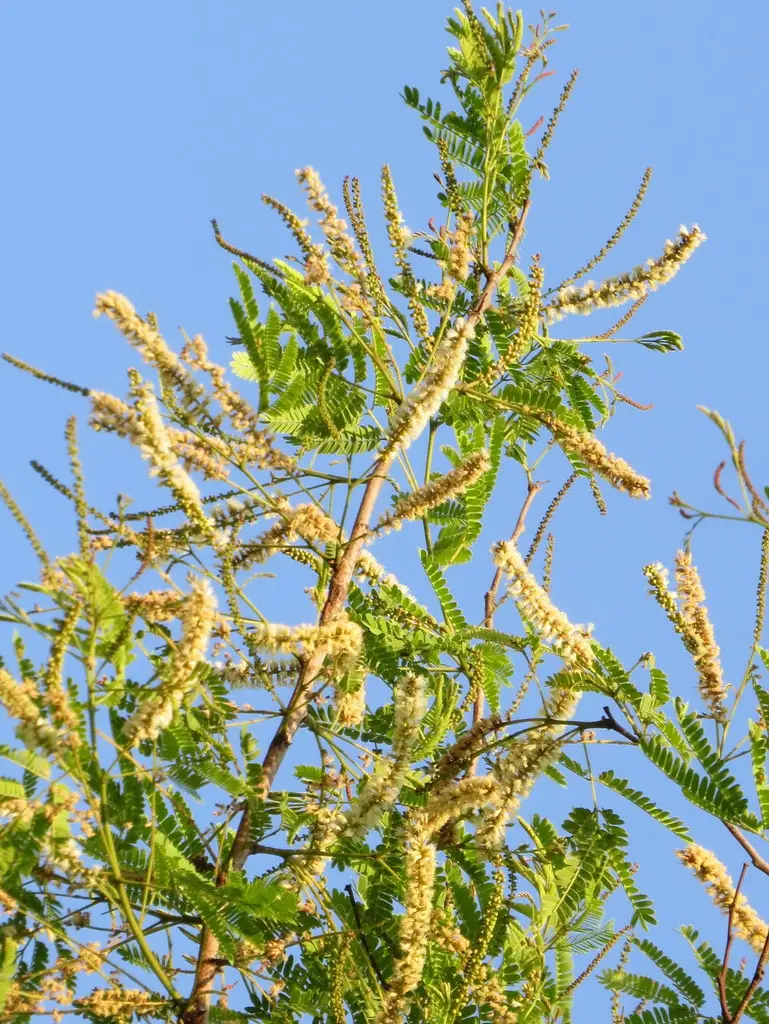
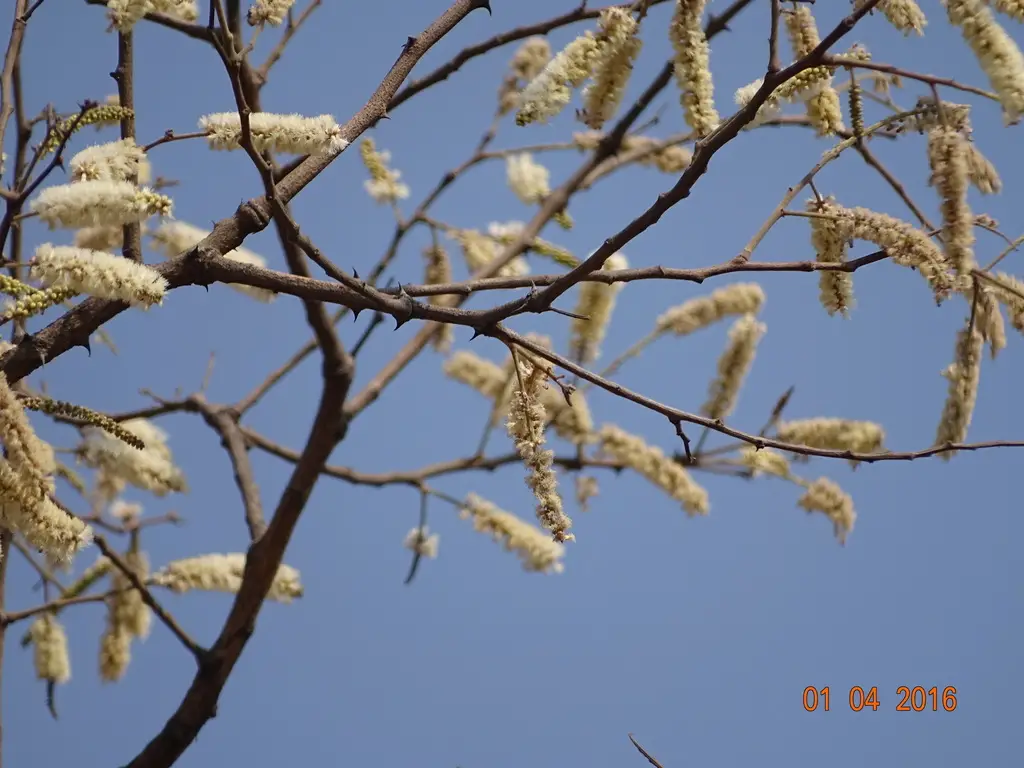



Grow the healer’s acacia—a striking golden-flowered tree with tannin-rich bark prized for centuries in Ayurvedic and traditional medicine. Its potent astringent and antioxidant compounds treat inflammation, diarrhea, wounds, and skin ailments naturally. Hardy, drought-loving, and thrives from seed with minimal fuss. Plant the remedy your garden has been waiting for.
€2.26
Imagine cultivating a tree that heals as beautifully as it grows.
Acacia ferruginea, the Rusty Wattle, is far more than an ornamental—it’s a living pharmacopoeia. This deciduous tree native to India, Sri Lanka, and Myanmar carries within its rust-colored bark the medicinal secrets that Ayurvedic healers have trusted for generations. When you grow it from seed, you’re not just planting a tree; you’re cultivating a bridge to ancient botanical wisdom.
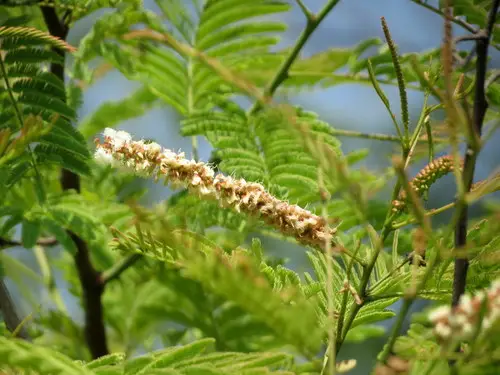
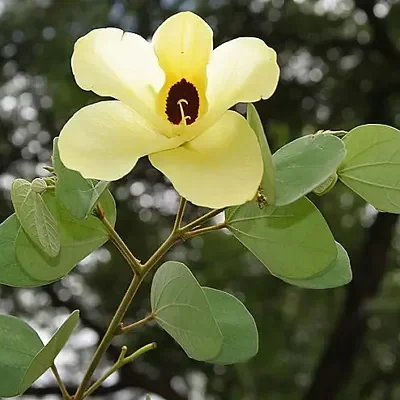
The name ‘ferruginea’ speaks to its defining visual signature: bark that shifts from warm rusty-brown to deep reddish tones, creating striking contrast against the feathery, fine-textured bipinnate foliage. In late winter and spring, pale golden-yellow flowers emerge in generous axillary spikes, drawing pollinators and commanding attention without demanding it. The tree grows to about 12 meters, with an elegantly spaced form that brings both grace and character to any landscape.
But the true treasure lies beneath the bark. Scientific analysis has validated what traditional practitioners knew: Acacia ferruginea bark is packed with condensed tannins, primarily catechin-type, alongside powerful flavonoids like quercetin, kaempferol, and luteolin derivatives. These compounds deliver measurable antimicrobial, astringent, and antioxidant action. In Ayurvedic practice, the bark is prepared as a decoction—boiled and reduced—to treat fever, diarrhea, gum disease, and skin infections. Its astringent properties help arrest bleeding, tighten inflamed tissues, and combat dysentery. Topically, powdered bark mixed with coconut oil becomes a poultice for fungal infections, wounds, and insect bites. During the colonial era, the bark was harvested commercially for leather tanning—evidence of its potency as a natural tannin source. Today, herbalists and natural wellness practitioners rediscover this plant’s reputation daily, with extracts appearing in tonics and traditional formulations across India and Southeast Asia. Grow your own supply of this rare, powerful medicinal resource.
Cultivation is refreshingly straightforward. Acacia ferruginea is a drought-tolerant deciduous tree that asks for little once established. Seeds germinate freely without pre-treatment and retain viability for a year when stored in cool, pest-free conditions. Plant in spring or early autumn into well-drained soil—sandy or loamy loam preferred—in full sun. The tree tolerates shallow, stony soils that defeat other species, and thrives in hot, dry climates (up to 40°C annually, with rainfall between 350–750 mm). Water moderately during establishment; once developed, it needs minimal supplemental watering. This is a tree for the patient, intentional gardener—one who values resilience and medicinal bounty over fussy ornamental temperament. Prune lightly to shape, mulch to suppress weeds, and watch it reward you with beauty and healing abundance.
Your hands will thank you. Your garden will transform. And somewhere in the branches of your own Rusty Wattle will grow centuries of herbal tradition, waiting to be steeped, applied, and trusted. Begin from seed—and become a cultivator of wellness.
Only logged in customers who have purchased this product may leave a review.


Reviews
There are no reviews yet.