Description
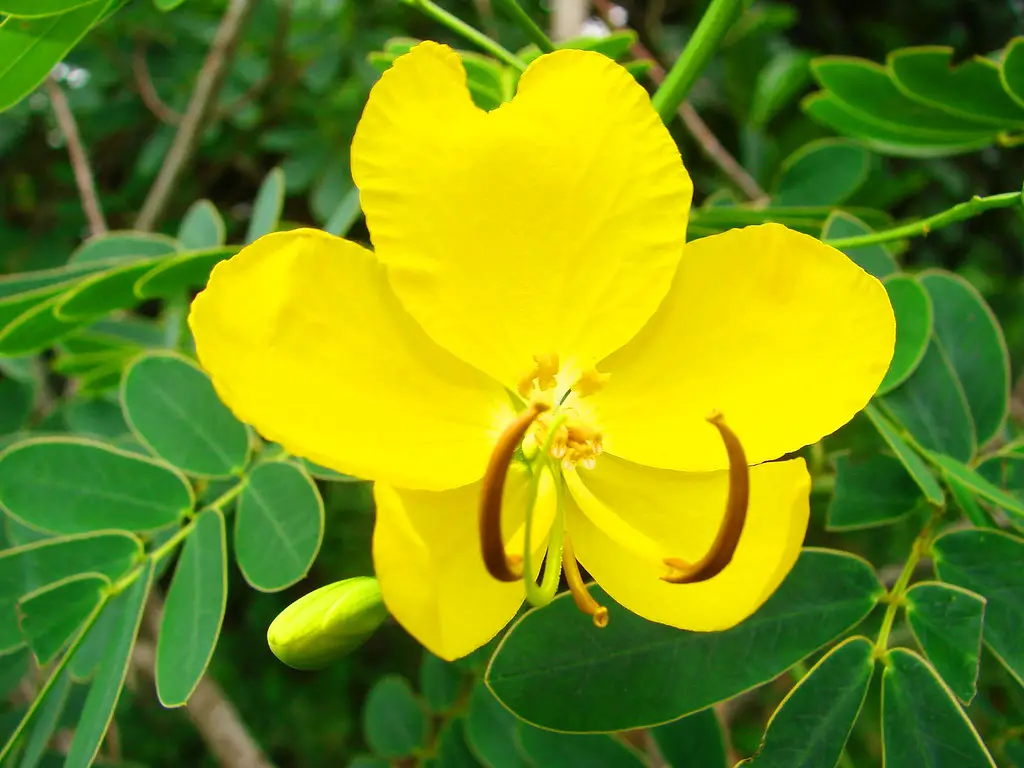
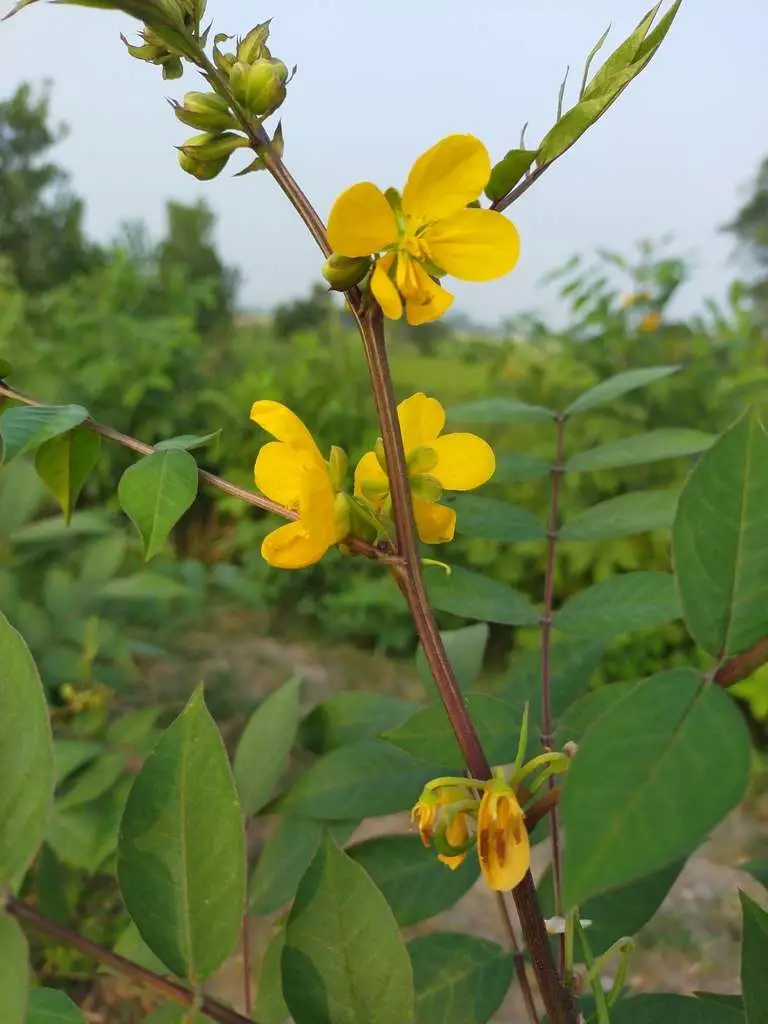
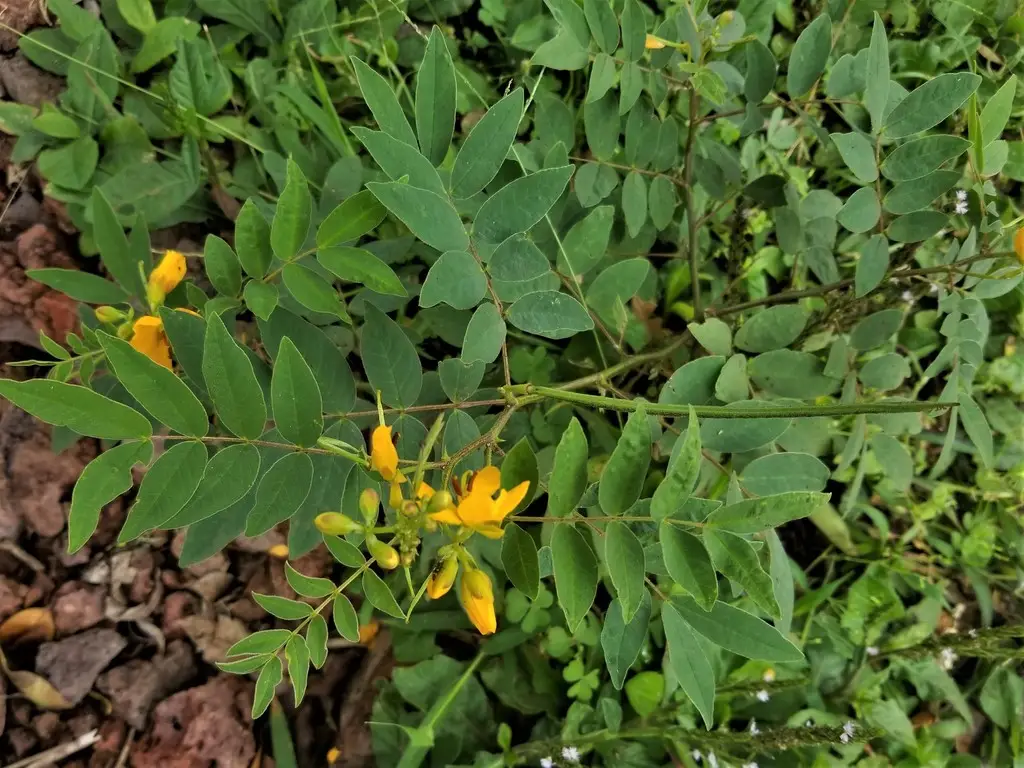
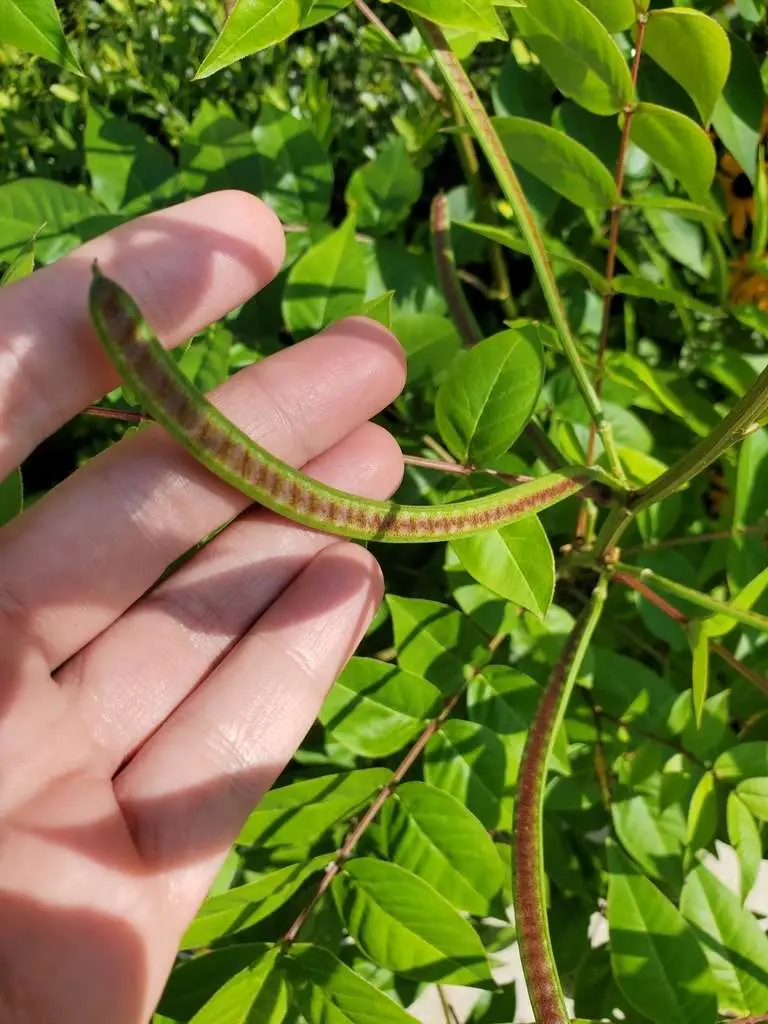
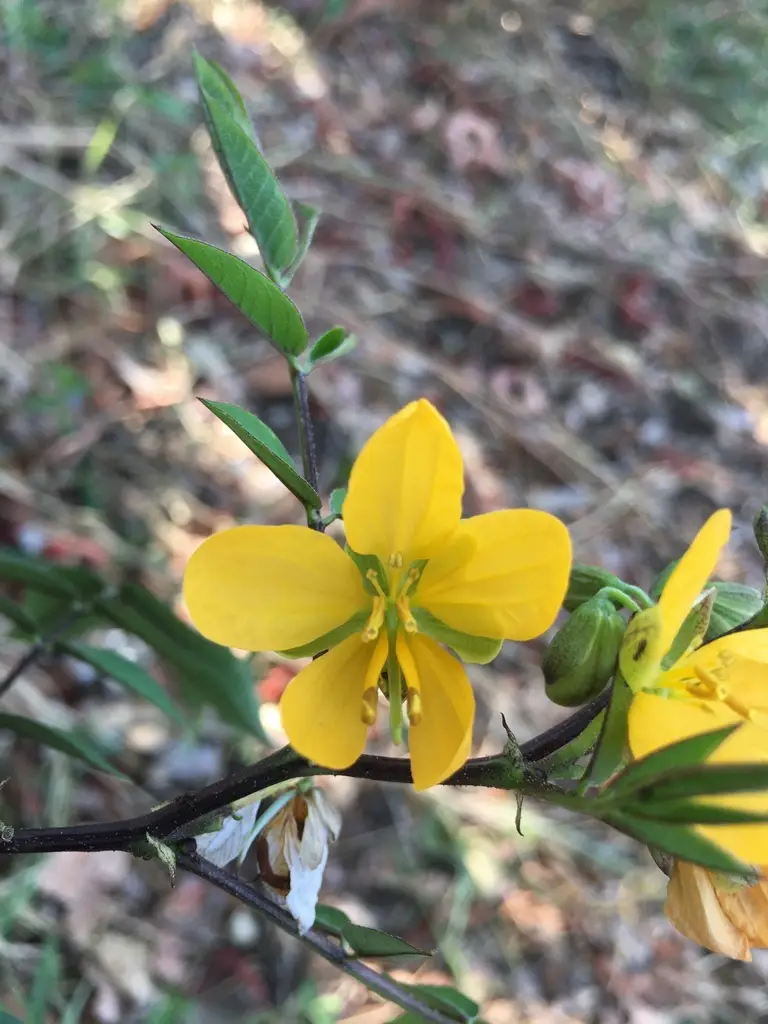
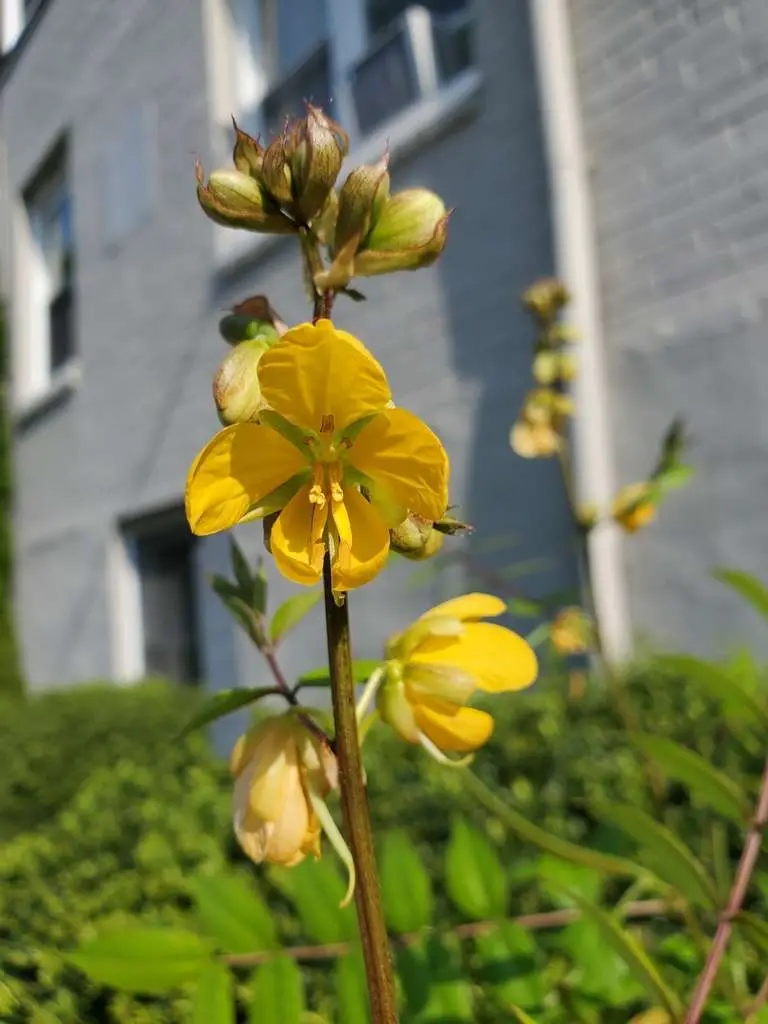
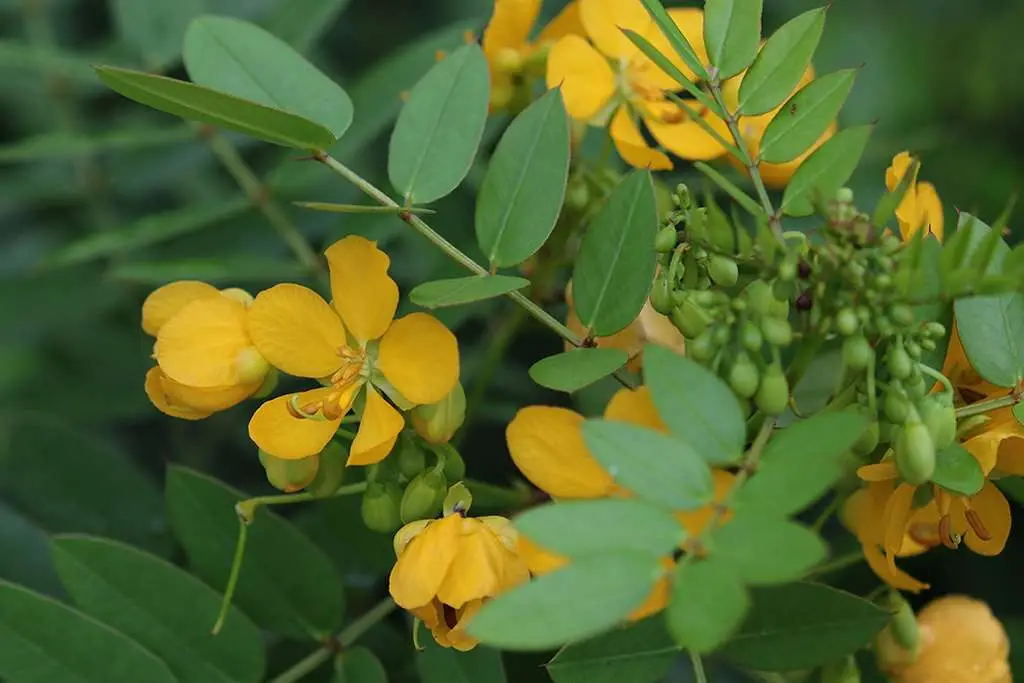
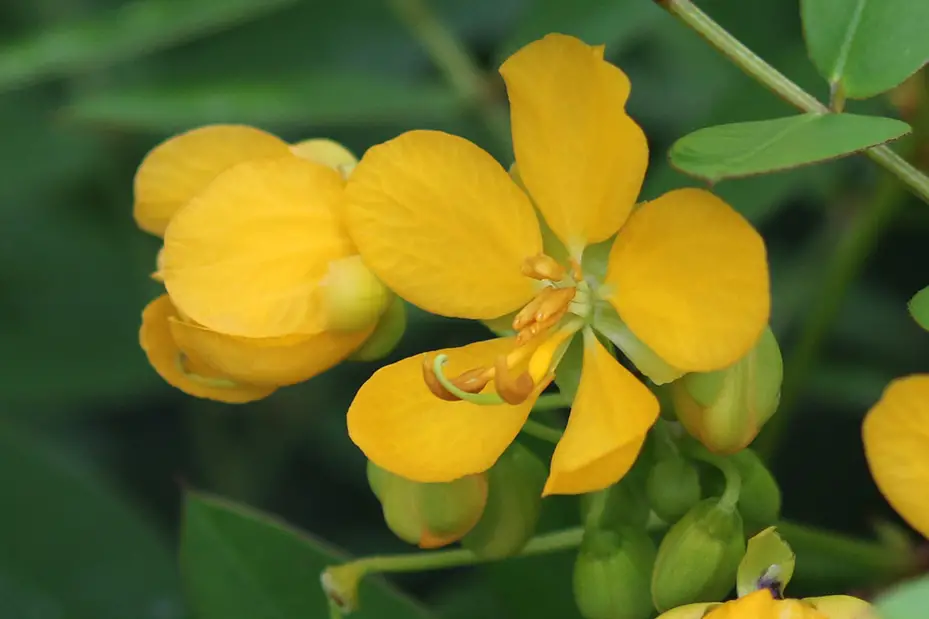
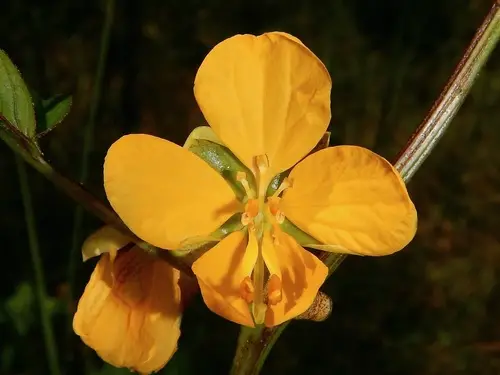
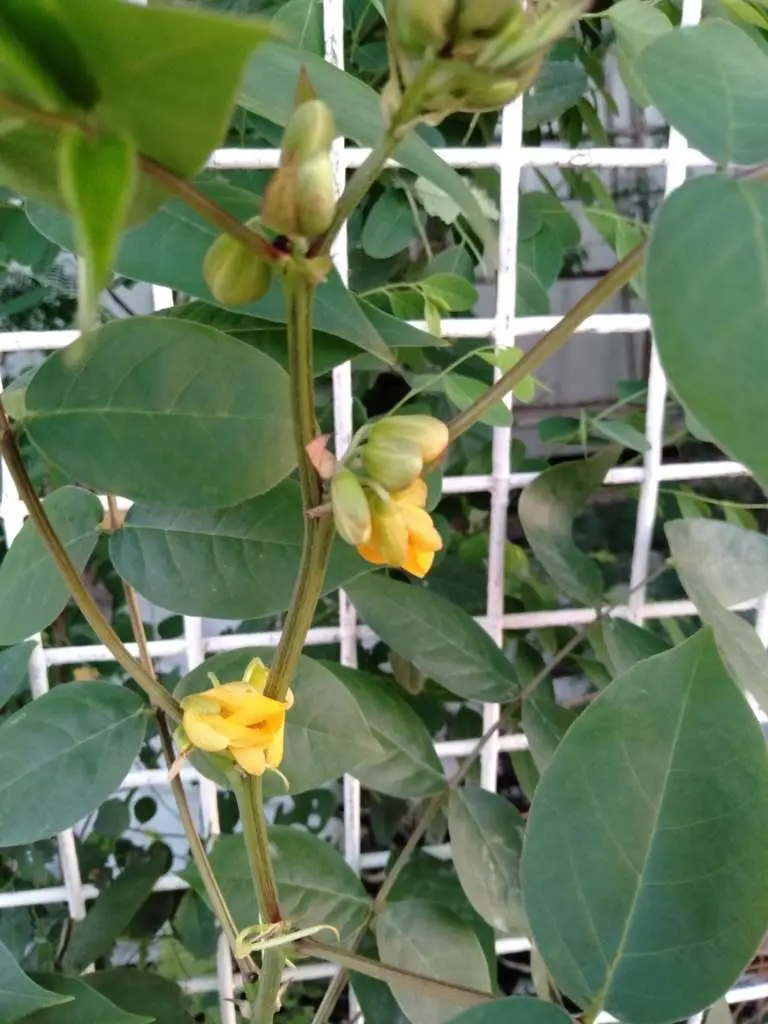
Senna occidentalis [Indian vernacular name Usaya ki Fali] is a pantropical plant species, native to the Americas. The species was formerly placed in the genus Cassia.
Vernacular names in English include septicweed, coffee senna, coffeeweed, piss-a-bed, Mogdad coffee, negro-coffee, senna coffee, Stephanie coffee, stinkingweed or styptic weed.
The plant is reported to be poisonous to cattle, because it contains a known toxic derivative of anthraquinone called emodin and the seeds contain chrysarobin (1,8-dihydroxy-3-methyl-9-anthrone) and N-methylmorpholine.
In Jamaica the seeds are roasted, brewed and served as tea to treat hemorrhoids, gout, rheumatism, and diabetes.
Mogdad coffee seeds can be roasted and used as a substitute for coffee. They have also been used as an adulterant for coffee. There is apparently no caffeine in mogdad coffee.
Despite the claims of being poisonous, the leaves of this plant, Dhiguthiyara in the Maldivian language, have been used in the diet of the Maldives for centuries in dishes such as mas huni and also as a medicinal plant.
This plant is mainly used for the treatment of bone fractures and bone dislocation as an herbal treatment in India.
Germination Guide
🌍 Tropical and subtropical Americas, including southern United States, Mexico, and South America
Moderate
Cassia occidentalis (Coffee Senna, Senna occidentalis) is a tropical legume native to the Americas, now pantropically distributed. Seeds have a hard, impermeable seed coat and exhibit physical dormancy. With proper scarification and water treatment, germination is reliable and reaches 70% or higher within 10-30 days at optimal temperatures.
Germination
Germination time
Expect germination in
10 – 30 days
Temperature
Min 13°C
Ideal 25°C
Max 30°C
Substrate moisture
💧💧 High
Sowing depth
Lightly covered
Seed Pre-treatment
-
💧
Soaking — 24 hours
After scarification, soak seeds in lukewarm to warm water for 24 hours. Change water daily if possible. Seeds should absorb moisture and swell; if they do not swell, repeat scarification and soaking for another 12-24 hours.
-
🔨
Mechanical scarification
Scarify mechanically with sandpaper or file to break hard seed coat. Alternatively, pour nearly boiling water over seeds without cooking them, or soak in warm water for 24-36 hours. Seeds exhibit physical dormancy due to impermeable seed coats.
-
📋
Additional notes
Mechanical scarification followed by water immersion is essential. Seeds have physical dormancy with water-impermeable coats. Seeds that swell after soaking are ready to sow; non-swollen seeds require additional treatment.
Substrate & Container
Recommended substrate
Light, porous, well-draining seed-starting substrate free of pathogens. Sandy loam or sandy soil with neutral to slightly acidic pH preferred.
Recommended container
Plastic pot or seed tray with transparent cover or dome to maintain humidity
Growing Tips
Scarify seeds within 24 hours of planting for best viability. Sow lightly covered seeds in moist substrate and maintain high humidity with a covered container. Seeds germinate equally well in light or darkness. Optimal temperature is 25°C; germination becomes very slow below 12°C or above 30°C. Provide bottom heat if possible. Ventilate daily for 2-3 minutes to prevent fungal issues. Once seedlings emerge, reduce humidity gradually. Seedlings are ready to pot up after developing 2-3 true leaves. Acclimatize seedlings for 4-12 weeks minimum before transplanting outdoors, protecting them from first winter frost.
Only logged in customers who have purchased this product may leave a review.


Reviews
There are no reviews yet.